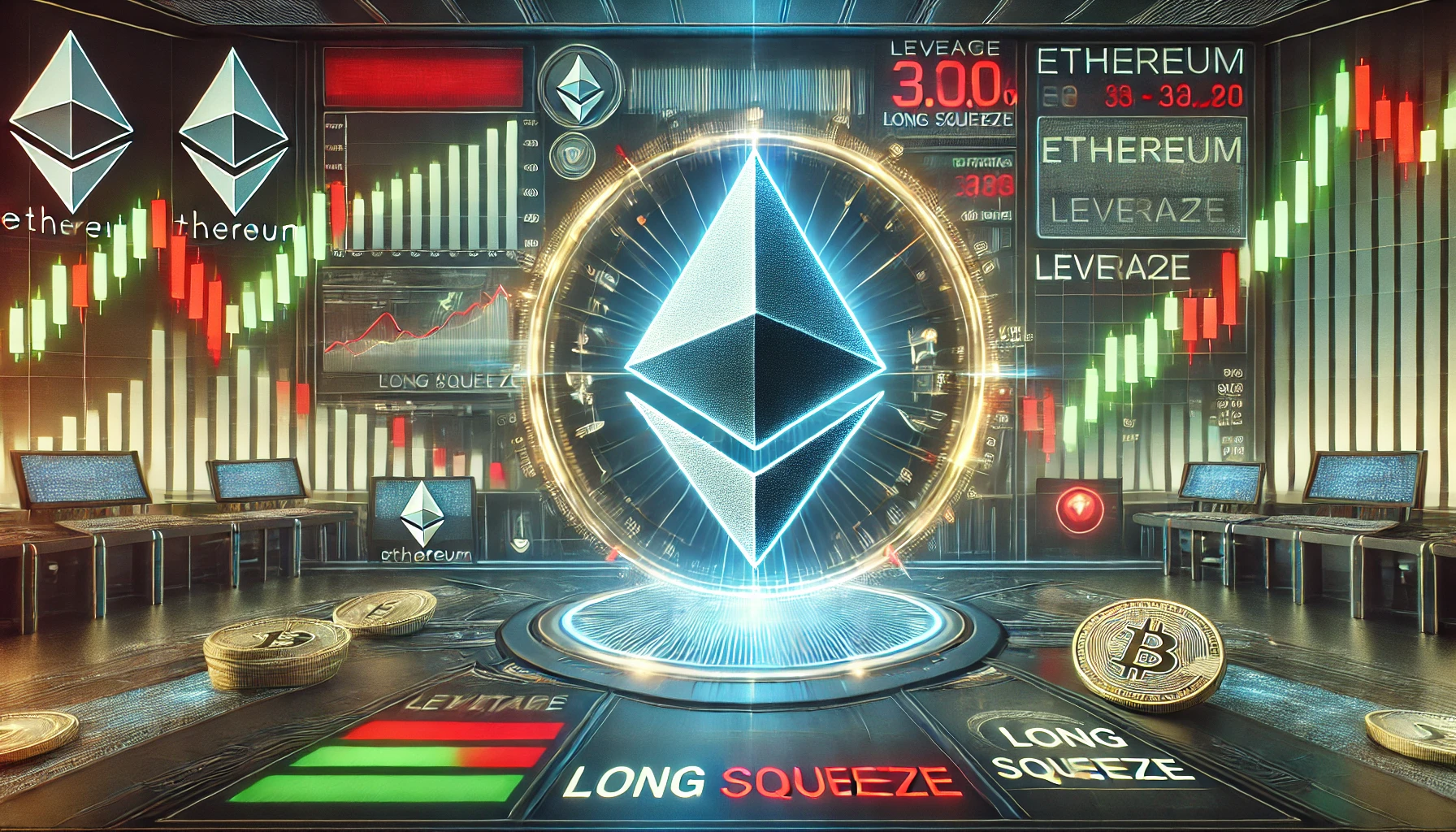
AI is doing the dirty work for insurance companies, and it’s getting worse
AI is now deciding whether your insurance claim gets approved, and denial rates are climbing fast. Here's what's happening and why your doctor's opinion might not matter anymore.
 Tekef
Tekef

AI is getting really good at saying no to your insurance claims, and the numbers are distressing.
 Unsplash
Insurance claims adjusters have never had a reputation for generosity. But at least they were human. That’s changing fast, and not in your favor. A report by Futurism details how AI automation is now a major trend in personal insurance, the health, home, and auto coverage most of us rely on.
Is your doctor’s opinion even part of the process anymore?
It doesn’t seem that your doctor’s opinion carries that much weight now. A Palm Beach Post investigation found that Iris Smith, an 80-year-old suffering from arthritis, may be a victim of AI-fueled preauthorization denials.
 Amazon
In another case, UnitedHealth is currently facing a class-action lawsuit alleging that AI-denied Medicare nursing care contributed to patient deaths. Meanwhile, a National Association of Insurance Commissioners survey found 84% of health insurers are using AI, with 68% deploying it for prior authorization approvals.
Most people give up and don’t even appeal these rejections because the process is too confusing or exhausting, which, if you’re an insurance company, is the outcome you want.
The worst part is that we know AI isn’t always accurate and has a tendency to hallucinate. It’s one thing if it makes a mistake while writing a report, but it’s a completely different ball game when it ends up denying medical aid to someone who truly needs it.
Is there anyone protecting your interests?
Florida Representative Lois Frankel isn’t having any of it. She told the Palm Beach Post she plans to fight any expansion into other states. “We believe Medicare was based on a promise that if your doctor says you need care, if you’re hurt and you need care, Medicare will be there for you, not AI.”
But if the past is any indication, her fight alone won’t be enough. Florida lawmakers tried to pass a bill in 2025, requiring human review for AI-generated denials. It passed the House, died in the Senate, and a Trump executive order discouraging state AI regulations didn’t help.
The silver lining, if you can call it that: nonprofits like Counterforce Health now offer free AI tools that analyze your denial letter and draft a customized appeal, making it easier to fight back. It’s AI versus AI at this point, and the world is growing gloomier by the day.

Rachit is a seasoned tech journalist with over seven years of experience covering the consumer technology landscape.
Even astronauts on the way to the moon hit Outlook problems
Artemis II ran into a familiar email glitch, showing how persistent software issues can be.

Seven hours into its journey, Artemis II hit a snag that would feel familiar in any office. The mission commander lost access to Microsoft Outlook on his onboard device, cutting off email mid-flight according to Wired.
The issue showed up on a personal computing device used to manage mission data and communications during the 10-day lunar flyby. When both Outlook instances stopped responding, the commander called Houston for help and asked ground teams to check the system.
Your chatbot may have emotions, and it changes how it behaves
Anthropic finds Claude uses internal states like happiness and fear to guide outputs.

Your chatbot doesn’t have feelings, but it may act like it does in ways that matter. New research into Claude AI emotions suggests these internal signals aren’t just surface-level quirks, they can influence how the model responds to you.
Anthropic says its Claude model contains patterns that function like simplified versions of emotions such as happiness, fear, and sadness. These aren’t lived experiences, but recurring activity inside the system that activates when it processes certain inputs.
Your next Android flagship may get a big Gemini Nano 4 boost
Google is teasing better speed, lower battery use, and broader language support for on-device AI.
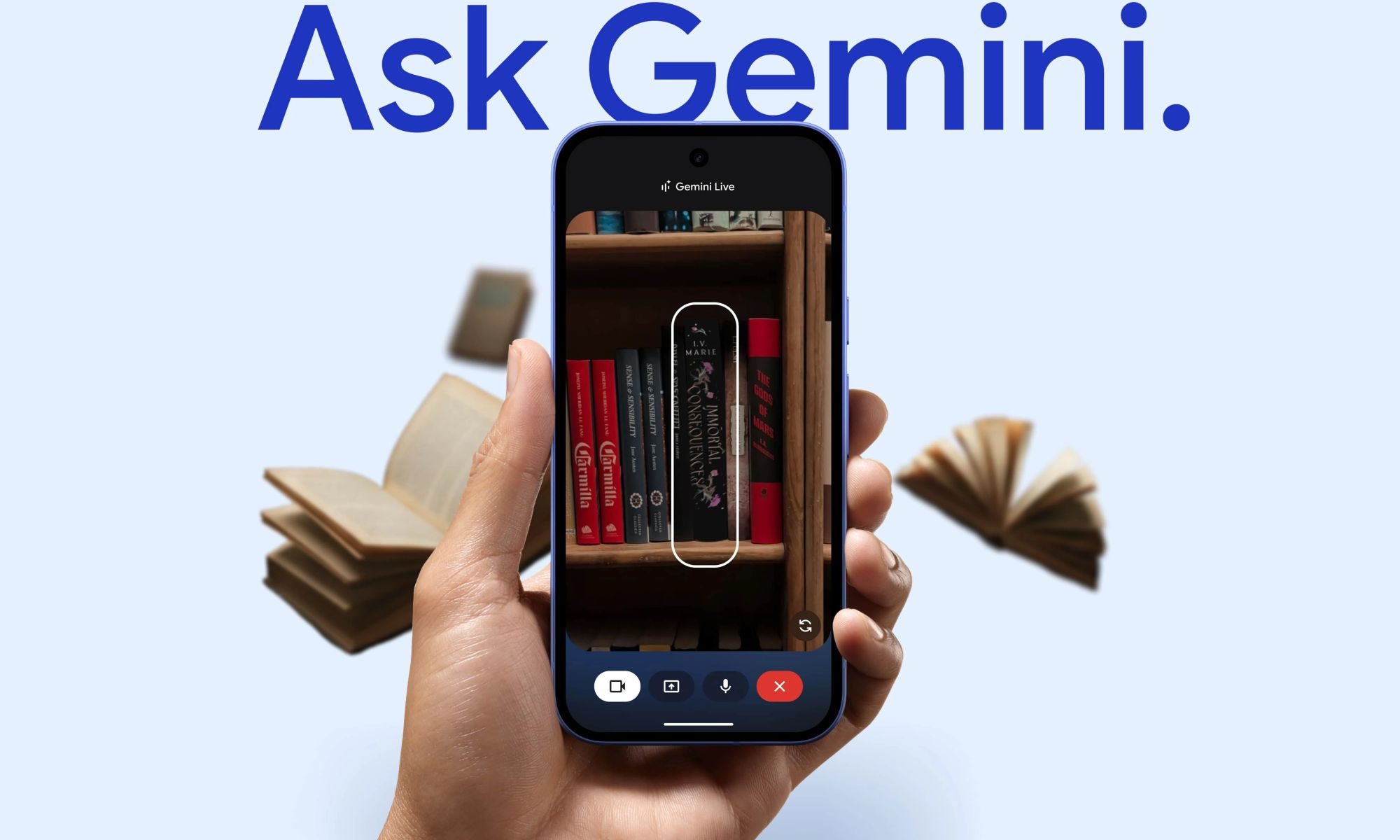
Your next Android flagship may get a big Gemini Nano 4 boost, and Google’s already laying the groundwork. In a new developer preview, it’s pushing a faster, more efficient AI model that will power upcoming phones later this year.
The idea’s simple. Build apps now using the new Gemma 4 model, and that same code will carry over to supported devices when they arrive. It gives developers a head start while Google fine-tunes performance for real hardware.