All the travel vaccines you should consider before heading overseas
Although infectious diseases exist everywhere, in some destinations there is a higher risk of becoming sick
 Konoly

Australia is in its busiest month for short-term overseas travel. And there are so many things to consider when planning your trip. Unfortunately, it’s easy to overlook the importance of pre-travel vaccinations.
That’s particularly the case for those visiting friends and relatives, who are less likely to get vaccinated before leaving the country. Unfortunately, this is also the group at greater risk compared to other travellers.
That’s because they generally stay longer, are more likely to travel to rural areas, eat or drink local or untreated food and water, and have closer contact with the local population.
Why are travel vaccines important?
Although infectious diseases exist everywhere, in some destinations there is a higher risk of becoming sick.
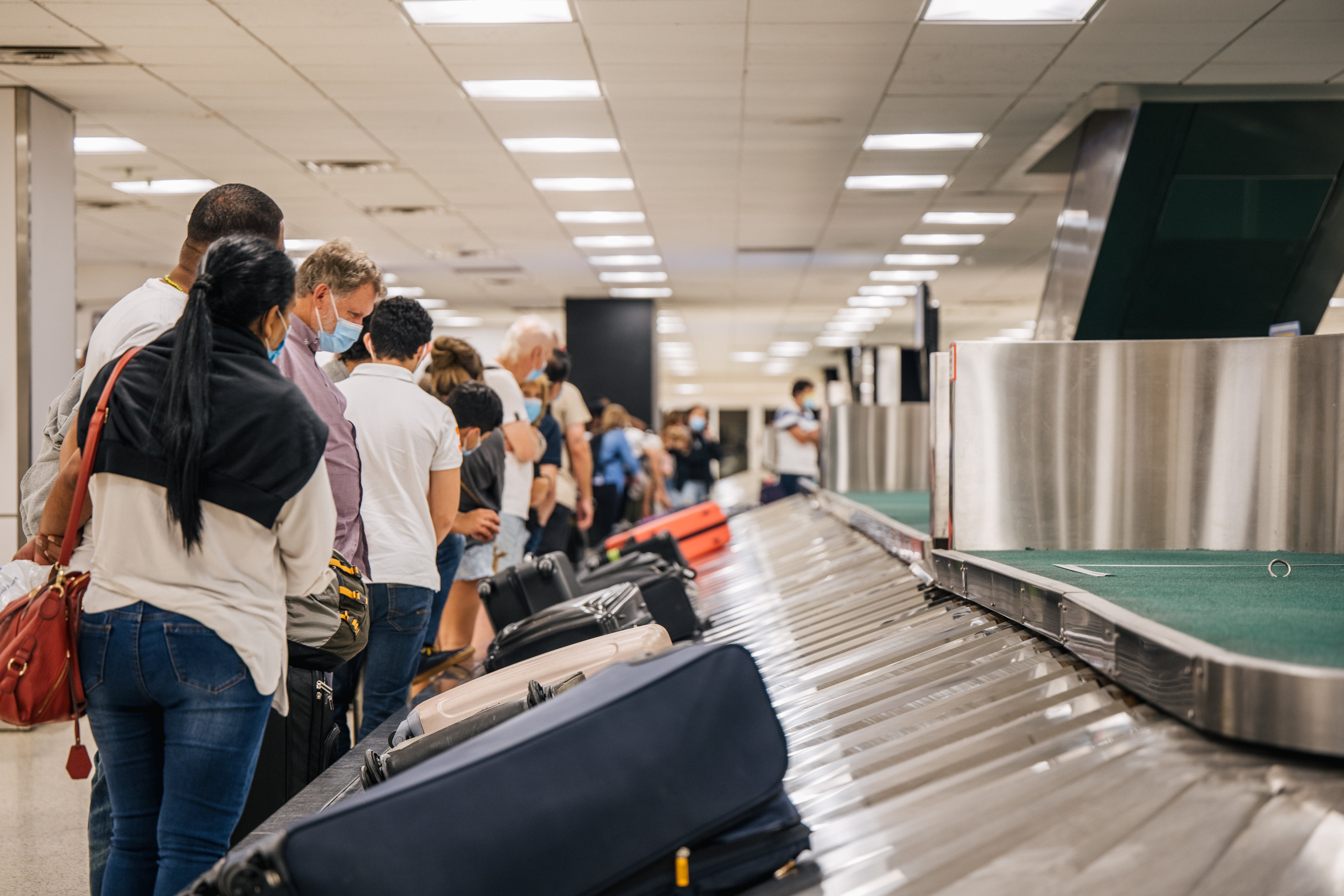
This can be due to tropical climates, the quality of water and sanitation, and insects or animals that carry diseases. This is alongside declining vaccination rates in children and low vaccine uptake in adults (for instance, for the flu vaccine) globally.
Getting sick overseas can, at best, interrupt your holiday plans, or at worst, lead to serious illness and having to navigate foreign health systems.
Which vaccines should I think about?
The first group of vaccines are routine ones, not specific to travel (for example, the measles or flu vaccine).
The next group are specific to the risk of infectious disease where you’re travelling (for example, typhoid vaccine) or related to a person’s health or planned activities.
Finally, some vaccines might be required by law (for example, a yellow fever vaccine, or vaccines for travellers to Mecca). These will require evidence you’ve had them for entry to some countries.
Measles
Measles is a highly infectious virus that can cause severe illness. It can transmit easily in public spaces such as shopping centres or on aeroplanes.
There are outbreaks globally. This includes Australia, where cases are mainly linked to people returning from overseas, including from popular holiday destinations in Southeast Asia.
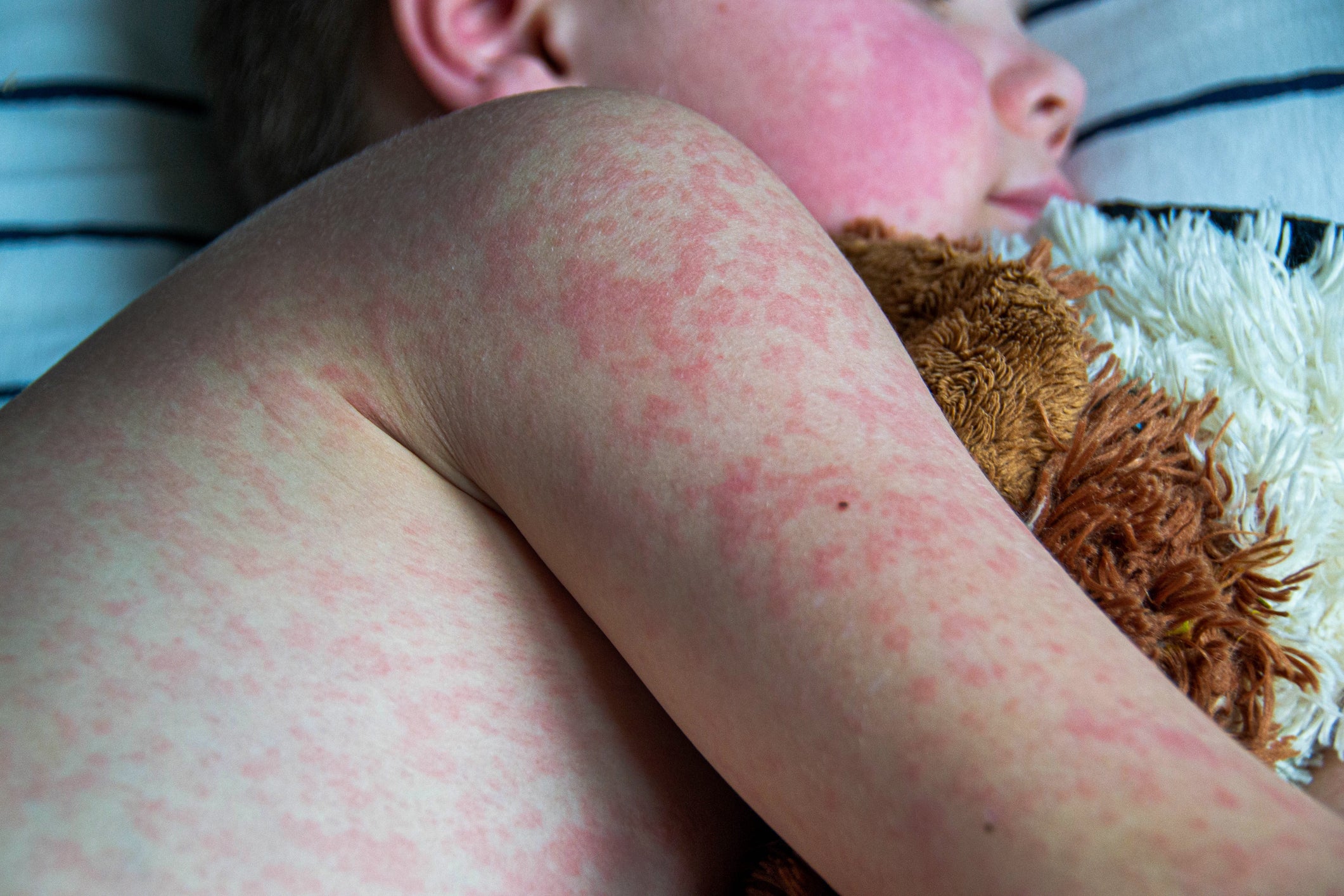
So ensure you’re vaccinated with two doses of the measles vaccine. You may not know if you had two doses as a child. So you should check your vaccine records or with your GP. If you’re still unsure, it’s safe to have another dose, particularly if you’re planning to travel overseas.
Measles vaccines are given to children in Australia at one year of age, but young infants are at the highest risk of severe disease and death. That is why Australia currently provides an extra, free measles vaccine for infants from six months of age if they are going overseas.
The flu
Flu remains one of the most common causes of infection in travellers. Most people know they should get a flu vaccine during autumn or winter.
However, the vaccine best protects against disease for about three to four months. So another dose is recommended for people heading into the Northern Hemisphere winter.
Hepatitis A
Hepatitis A is a viral infection of the liver. It spreads through contaminated food or water, or through contact with an infected person. It’s common in many parts of the world.
A vaccine is available that can be given from one year of age. Two doses, given at least six months apart, provides lifetime protection against the disease.
Typhoid
Typhoid is a bacterial disease that can cause high fevers and abdominal pain. Complications such as brain inflammation occur in 10-15% of people.
It is most commonly acquired in people travelling to Asia and sub-Saharan Africa. Typhoid, like hepatitis A, is spread through contaminated food and water.
About the authors
Archana Koirala is a Paediatrician and Infectious Diseases Specialist, Clinical Researcher at the University of Sydney.
Anthea Katelaris is a Public Health Physician and Conjoint Senior Lecturer in the School of Population Health at UNSW Sydney.
Phoebe Williams is a Paediatrician & Infectious Diseases Physician; Senior Lecturer & NHMRC Fellow, Faculty of Medicine, University of Sydney.
This article is republished from The Conversation under a Creative Commons license. Read the original article.
There are two types of typhoid vaccines: an injection (which can be given from two years of age and is safe in people who are immunocompromised) and an oral vaccine (for people over six years of age).
Rabies
Rabies is caused by a virus that spreads when an infected animal bites or scratches. Dogs are the main carrier of the virus, but any mammal can be infected, including bats, monkeys and cats. Rabies is almost always fatal.
People who are bitten or scratched by a land mammal overseas or bat anywhere need urgent treatment (called “post-exposure prophylaxis”) to prevent getting rabies.
This treatment needs to be given as soon as possible after the bite or scratch. But access overseas can be difficult, particularly in remote areas.
Rabies vaccination before you travel can reduce the need for this post-exposure prophylaxis or can simplify your treatment if you’re bitten or scratched by an infected animal.
So a two- or three-visit vaccination course is recommended before travel.
Other vaccines
Other vaccines include those against:
How do I find out more?
See your GP or a travel doctor to find out how to stay healthy on your trip, including which vaccines are recommended for you. This will be based on your travel destinations, planned activities, and baseline health. Many vaccines are also available at pharmacies.
You might have to pay for some pre-travel vaccines. But this is usually a relatively small cost on top of what you’ve already spent on flights, accommodation and activities, and will mean less chance of disrupting your trip.






















.jpg&h=630&w=1200&q=100&v=c0f97a310e&c=1)