Caught at the gate: Peru’s visa rules and why Indian travellers were turned away
Visa rules under scrutiny after KLM Royal Dutch Airlines reported to have denied boarding to family that spent £40,000 on tickets
 Lynk
Lynk

Indian police are set to file a criminal case against KLM Royal Dutch Airlines following a two-year legal battle by a family that spent £40,000 on tickets to Peru but were denied boarding by the flag carrier of the Netherlands, prompting questions about visa rules.
The family’s plans for a 14-day holiday in South America ended in a lengthy court battle and financial losses after the airline denied them boarding at the last minute.
JS Sathishkumar, chairman of a medical institution in the southern state of Tamil Nadu, had purchased eight business-class tickets for roughly £40,000, but the airline said they didn’t hold the appropriate visas to enter Peru. After several hours of waiting, they were told they wouldn’t be permitted to take their flight.
The incident occurred on 19 June 2024 but grabbed headlines this week after an Indian court ordered police to register a criminal case against KLM Royal Dutch Airlines.
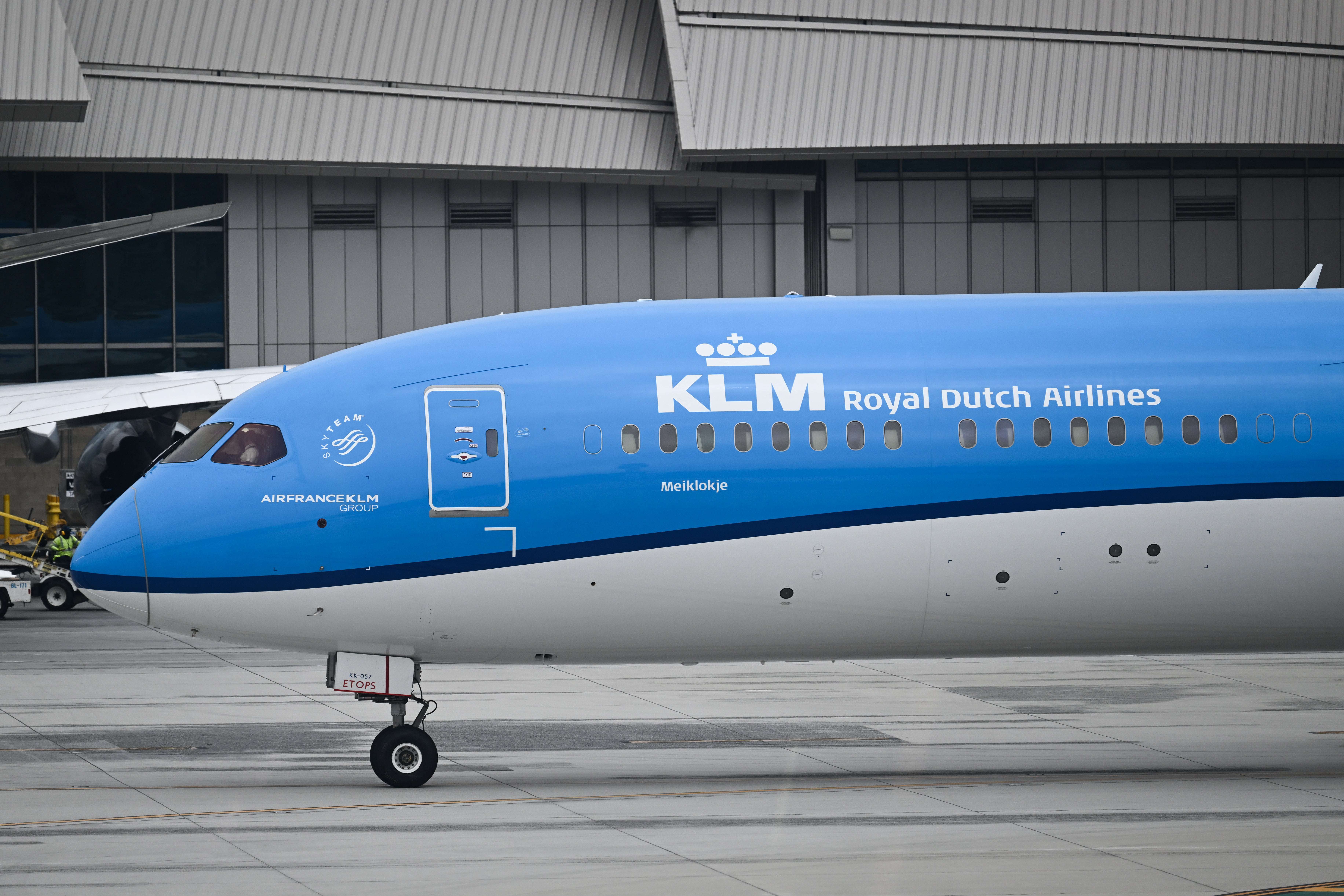
The affected family alleged they suffered financial losses and repeated travel disruptions after being “red-flagged” by the airline.
Here’s a breakdown of visa rules for Indians travelling to Peru.
Do Indian nationals need a visa for Peru?
Yes. In most cases, Indian passport-holders are required to get a visa before travelling to Peru. The visa costs around Rs 3,000 (£24).
Tourist and business visa applications are usually processed within 7-10 working days of the personal interview.
There is an exception, however, that has led to confusion.
According to Peruvian immigration rules, Indian nationals may be eligible for visa-free entry if they hold a valid visa for the US, UK, Canada, Australia, or the Schengen area. But this exemption is not automatic and comes with conditions such as that the other visa have a validity of at least six months.
This exemption applies solely to temporary visits for the purpose of tourism or business.
Alternatively, Indian passport-holders with permanent residency in any of the listed countries are eligible for visa-free entry. They may stay for up to 180 days per year, either in a single visit or over multiple trips, with the final decision resting with immigration authorities at the port of entry.

Why do airline checks matter?
Even if a traveller believes they meet Peru’s entry requirements, airlines play a critical role. This is because airlines operate under what’s called “carrier liability” rules, which mandate them to verify travel documents before letting passengers board under international aviation norms.
Carriers can face penalties and must bear repatriation costs if a passenger is denied entry on arrival. As a result, they may take a stricter view of visa rules, particularly where exemptions are open to interpretation.
They rely on databases and guidance aligned with International Air Transport Association standards to make their decisions.
What are your rights if you are denied boarding?
In India, the compensation rules are set out by the Directorate General of Civil Aviation. If a passenger is denied boarding, their rights depend largely on the reason for the refusal.
If a passenger is denied boarding due to overbooking or operational decisions by the airline, for example, they are eligible for compensation after 24 hours or if no alternative flight is provided.
Where an airline denies boarding over documentation concerns, compensation isn’t always guaranteed, particularly if the carrier believes the traveller may be refused entry at the destination.
However, if the denial is later found to be unjustified, the passenger may be entitled to refund or rebooking and, in some cases, compensation under airline policies.
The passenger may also choose to escalate the matter to senior officials or the aviation regulator.
What did KLM Royal Dutch Airlines and the court say in this case?
A spokesperson for KLM told the New Indian Express that the airline was “obliged to comply with all applicable travel regulations”.
The airline reportedly urged customers to make sure they carried the required documentation and said it “regrets that some passengers experienced inconveniences” without addressing the particular case.
The Devanahalli court in Karnataka directed the police to register a formal complaint against the CEO and COO of KLM Royal Dutch Airlines. The matter is now under judicial consideration.