I Thought Creatine Was Just For Gym Bros — My OB/GYN Changed My Mind
Here's why I take it every day.
 ValVades
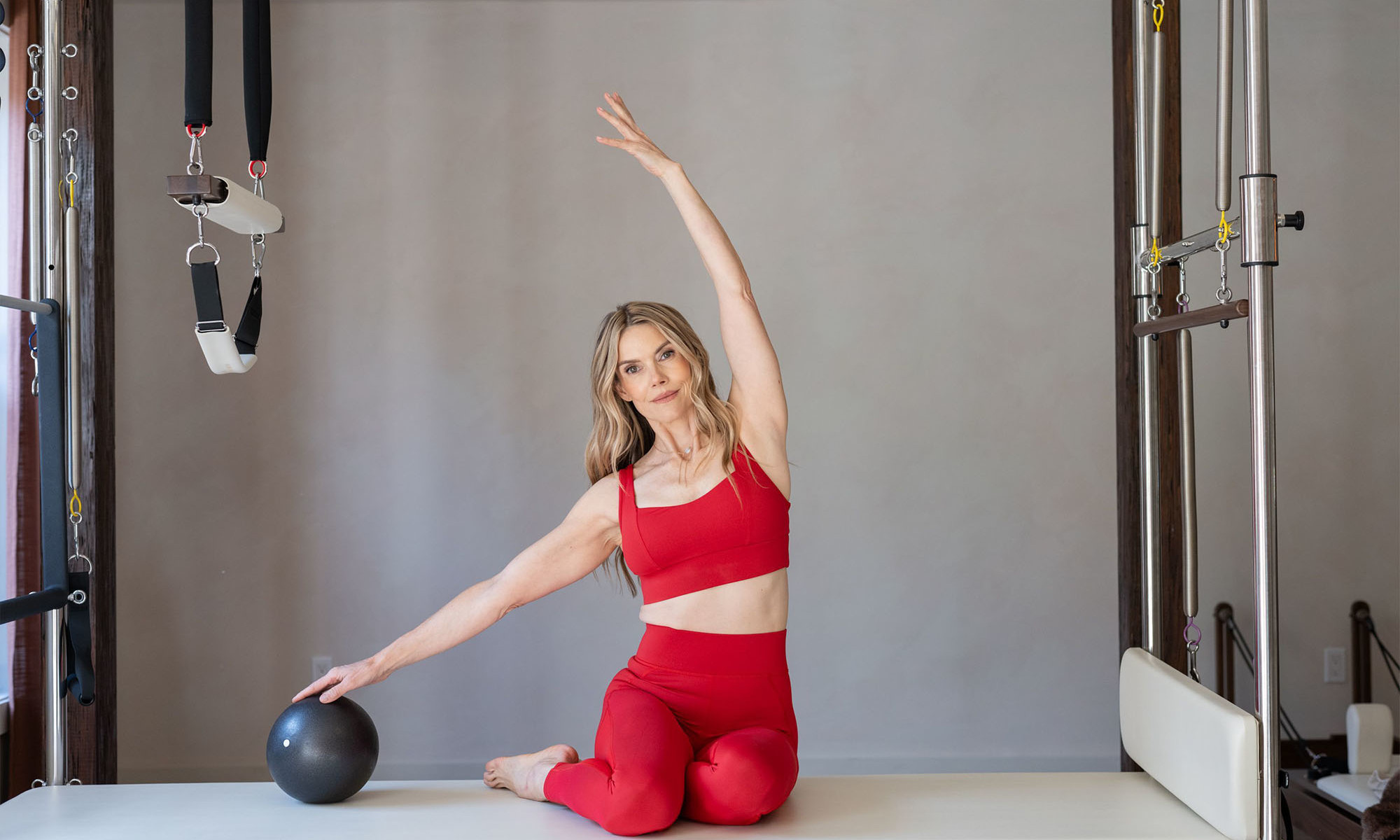

Registered Yoga Teacher and Personal Trainer
June 29, 2026 I have a drawer full of supplements—more than I would like to admit, honestly. Many of which were sent to me to try, but most didn’t stick (I even had a bad reaction to one not long ago). One that I have taken every single day for the last year and a half, one I truly feel a difference from, is creatine. A friend of mine, Colleen Wachob, reached out and asked if I wanted to try mindbodygreen’s creatine. I have known Colleen and Jason Wachob (co-founders and co-CEOS of mindbodygree) for at least fifteen years, back to when I was teaching at Equinox and shooting for Cody App. Jason was so far ahead of the game when it came to longevity and wellness, and I fell in love with both of them immediately. He started mindbodygreen in 2009, and watching what they have built over the years, and how carefully they vet everything they put their name on, is really something. So when Colleen reached out, I said, yes. Why not? I had been hearing things about creatine, but I was not really sure what to make of it. The only way to learn is to try something yourself. I originally thought of creatine in the context of gym bros and muscles (not for me). When I mentioned to my gynecologist that I had started taking it, I was completely unprepared for her response. She looked at me and said, “So am I, and I think every woman in menopause should be on it.” That was the moment I really started paying attention.
The link between creatine & estrogen
When I first started taking creatine, I didn’t realize that estrogen plays a role in how efficiently your body produces creatine naturally. As estrogen levels decline during perimenopause and menopause, creatine metabolism appears to become less efficient. Researchers suggest these hormonal shifts may contribute to lower creatine availability in muscle and brain tissue, which is one reason creatine supplementation is gaining attention for midlife women.*
When I first started taking creatine, I didn’t realize that estrogen plays a role in how efficiently your body produces creatine naturally. As estrogen levels decline during perimenopause and menopause, creatine metabolism appears to become less efficient. Researchers suggest these hormonal shifts may contribute to lower creatine availability in muscle and brain tissue, which is one reason creatine supplementation is gaining attention for midlife women.*
So supplementing is not just a gym thing. It is filling a gap that menopause creates, and the effects go well beyond your muscles.
Creatine is one of the most studied supplements out there, which is part of why I feel good about taking it.
At its core, creatine helps your cells produce energy, and when your cells have more energy to work with, a lot of things improve.* For women in midlife, research shows that this supplement1 helps preserve muscle mass, recovery from exercise, bone health, focus, memory, and mood.*
My mom called me to report that she thinks it even helped with hair growth.*
It also supports brain health*
Creatine also plays an important role in brain health, a role that I think gets overlooked.*
Creatine helps the brain produce energy2 the same way it does for muscles. And for women navigating perimenopause (when the cognitive symptoms can feel really alarming), this added support matters.*
Studies show it can improve memory and processing speed especially under stress and poor sleep, which honestly describes most of us right now.*
I’m recovering better & have felt my brain fog lift*
After a year and a half, I can tell you my brain fog is genuinely better. My mood is steadier in a way that feels different from anything else I have tried.*
My recovery from strength training is faster, and I notice it most on Tonal and in my workouts for my app, where I can push harder and bounce back sooner.* And I have this overall sense of steady energy throughout the day that is hard to describe but very real. Not a buzz—more like a foundation that was not there before.
How I take creatine
I take 3 grams of creatine monohydrate a day mixed into water, usually mid-morning or afternoon.
I get asked a lot if I gained weight when I started this supplement, and the answer is no. There was a little water weight in the very beginning (this can happen from creatine drawing water into the muscle), but it went away quickly.
I actually noticed more muscle definition after a month.*
I use mindbodygreen creatine with electrolytes+, which also provides electrolytes like sodium, potassium, and magnesium. It comes in lemon lime and orange (that I love). My mom takes the raspberry flavor with taurine at 5 grams. I think somewhere between 3 and 5 grams is the sweet spot for most women. You can experiment to find what works for you.
Part of why I’ve stayed with mindbodygreen specifically is that I know exactly what is in the supplement. It’s third-party tested, and I trust the people behind it completely. You can also mix it into smoothies or even coffee if you use the plain variety. And yes, the myth that coffee blunts the creatine effects is not true.
The takeaway
I never believe in one-size-fits-all when it comes to supplements or anything else. Knowing your own levels and doing annual blood work matters before adding anything new, and it’s important to talk to your doctor. But if creatine comes up in that conversation, I hope this gives you something real to work with.
I have tried a lot of supplements over the years, and for the most part, it is really hard to tell if any of them are making a difference.
If you are pregnant, breastfeeding, or taking medications, consult with your doctor before starting a supplement routine. It is always optimal to consult with a health care provider when considering what supplements are right for you.























.jpg&h=630&w=1200&q=100&v=c0f97a310e&c=1)