I trekked through the Andes to a crowd-free Inca city
As Machu Picchu struggles with crowds of tourists, Joanna Booth finds tranquility at an alternative ancient site
 ValVades

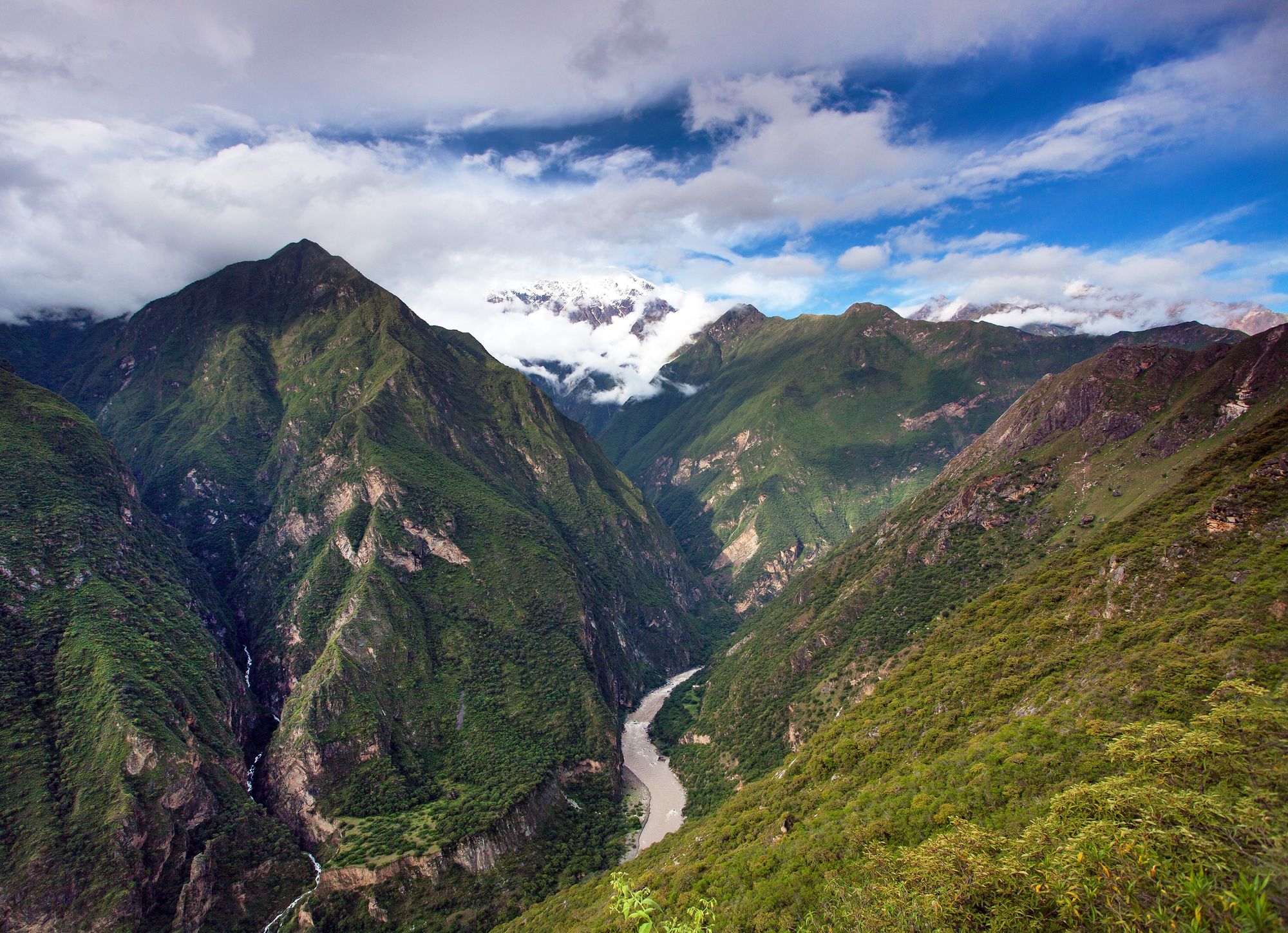
Mountains lie in rumpled splendour as far as the eye can see. Wisps of cloud shift and eddy; at this elevated altitude I’m sometimes below, sometime above, sometimes within them. Around me are the remains of an ancient Peruvian hilltop city – intricately constructed temples, houses and irrigation systems, all hewn from rock. At my feet is an almost sheer drop down into the Apurimac River Canyon.
The name in Quechua means “the speaking god”, and even here, 1,700m above its tumbling waters, I can hear the babble of the deity. There’s precious little in the way of other sounds to compete – no roads, no visible human settlements, barely another visitor. I’ve trekked for two days to reach this, the lost city of the Incas.
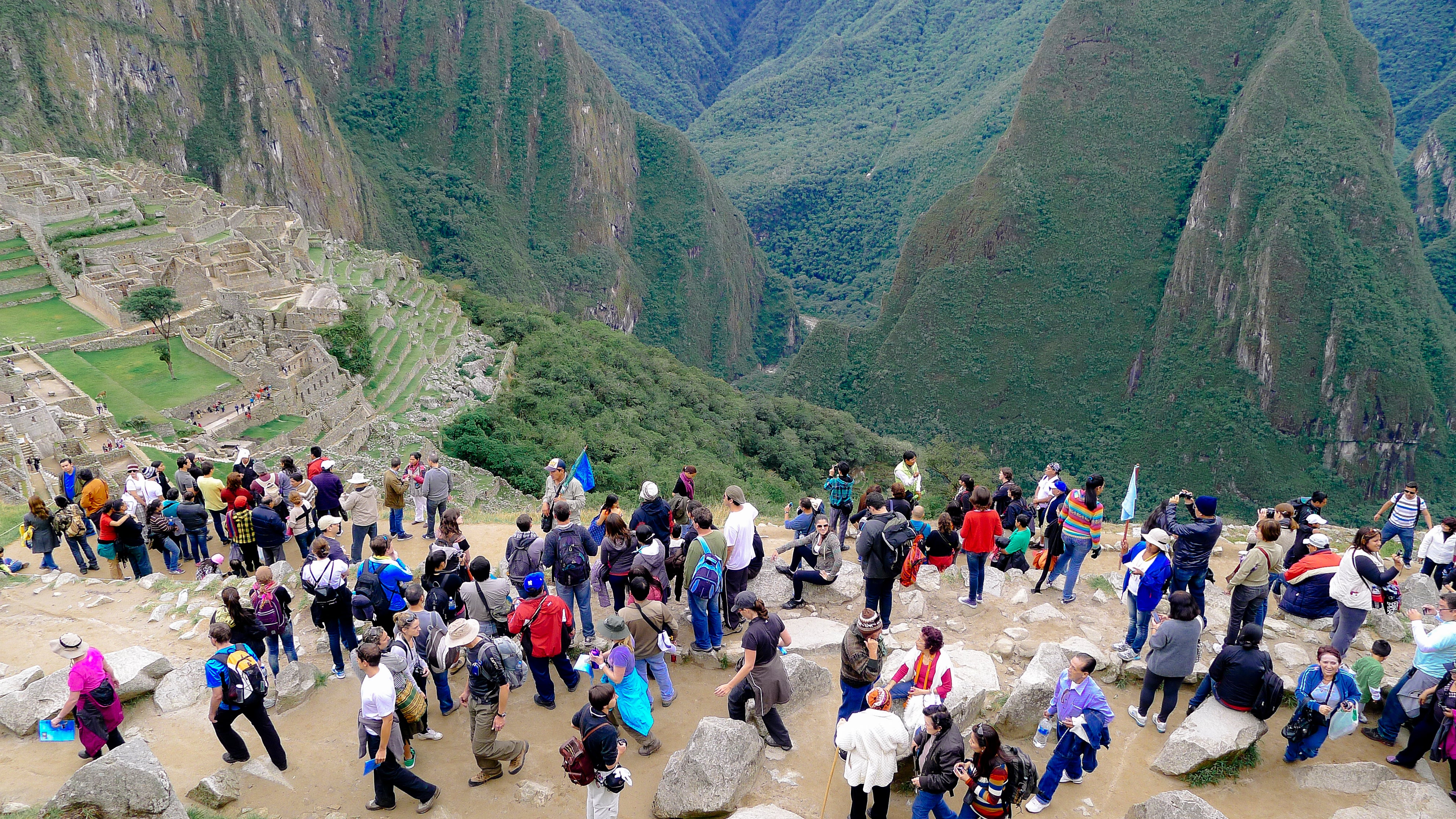
No, not that one. Machu Picchu is a marvel, truly deserving of being dubbed a wonder of the world, but it is no longer lost. Up to 5,000 tourists find their way there every day, and I’ve been one of them – twice. Back in 1999 when I hiked the Inca trail, visitor levels were unremarkable.
This year, visiting by train, it was a different story. My photos look fantastic. But what you don’t see is on the other side of the lens. The crowds, the queues. Queues to get in, queues along every footpath, queues to stand in a little slice of space to take your photos. The organisation is top notch, with different circuits and timed entry slots, but the whole experience is undeniably busy.
On some level it’s to be expected – would you complain that you didn’t get the Colosseum all to yourself? Perhaps what makes the crowds feel jarring here is the remote, mountain-top setting. Incan cities were always built close to the sky, bringing their residents into closer proximity to the gods. For me, spirituality couldn’t compete with the crowds at Machu Picchu.
It’s different at my alternative lost city. Choquequirao is a lesser-known Inca site, also 15th-century, three times the size of Machu Picchu but only partially excavated. It receives the same number of visitors in a year than its famous sibling does in a day.
When I visited there was just one other group besides mine. The tranquillity, the scale and beauty of the landscape and the absence of modern civilisation showed me how Inca lives could be so intrinsically intertwined with nature.
Tucked into a tranquil fold of the Vilcabamba mountains, Choquequirao might feel infinitely more remote, but it’s just 31 miles away from Machu Picchu as the crow flies. Like the far more popular Inca Trail, the trek takes four days – two out, two back – and starts from the high-altitude city of Cusco.
The first morning begins brutally early at 3am, with a five-hour minibus ride to the trailhead at Capuliyoc. Here I get my first glimpse of the Apurimac River, pencil thin at the bottom of the canyon, and realise with a gulp that I not only have to hike all the way down, but halfway back up the other side before I’ll reach tonight’s campsite. It’s an easy-sounding 8.6 miles, but add in 1,500m of descent and a further 700m of ascent, and you’ll realise why this hike is classed as “challenging” by tour operator G Adventures.
The terrain shifts as we descend, from breeze-rippled grassy slopes to dry, rocky paths flanked by spiny cacti, and so does the temperature – as our altitude drops and the day heats up I’m soon covered in a sheen of sweat, sunscreen and mosquito repellent. This is no walk in the park, but the experience is made immeasurably smoother by the G Adventures team, from the guides leading the way right down to the mules who carry the lion’s share of our kit on their backs.
Read more: The best cities and towns to visit in Peru
Our guides make a good trek great, not just pathfinding but cheerleading when we need it, and sharing their encyclopaedic knowledge of the region’s history. They stay with us, but the rest of the team moves ahead so that each lunch and dinnertime we find a hot meal waiting, and each night our tents are pitched and ready.
The chefs are exceptional, conjuring three-course meals with minimal equipment in the most remote of locations. On the second day we dine in the splendour of Choquequirao’s main plaza, and on the third night we arrive at Chiquisca campsite to be greeted with beers and a freshly baked cake to celebrate one of our group’s birthdays. G Adventures directly employs its all-Peruvian local team, giving them job security, and the families who run the three remote campsites we stay at also benefit.
Yet Choquequirao’s era of tranquillity may be nearly over. Controversial plans to construct a cable car with direct access to the site are in play, which would reduce a two-day journey on foot to just 20 minutes and bypass the campsites in the region entirely. Overtourism may become a problem overnight. In the meantime, those who travel the trail less hiked will find a lost city that hasn’t yet mislaid any of its solitary splendour.
How to do it
G Adventures’ five-day “Trek to Choquequirao” starts from £397, including one night in a Cusco hotel and four nights’ full board camping accommodation. Tents, sleeping bags provided, guiding and transport are included.
Flights from London Heathrow to Lima, with a stopover in Bogota (Colombia), start at around £650 with Avianca.




















.jpg&h=630&w=1200&q=100&v=1a56ad72fe&c=1)