I went on my first cruise in my 30s – here’s why every millennial should take one
Cruise companies are trying to shake off stereotypes to attract a younger crowd – after sailing solo from Livorno to Alicante on a luxury small ship, Deborah Cicurel is a convert
 Aliver

Here’s a travel riddle for you: I’ve been to four cities in five days, but I haven’t had to pack and repack my suitcase or check in and out of hotels. Even better, I haven’t had to organise plane tickets or figure out visa requirements, run to make connecting trains, or worry about delays. How have I done it?
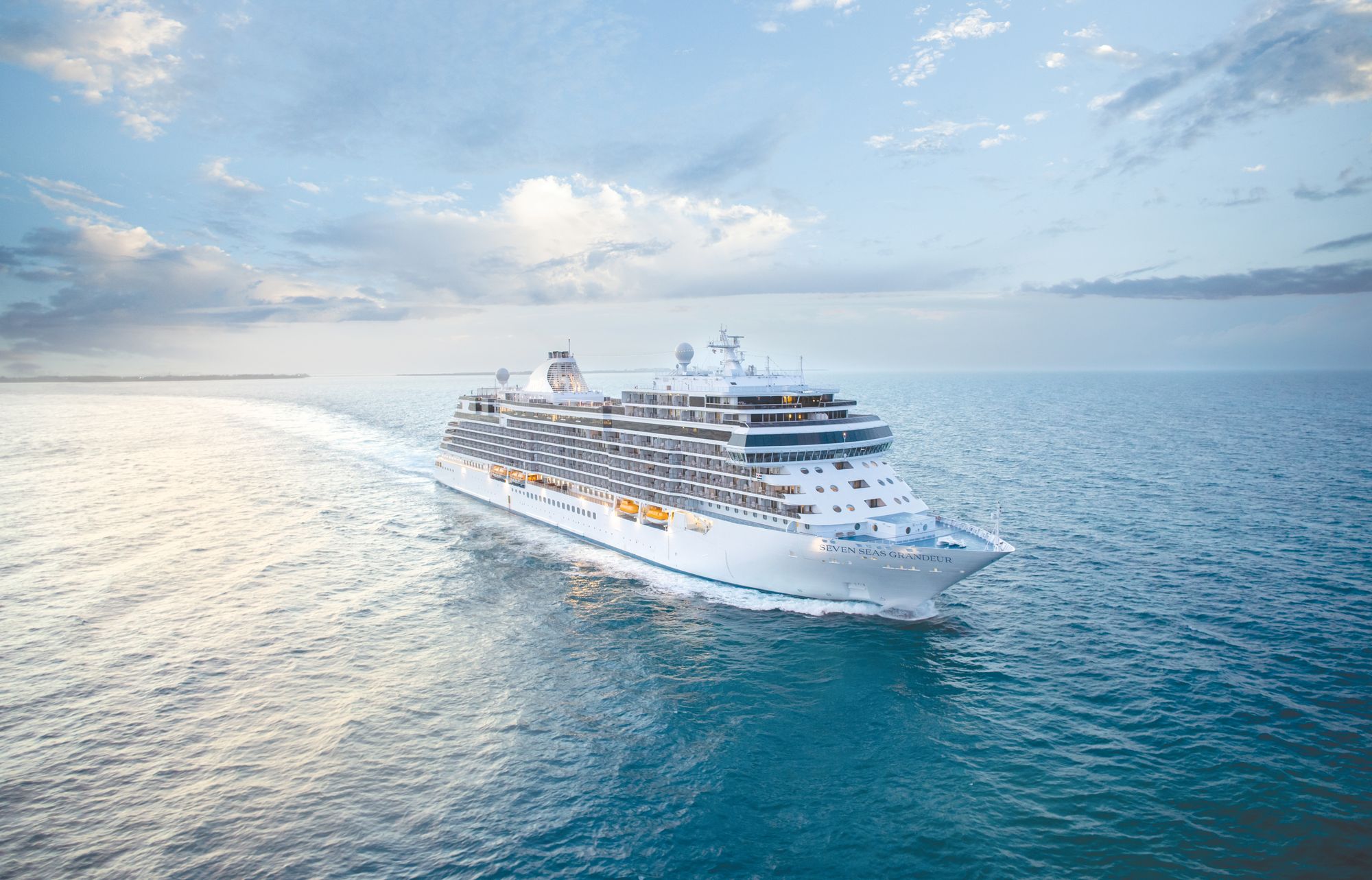
I am, of course, on a cruise. The Regent Seven Seas Grandeur, which sails from Livorno to Alicante, to be exact.
Far from only appealing to retirees – as the stereotypes may go – the convenience of cruises has led to an increase in bookings from millennials such as myself, drawn by the appeal of all-inclusive food and drink, hassle-free destination hopping, and pre-planned excursions.
Millennials are burned out, overworked and overwhelmed, and we suffer from decision paralysis. The constant buzz of notifications, an endless flow of information at our fingertips, and a culture of instant gratification can lead to overthinking about the smallest of decisions.
For my part, I was excited to have a brief break from a busy life juggling the demands of being a parent to young kids and working full-time, as well as the prospect of a few days of winter sun. On my first ever solo cruise, I’d be discovering new European cities and, most importantly, wouldn’t have to make any decisions other than what to have for breakfast.
The 2025 annual report by the Cruise Lines International Association (CLIA) showed that millennials now make up 22 per cent of global cruise passengers, with 81 per cent of those who have sailed before planning to cruise again. Royal Caribbean is particularly popular with under 45s – the company reports that almost half of its recent guests have been in this demographic. Cruise lines have been working hard to inspire the next generation of “seacationers”, and it’s clearly paying off.
Read more: I live in Malta but exploring it on a cruise revealed a totally different side to the archipelago
Stereotypes of cruises revolve around being trapped at sea with only naff entertainment, tired buffets and rounds of bingo to keep you busy. Keen to discover if these well-worn cruise cliches still have any truth to them I decided to join the short Regent Seven Seas Cruises sailing, which takes in Monaco and Palma de Mallorca.
As I boarded, I was immediately struck by the luxuriousness of the interiors. The ship felt enormous to me, but it’s the temporary home to a relatively modest 746 guests per voyage.
There are hundreds of sparkling chandeliers and fresh flower arrangements, an abundance of opulent furnishings, and even a 1,600-piece art collection worth £4.4m, including three Picasso works and even a Faberge egg worth nearly £900,000 (the only one to permanently reside at sea).
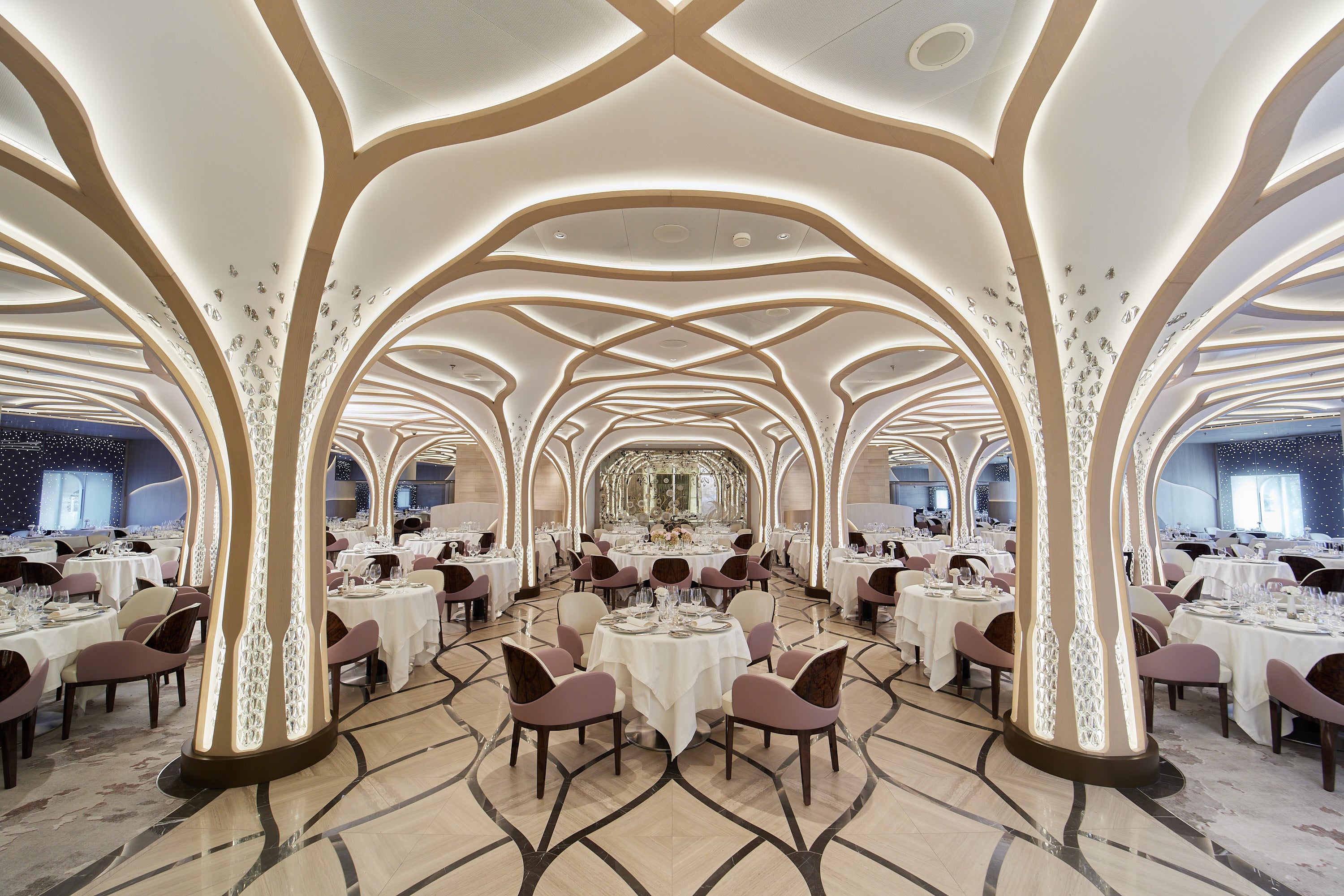
It’s like a floating five-star hotel with all the trimmings: a sprawling spa and swanky gym facilities, spacious suites with terraces looking out to sea, and eight lavish dining options offering gourmet food and wine, which are nothing like the crowded buffets I imagined before boarding.
When I did some number-crunching, I realised that the per-night cost offers far more value for money than a luxury hotel – and that’s without the included extras thrown in: unlimited beverages including fine wines, craft cocktails and speciality coffees, a raft of entertainment offerings from theatrical productions to comedy shows, and millennial food favourites, such as matcha lattes and tuna poke bowls, on tap. There’s also complimentary daily laundry, which is a lifesaver for those travellers who dread having to do a huge pile of washing on their return home.
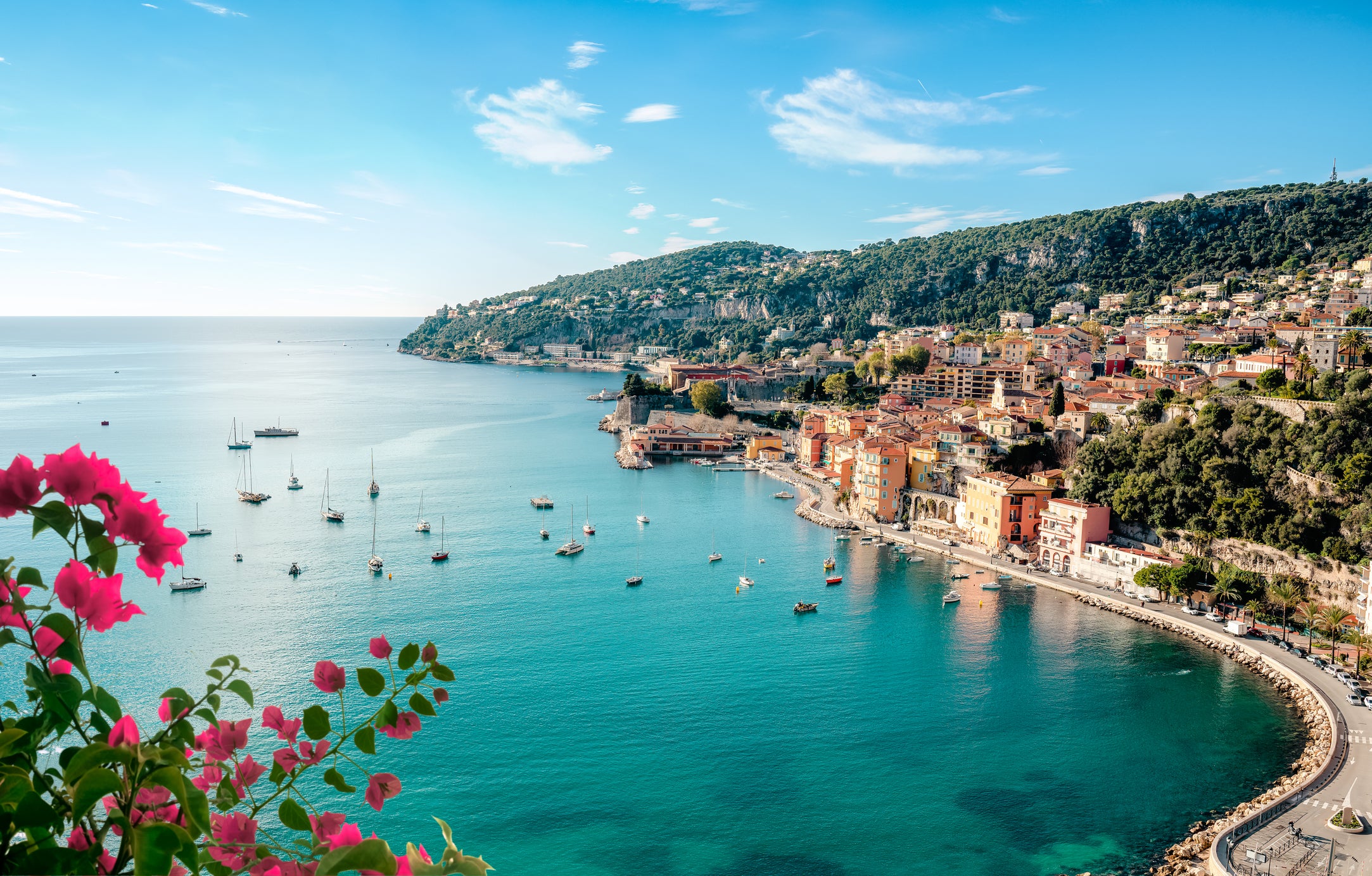
Most shore excursions are included too, and as I discovered on my first outing from Monaco, they’re seamlessly organised. All I had to do was mark down which trip ashore I wanted to go on from a long list of options – including walking tours, wine-tasting and gallery-hopping. I chose one which whizzed me around the Cote d’Azur.
After an early breakfast, I was on a coach by 9am, sipping cappuccinos in Villefranche and enjoying an expert-led tour of the palatial Villa Ephrussi de Rothschild in Cap Ferrat. The endless gardens were a particular highlight, filled with bright bougainvillea, bubbling waterfalls, towering bamboo groves, bristling cacti and olive trees which are hundreds of years old.
I was back on the boat in time for a sun-soaked lunch on the deck, having ticked off an item on my South of France bucket list without having had to make any logistical effort.
Read more: 9 best cruises to tick off your travel bucket list
In Palma de Mallorca, I signed up for a hop-on hop-off bus tour to efficiently explore the city in a day. The ease of the excursions is almost intoxicating, making my usual method of stumbling around with guidebooks and Google Maps seem far inferior.
I found that the cruise excursions were also a great way to get a small taste of places in order to decide whether I’d like to return. I’m already planning a weekend trip back to Palma de Mallorca, as one day left me wanting more.
Research shows me I’m not just a lazy traveller, but that this desire to delegate planning to someone more expert is a common trait among my generation. Rather than wanting to organise the minutiae of travel arrangements ourselves, increasing numbers of millennials would rather outsource their organisation to experts. When it comes to booking trips, millennials value new experiences, but they also prioritise saving time, which explains why data from a Travel Counsellors survey found that 44 per cent of millennials have booked a holiday through a travel agent or advisor in the past 12 months, compared to a national average of 31 per cent.
A cruise allows millennials to do so many of the things they love to do, like travel to new places, eat great food and snap fun pictures, without spending months fretting about securing museum entry or booking sold-out restaurants in advance. The cruise experience is, by its very nature, delightfully faff-free.
Even if you don’t want to get off the ship at every port, there are plenty of onboard diversions. There are sporting activities, such as padel, mini golf, a driving range and spin classes, as well as facilities catering to intellectual pursuits, such a well-stocked library stuffed with the latest hardbacks, and even lectures by international experts on everything from current affairs to history.
Of course, you’ll find classic cruise entertainment like bingo and bridge lessons, but far from the cruise-goer stereotype of “the newly wed, the overfed, and the nearly dead”, I saw groups of friends, intergenerational gangs and couples of all ages around the ship.
As my time onboard comes to an end, I wave goodbye to my temporary home at sea, head to the airport and watch Alicante get smaller and smaller from my plane window, musing about how I’d love to do this again. While I usually love to plan trips, it felt surprisingly freeing to have all the big choices taken out of my hands. A few days of being a passenger, coasting along with no worries or effort, has done me and my typically millennial cognitive overload the world of good.
Deborah travelled as a guest of Regent Seven Seas.
Read more: The best cruise ships to travel on in your lifetime
How to do it
For a similar cruise to Deborah’s, try the 12-night Beauty Under The Stars voyage on the Seven Seas Grandeur, departing from Valletta (Malta) on 20 October 2026. The all-inclusive cruise fare starts from £8,309 per person for a Veranda Suite. The price includes unlimited shore excursions, unlimited wifi, unlimited beverages including fine wines and spirits, speciality restaurants, pre-paid gratuities, and valet laundry service.
“Ultimate all-inclusive fares” include round-trip flights with the flexibility to choose desired air class and transfers between the airport and ship.