Is Riga set to be 2026’s coolest city break destination?
The capital of Latvia is undergoing a cultural renaissance, says Elise Morton. Here’s how to soak in its vibrant art scene, inspiring architecture and chic cafe culture
 FrankLin

The lobster painting in Riga’s Central Market has become my holiday landmark. I’ve now visited Latvia’s capital 10 times since 2017, and on each trip I make a pilgrimage to the seafood hall to pay my respects to that faded crustacean mural. Then I like to step outside to sip kvass from a plastic cup, the traditional fermented bread drink dispensed from enormous barrels at the food and drink stalls. It’s a ritual that anchors me in a city that refuses to stand still.
When I first arrived in Riga eight years ago, I couldn’t have predicted it would become my favourite Baltic city. I’ve since visited for art events such as the Riga Biennial (currently on pause) and Survival Kit festival, both of which are a testament to the creative energy of the city. But it wasn’t until I ventured beyond the colourful, cobblestoned Old Town (where stag parties stumble between medieval spires) that I understood what makes this city extraordinary.
Read more: The 10 best European city breaks – and where to stay this winter
Riga is experiencing a cultural renaissance that feels both organic and inevitable. Solvita Krese, director of the Latvian Centre for Contemporary Art, explains that the city’s art scene is defined by “intimacy and intensity”.
“It’s small enough that everyone knows each other, yet diverse enough to constantly surprise you,” she says. “It’s a place where post-Soviet history meets contemporary experimentation – vibrant, dynamic, and continually evolving.”
The National Library, affectionately known as the “Castle of Light”, is a symbol of Riga’s ambition. Completed in 2014, this striking contemporary structure on the banks of the Daugava River was designed by Latvian-American architect Gunnar Birkerts as a post-Soviet symbol of cultural rebirth – the moniker is a metaphor found in Latvian mythology symbolising lost wisdom and knowledge, now reclaimed. Though it’s in the neighbourhoods, which spread outward from the Old Town like rays, where the city’s real character emerges.
Northeast of the Old Town, the Briana Quarter has evolved into a thriving hub for alternative nightlife, with echoes of bohemian districts such as Berlin’s Kreuzberg or Barcelona’s Gràcia. The Labietis brewery serves inventive craft beers in industrial-chic surroundings, while the recently opened Skapis has quickly become a go-to destination for the city's LGBT+ community. For jazz enthusiasts, M/Darbnīca offers live music, an art gallery, and vinyl DJ sets – a microcosm of Riga’s varied creative scene.
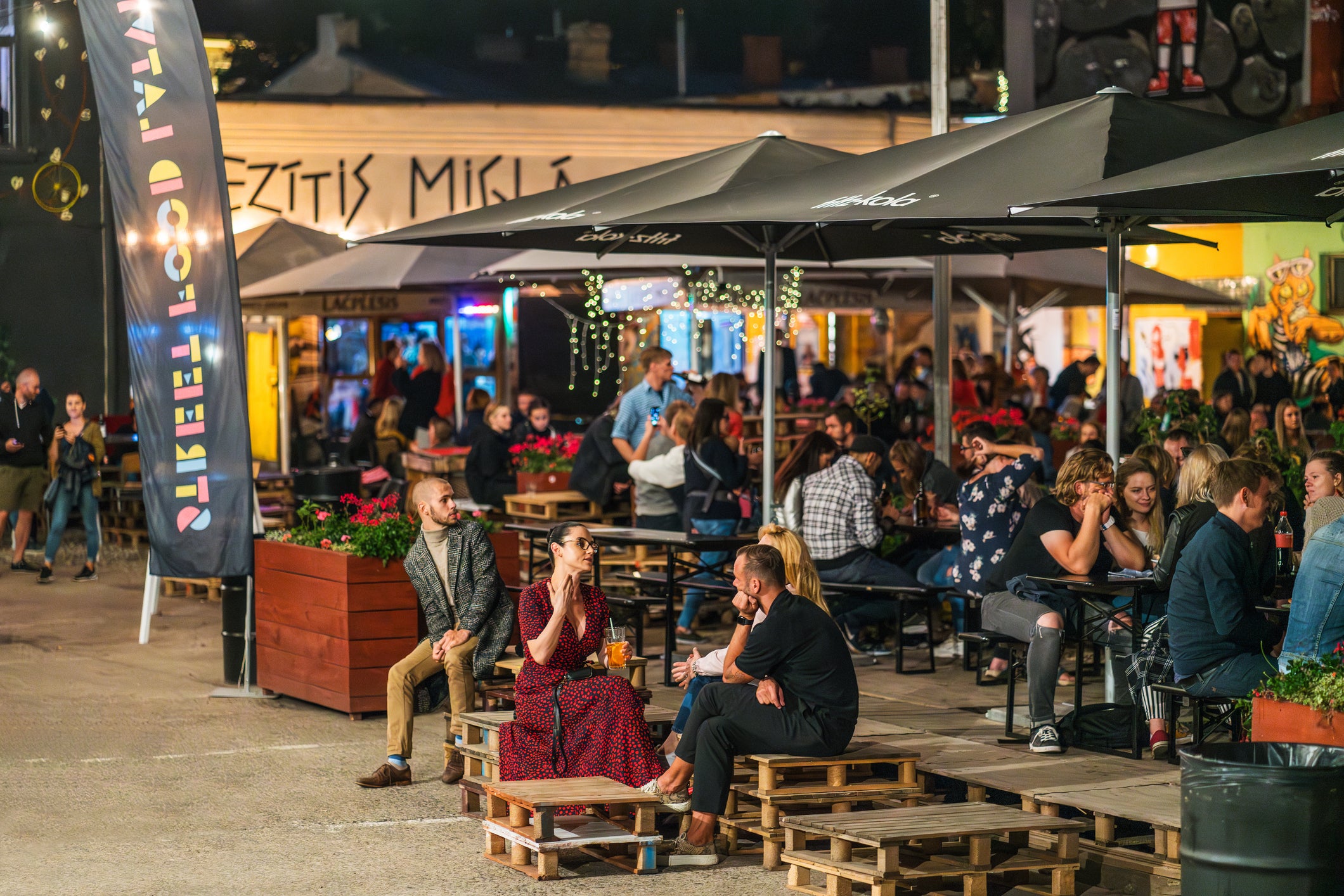
Almost next door, the Tallinna Street Quarter pulses with creativity. There are murals cascading down the building’s facades, food stalls that emit aromatic smoke, and it plays host to impromptu art performances.
Art Nouveau is the dominant style of architecture in Riga, with over 800 buildings showcasing the style – more than any other city in Europe. Alberta iela is the street with the best examples, but wander off the main thoroughfares and you'll discover ornamental facades featuring screaming masks, mythological creatures, and peacock motifs.
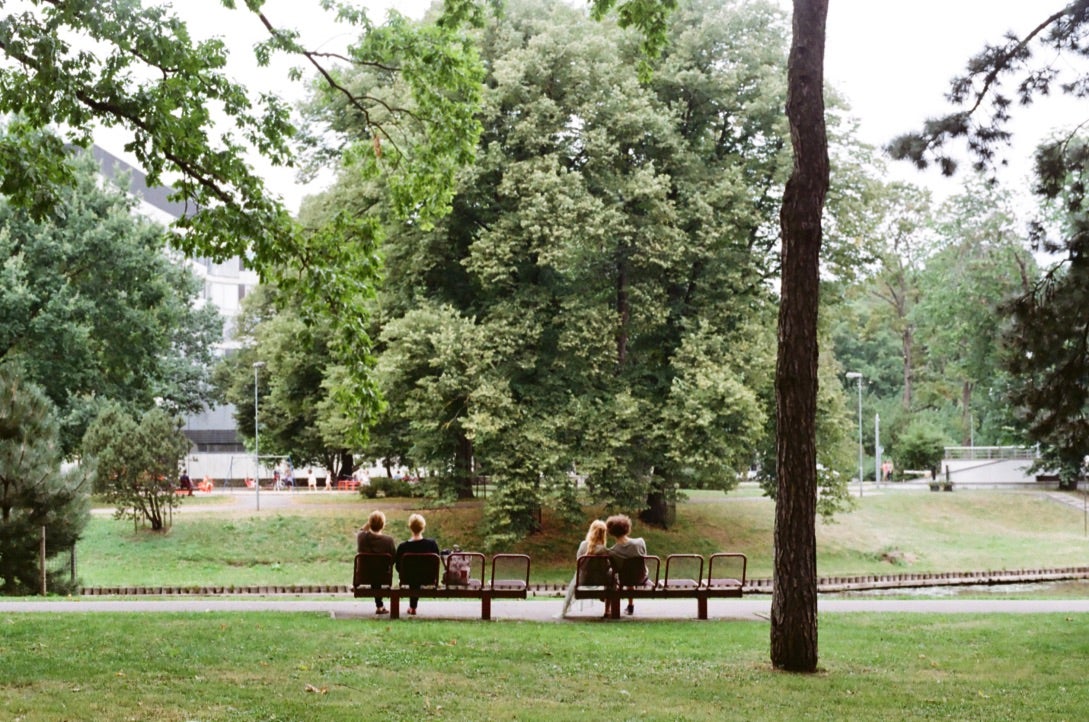
Between sightseeing, a stroll through the parks dotting central Riga – like Bastejkalna Park with its winding paths and canal – the views are the perfect place to pause and take a breather.
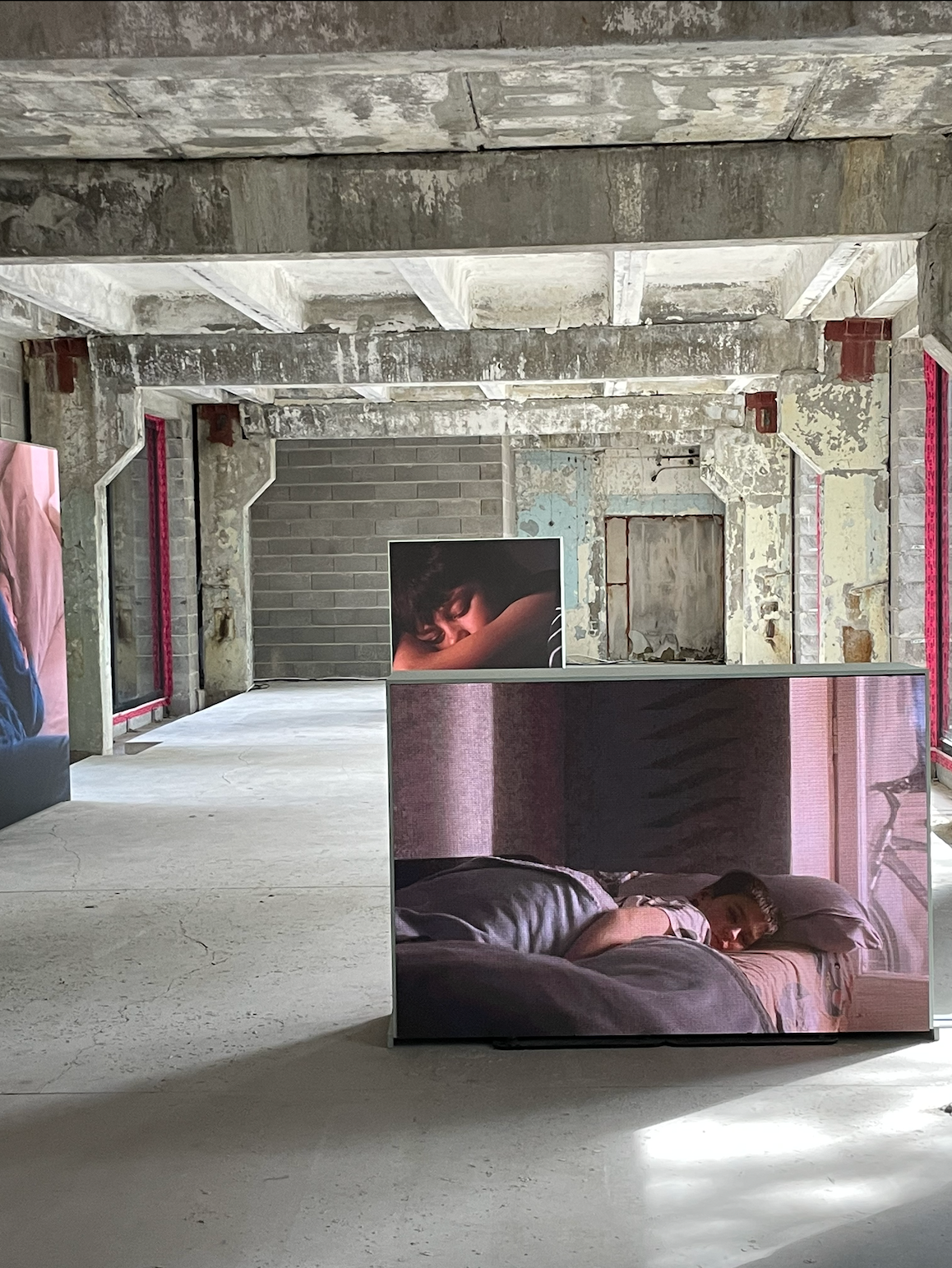
In terms of contemporary art, the landscape is rich. Krese recommends several essential stops: the Latvian Centre for Contemporary Art, with its nomadic exhibition projects, and Kim? Contemporary Art Centre both shape Riga’s curatorial and critical landscape. In addition, the Latvian National Museum of Art offers a wide-ranging programme that connects historical and contemporary perspectives, and Riga Art Space in the city centre often hosts ambitious institutional exhibitions.
Katrīna Jurkevica, executive director of Zuzeum (the Latvian National Museum of Art), shares her must-visits, including her own establishment and galleries such as ASNI, XO, and ISSP. Also on her list are Zuzeum Art Centre’s the Zuzāns collection, which has the largest private collection of Latvian art in the world – a highly recommended spot for understanding the country’s artistic evolution.
The city’s commitment to art extends even to accommodation – the Ola Foundation in Ķīpsala offers a handful of rooms within an active art space, allowing visitors to sleep surrounded by exhibitions and installations. It’s an extraordinary example of how much art is woven into the fabric of life in Riga.
If embarking on a Latvian art odyssey leaves you hungry, try my personal favourite, Mīkla Bakery. It has become legendary for its sourdough bread and pastries that marry Nordic precision with Latvian ingredients.
For coffee, Jurkevica and Krese both champion Kalve Café. “Kalve is the go-to spot – perfect for working, meeting friends, or just enjoying a great cup of coffee in a beautifully designed space,” Jurkevica confirms. Krese adds: “The locally roasted coffee and minimalist design create a perfect atmosphere.”
Read more: TikTok reveals the travel destinations most popular among Brits
The restaurant scene has matured impressively. Krese describes it as having “become a creative ecosystem of its own”. Ozīriss dates back to the 1990s and “remains beloved for its understated elegance and as a meeting place for the city’s intellectual community”.
Krese adds that Trīs Pavāru Restorāns “experiments playfully with Latvian flavours” and Smor “reimagines Nordic cuisine through minimalist precision”.
For provisions, the Central Market is non-negotiable. Housed in repurposed Zeppelin hangars, it’s one of Europe’s largest markets and a living monument to Baltic trade culture.

Beyond my beloved lobster painting, there are stalls selling everything from smoked fish to wild mushrooms, honey, and pickles. The energy here is infectious. Look up from the market and you’ll catch the imposing silhouette of the Soviet-era Latvian Academy of Sciences building – a reminder of the city’s layered history.
For a deeper understanding of that history, the Museum of the Occupation offers a sobering but essential perspective on Latvia’s experience under Soviet and Nazi rule.
If you want to take a slice of Riga cool home with you, the city’s design and fashion scene has plenty of opportunities. Krese points to Mareunrol’s, whose conceptual tailoring bridges art and fashion. The brand will represent Latvia at the Venice Biennale in 2026 alongside artist Bruno Birmanis.
“The Kalnciema Quarter market is perfect for discovering independent makers – from ceramicists to textile artists – in a relaxed, creative atmosphere,” Krese adds.
For Latvian design and refined fashion pieces, Jurkevica recommends RIIJA, Buterman Studio, as well as Iveta Vecmane’s boutique. The soon-to-open Skarule Shop is also one to watch.
A piece of advice from Krese that resonates deeply with me is: “Don’t just stay in the Old Town”. It’s beautiful, but Riga’s most authentic side lies beyond it. She recommends exploring the wooden architecture and cafes of Āgenskalns, wandering along Mieraiela’s bohemian stretch, or visiting the Central Market. “Riga’s essence lies between the historic, the local, and the quietly avant-garde,” she says.
Read more: This French Riviera town is perfect for an art-filled getaway
Jurkevica echoes this sentiment: “Every experience in Riga can be beautiful – the best way to get a feel for the city is to plan your visit around your own interests rather than following the typical tourist routes.”
Between its art credentials, inspiring architecture and cafe culture, Riga is a strong contender for Europe’s new capital of cool.
How to get there
AirBaltic operates direct flights from London Gatwick to Riga International airport, with flight times of approximately 2hr 45min. Prices start from £85 return. Alternatively, Ryanair flies from London Stansted to Riga, with return fares from £60.
Where to stay
Grand Poet Hotel is an elegant, art-driven boutique hotel featuring interiors created in collaboration with local designers. It is located in the historic centre district. Rooms start from £150 per night, not including breakfast.