macOS 27 to refine the Liquid Glass design approach, but nothing too dramatic
Apple is reportedly refining the Liquid Glass interface in macOS 27 to improve readability, transparency effects, and overall usability without major design changes.
 FrankLin

Digital Trends may earn a commission when you buy through links on our site. Why trust us?
The futuristic UI is staying, just with fewer quirks.
 Apple
Apple
Whether you like it or not, it’s “clear” that Apple is not giving up on Liquid Glass. It is just trying to make it a little less… blindingly futuristic on Macs.
 Apple
Apple
After the mixed reception to macOS Tahoe’s translucent interface, Apple is reportedly preparing a softer, cleaner version of the design language for macOS 27. But if anyone was expecting a dramatic rollback, that is apparently not happening.
What’s new with Liquid Glass in macOS 27?
According to Mark Gurman’s latest Power On newsletter, Apple is preparing what insiders reportedly describe as a “slight redesign” for macOS 27 to address complaints surrounding the Liquid Glass interface introduced in macOS Tahoe.
 Apple
Apple
The biggest issues reportedly involve transparency effects, shadows, and readability problems in areas like Finder, Control Center, and apps with dense sidebars or text-heavy layouts. On larger Mac displays, some of these glass-like effects can make interface elements harder to read or visually confusing.
 Apple
Apple
Part of the problem seems to be the hardware itself. Gurman notes that Liquid Glass was originally designed with modern OLED screens in mind, like the ones found on newer iPhones and Apple Watches. Macs, meanwhile, still largely rely on LCD panels that do not render translucency and layered effects as cleanly. That mismatch is reportedly what Apple now wants to refine in macOS 27.
Apple isn’t backing away from Liquid Glass
Despite the criticism, Apple reportedly still sees Liquid Glass as a net positive and a major part of its future design language. So instead of removing it, macOS 27 is expected to focus on refining the experience. Reports suggest Apple is adjusting shadows, transparency behavior, contrast, and readability to make the interface feel more polished without dramatically changing how it looks.
 Apple
Apple
And honestly, this sounds very similar to what happened after iOS 7. Apple introduced a bold visual redesign, got hit with complaints, then spent the following release quietly sanding down the rough edges instead of starting over. Gurman even directly compares the situation to the iOS 7-to-iOS 8 transition. That also lines up with broader rumors around iOS 27 and macOS 27, which are both expected to focus more on refinement, bug fixes, battery improvements, and usability rather than giant visual overhauls.

Varun is an experienced technology journalist and editor with over eight years in consumer tech media. His work spans…
Asus reveals ROG Strix XG129C, a tiny secondary monitor chasing Elgato’s gamer lunch
The secondary display category has been waiting for a product that combines a proper screen, real color accuracy, and gaming ecosystem integration in one tidy package.

If you’ve ever wished your work desk had a dedicated screen for reviewing your system’s performance, chat windows, or streaming controls, so that you don’t have to disturb your main monitor, Asus has heard you.
The ROG Strix XG129C is a 12.3-inch secondary display with a touchscreen, designed to sit beneath your primary monitor and handle everything that could be a distraction on your main screen, and it costs $199.
Intel’s turnaround is one for the ages, without having much to show for it
Wall Street is betting big on Intel before the results arrive
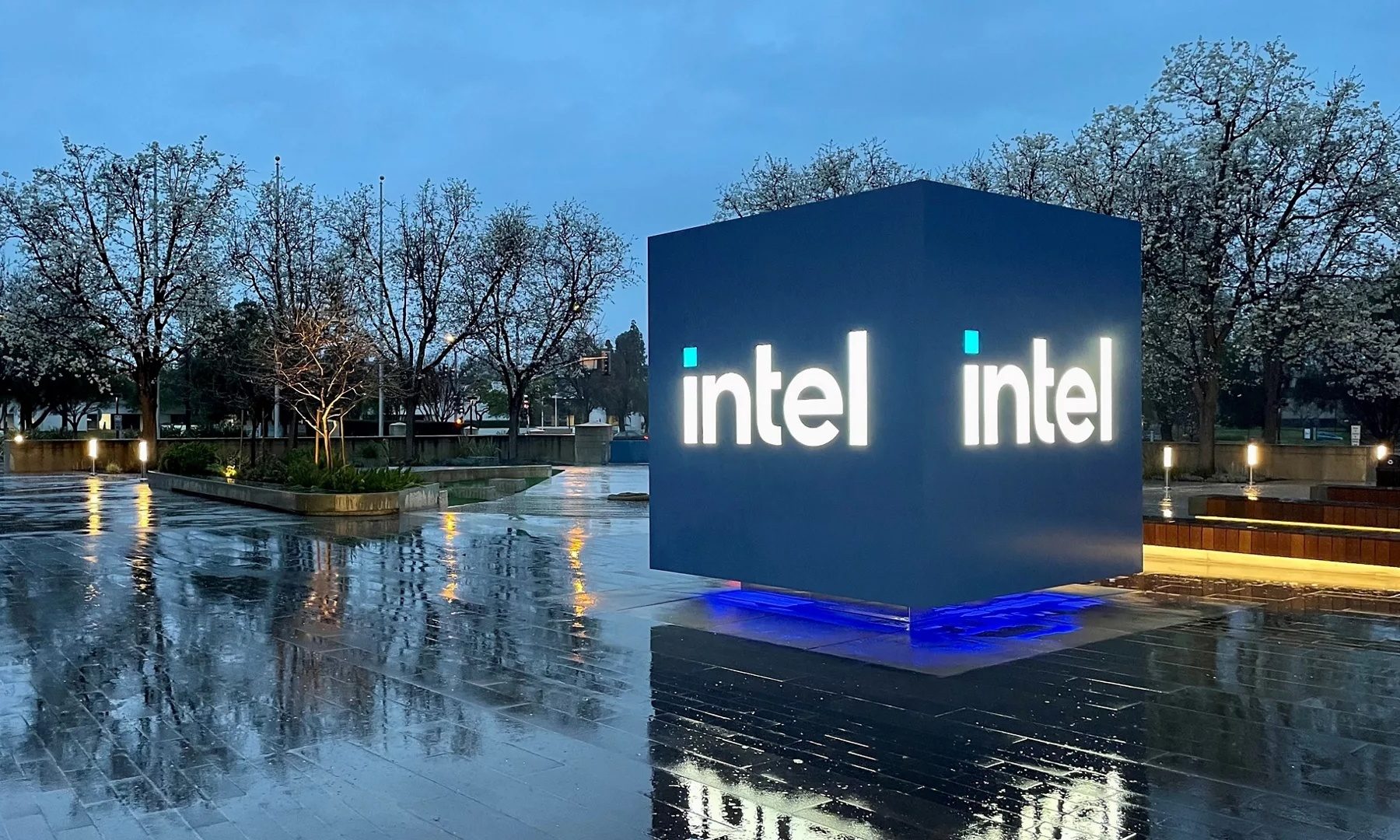
Intel’s comeback has become one of the market’s biggest surprises. Its stock has risen nearly 490% over the past year, pushing the company back into record territory and reviving confidence in a chipmaker many had written off.
The problem is that Intel still has little product success to justify that excitement.
Apple’s Continuity features are so good, they make Windows and Android feel incomplete
Android and Windows try, but Apple's ecosystem is on a whole different level.

Windows and Android platforms have been trying to catch up to Apple's ecosystem. And honestly, in some areas, they have succeeded. But replicating a feature here and there is very different from pulling off what Apple has built. The seamless, almost invisible way all of Apple's devices work together is genuinely hard to replicate.
Apple calls these Continuity features. You can use these features to seamlessly transition from one device to another, unlock devices without entering passwords, transfer files, and much more.