The Future of Social Media Trends in 2026
Social media evolves fast. What’s trending today could be outdated by next month. Brands that don’t adapt risk getting left behind. Marketers who fail to adapt will struggle to stay visible, let alone competitive. Looking ahead to 2026, major...
 Fransebas
Social media evolves fast. What’s trending today could be outdated by next month. Brands that don’t adapt risk getting left behind. Marketers who fail to adapt will struggle to stay visible, let alone competitive.
Looking ahead to 2026, major shifts in content, engagement, and platform evolution are shaping the next era of social media. Brands that want to win need to stop chasing vanity metrics and focus on what actually works: valuable content, community building, and smart social listening.
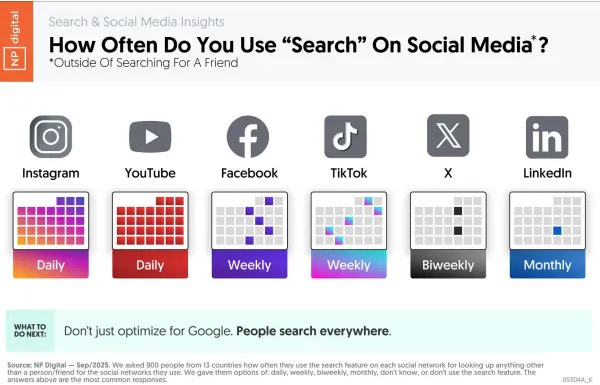
The biggest change is how people use social platforms. They are not just scrolling. They are searching, comparing, researching, and asking questions across social channels the same way they use traditional search engines. AI is tightening this loop even more by summarizing information, elevating high-quality content, and influencing what people see first.
This means your strategy has to account for a world where social content fuels discovery, credibility, and even search visibility. The brands gaining ground are the ones creating content that answers real questions, serves real intent, and earns genuine engagement from the communities they want to reach.
In this post, we’ll break down the biggest social media trends for 2026 and how you can stay ahead of the social media marketing curve.
Key Takeaways
Social platforms are becoming search engines. People are using TikTok, YouTube, Reddit, and Instagram to look up answers, compare options, and make decisions faster than ever. AI is reshaping what users see. Models summarize content, elevate clearer answers, and influence reach based on how well your content aligns with intent. Discovery is starting on social. For many consumers and even B2B buyers, social platforms are now the first stop in the research process, not the last. Video keeps winning, but format preference is shifting. YouTube is becoming a research destination, short-form video is still rising, and creators are shaping buying decisions more directly. Platform behavior is fragmenting by generation. Younger users search differently than older ones, and brands need to adapt content, tone, and formats to match multi-platform habits. Algorithms reward structure. Clear, searchable, high-quality content that answers real questions performs better than high-volume posting or vanity metrics. Brands need to build for communities, not feeds. Authentic conversations, creator collaborations, and real user insights are driving trust and shaping perception.Social Platforms Are Becoming Discovery Engines
People are using social media the way they once used search engines. Instead of going straight to Google, they turn to TikTok, YouTube, Reddit, and Instagram to find real experiences, quick breakdowns, and authentic recommendations. Your audience often discovers your brand before they ever hit your website.
This shift means discovery is now happening inside feeds and social search bars. If your content does not answer questions clearly or show real value, you miss the moment when people are actively looking for direction. The brands that win will be the ones creating content that shows up early, answers intent quickly, and earns trust before the research journey ever reaches traditional search.
AI Is Reshaping What Users See Across Social
AI and LLMs now play a major role in what users see. Models analyze clarity, structure, and usefulness more than sheer volume. Content that solves problems or answers questions travels further than posts engineered for empty engagement.
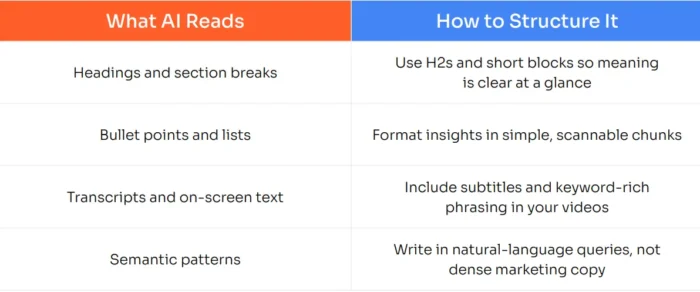
This puts a spotlight on quality. If your content is clear and intentional, algorithms are more likely to surface it. If it is vague or overly polished without substance, it gets buried. Treat every post as an answer to a user need, and the platforms will do more of the distribution work for you.
Social Search Is Overtaking Traditional Search for Early Research
More people start their research on social platforms than on traditional search engines. They want quick explanations, real user takes, and creator-driven insights. They type questions directly into TikTok or YouTube and expect clear, straightforward answers.
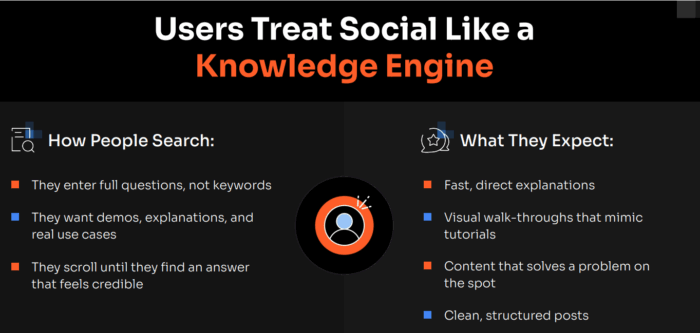
This makes social search the new top of funnel. If your brand is not showing up in these searches, you are missing the first stage of the buying journey. Focus on creating content that mirrors what users type into search bars. Clear titles, descriptive captions, and intentional phrasing help your content rise.
Short-Form Video Is Evolving Into a Research Format
Short-form video still dominates, but the reasons people engage with it are shifting. Users rely on short clips to learn, compare, and get clarity quickly. A thirty-second video can walk someone through a process or compare two options better than a long caption ever could.
To stand out, your videos need more than entertainment value. They need to be small teaching moments that help viewers make decisions. Simple visuals, strong hooks, and straightforward explanations make short-form video a stronger bridge between curiosity and action.
YouTube Is Becoming a Primary Research Destination
YouTube has become a go-to resource for deeper research. People watch step-by-step guides, product breakdowns, and long-form tutorials to understand topics more fully. This behavior often sits in the middle of the buying journey, where trust starts forming.
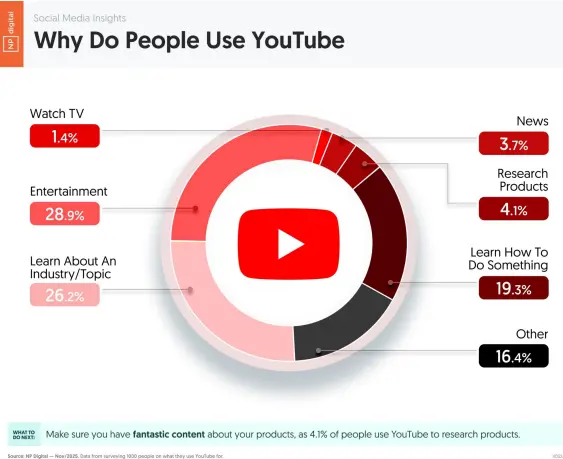
Brands that create educational content position themselves as credible guides. You do not need cinematic production. You need helpful structure, clear teaching, and content that answers the questions viewers care about most. When you do that, YouTube becomes a consistent driver of trust and high-intent traffic.
Creators Are Becoming the New Trust Layer
Creators continue to shape how people perceive brands. Users trust creators because they speak plainly, share real experiences, and explain products in ways that feel relatable. When a creator talks through a product naturally, it carries more influence than a polished brand ad.
This changes how brands build credibility. Working with creators who truly understand your audience can help you meet people where they already spend their time. Real voices, not brand scripts, are what people rely on when deciding whether a product is worth it.
Social Behavior Is Splitting by Generation
Different age groups now use social platforms for very different reasons. Younger users treat social as a search tool. They look for answers, reviews, and tutorials. Older users still rely on social for updates and connection, but their research patterns vary.
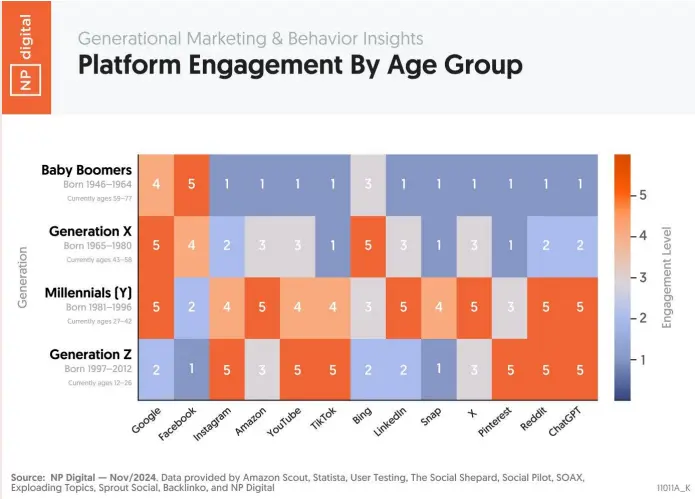
Because of this divide, brands need flexible content strategies. One format or tone will not fit every audience. You may need short explainer videos for younger users and in-depth guides or community conversations for older ones. The more you match the behavior of each group, the better your content performs across the board.
Algorithms Prioritize Structured, Searchable Content
Algorithms are increasingly designed to recognize content that offers clarity and utility. Posts that are easy to understand, easy to categorize, and easy to match to user intent rise faster in feeds and search results.
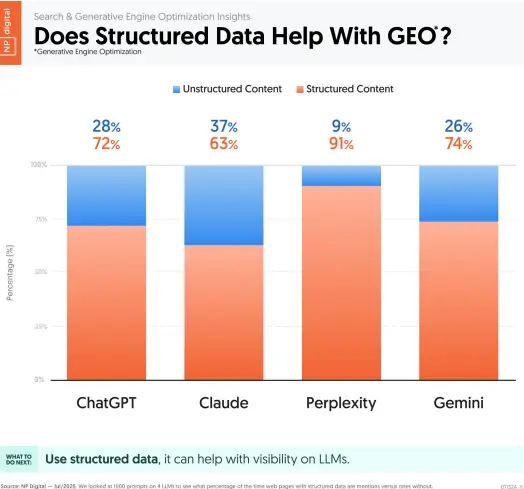
This makes structure a competitive advantage. Strong hooks, organized ideas, helpful descriptions, and clear language tell platforms exactly what your content is about. When people and algorithms understand your message instantly, your reach naturally expands.
AI-Assisted Content Workflows Are Becoming Standard
Marketers are using AI for brainstorming, planning, drafting, repurposing, and analyzing content. It speeds up production and helps teams adapt quickly when trends shift. The real advantage is not automation. It is consistency.
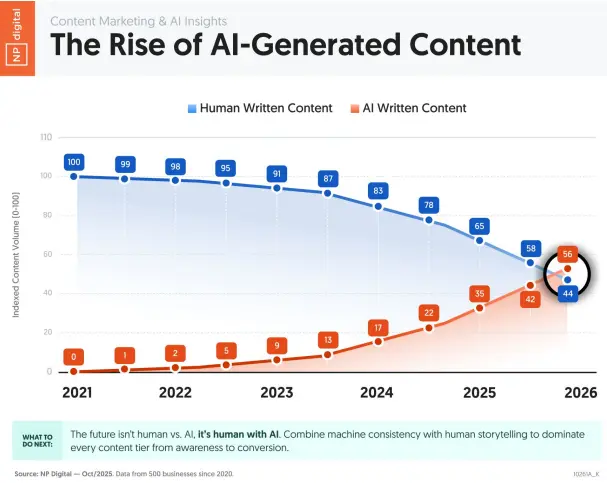
Brands that use AI well publish with more clarity, more frequency, and more strategic alignment. AI removes bottlenecks but still relies on human direction. Teams that build smart workflows can create high-quality content at scale without sacrificing voice or relevance.
Community and Social Proof Are Replacing Vanity Metrics
Followers and likes do not matter as much as they used to. What matters now is whether people trust you. Community conversations, user-generated content, comment threads, creator mentions, and real reviews influence decisions far more than big follower numbers.
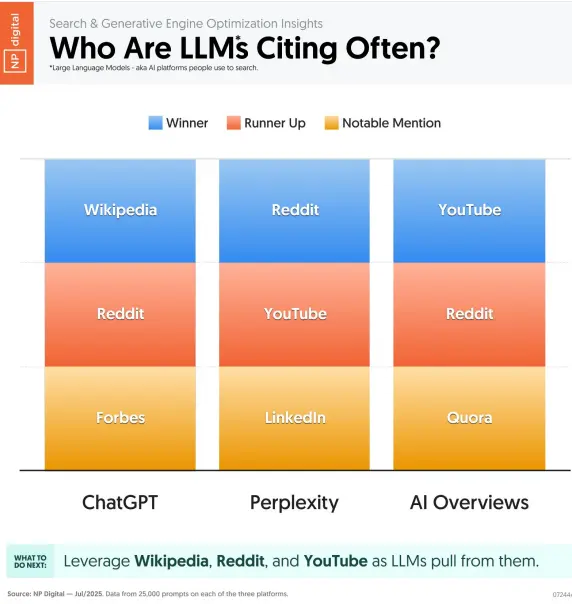
People look for proof from other users before they buy. If your brand creates spaces for conversation and encourages genuine participation, you build the kind of trust that turns attention into action. Social proof carries more weight than standard advertisements on social in many cases and industries.
FAQs
What is the future of social media in 2026?
Social platforms are becoming discovery engines. People search, research, and compare brands on TikTok, YouTube, Reddit, and Instagram before they ever hit Google. AI shapes what they see, so clear, useful content will win in 2026.
What social media trends should you be aware of in 2026?
Expect more social search, AI-assisted content planning, smarter algorithms, and a bigger push toward video and creator-led trust. Users want quick answers, not filler.
How important is short-form video in 2026?
Still essential. Short-form video now acts as a fast research tool, not just entertainment. Simple explanations, clear hooks, and searchable language make the biggest impact.
How can brands leverage social commerce?
Make buying feel seamless. Use strong visuals, creator content, real customer proof, and frictionless checkout. Keep answers clear so users feel confident buying without leaving the platform.
Why is brand authenticity so important on social media?
People trust humans, not polish. Authentic content builds credibility, fuels social proof, and helps algorithms understand what your brand stands for.
Conclusion
Social media is changing fast, but the biggest shift is how people use it. In 2026, social is not just where people scroll. It is where they search, learn, compare, and decide what brands they trust. AI is shaping what users see, which means your content needs to be clearer, more useful, and built around real questions people are asking.
Brands that focus on intent, structure, and community will win. Not because they post the most, but because they create content that helps people make better decisions. If you adapt early, stay curious, and keep testing new formats, you will stay ahead while everyone else plays catch-up.
The rules are changing. The opportunity is growing. Now is the time to rethink your social strategy and build for the way people actually use social today.