This surprise Baltic capital proved to be the perfect winter city break
History, geopolitics, snow, markets and a giant Tony Soprano statue. Rich Booth discovers that Vilnius at Christmas has it all
 Konoly
.jpg?width=1200&height=800&crop=1200:800)
“Now spread your feet and face the wall,” my guide barked at me just hours after landing in Vilnius. “You can tell this is your first time in jail.”
It is not the most festive way to begin a Christmas city break with your mum and step-dad. The lights are flickering, not twinkling, and there are no carols or mulled wine. Instead, there is an order echoing off concrete walls inside a former Soviet prison, delivered with enough menace to make me play along.
Lithuania’s Lukiškės Prison closed in 2019, but for more than a century it housed political prisoners, criminals and dissidents in conditions so grim it is hard to reconcile them with the cheerful cafés and festive stalls just minutes away.
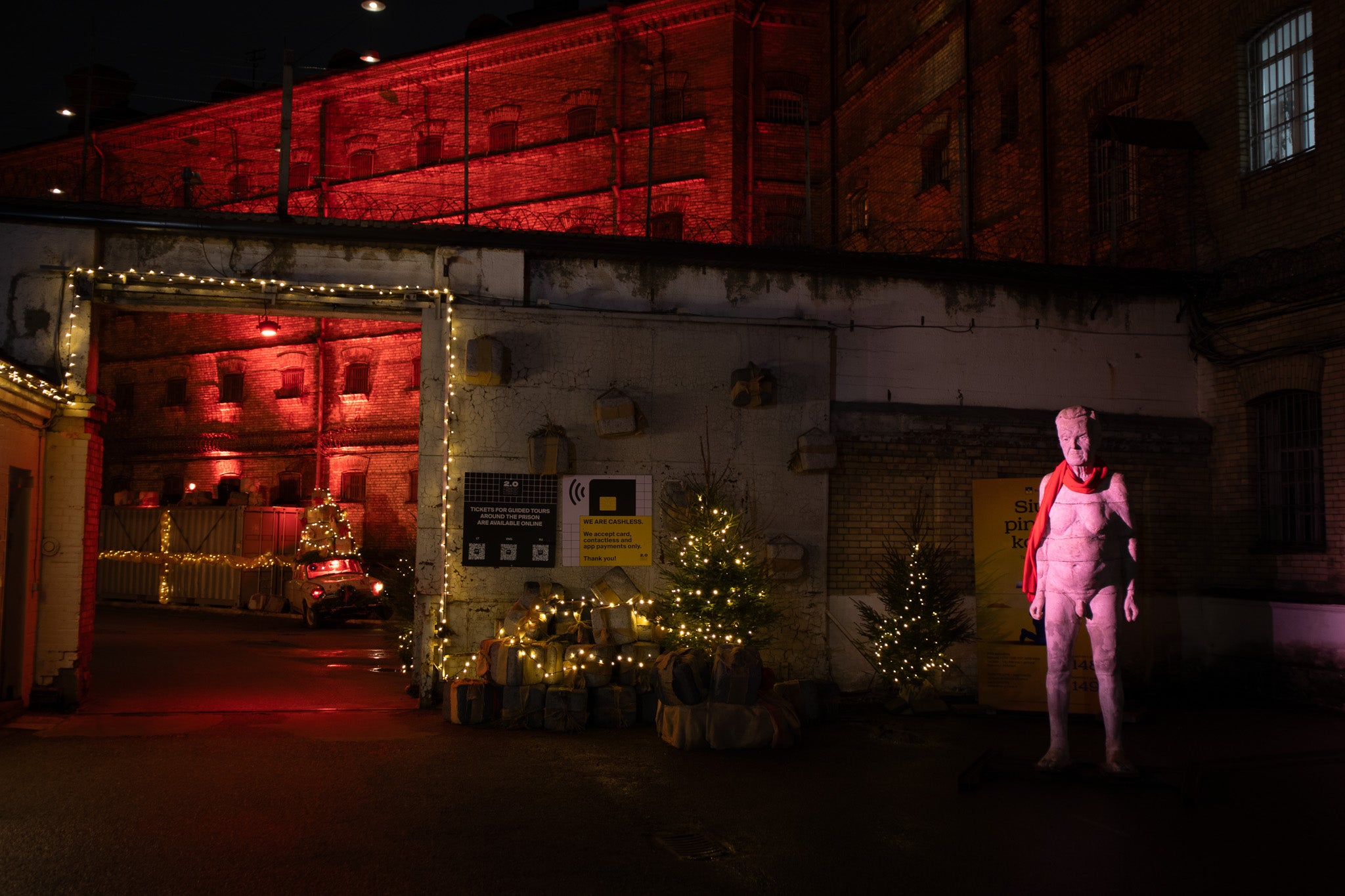
The mock search is part of an abrupt guided tour, and, in a way, is a good introduction to my Christmas in the capital, Vilnius: surprising and upfront, a city that uses its chequered history to entertain and educate guests.
Read more: Is Riga set to be 2026’s coolest city break destination?
The Soviet-era prison tour wasn't mentioned on the glossy tourism websites ahead of our trip, but in Vilnius, the past is not smoothed over - it sits alongside the present, often uncomfortably, but always honestly.
Lithuania borders Baltic neighbour Latvia to the north, Poland to the south, the Russian exclave of Kaliningrad Oblast to the southwest, and Russian-allied Belarus to the east. Vilnius is a noticeably short drive from the Belarus border.
Map of Vilnius:
By the time the country joined the EU in 2004, Lukiškės prison was already an international issue — overcrowded and unchanged for decades. It was in such bad shape that the TV show Stranger Things was filmed here, with Lukiškės playing the role of a hellish prison. Today it has been reborn as Lukiškės Prison 2.0: a cultural hub where former prison offices are rehearsal rooms, bars and artist studios. On the day we visit, bands are practising for upcoming gigs; posters proudly list past performances, including a sold-out Fontaines D.C. show the previous summer. The yard that once rang with orders and fear now hosts music, laughter and, for a time, Christmas lights.
It is a short walk from here to Cathedral Square, where locals cradle cups of mulled wine and hot cherry drinks, eat funnel cakes and browse wooden stalls beneath one of the tallest Christmas trees in the Baltics. Few cities do contrast quite like Vilnius, fulfilling the tourist board’s heavily pushed motto: “Unexpectedly Amazing’”
.JPG)
The taxi from the airport cuts past grey industrial estates and over a valley overgrown by cemeteries, the sky low and heavy with Baltic rainclouds. It is not an immediately festive arrival. The city does not announce itself with postcard prettiness on its outskirts. That comes later.
The roads bend and the spires appear. Within 15 minutes we are in the old town— one of the largest and best preserved in Europe. Cobbled streets glow under strings of lights and Baroque buildings are draped in tinsel.
We had come as a family trio. With my brothers spending the holidays elsewhere, my mum, step-dad and I decided it was time for something different. Vilnius did not seem obvious, which is precisely the appeal.
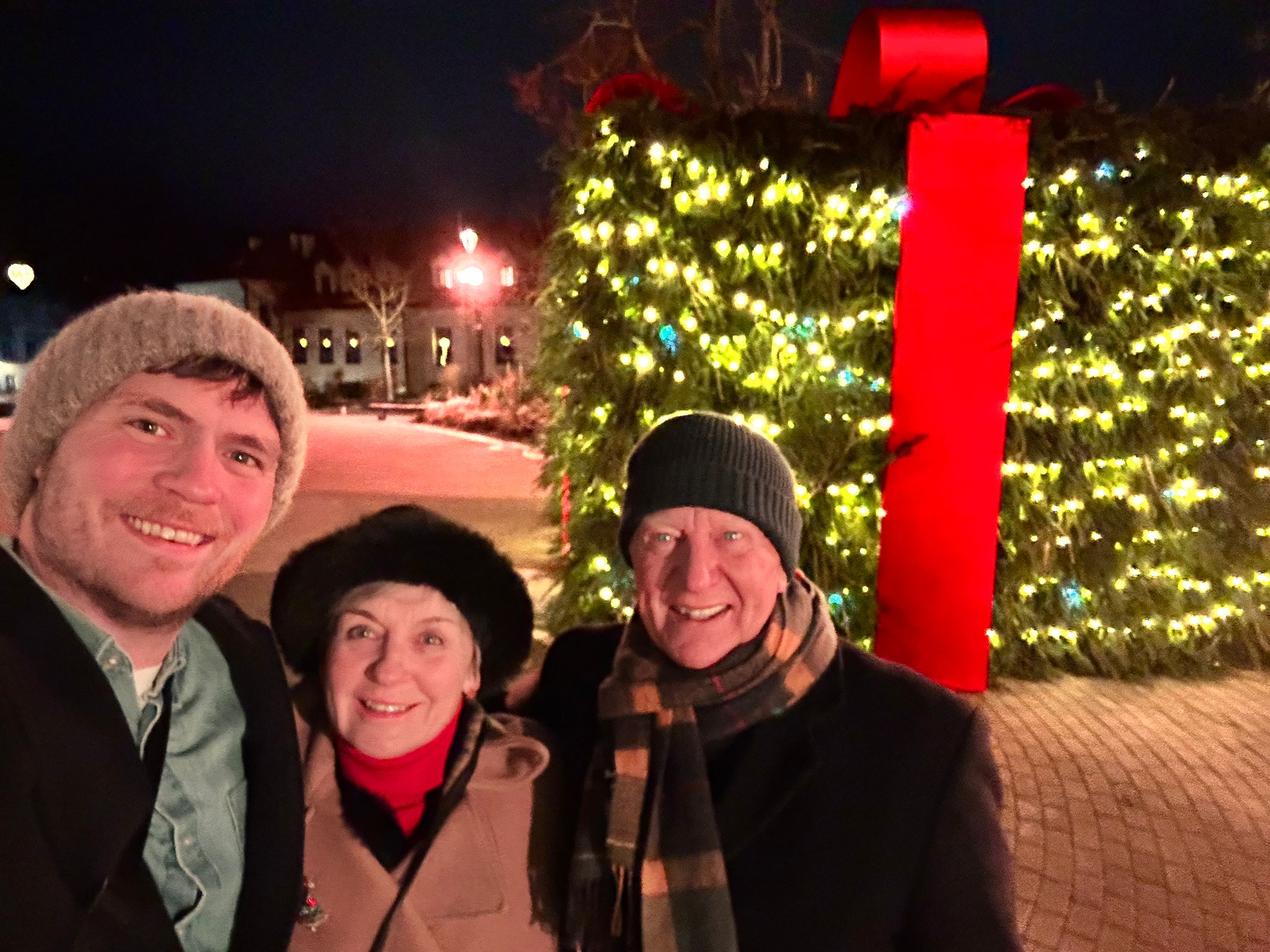
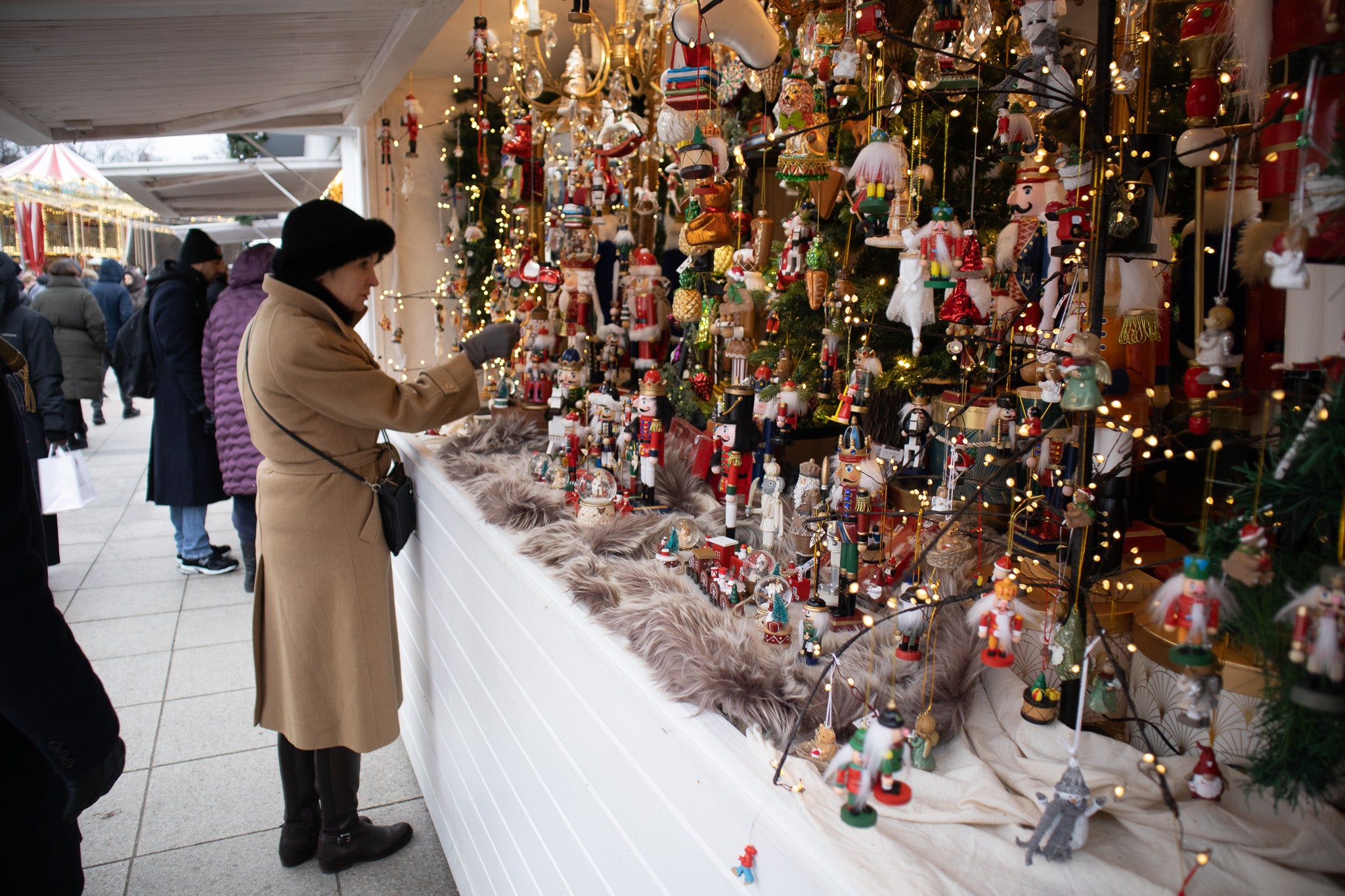
On arrival, on a December morning a few days before Christmas, the city feels genuinely festive rather than performative. In short, it’s not tacky. There are crowds, there is an ice rink, and there are gigantic baubles, but none come across as brash or overly commercialised. Vilnius is for guests to wander and enjoy rather than spend and rush, though, when you do spend, it’s cheap in comparison to Christmas rivals. A pint of beer remains firmly under the €5 mark.
Renaissance courtyards sit behind unassuming doorways. History and folktales run through the clean old town. Stories of poets, patrons, resistance fighters and occupiers are embedded in the stone.
.jpg)
One of the most photographed spots at Christmas is Ponių Laimė, a French-inspired café whose exterior has been transformed to resemble a European sleeper train, complete with painted windows and luggage racks. The decorations are playful and self-aware — fitting for Vilnius.
A recent history
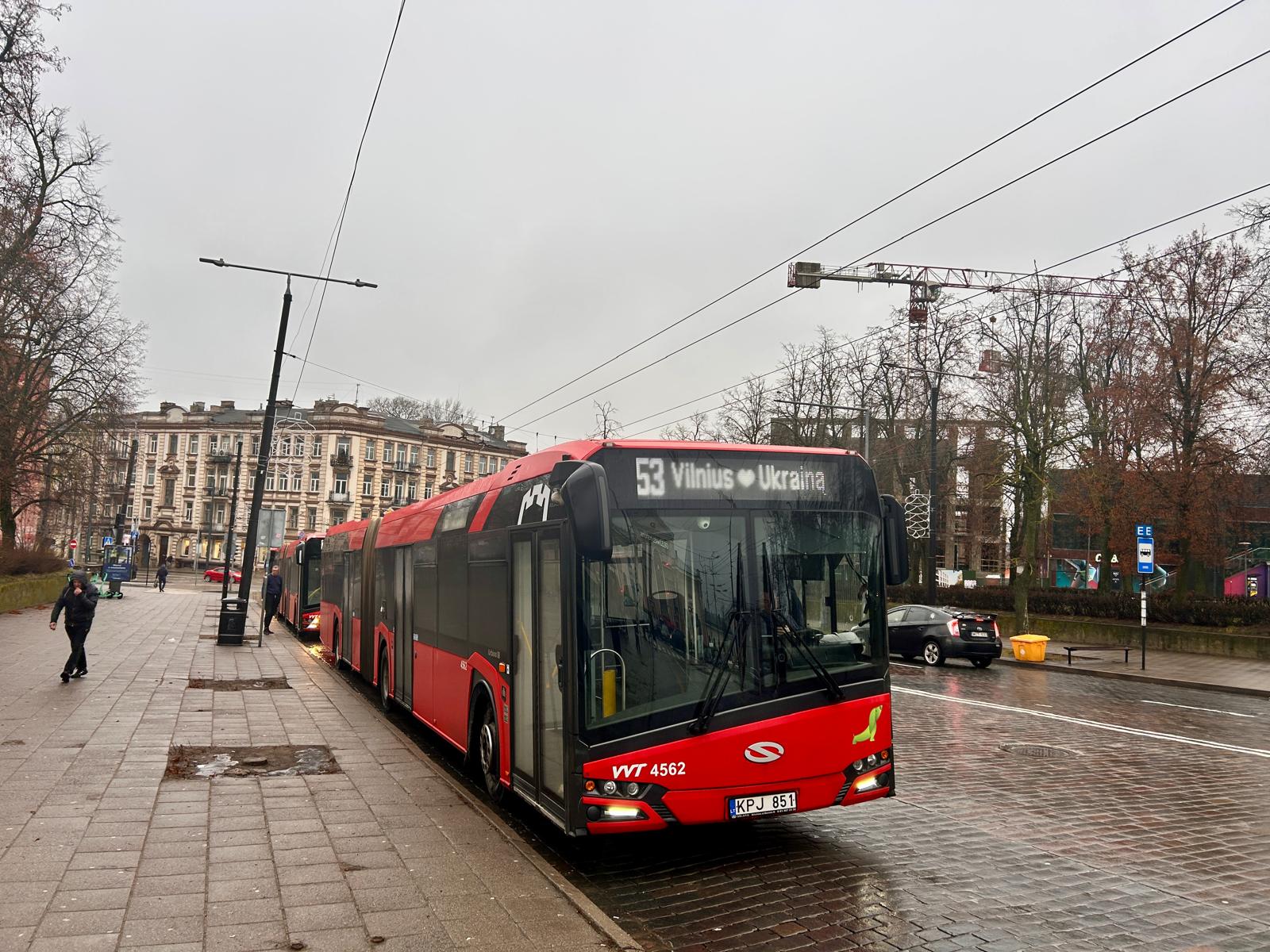
History is never far away here. The Museum of Occupations and Freedom Fighters, housed in a former KGB headquarters, documents Lithuania’s traumatic 20th century with unflinching detail. Cells, execution rooms and interrogation chambers remain eerily intact. An exhibition is dedicated to Ukrainian President Volodymyr Zelensky, recognising his country’s resistance as part of a shared regional struggle and against a common enemy. The yellow and blue of Ukrainian flags are found between the red and green decorations on nearly every corner, and strongly worded anti-Putin slogans are stuck on the walls of the city’s bars.
Read more: How women are reviving traditional Seto culture in Estonia
It’s almost impossible to write about Vilnius without acknowledging the shadow under which it existed. Lithuania’s history of Soviet occupation — twice — is recent enough to be personal to every living generation. Russia’s invasion of Ukraine in 2022 sharpened those memories. Just weeks before our arrival, Lithuania declared a national emergency after repeated airspace violations by meteorological balloons drifting in from Belarus, officially linked to smuggling but widely seen as a form of intimidation.
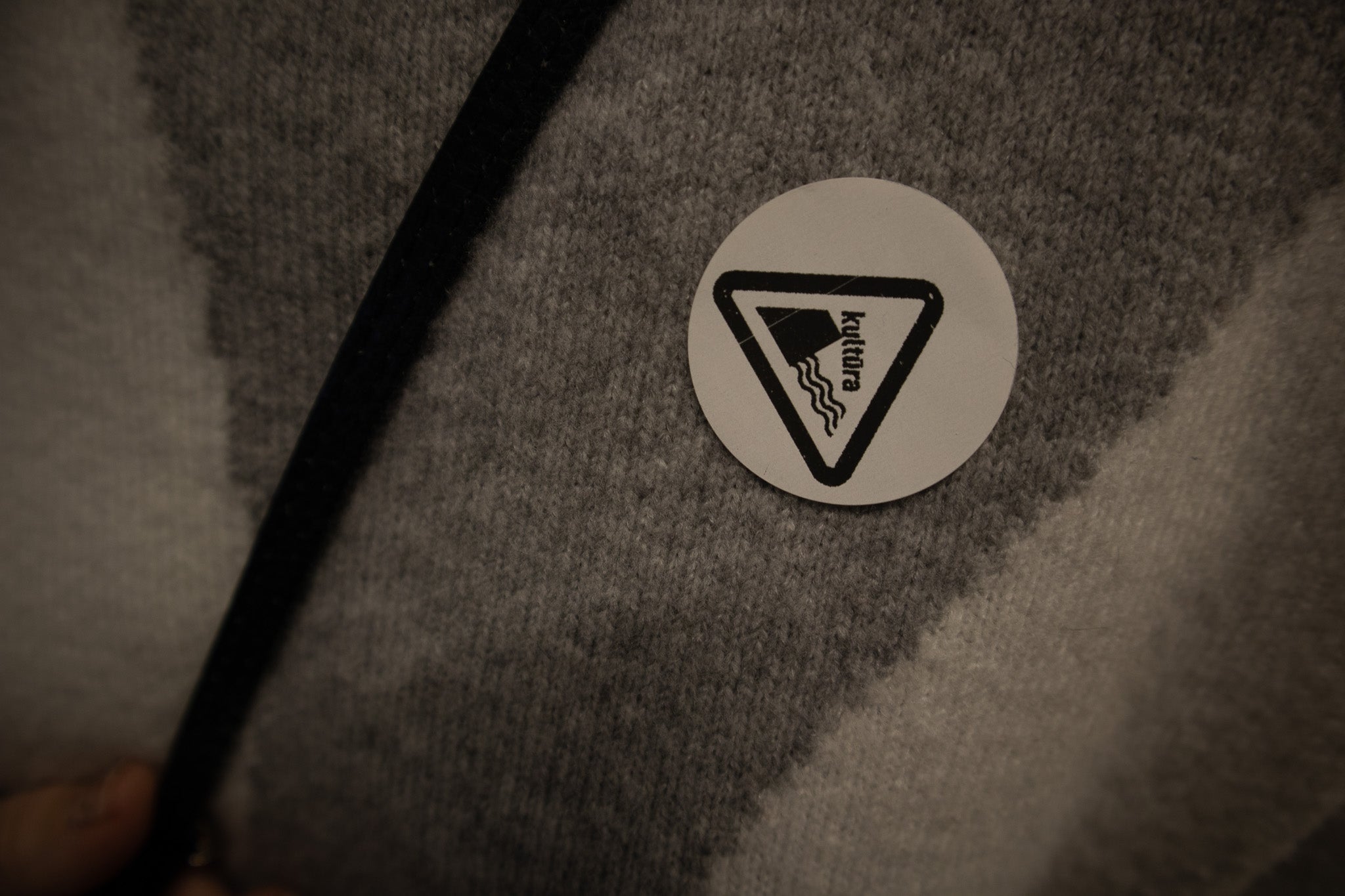
Political discourse is everywhere, and during our visit, protest signs are hard to miss. They are fighting against recent changes to the Culture Ministry, viewed as a threat to freedom of speech and democracy. On our visit to MO modern art museum, we are handed stickers with the road sign protest design, the word Kultura (culture) falling off a wall into the water.
Vilnians we meet talk about these things openly, calmly. Over drinks, in galleries, at dinner tables. It is not paranoia; it is lived experience. Christmas here does not exist in denial of the world’s troubles, but alongside them — made more meaningful for many by resilience. During Soviet rule, the latest being as recent as 1991, Christmas celebrations were discouraged or banned outright. The result is that today, the season holds deep emotional weight for many Lithuanians.
Like other European countries, Christmas Eve, or Kūčios, is the most important night of the year for many. Families still gather for a ritual meal of 12 dishes. There is fasting for the more religious in the weeks before Christmas Day; no meat, dairy or eggs. Fish, grains, mushrooms, poppy seeds and rye dominate the table. Few restaurants open on the evening itself, but we manage to secure a table at Ertlio Namas, a reasonably priced Michelin-starred restaurant specialising in historic Lithuanian cuisine. Poppy-seed milk is served ceremonially on the dessert. The menu comes in at less than €100 each, but the dishes will not be to everyone’s taste – far from the Christmas ham and box of Quality Streets back home. “It’s certainly… different,” my mum offers politely, in the unmistakable tone of a supportive but unsure Englishwoman.
Read more: This Polish city has street art, film history and £2 pints
.jpg)
If Christmas Eve is for family and past rituals, Christmas Day is for the young. The cathedral square fills with families, children show off new toys, and the market hums with laughter rather than commerce. A Harley-Davidson rider dressed as the Grinch roars past us as we sample boozy drinks on offer.
Snow flutters intermittently — temperatures hover around minus four — and the city feels alive in a way that British towns rarely do on Christmas Day.
Many trains run as usual here on December 25, and there is a Christmas walk option just a short trip out of the city in Trakai, home to Lithuania’s fairytale island castle. Built in the 14th century, it’s surrounded by frozen lakes with families strolling the surrounding paths.
It’s Christmas and it’s a holiday, so we eat and drink. The city’s food scene balances tradition and experimentation. At Kristoforas, a restaurant in the town hall, we try a gorgonzola chocolate dessert that tastes far better than it reads.
For ‘authentic’ local food, Lokys is the best option. Housed in a 15th-century building, it serves mead, meats and medieval recipes (the traditional cold beetroot soup, šaltibarščiai, is so celebrated that there is a street festival for it in the summer). The waiter barely blinks, let alone sniggers, when my 70-year-old mother peers at the menu and announces she has never tried beaver before.
Just over the river from the old town is Užupis, the city’s bohemian quarter, a self-declared republic with its own 42-point constitution, including “no one can share what they do not possess” and “do not surrender”. The area is known for street art and bars. I’m almost certain it’s been gentrified, but it’s still fun as a tourist.
Read more: This underrated European capital excels in old-world glamour
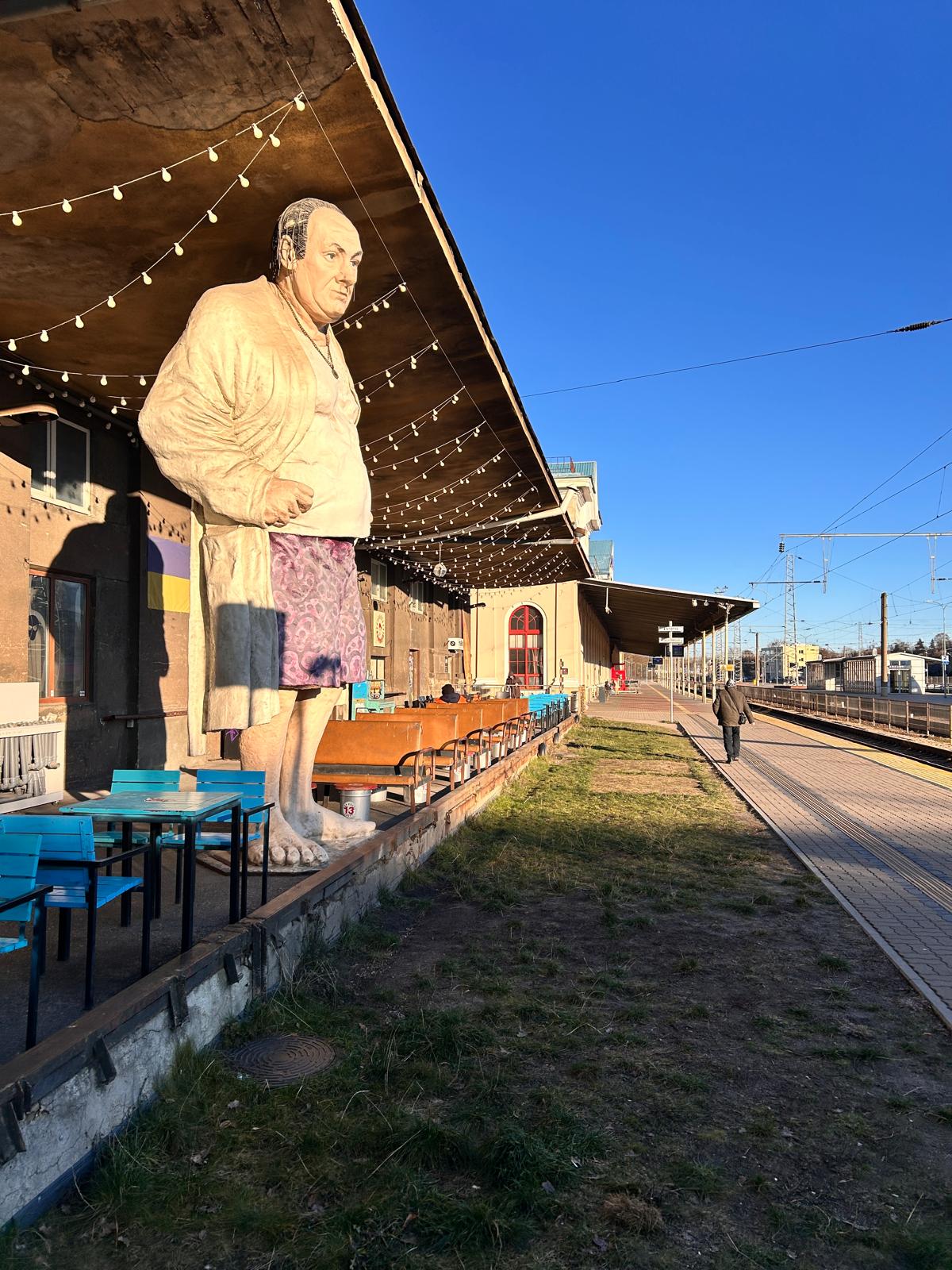
Elsewhere in the city, there is the Tony Soprano statue at Vilnius train station — 15 feet tall and beloved. Attached to a local bar, it was created by a local artist in 2009. The connection between Vilnius and Tony is a riddle still unsolved today, but the bizarre nature of it has become a tourist attraction of its own.
Leaving Vilnius, you carry more than photographs and maybe some locally made linen (the city’s souvenir of choice). You remember the quiet streets at dawn and the busy streets at night; the weight of recent history, and a Christmas that feels earned rather than staged.
And somewhere between a Soviet prison and a glowing Christmas tree, you realise why Vilnius — quietly, stubbornly — deserves attention.
How to get there
There are daily flights non-stop from London to Vilnius with Ryanair. Regional airports also offer flights to Vilnius and nearby Kaunas – an hour away by train.
Where to stay
We stayed at Narutis Hotel in the centre of the Old Town, with its huge Christmas display at the entrance. There are plenty of similar size boutique hotels on offer. Prices vary but you can expect to spend roughly €150 a night for a hotel, including breakfast and within walking distance of the key attractions.
Rich travelled to Vilnius as a guest of Go Vilnius.