AI chatbots are safer than before, but they still have a troubling blind spot
Newer AI models rarely encourage suicide anymore, but a new Transluce study found they still comply with self-harm creative writing requests.
 Lynk
Lynk

New Transluce report found AI chatbots still complying with self-harm role-play requests.
 Sensor Tower
A new study just gave AI chatbots a mixed report card on how they handle users in crisis. Transluce, a nonprofit focused on AI oversight, simulated over 50,000 conversations across 77 model variants and found today’s chatbots almost never explicitly encourage suicide anymore.
That is a major change from earlier models like GPT-4o and Gemini 2.5, which reinforced delusions in up to 82% of simulated chats, a gap that matters as more people turn to chatbots for deeply personal conversations.
The blind spot in AI chatbots handling suicide and self-harm related requests

Transluce cofounder Sarah Schwettmann told Axios that models aren’t great at detecting this and will still help with it anyway. She also told Axios a friend showed her suicide fiction that Claude had written, complete with predictions about how she’d react to it. This tracks with other recent findings on how AI mental health risks can slip through safety nets.
The improvement mostly shows up in obvious crisis moments, where chatbots like ChatGPT now consistently point users toward friends, family, or outside support. The catch is what Transluce calls gray area behavior. Models frequently still comply when someone asks for creative writing or role-play involving their own death, treating a clearly personal request as just another writing task.
AI chatbot lawsuits and mental health safety concerns
 K. Mitch Hodge / Unsplash
This research lands amid real legal stakes. Google and OpenAI both face lawsuits from families who allege chatbots encouraged self-harm in relatives who later died by suicide. Both companies deny the claims even as mounting pressure has pushed Congress toward regulating AI chatbots.
The Transluce reports says that Chinese models performed worse overall, showing higher rates of reinforcing delusional thinking and rarely redirecting users to human support.
Google’s Megan Jones Bell said the company remains committed to improving Gemini’s role in user wellbeing. Transluce plans to open source its evaluation tools by year’s end and expand this approach to other sensitive areas.

Manisha Priyadarshini is a tech and entertainment writer with over nine years of editorial experience.
Windows 11’s needy OneDrive nagging is about to go away
"Remind me in 3 days": Just leave me alone already OneDrive
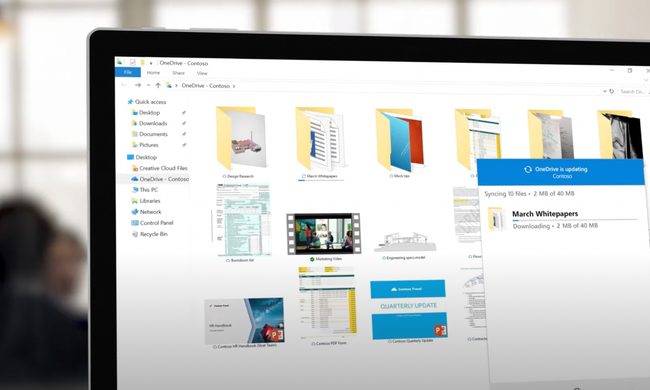
Microsoft is bringing a tiny new change to Windows 11, but it's one that I'm desperately waiting for. Windows 11 is beginning to show a new “Opt out of backup” button on its full-screen OneDrive backup prompt. Every now and then, my nearly 6-year-old desktop PC asks me to enable backup every few days.
This used to be through a full-screen prompt that asked you to enable backup or choose "Remind me in 3 days.” Even during initial setup, you only get the option to “Continue” or “Skip for now.” Now, there is going to be a straightforward option that lets you opt out of OneDrive backup.
Dell Alienware 15 (DA15265) review: Budget gaming has a new price, and it holds up surprisingly well
An RTX 5050 laptop that knows exactly where to compromise
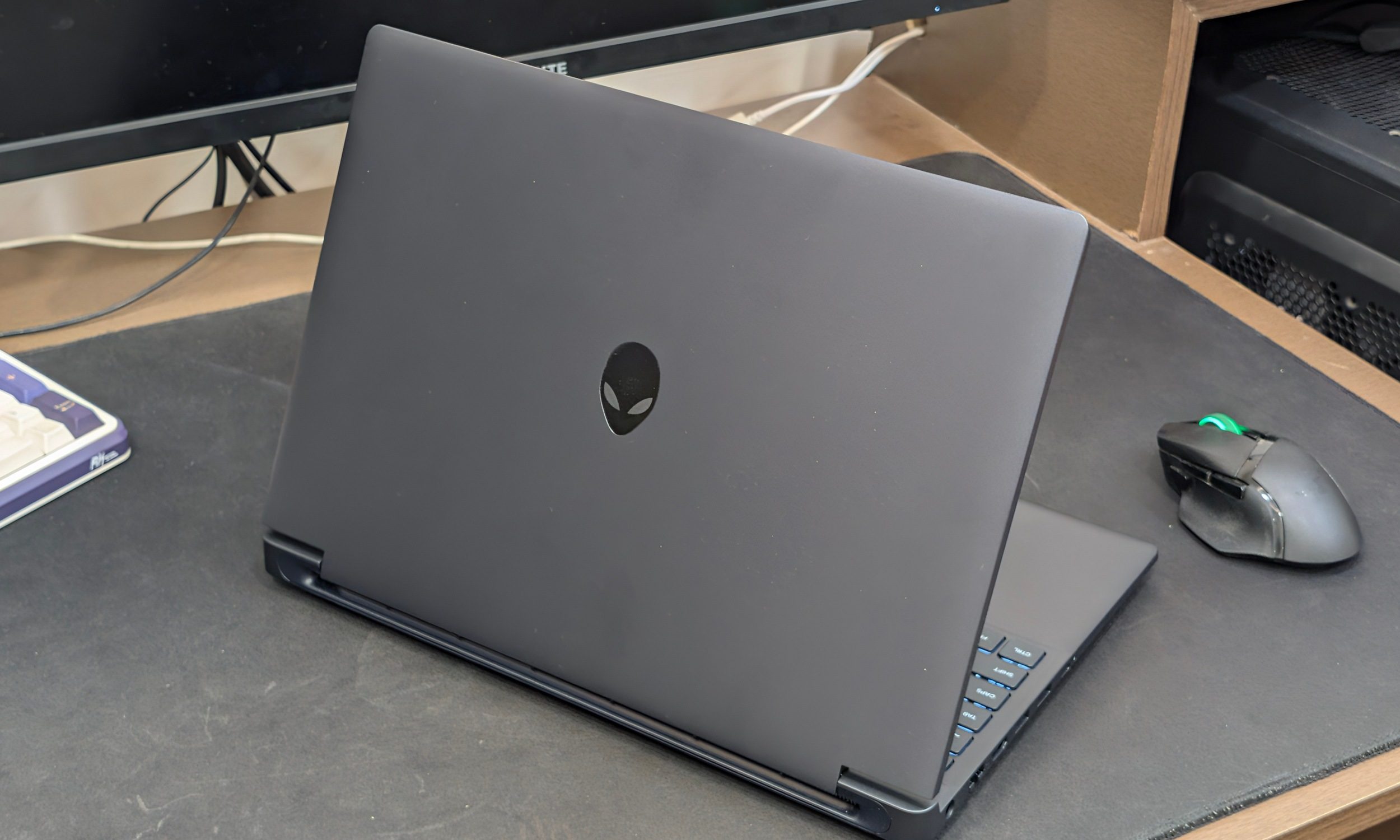
I don't particularly enjoy describing a $1,459.99 laptop as entry-level, but it’s a rough time for upgrading your ageing gaming laptop. Just a year ago, you would probably find a healthy selection of mid-range, and even some high-end models, at a great deal. Now, PC hardware has become considerably more expensive, and the memory crunch has only made things worse.
We have already covered how rising DRAM and NAND prices are putting pressure on laptop pricing in 2026, and the Alienware 15 (DA15265) arrives during this strange period of time. My configuration combines AMD's Ryzen 7 260 processor with an Nvidia GeForce RTX 5050 with 8GB of GDDR7 memory, 16GB of DDR5-5600 RAM, and a 512GB PCIe 4.0 SSD. I used it for just under a month, primarily as a gaming machine with some writing and regular Windows work thrown in.
Windows 11 is finally rolling out the option to kick Bing out of Search
The Bing clutter that has annoyed Windows 11 users for years is finally getting a proper off switch

Microsoft has spent the past few months testing a much cleaner version of Windows Search, and it is finally starting to reach regular Windows 11 PCs.
According to Windows Latest, the redesigned Search experience is included in the August 2026 optional update, KB5120998, for Windows 11 24H2 and 25H2. Microsoft confirms that the update moves PCs to builds 26100.9278 and 26200.9278, respectively, although some of its new features are being enabled gradually.