American Airlines is bringing back seatback screens and adding more premium seats in profit push
The return of seatback screens is a big reversal in American's inflight entertainment strategy
 JimMin

American Airlines announced Tuesday that it will expand premium seating and restore seatback entertainment screens across its narrowbody fleet, stepping up its effort to attract higher-spending travelers and close a substantial profitability gap with competitors Delta Air Lines and United Airlines as competition grows.
CEO Robert Isom has accelerated premium cabin upgrades in an effort to boost earnings as U.S. carriers compete more aggressively for high-margin premium revenue.
The carrier said that premium seating will rise to approximately 40% of narrowbody departure seats over coming years, up from about 25% today. It plans to introduce additional first class seats and main cabin seats with extra legroom as existing aircraft are reconfigured and new jets join the fleet.
At American, higher-paying premium travelers generated nearly half of ticketed revenue during the second quarter of the year, despite accounting for roughly 30% of seats.
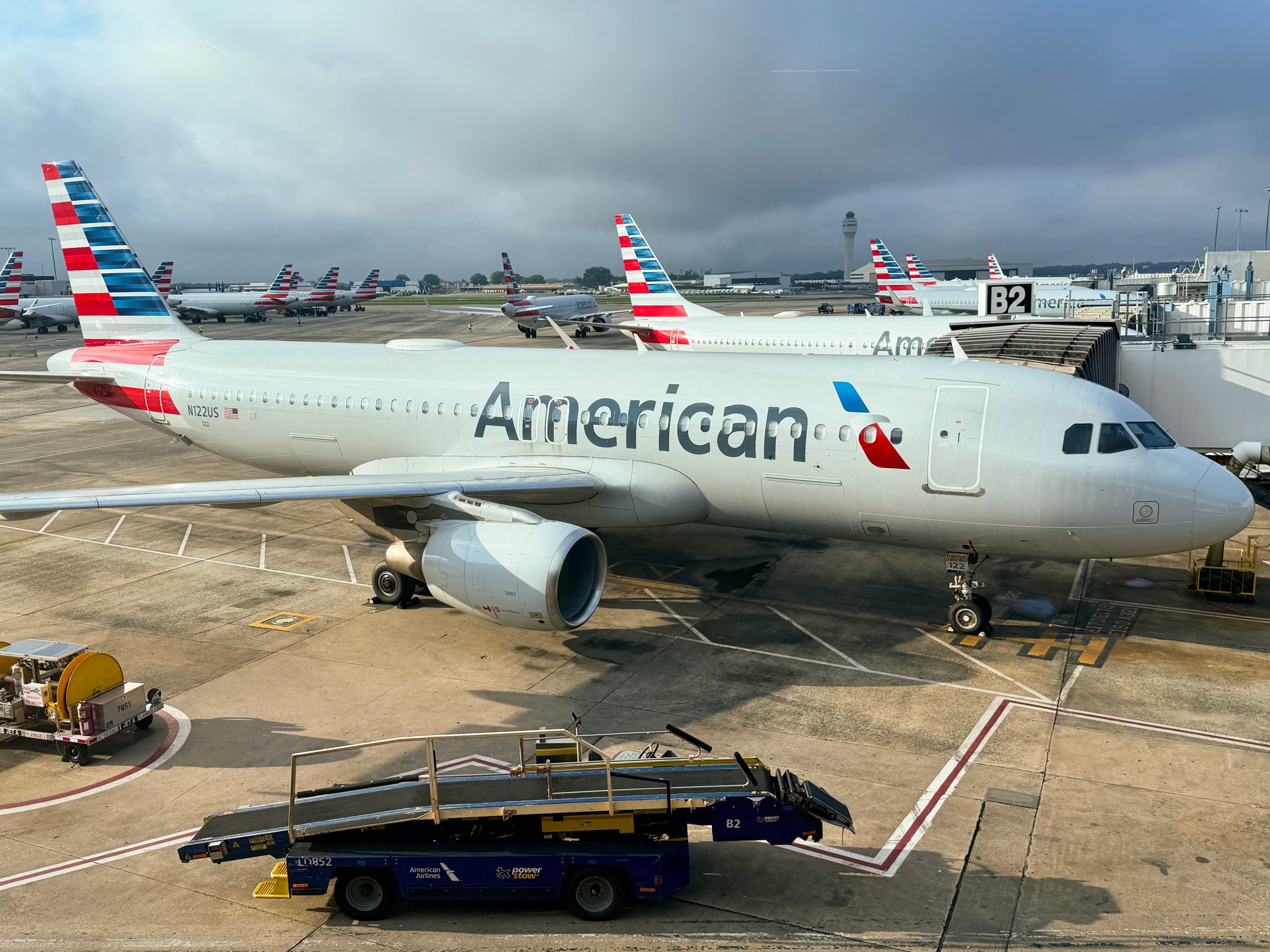
However, the airline continues to trail Delta and United in profitability, increasing pressure on Isom to prove his strategy can close the gap. Flight attendants called for leadership changes earlier this year, while the pilots union questioned whether the current management team can deliver improvement.
American anticipates roughly break-even results this year, whereas Delta and United forecast solid profits. Isom restructured senior executive management last week and acknowledged that a "meaningful gap" exists between American's performance and where it should be.
SEATBACK SCREENS RETURN
The reintroduction of seatback screens marks a reversal of American's previous inflight entertainment approach. The airline began phasing out monitors nearly a decade ago, betting that passengers would prefer watching movies and television shows on their own devices.
American stated that customer preferences have since changed, particularly among younger travelers who increasingly want access to larger screens alongside their own devices. Advances in high-speed satellite Wi-Fi have also made it possible to offer a more connected and personalized onboard experience, the carrier said.
The carrier expects more than 800 narrowbody aircraft to ultimately feature seatback screens. Retrofits will start in 2028 and are expected to wrap up in the early 2030s, with new Airbus and Boeing aircraft arriving with screens starting in 2028.
American already has over 140 widebody and Airbus A321XLR aircraft equipped with seatback screens. It declined to disclose how much it expects to spend on the overall program.