An Upward Spiral
A short teaching from the Anguttara Nikaya on the spiral path to freedom The post An Upward Spiral appeared first on Tricycle: The Buddhist Review.
 JaneWalter
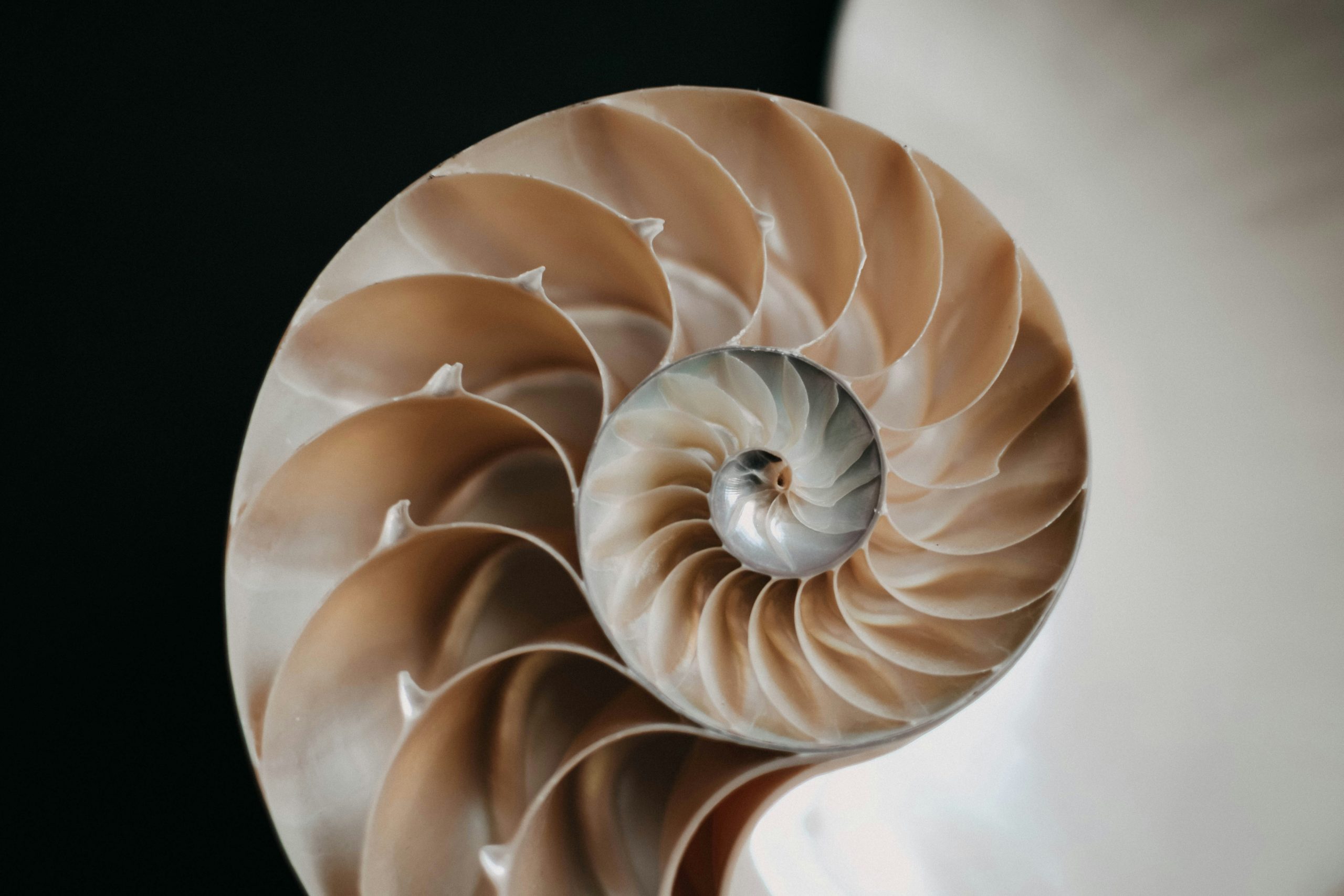
A short teaching from the Anguttara Nikaya on the spiral path to freedom
 Image by Content Pixie
The following is a short teaching from the Numerical Discourses (Anguttara Nikaya), and it suggests something quite subtle about how we work psychologically and how we begin to achieve freedom.
The teaching describes a spiral of conditions beginning with a person practicing virtuous conduct. Virtuous conduct means that one avoids killing, stealing, lying, sexual misconduct, and taking intoxicants. This teaching thus places mental development on a moral foundation. With the condition of not engaging in harmful thoughts and behavior, one will be free of the scratchy feeling of remorse that can include regret, guilt, shame, worry, and anxiety.
This begins an upward spiral. If one enjoys the absence of remorse, one need not then generate a further thought or intention to be delighted. In fact, generating an intention to be delighted (or joyful or calm or happy) tends not to be effective anyway: It is not as if we can bring delight into our lives by demanding that it appear or by forcing ourselves to feel it. Positive states arise as a result of conditions; we can’t manufacture them by fiats of will, and the more we chase them the more elusive they become. Rather, they emerge, as this teaching suggests, when the mind is simply clear of fretting about oneself and worrying about whether one has been harming the world. Free of regrets, one is open to the moment one is in and can fully participate—and find delight—in it.
And so, the condition that starts the upward spiral is removal—by removing harmful actions and thoughts, one enjoys a free, clear, and easy mind that invites delight, and then joy, calm, happiness, and further states building on these. All of these are said to occur “in the nature of things” where phenomena flow naturally from one condition to another.
Delighted, joyful, calm, and pleasant experiences then give rise to the ability to concentrate and attend to experience. When one can attend to what is present without distortions, distractions, and agitations, one can begin to “know and see things as they truly are.”
And when one knows and sees things as they truly are one grows disenchanted with them due to their impermanent and conditioned nature. Detaching from them makes it possible to know and see in a way that is free, with freedom being the ultimate aim of all practice.
***
Monks, one who is virtuous does not need the intention, May I be without remorse. For it is the nature of things, monks, that freedom from remorse arises for one who is virtuous, who has good conduct.
Monks, one who is without remorse does not need the intention, May delight arise in me. For it is the nature of things, monks, that delight arises in one free of remorse.
Monks, one who is delighted does not need the intention, May joy arise in me. For it is the nature of things, monks, that joy arises in the delighted.
Monks, one who is joyful does not need the intention, May my body calm down. For it is the nature of things, monks, that one who is joyful has a calm body.
Monks, one whose body is calm does not need the intention, Let me feel happy. For it is the nature of things, monks, that one with a calm body feels happy.
Monks, one who feels happy does not need the intention, Let my mind become concentrated. For it is the nature of things, monks, that the mind of one who feels happy is concentrated.
Monks, one who is concentrated does not need the intention, Let me know and see things as they truly are. For it is the nature of things, monks, that one who is concentrated knows and sees things as they truly are.
Monks, one who knows and sees things as they truly are does not need the intention, Let me become disenchanted and dispassionate. For it is the nature of things, monks, that one knowing and seeing things as they truly are is disenchanted and dispassionate.
Monks, one who is disenchanted and dispassionate does not need the intention, Let me realize for myself a way of knowing and seeing that is free. For it is the nature of things, monks, that one disenchanted and dispassionate realizes for oneself a way of knowing and seeing that is free.
Monks, knowing and seeing in a way that is free is the aim and benefit of becoming disenchanted and dispassionate. Disenchantment and dispassion are the aim and benefit of knowing and seeing things as they really are. Knowing and seeing things as they really are is the aim and benefit of concentration. Concentration is the aim and benefit of feeling happy. Happiness is the aim and benefit of being calm. Being calm is the aim and benefit of joy. Joy is the aim and benefit of delight. Delight is the aim and benefit of freedom from remorse. Freedom from remorse is the aim and benefit of virtue.
It is just so, monks, that phenomena flow into phenomena and phenomena succeed phenomena for one going from one shore to the other.
♦
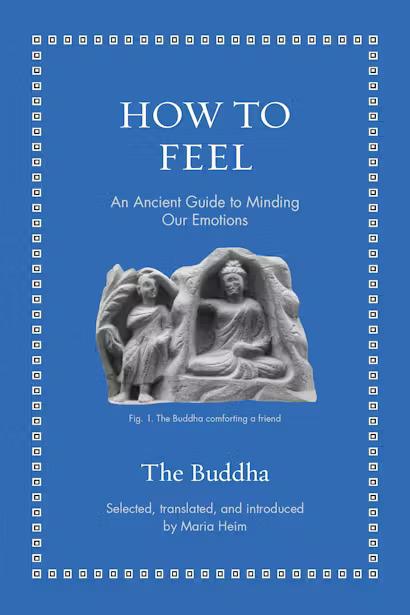
From How to Feel © 2025 by The Buddha, edited and translated by Maria Heim, published by Princeton University Press and reprinted here by permission.

Thank you for subscribing to Tricycle! As a nonprofit, we depend on readers like you to keep Buddhist teachings and practices widely available.
This article is only for Subscribers!
Subscribe now to read this article and get immediate access to everything else.
Already a subscriber? Log in.