Blow to tourism as water levels on Danube River drop to lowest in 30 years
Europe’s second-longest river has been hit hard by this summer’s heatwaves
 JimMin

The Danube River has fallen to its lowest water level in Romania since 1996, causing further disruption to the area’s economically vital tourism industry.
Several cruise ships were stranded north of Budapest, Hungary, last week and sightseeing trips were cancelled due to low water levels.
Water levels fell even more in Romania over the weekend, reaching a 30-year low.
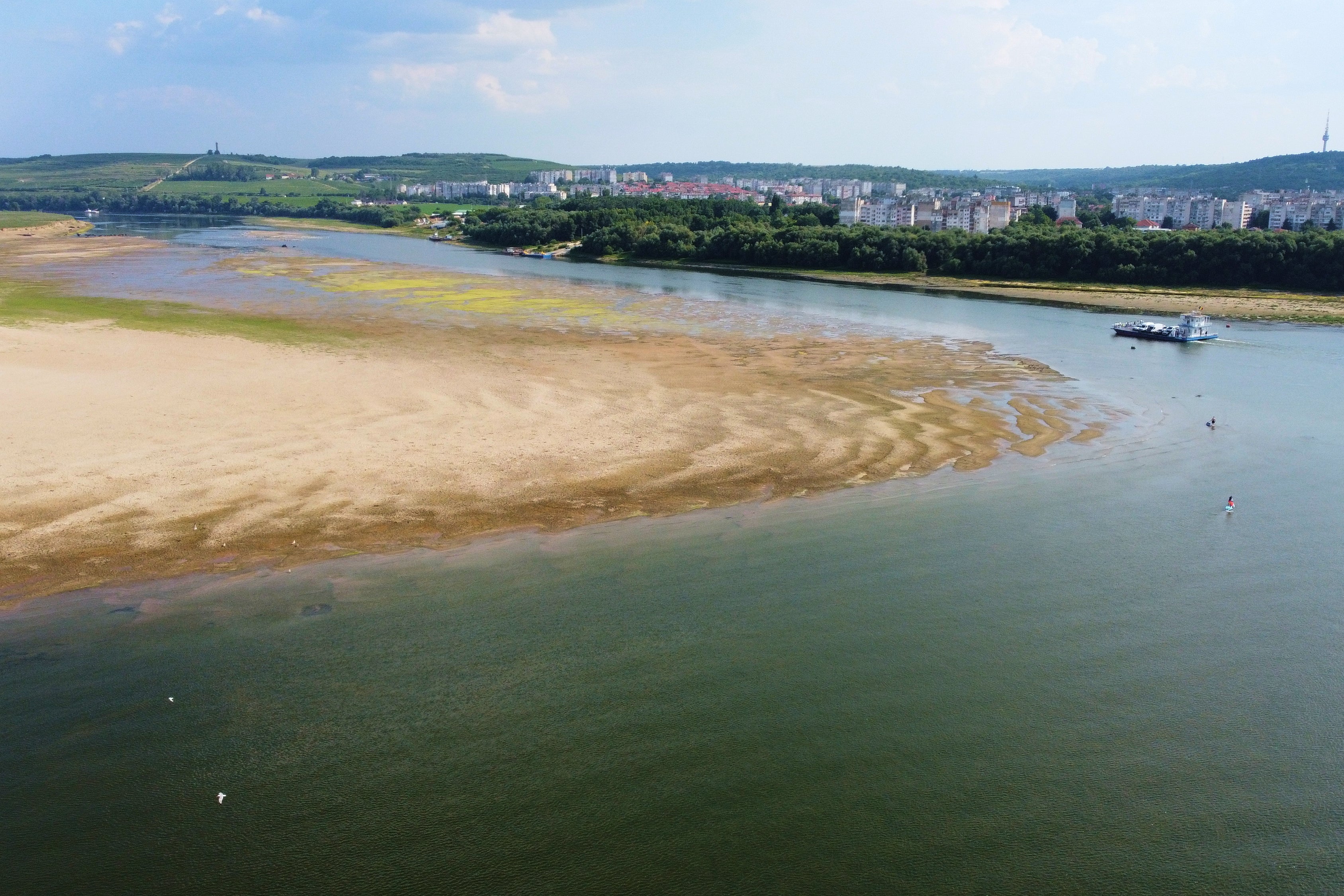
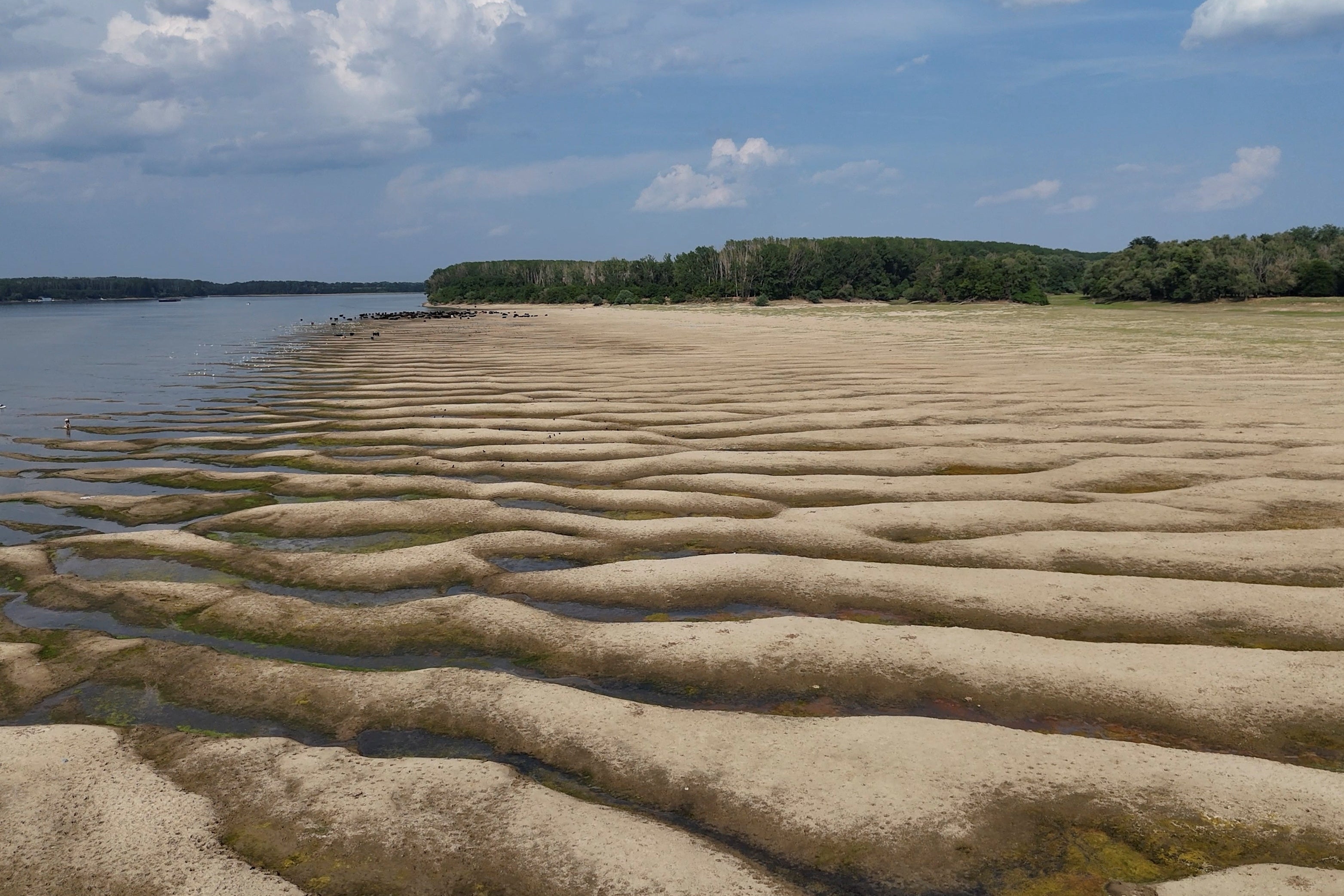
Images showed long stretches of exposed sand on the banks of the river, near the border with neighbouring Bulgaria.
Several ferry services were suspended and grain barges stood idle.
Waterways across Europe have been affected by prolonged heatwaves and drought this year.
The average peak temperature across Western Europe was forecast to be 26.2 degrees Celsius on Monday, according to the Reuters Climate Monitor.
That is 2.7 degrees above the normal high for 20 July.
Romania's state water management agency said that the level at the Romanian entry point of Europe's second-longest river was 1,700 cubic metres of water per second on Sunday, against a July average range of 4,700 cubic metres per second.
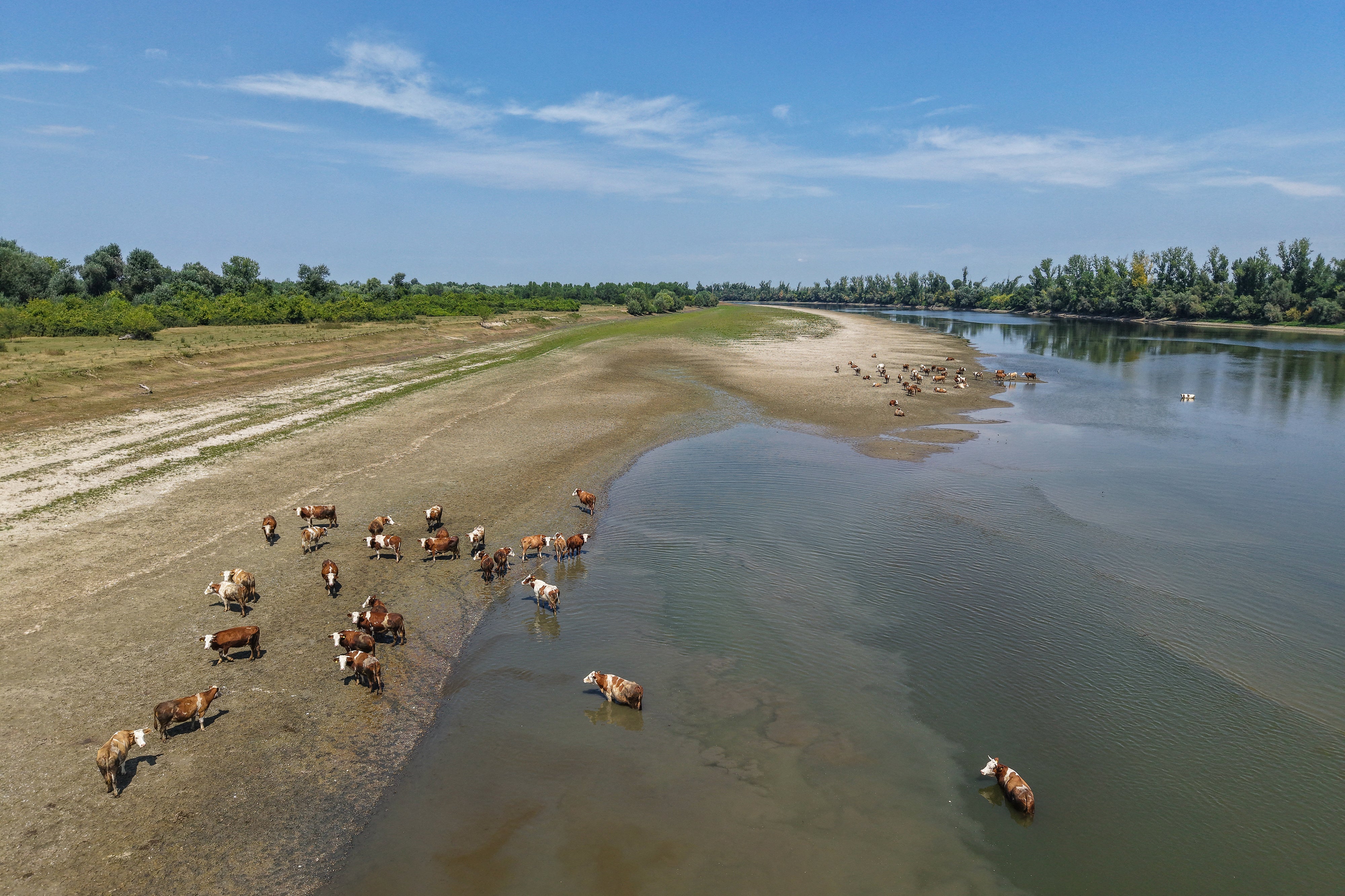
Authorities have restricted farmer access to water for crop irrigation in southeastern Romania.
They have also controlled water reservoirs to ensure minimum levels required for cooling state nuclear power producer Nuclearelectrica's two reactors.
The water levels in the Danube are projected to increase gradually from Monday thanks to heavy rain in several counties, the water management agency said.
Laszlo Somodi, the chief executive of sightseeing operator MAHART-PassNave, said last week: “River cruise vessels are currently still able to enter Hungary, but several ships are stranded or waiting in ports because of the low water levels.”
Mr Somodi said that international river cruises have become the most economically important segment of Hungary's shipping industry as tourism has expanded.
The cruises carry about 600,000 passengers every year and generate substantial wider economic benefits, he said.
MAHART-PassNave has already experienced an 18 per cent drop in bookings so far in July due to cancellations.
Meanwhile, river cruise operator Avalon Waterways said last week that it had been forced to cancel what it described as a small number of upcoming departures, citing low water levels on both the Danube and Rhine rivers.