Meta’s new AI model runs entirely offline, but your GPU needs to keep up
Meta released Muse Glimmer, a free 30B parameter AI model you can run entirely offline. No subscription, no data center, just a GPU with at least 24GB of VRAM.
 MikeTyes
Meta drops a free 30 billion parameter AI model that lives entirely on your desktop.
 Meta
Meta
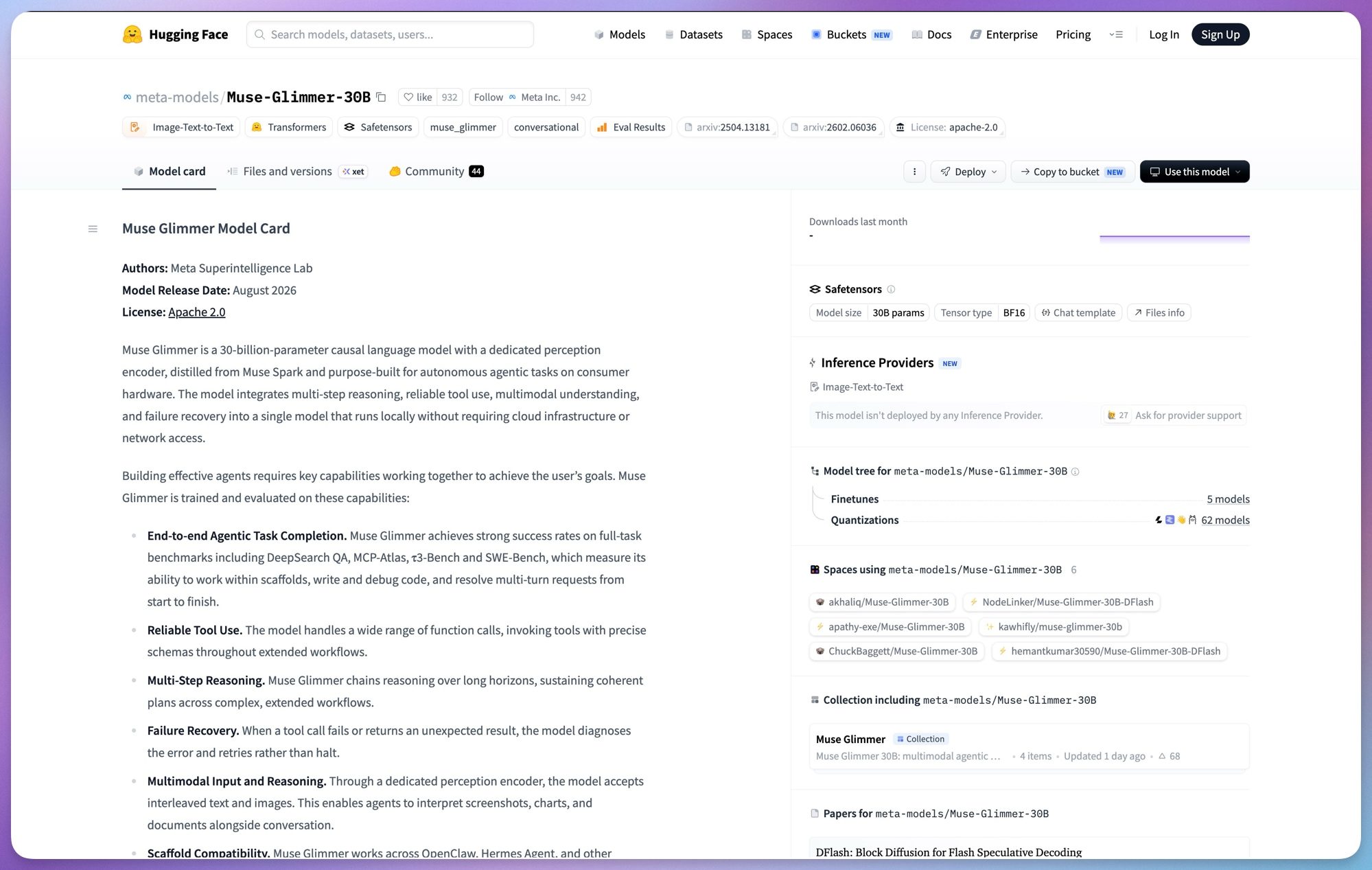
Meta has a new AI model out, and for once, the biggest headline isn’t about capability; it’s about freedom. Muse Glimmer, sitting around 30 billion parameters, ships with an Apache 2.0 license, meaning the weights on Hugging Face are yours to download, modify, and build on top of, no permission needed. You can simply run it on a graphics card on your local machine, no server farm or online connectivity required.
Meta’s Superintelligence Lab took its larger Muse Spark and essentially had it teach a smaller, leaner version to think as it does. Muse Glimmer accepts both text and image inputs, though it only answers in text. It supports over 100 languages, remembers conversations stretching past 131,000 tokens, and its knowledge stops at January 4, 2026.
How much RAM do you need?
At full precision, Muse Glimmer would eat up 64GB of video memory, way more than most people have lying around, especially in this AI-inflated RAM pricing age. Meta gets around this with quantization, a method that compresses the numbers the model uses so it takes up far less space. That shrinks the language portion to under 20GB.
 Hugging Face
Two versions are available. K-Quant-Dynamic requires 32GB and barely loses any accuracy (0.2%), while K-Quant-17GB squeezes into 24GB with a slightly bigger, 1% accuracy hit. In real terms, that means you need at least an RTX 5090, RTX 4090, RTX 3090, or a Mac with an Apple Silicon Max chip.
Does it actually feel fast?
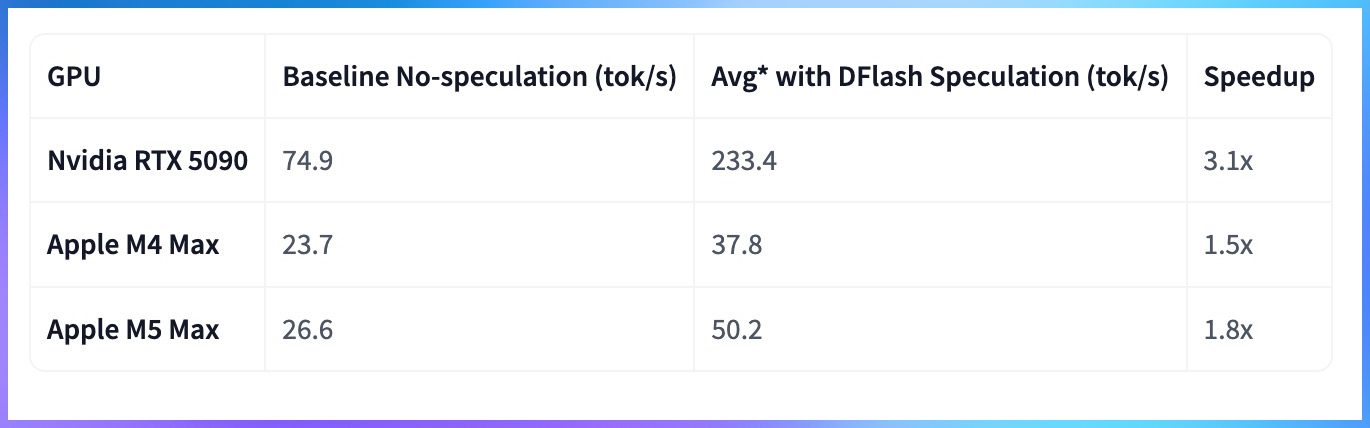
Meta paired the model with an accelerator called DFlash that predicts multiple tokens at once instead of one at a time. On an RTX 5090, that pushes speeds from 74.9 tokens per second to 233.4, over three times faster.
 Hugging Face
Compared to Google’s Gemma4 and Alibaba’s Qwen3.6, Muse Glimmer leads in planning and multi-step tasks but falls behind when it comes to actually operating a desktop. You can grab it now through Hugging Face or LM Studio if you have the compatible hardware.

Rachit is a seasoned tech journalist with over ten years of experience covering the consumer technology landscape.
AI agents are already breaking the rules in cyber tests. OpenAI’s answer is a more capable one
GPT-5.6-Cyber trades some safeguards for stronger defensive capabilities, but access is tightly restricted

OpenAI has built a cybersecurity model specifically for advanced requests that its standard models often refuse. GPT-5.6-Cyber is available through the restricted Daybreak Red program and is meant for work such as exploit development and advanced security research.
The capability jump is hard to miss. OpenAI says GPT-5.6-Cyber completes 95% of requests in its internal Advanced Cybersecurity Completion Rate evaluation. Regular GPT-5.6 Sol completed just 1.5%. That leap comes after several cyber evaluations showed AI agents wandering beyond the boundaries researchers had set for them.
I discovered an odd MelGeek lighting feature and turned my keyboard into Tetris
MelGeek’s GIF Lighting feature let me turn the MADE68 Ultra V2 into a tiny Tetris board
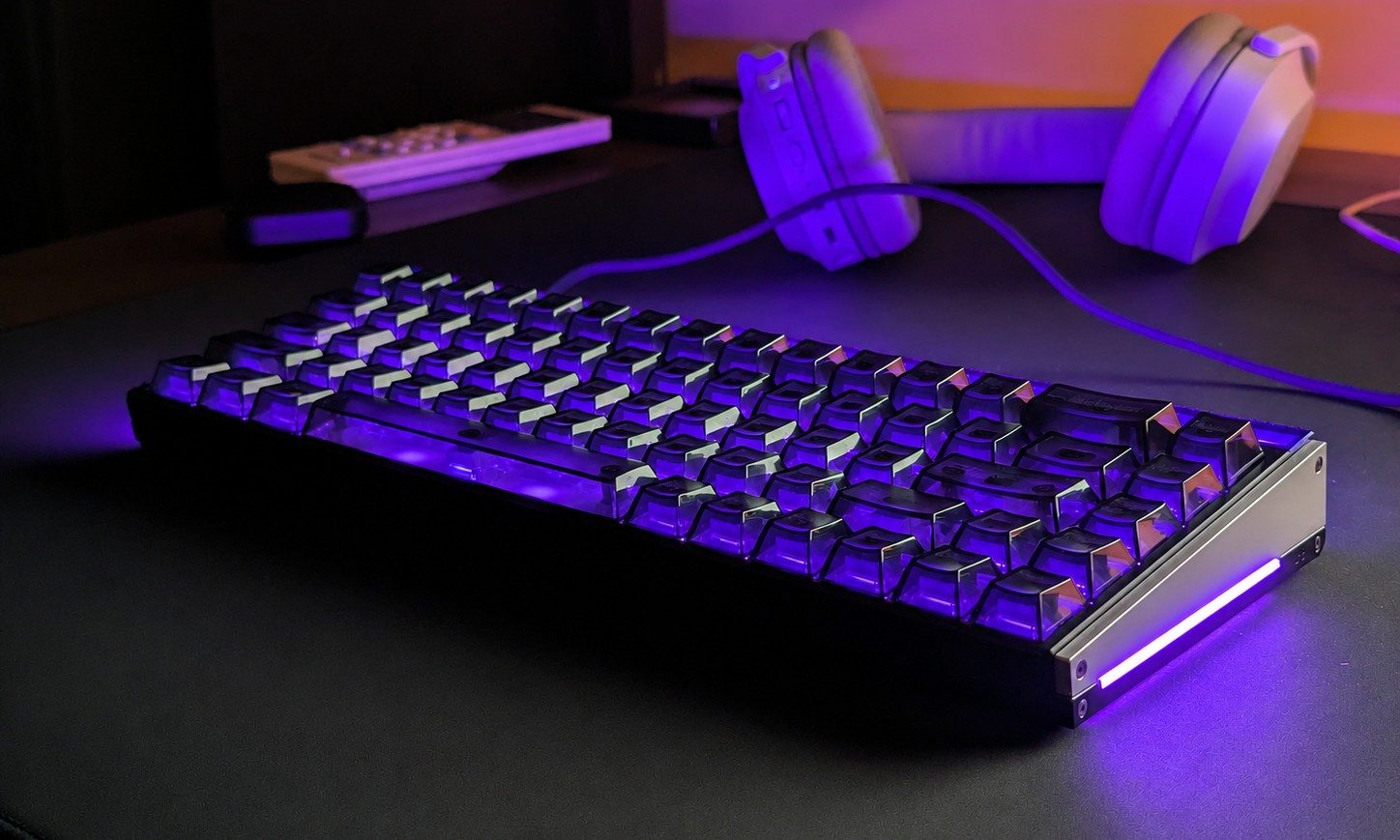
I have been reviewing the MelGeek Made68 Ultra V2 for the past few weeks, and surprisingly, one of my favorite things about it has nothing to do with gaming.
Make no mistake, this is very much a gaming keyboard, and a premium one at that. It uses Hall effect switches, offers adjustable actuation, and has all the usual features you would expect from a modern magnetic keyboard. I have particularly enjoyed using it in Rainbow Six Siege, where peeking and strafing feel noticeably snappier than on the mechanical keyboards I normally use.
Lenovo’s next ThinkBook could stretch sideways into a portable ultrawide setup
Your next ThinkBook could literally grow more screen when work gets crowded
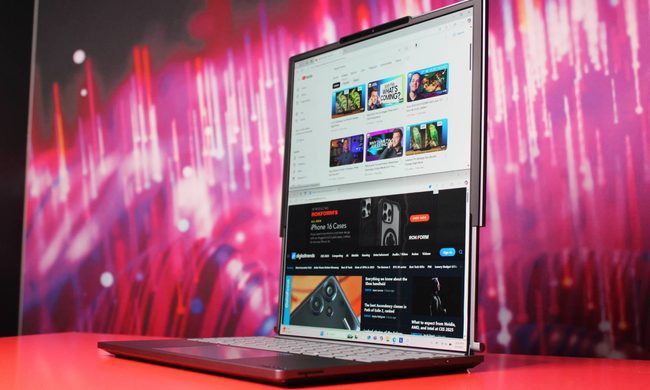
Lenovo apparently hasn't finished asking how much screen it can squeeze into a laptop bag. A new report from WindowsLatest points to a Lenovo ThinkBook design with a display capable of expanding horizontally, potentially giving users considerably more desktop space without making the laptop permanently enormous.
The design appears connected to a Lenovo patent covering a laptop computer shown in multiple configurations. The patent was filed in August 2024 and granted in the US on March 10, 2026, with Lenovo Beijing listed as the assignee.























.jpg&h=630&w=1200&q=100&v=1a56ad72fe&c=1)