Dried-out clay from heatwaves causes rail disruption in Essex and east London
GBR Anglia has introduced an amended timetable and speed restrictions
 JimMin
Rail passengers have been advised to check their journeys before they travel as dried-out clay under train tracks has caused disruption to some services.
From 25 August, GBR Anglia has introduced an amended timetable on the c2c route and some Greater Anglia services in Essex.
Changes on the Greater Anglia line between Southend Victoria and London will also be initiated on 1 September.
Record-breaking temperatures and low rainfall this summer have “dried out and shrunk” clay that sits under long stretches of the railway in Essex, causing track quality issues, Network Rail said.
Speed restrictions and temporary timetable amendments aim to reduce the risk of short-notice disruption.
Passengers have been warned to check their journeys before they travel, with several routes running with adjusted departure and arrival times.
Under the timetable changes, some journeys will take from two to eight minutes longer than usual.
Speed restrictions will stay in place until the ground conditions have recovered, with a risk of further service alterations as track conditions are monitored.
According to Network Rail, a £2.6bn investment to protect the railway from extreme weather is currently underway.
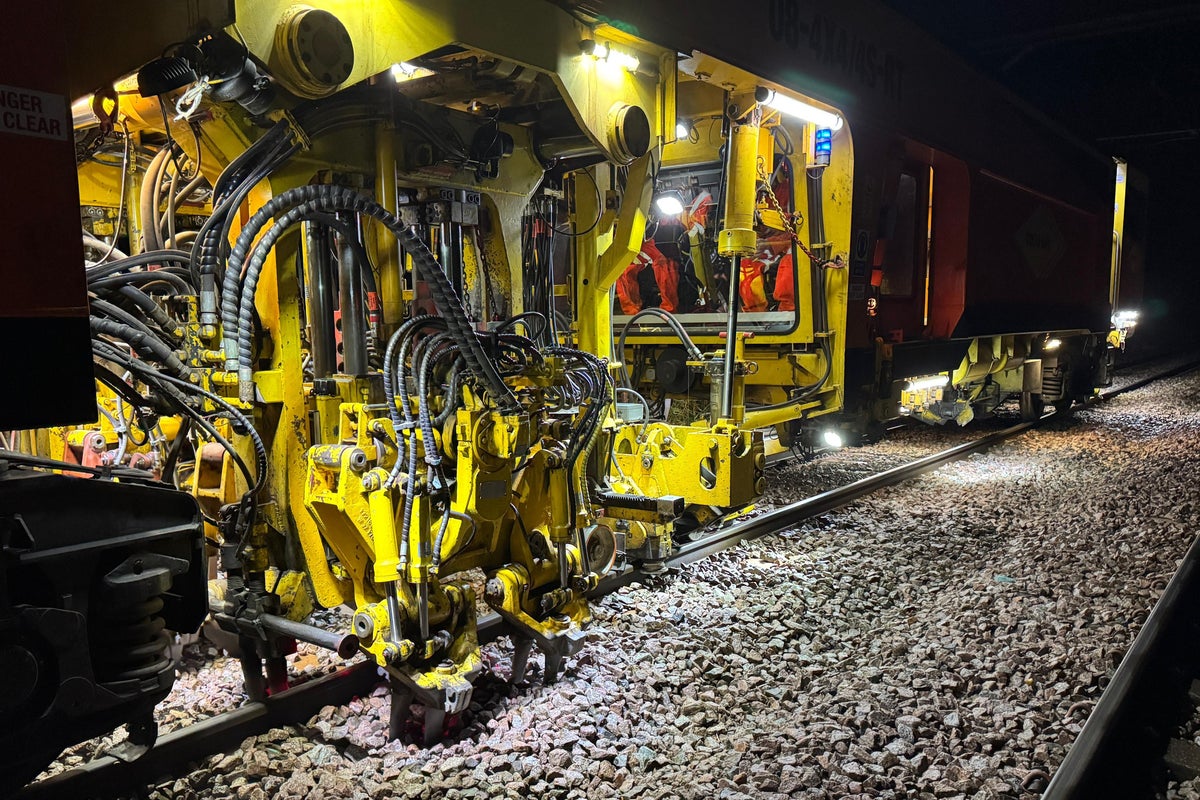
The company is using machines called tampers to help create a solid foundation so that trains can run smoothly across dried-out soil on Anglia this summer.
It added that GBR Anglia will “work hard” to reintroduce timetable scheduling as soon as possible.
Martin Beable, chief operating officer for GBR Anglia, said: “We’re taking action to keep everyone moving safely and reliably while minimising the impact on passengers. Our teams are working together across Anglia to keep running the best possible service despite the significant challenges we’re facing because of this exceptionally hot and dry weather.
"We never want our customers to experience disruption, but safety will always be our priority. Thank you for bearing with us, and please do check before you travel, particularly if you’re used to getting the same time train every day.”
Read more: What happens when train lines buckle and can it cause a derailment?













.png?trim=0,0,0,0&width=1200&height=800&crop=1200:800)










.jpg&h=630&w=1200&q=100&v=c0f97a310e&c=1)