Eating More Of This Nutrient Can Fight Off Frailty As You Age
Here's how to add more of them to your routine.
 Kass
Kass

Author:
February 07, 2026
Image by Nadine Greeff / Stocksy February 07, 2026 It's never too early to think about healthy aging. And no matter your age, you can use food to build a strong body that will support you for years to come. Research outlines the benefits of eating specific fruits and vegetables, including lowering the odds of frailty onset as you age. 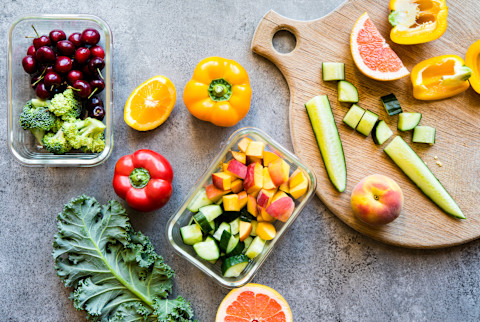
Onions and berries and grapes—oh my!
There are already a lot of science-backed reasons to eat flavonoid-rich foods (like berries or onions). Consuming flavonoids1 can help reduce the risk of certain cancers, metabolic disorders, and cardiovascular diseases.
A study found that there may be another reason to include more quercetin in your diet: to fight off frailty as you age. Consuming a higher intake of flavonoids, specifically quercetin, has been associated with lower odds of frailty onset in older adults4, according to a recent study published in the American Journal of Clinical Nutrition.
Researchers studied individuals who participated in the large Framingham Heart Study with no frailty at the start of the study. The study looked at the relationship between participants' frailty and flavonoid intake over time. (The mean age of individuals studied was 58 years old.)
How to consume more quercetin
Fortunately, it's pretty easy to incorporate more quercetin into your diet, as it naturally occurs in several foods and can be found in supplements.
First, get some capers: Capers (those little green balls that are reminiscent of olives and usually found on a salmon bagel) are the richest natural source of quercetin5. Capers are actually edible flower buds, and they're normally pickled. You can find them in a jar in the grocery store, probably near the olives.
Eat colorful fruit: Have a quercetin-rich picnic with fruits like cherries, berries, grapes, red apples, tomatoes, and citrus. Those brightly colored fruits contain high amounts of quercetin1, not to mention other healthy properties, like fiber and vitamins.
Try adding onion and broccoli to your meals: Fruits don't get to have all the fun. Vegetables, including red onions, bell peppers, Brussels sprouts, kale, and broccoli, also contain a lot of quercetin1. Plus, broccoli has been shown to help aid digestion and decrease bloating6.
The takeaway
Flavonoids, especially quercetin, are known for their many health benefits and antioxidant qualities—and the list keeps growing. Research found an association between higher quercetin intake and lower odds of frailty onset in aging adults. You can add more quercetin to your diet by eating certain foods and taking nutrient-rich supplements.