GEO vs AEO: What’s the Difference?
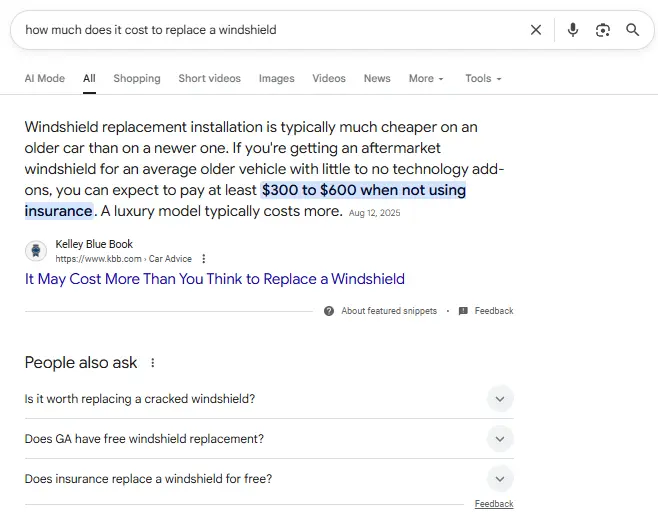
If you’ve been paying attention to SEO, you’ve seen these acronyms everywhere: AEO and GEO. They sound interchangeable. They’re not. AEO (answer engine optimization) helps your content show up as a direct answer. Think featured snippets or voice search...
 Fransebas
If you’ve been paying attention to SEO, you’ve seen these acronyms everywhere: AEO and GEO. They sound interchangeable. They’re not.
AEO (answer engine optimization) helps your content show up as a direct answer. Think featured snippets or voice search responses. GEO (generative engine optimization) is built for AI-powered results like Google’s AI Overviews and ChatGPT. GEO creates content that AI models can summarize, cite, and serve to users.
Most marketers treat these strategies like they’re the same thing. That’s a mistake.
This post breaks down the real difference between AEO and GEO, when to use each, and how to build a strategy that works with the way people (and machines) search in 2026.
Key Takeaways
AEO and GEO are both modern extensions for your current SEO strategies AEO helps your content appear as a direct answer in featured snippets and search features. GEO creates in-depth content that generative AI can summarize and cite. They serve different purposes. GEO works better for comprehensive topics; AEO targets short, answerable questions. A smart SEO strategy in 2026 includes both, depending on your goals and content types.What is AEO?
AEO stands for Answer Engine Optimization. It’s a content strategy designed to help your site appear as a direct answer in search results. You’ve seen it. Google snippets, People Also Ask boxes, voice assistant responses. That’s AEO.
Search engines shifted from listing links to answering questions directly. AEO helps your content align with that shift by making it easy for search engines to understand and serve.
How it works:
Write content around specific, searchable questions. Use headers that mirror the way people search. Follow with short, clear answers. Add schema markup like FAQ or HowTo to improve eligibility for rich results.AEO focuses on creating content that’s clean, relevant, and easy to parse. Businesses answering high-intent queries (like “how much does X cost” or “what is the best Y for Z”) see fast results with AEO.
AEO helps you meet users in the moment they need answers and gives your site a shot at showing up before competitors even get a click.
What is GEO?
GEO stands for generative engine optimization. GEO addresses how AI-powered search engines now generate answers. Instead of listing links or pulling quotes, AI models summarize information from multiple sources, often without sending a single click your way.
With GEO, you position your content to become a trusted source that AI systems cite, summarize, or build from. You’re not just trying to rank.
What matters most for GEO:
Longform, helpful content that answers complex topics completely. Demonstrated expertise (author bios, credentials, original insights). Fresh data, sources, and citations that AI models trust. Clear formatting that machines can parse but humans still find useful.GEO matters more as tools like Google’s AI Overviews and Bing’s Copilot shape the SERP experience. If your content lacks depth or clarity, it won’t get featured.
As AI-generated search results become standard, GEO helps you stay visible even when there’s no traditional snippet or blue link.
GEO vs AEO: The Core Differences
GEO and AEO serve different purposes in modern SEO. One helps you show up as an answer. The other helps you become the source.
AEO is best for:
Appearing in featured snippets, answer boxes, or “People Also Ask” Answering short, direct questions with structured content Using headers that match common search phrases Adding schema markup like FAQ or HowTo Targeting high-intent keywords like product comparisons or service pricing Improving visibility in traditional search resultsGEO is best for:
Being cited in Google’s AI Overviews or Bing’s Copilot summaries Publishing detailed content with original data and strong expertise Including author bios, credentials, and experience indicators Citing reputable sources and updating content regularly Writing guides or thought leadership that solve complex questions Staying visible as search engines shift toward generative answersYou don’t need to choose one or the other. AEO helps you win high-visibility spots for quick answers. GEO helps you earn trust and long-term visibility. The best strategies use both.
When Should You Prioritize One Over the Other?
Use AEO when: You want quick visibility for specific, question-based queries. This works well for:
Service businesses targeting local search Product comparisons or cost-related questions Short-form content like FAQs or support articles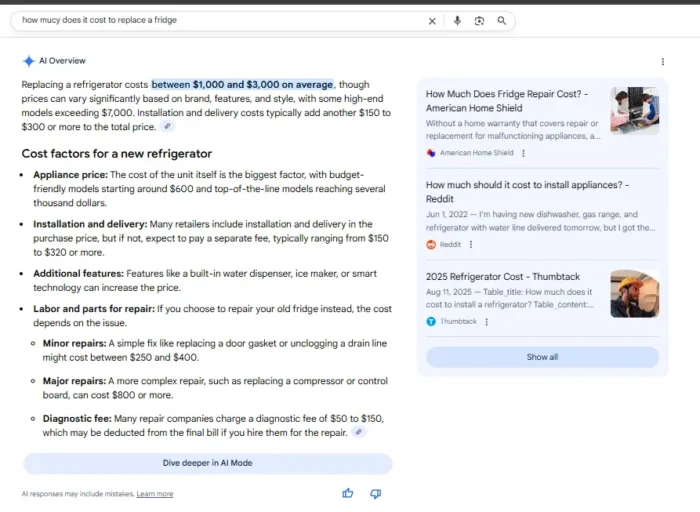
Use GEO when: You’re building authority or competing on informational depth. Best for:
Longform guides and evergreen content Thought leadership or expert breakdowns Topics that benefit from original data or multiple perspectives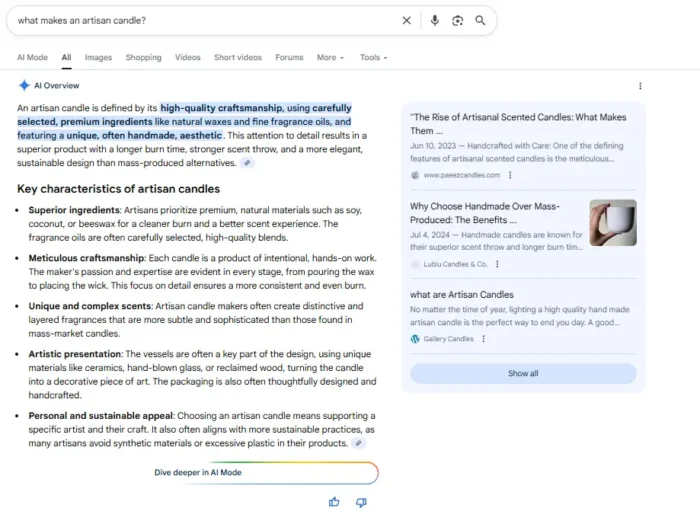
Most businesses benefit from a mix. AEO captures search features quickly. GEO builds lasting trust and relevance as search evolves.
Think of them as complementary tools. The right strategy depends on who you’re targeting and what content you’re creating.
How to Optimize for AEO
To succeed with answer engine optimization, you need to structure your content the way search engines expect it.
Here’s where to start:
Write headers as clear, direct questions. Follow each question with a short, to-the-point answer. Aim for two to four sentences. Use bullet points, numbered lists, or short paragraphs to improve scanability. Add like FAQ or HowTo schema to help search engines understand the format. Target keywords that show featured snippets or “People Also Ask” boxes in the results.This kind of content works best when it gives the reader a fast, helpful answer and signals to Google that it’s ready to be used in search features.

If you’re not sure where to begin, look at keywords already showing rich results. That’s where answer engine optimization gives you the best shot at quick visibility.
How To Optimize for GEO
Generative engine optimization focuses on making your content useful to AI. That means going beyond surface-level advice and creating content that’s reliable, comprehensive, and trustworthy.
Here’s what to prioritize:
Write longer, in-depth content that covers the full context of a topic. Use original insights, quotes, or proprietary data whenever possible. Include clear author bios that show subject matter expertise. Add reputable outbound links to support your claims. Keep your content updated and show a visible “last modified” date.AI-powered search features pull from sources that demonstrate experience and authority. If your content looks like it was written for real people and backed by real experts, it’s more likely to be cited.

AI-powered features are changing how content gets discovered, which is why it’s important to keep pace with ongoing search engine trends. When you understand how engines choose and surface content, you can create pages that are more likely to be summarized or cited.
Common Mistakes When Implementing AEO and GEO
I see businesses make the same mistakes with AEO and GEO. Here’s what to avoid.
Treating them as mutually exclusive. You don’t pick one and ignore the other. Your FAQ page needs AEO. Your comprehensive guide needs GEO. Most content benefits from both approaches applied strategically.
Optimizing for machines at the expense of humans. If your content reads like it was written for an algorithm, you’ve gone too far. AI models favor content that serves real people. Write for humans first, then add the technical elements that help machines understand.
Ignoring content freshness. This kills GEO. AI models prioritize current information. If your comprehensive guide hasn’t been updated in two years, it won’t get cited. Set a schedule to review and refresh your GEO content.
Skipping schema markup for AEO. Schema is the difference between hoping for a featured snippet and actually getting one. FAQ and HowTo schema takes minutes to implement. Use it.
Not tracking results separately. You need to know which strategy drives which outcomes. Track featured snippet appearances for AEO content. Monitor AI Overview citations for GEO pieces. Without separate tracking, you’re flying blind.
The biggest mistake? Doing nothing because you’re overwhelmed. Start small. Pick one piece of content for AEO optimization and one for GEO. Learn what works for your audience, then scale from there.
FAQs
What is the difference between AEO and GEO?
AEO is focused on structuring content for direct answers in search results, like featured snippets or “People Also Ask” boxes. GEO is about creating trustworthy, in-depth content that AI tools can summarize or cite.
Is AEO just a new name for SEO?
No. AEO is a specific part of SEO that targets how search engines deliver answers, especially for short-form, question-based content. It works alongside your broader SEO efforts, including technical, on-page and content optimization, not in place of them.
How is GEO changing SEO strategies?
GEO requires marketers to prioritize quality, authority, and freshness. It’s shifting the focus from simply ranking on page one to being used as a source in generative AI experiences.
Conclusion
AEO and GEO are core parts of how search works today.
AEO helps you win visibility in high-intent, answer-focused moments. GEO positions your content to be referenced and repurposed by AI tools that are reshaping how people get information.
The smartest now combine both. You target quick wins with AEO while building long-term authority through GEO.
As search continues to evolve, your content should too. Keep it helpful. Keep it credible. Make sure it’s built to show up, whether a human or an algorithm is doing the reading.
Want help optimizing for both AEO and GEO? Check out my SEO consulting services for hands-on support with building your strategy.





















.jpg&h=630&w=1200&q=100&v=1a56ad72fe&c=1)