Glyphosate Isn't Just A Weed Killer — Here's What It's Doing To Us
Research suggests glyphosate may alter the gut microbiome.
 UsenB
UsenB

Image by Inuk Studio / Stocksy June 17, 2026 You've probably heard of Roundup. Maybe you've used it in your garden, or maybe you've seen the headlines about lawsuits and cancer risk. But there's another story unfolding below the surface, one that has less to do with cancer and more to do with the trillions of microbes living in your gut right now. Glyphosate, the active ingredient in Roundup, is the most widely used herbicide in the world. Roughly 90 percent of soybeans, corn, beets, and canola grown in the United States are farmed using glyphosate-resistant crops, meaning the herbicide is sprayed directly on the fields where our food grows. It ends up in our water, our crops, and our bodies. And according to a growing body of research, it may be quietly disrupting one of our most important health systems: the gut microbiome.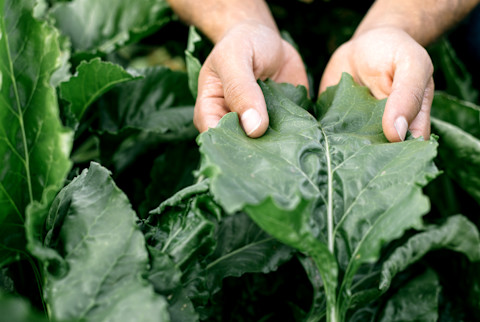
How glyphosate works & why your gut bacteria care
Glyphosate kills weeds by blocking a specific biochemical process that plants rely on to make certain essential nutrients. Because our bodies don't use this same process, glyphosate was long considered safe for humans.
But there was a significant blind spot; that same biochemical process isn't just found in plants. A wide range of gut bacteria depend on it too, including many of the beneficial species that keep us healthy.
In 2010, Monsanto was granted a patent on glyphosate as an antimicrobial agent. You read that right.
The most widely used herbicide in the world is also, officially, an antibiotic. And like any antibiotic, it doesn't discriminate between the microbes you want to eliminate and the ones you need to survive.
What the research shows
The science on glyphosate and the gut microbiome has accelerated in recent years, and the findings are consistent enough to warrant serious attention.
In one mouse study, animals exposed to low doses of glyphosate over 90 days showed significant shifts in gut bacteria, with beneficial bacteria reduced while groups linked to gut dysbiosis and intestinal inflammation increased.
Bacteria that produce butyrate (a short-chain fatty acid that supports gut lining repair and immune regulation) were depleted, as was Bifidobacterium, one of the most well-known beneficial strains.
Analyzing research across multiple animal models, the review found that glyphosate can disrupt gut bacteria, increase gut permeability (often called "leaky gut"), interfere with the mucus layer that protects the gut lining, and cause physical damage to the intestinal wall. The authors noted that these changes have been linked to conditions including Crohn's disease and Alzheimer's disease.
Some farmers also use glyphosate as a desiccant, spraying it on crops like oats, chickpeas, lentils, and beans just before harvest to dry them out. Because these crops absorb the herbicide directly, the glyphosate cannot be washed off.
The generational concern
Yet another unsettling dimension of the glyphosate story is what it may mean for future generations.
Research on prenatal glyphosate exposure1 in mice examined doses as low as 0.01 mg/kg/day (the estimated Average American Diet level, more than 100 times below the EPA's acceptable daily intake).
Even at that low dose, the study found disruptions in metabolic, immune, and behavioral markers that persisted into the second generation of offspring.
The findings included goblet cell depletion, reduced mucin-2 expression (a key component of the gut's protective mucus layer), and pro-inflammatory cytokine profiles in both first- and second-generation offspring.
Behavioral deficits were also observed, including reduced locomotion and impaired working memory.
Akkermansia muciniphila, a bacterium closely linked to gut barrier integrity and metabolic health, was depleted in exposed animals, while bacteria associated with metabolic and neurological vulnerability were elevated.
The gut-brain connection
The microbiome doesn't just affect digestion. It communicates directly with the brain via the gut-brain axis, a two-way network that influences mood, cognition, and neurological health.
So when glyphosate disrupts the microbiome, the downstream effects may extend well beyond the gut.
Beneficial species like Lactobacillus and Bifidobacterium (both sensitive to glyphosate) fall into a class of microbes called psychobiotics, which have measurable effects on mood and cognition when present in sufficient quantities.
When these populations are depleted, the gut-brain axis loses some of its most important communicators.
The prenatal exposure study mentioned earlier adds further weight to this side of the story, as glyphosate-exposed mice showed reduced serum kynurenine, a precursor to neuroactive metabolites, along with molecular markers of enteric neuroinflammation
How to protect your microbiome from glyphosate
The research is still evolving, and completely eliminating glyphosate exposure isn't realistic. But there are meaningful steps you can take.
If you're currently on antibiotics or have recently taken a course, the same principles apply. Supporting your gut during and after antibiotic use can help rebuild the microbial diversity that both antibiotics and glyphosate can deplete.
The takeaway
Glyphosate was designed to kill plants, but the science increasingly shows it is also disrupting the microbial ecosystems inside us. From gut imbalances and intestinal inflammation to potential effects on mood and future generations, the research paints a picture that deserves more attention than it has received. Knowing where glyphosate hides and how to counter its effects is a great place to start.