Startup Marketing Campaigns That Teach Us the Most About Growth
A splashy ad grabs attention, racks up LinkedIn likes, and completely fails to generate revenue. The most effective startup marketing campaigns focus on building a sustainable business from day one. In the beginning, you start at zero. Brand awareness...
 JaneWalter

A splashy ad grabs attention, racks up LinkedIn likes, and completely fails to generate revenue. The most effective startup marketing campaigns focus on building a sustainable business from day one.
In the beginning, you start at zero. Brand awareness is nonexistent, customer data is patchy, budgets are tight, and the product evolves every single week. High-gloss creative work made purely for attention quickly turns into an expensive mistake. Successful campaigns double as rapid research. They test messaging, reveal who actually cares, and earn genuine trust. Most importantly, they guide real people straight toward adoption.
Research from Aalto University describes startup marketing as a learning system built around experimentation, feedback and evidence-based decisions. Its review identified four central themes: monetisation and business-model design, market scope and competitiveness, signalling and framing, and marketing as a learning system. The research also found that startups benefited from validating product-market fit before making major investments in promotion.
Another research titled The Key Principles of Startup Marketing, offers this schema for development strategy for startups:
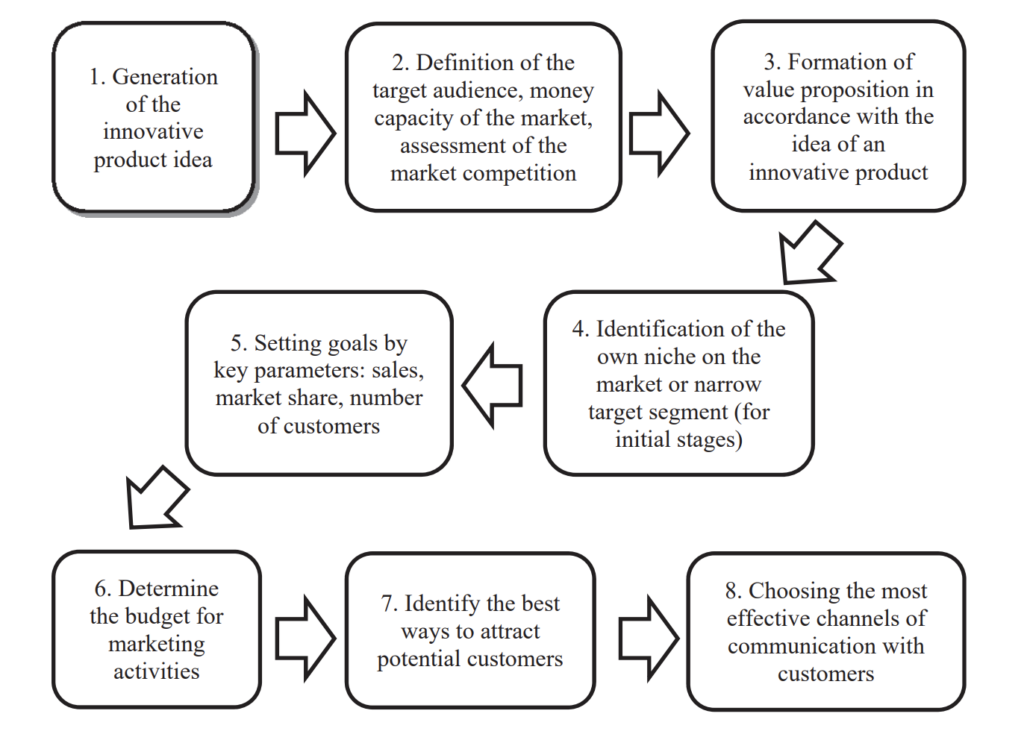
This perspective matters when we study the best marketing campaigns for startups. A viral video is useful only when the attention reinforces the product, positioning or distribution model. A controversial activation can create enormous awareness, but attention without trust may produce weak retention. A polished brand film may strengthen perception, yet it still needs a route into acquisition.
The 15 campaigns below show several paths to growth. Some use entertainment; others turn product activity into social content, create referral loops, occupy physical spaces, or build cultural partnerships. So, all of them offer practical lessons for creating marketing campaigns for startups across SaaS, technology, fintech, consumer apps, marketplaces, and direct-to-consumer brands.
Inside Best Startup Marketing Campaigns
What Makes a Startup Marketing Campaign Successful? 15 Best Startup Marketing Campaigns That Drove Growth (by Sector) SaaS Startup Marketing Campaigns Lovable — Some Ideas Are Too Loud to Ignore (2026) Cluely — Cheat on Everything (2025) Higgsfield — World’s First Ever AI Action Series – Arena Zero (2026) Tech Startup Marketing Campaigns Perplexity — The Garage featuring Lewis Hamilton & Eric André (2025) Friend — New York Subway Takeover (2025) Nothing — MILLI (2026) Fintech Startup Marketing Campaigns Zilch — Spend with Benefits (2025) Cleo — Designed for the Future (2025) Consumer App Startup Marketing Campaigns Airalo — Relying on WiFi Devices for Your Business Travel? (2019) Beli — Social Restaurant Ranking Marketplace Startup Marketing Campaigns Back Market — Back Market Refurbished Beach Bod (2022) Whatnot — Creator-Led Live Shopping Too Good To Go — Step Up for the Planet with Too Good To Go (2025) E-commerce and DTC Startup Marketing Campaigns Graza — The Harvest (2026) Liquid Death — Liquid Death x e.l.f. Cosmetics the Sequel: Lip Embalm (2026) Startup Marketing Strategies for Different Stages of Growth Common Strategies Behind the Best Startup Marketing Campaigns Startup Marketing Tactics Across Different Marketing Channels Low-Budget Marketing Strategies for Early-Stage Startups Frequently Asked Questions about Startup Marketing CampaignsWhat Makes a Startup Marketing Campaign Successful?
A successful startup marketing campaign connects five elements: a recognisable customer problem, a sharp point of view, a suitable distribution channel, a clear action and measurable business value.
The first requirement is relevance. Startups rarely have enough budget to educate an entire market through repetition. The campaign must enter a conversation the audience already understands. Second, the campaign needs a distinctive idea. Distinctiveness does not always mean shock or humour. It can come from an original format, a memorable visual system, a specific media placement or a product experience people naturally discuss. Third, the media choice must support the idea. A startup selling a social product needs social circulation. A local consumer service may benefit from outdoor media, communities or events. A high-intent B2B product may gain more from search, founder content and targeted paid campaigns. Fourth, the campaign needs a measurable commercial path. Buzinga, the app developer, recommends tracking acquisition, engagement, behaviour and retention, then selecting three to five indicators for each relevant category. It also highlights acquisition volume, channel contribution, cost per acquisition and conversion as basic campaign measures.A campaign can generate millions of views and still underperform when those views fail to produce qualified traffic, registrations, purchases or stronger brand consideration. So, we can say that startup marketing should function as both promotion and learning.
15 Best Startup Marketing Campaigns That Drove Growth (by Sector)
We assessed each startup marketing campaign against six criteria:
Does the campaign give the company a recognisable place in its category? Does the creative idea reflect the actual product, customer problem or business model? Is the format designed for the channels through which the target audience discovers and discusses products? Does the campaign support acquisition, referral, retention, community activity or earned media? Are there credible indicators such as viewership, customer growth, marketplace activity, press coverage or participation? Can brands, agencies and marketers apply the underlying principle without copying the execution?The list is not a ranking of production budgets or positive public sentiment. Some campaigns attracted criticism. They are included because they generated meaningful market attention and reveal useful lessons about risk, differentiation and cultural timing.
SaaS Startup Marketing Campaigns
Lovable — Some Ideas Are Too Loud to Ignore (2026)
Lovable’s campaign is an emotional brand film for an AI software-building platform. It turns an abstract product promise (helping people create applications) into a human story about an idea that refuses to disappear.
The film follows a creative impulse that behaves like an earworm. It interrupts daily life until the central character uses Lovable to turn the idea into a working product. The campaign positions software creation as a form of personal expression, not an activity reserved for engineers.
Good ideas don’t wait quietly. They follow you around until you do something about them.
This project is about that one idea – the one that hums in the back of your mind, shows up on your commute, interrupts your sleep. The one you can’t shake.
For every idea, there’s Lovable.
Why it worked
It sold the emotional outcome before explaining the technology. It gave non-technical viewers a role in the story and reduced the psychological distance between having an idea and building software. The earworm metaphor also gave Lovable a memorable creative device. The film made the product feel accessible while preserving a sense of creative ambition.Cluely — Cheat on Everything (2025)
Cluely’s launch is a provocation-led product campaign. It presents an AI assistant that can read a user’s screen, listen to conversations and provide hidden real-time responses during meetings or other interactions.
The campaign film places founder Roy Lee on a date and shows him using Cluely to support misleading claims about himself. The “Cheat on Everything” line is intentionally confrontational. It frames AI assistance as an inevitable extension of calculators, search engines and workplace software while inviting an ethical argument.
Cluely later adjusted its positioning toward meeting support, notes and real-time assistance. Its current product messaging presents the tool as an undetectable AI meeting assistant.
Why it worked
It turned the product launch into a public debate. People shared the film to praise, criticise and question it. Each reaction expanded distribution. The slogan also communicated the product’s core capability instantly. The creative execution showed the interface in a socially uncomfortable situation, which made the technology easy to understand. The attention supported aggressive business momentum. Cluely raised a $15 million Series A led by Andreessen Horowitz in June 2025, and its founder publicly set a target of one billion cross-platform views.Higgsfield — World’s First Ever AI Action Series – Arena Zero (2026)
Arena Zero is a branded entertainment campaign built to demonstrate an AI video platform through a long-form action series. Higgsfield does not limit the product demonstration to interface recordings or short examples. It creates the type of entertainment its tools are designed to support.
The campaign presents AI filmmaking as a production format with characters, cinematic sequences and an expandable story world. Higgsfield also frames the project as the beginning of a platform where audiences can discover AI-generated films and vote on concepts they want to see developed.
Why it worked
Arena Zero worked because the demonstration was the marketing asset. Every scene provided evidence of the platform’s intended value. The series format also gave Higgsfield more room than a conventional software advertisement. It created material for trailers, behind-the-scenes breakdowns, creator reactions and technical discussion. The campaign could reach filmmakers, AI enthusiasts, agencies and general entertainment audiences through different entry points.For SaaS startups, this is a useful model: build a flagship piece of work that proves the product can support an ambitious outcome.
Tech Startup Marketing Campaigns
Perplexity — The Garage featuring Lewis Hamilton & Eric André (2025)
The Garage is a celebrity-led comedy short for Perplexity. Seven-time Formula 1 champion Lewis Hamilton plays a motorcycle enthusiast, while comedian Eric André appears as an unhelpful neighbour who turns to Perplexity when he needs an answer.
The campaign uses the contrast between Hamilton’s precision and André’s chaotic persona to dramatise curiosity, problem-solving and the value of asking useful questions. Perplexity sits inside the story as a practical research tool, not as a separate product demonstration.
Why it worked
The campaign worked because the casting carried the positioning. Hamilton represented expertise, preparation and performance. André brought unpredictability and broad entertainment value. The partnership also placed Perplexity inside sport, comedy and internet culture at the same time. That widened the potential audience without forcing the company to abandon its core message about curiosity and answers.Friend — New York Subway Takeover (2025)
Friend’s campaign is a high-frequency outdoor takeover for an AI companion pendant. The minimalist advertisements use short copy and images of the wearable to make the brand nearly impossible to avoid across New York’s subway system.
The company spent more than $1 million on over 11,000 subway car cards, more than 1,000 platform posters and 130 urban panels.
The physical campaign quickly became a social campaign. New Yorkers wrote critical messages on the advertisements, posted photographs online and debated AI companionship, surveillance and loneliness.
Why it worked
The takeover worked as an awareness campaign because scale became part of the story. The brand did not merely buy subway placements. It created the feeling that Friend had occupied the city. Public criticism further increased reach. Photographs of modified posters travelled far beyond New York, and Heineken later responded with its own parody campaign. This extended Friend’s cultural visibility without additional media from the startup. The campaign also showed the limits of attention as a growth metric. High awareness did not automatically resolve privacy concerns or explain long-term product value. Agencies using provocative outdoor media need plans for education, trust and conversion after the public reaction begins.Nothing — MILLI (2026)
Here is an ambassador-led brand film featuring Thai artist MILLI. The work brings Nothing’s product design into a visually expressive entertainment format shaped by music, fashion and the artist’s personality.
The campaign features Nothing’s Phone (3) and Phone (4a) series. It presents the devices as cultural objects and style choices, expanding the message beyond technical specifications. The film had generated more than 5.3 million YouTube views when indexed.
Why it worked
The partnership and Y2K trend matched Nothing’s design-led identity. MILLI brought an established visual world and an audience already comfortable with expressive, unconventional creative work. The film supported regional relevance. Nothing used the product as part of the artist’s world and that helped the campaign feel like entertainment and made it easier for fans to share.Fintech Startup Marketing Campaigns
Zilch — Spend with Benefits (2025)
It’s an integrated fintech marketing campaign positioning Zilch as a payment service that gives customers additional value when they spend. (We likened the brand to Wise and Revolut in the way they position themselves.)
The rollout combines outdoor, digital, video and publisher partnerships. It includes a full Metro newspaper wrap across the working week, with different benefits receiving emphasis on different days. The campaign also uses homepage takeovers, app placements and multi-city media.
Zilch launched the activity after passing five million registered customers in less than five years.
The company described it as its largest marketing campaign at that point.
Zilch launches its largest marketing campaign to date, with a multi-city media takeover highlighting all the extra benefits that customers get when they pay with Zilch.
The company has now surpassed 5 million customers (1 in 7 UK working adults) and saved its customers over £750 million in interest and fees accelerating Zilch’s mission to eliminate the £15 billion annual burden of high-cost credit for UK consumers by traditional credit providers.
Why it worked
Fintech advertising often becomes crowded with technical payment language, reward structures and eligibility details. “Spend with Benefits” compressed the proposition into a phrase that was easy to repeat. The partnership with high-reach news brands gave Zilch frequency and public legitimacy. Daily Metro wraps also created several opportunities to explain the proposition, helping the campaign combine a memorable brand line with functional information.Cleo — Designed for the Future (2025)
Here is another fintech brand film presenting AI as a tool for addressing the universal challenge of managing money.
The campaign positions Cleo as a financial assistant built for people who expect technology to be conversational and personal. It connects the product to a broader future-facing story while keeping money management at the centre.
Why it worked
Even though it’s a low-budget, simple campaign with no great number of views, it connected a familiar customer anxiety to an optimistic technology narrative. Cleo’s established personality also gave the positioning credibility. The brand had already built recognition through direct language, humour and personalised financial interactions.Fintech brands should still remember that brand promises and customer experience must remain aligned. Financial marketing carries a high trust requirement, and every claim needs strong product, compliance and service support.
Consumer App Startup Marketing Campaigns
Airalo — Relying on WiFi Devices for Your Business Travel? (2019)
Airalo’s campaign is a problem-solution product video for travellers who depend on public Wi-Fi or carry separate connectivity devices.
The film introduces the inconvenience first, then presents Airalo’s eSIM marketplace as a faster route to mobile data. The product explanation is practical: users select a suitable eSIM, install it digitally and top up during travel.
Why it worked
The campaign worked because it focused on a specific use case. Business travellers already understood the frustration of searching for Wi-Fi, managing roaming fees or carrying additional hardware. The campaign showed the old behaviour, introduced the alternative and reduced uncertainty around installation.This type of direct product education is especially useful when a startup is introducing customers to an unfamiliar product category. Clear explanation can be a stronger growth tool than elaborate storytelling during the first stage of adoption.
Consumer App Startup Marketing Campaigns
Beli’s growth model is a product-led social campaign embedded inside the app. Users rank restaurants, organise personal lists, follow friends and receive recommendations based on their dining activity.
Notifications alert users when someone they know joins. Referral-based features and friend activity create reasons to invite others because the product becomes more valuable as the user’s network grows.
Beli now has more than 120 million restaurant ratings across 50,000 cities, according to a July 2026 profile of the founders.
Why it worked
Sharing was connected to the product’s core utility. Friends improved recommendations, rankings and discussion. The app itself replaced a broad public review score with a personal ranking system. This gave users content they could compare outside the app: favourite restaurants, disagreements, wish lists and dining histories. Beli showed how a consumer startup can make the product itself the startup marketing strategy. Each new user, ranking and shared list increased the amount of useful content available to the network. (And it’s kind of high-level UGC marketing!)Marketplace Startup Marketing Campaigns
Back Market — Back Market Refurbished Beach Bod (2022)
It is a humour-led sustainability campaign for refurbished electronics marketplace Back Market.
The campaign borrows the language of body transformation and applies it to technology. It treats refurbishment as a positive upgrade, helping reposition second-hand electronics as desirable purchases instead of inferior substitutes.
The exaggerated title and comic presentation fit Back Market’s wider effort to challenge the culture of replacing functioning devices with newly manufactured products.
Why it worked
Humour made a sustainability message easier to engage with. Electronic waste and overproduction can feel abstract, technical or moralising. The creative idea supported category reframing. “Refurbished” became associated with renewal, confidence and smart consumption. This helped the company compete not only on price, but also on identity and values.Whatnot — Creator-Led Live Shopping
Whatnot’s creator-led model is an always-on marketplace campaign in which sellers function as hosts, entertainers and community leaders.
Livestreams combine auctions, product demonstrations, conversation, giveaways and collector expertise. Marketplace activity produces its own media, giving Whatnot a continuous flow of content without separating marketing from commerce.
Whatnot generated more than $3 billion in live sales during 2024, according to Vogue. The source also reported that users bought an average of 12 items per week and watched streams for around 80 minutes per day.
Why it worked
No doubt, the model worked because sellers brought products, expertise, audiences and entertainment into the same experience. Viewers could ask questions, watch bidding unfold and develop familiarity with individual hosts. Real-time auctions added urgency, while specialist communities created trust and shared identity. The experience felt closer to visiting a collector event or local market than browsing a static catalogue.Too Good To Go — Step Up for the Planet with Too Good To Go (2025)
And here is a purpose-led campaign connecting food-waste reduction to everyday consumer action.
The campaign presents rescuing surplus food as a practical environmental step. The brand positions the app as a way for users, retailers and food businesses to participate in climate action through routine purchasing behaviour.
Why it worked
It focused on a large environmental issue and translated it into a clear action. They could open the app and rescue available food. The message also linked impact with immediate customer value. Users could access food at lower prices while helping businesses recover value from surplus inventory. That dual benefit strengthened the campaign. Purpose became part of the transaction, not an additional corporate statement placed around it.E-commerce and DTC Startup Marketing Campaigns
Graza — The Harvest (2026)
That is an absurdist product-quality film within Graza’s “Seriously Serious” campaign. It presents the timing of the olive harvest as an intense, almost surreal operation. The film mixes traditional agricultural craft with contemporary art direction. It communicates that Graza takes product quality seriously, while the strange visual world preserves the brand’s playful voice.
The wider campaign includes three films. One focuses on 22,353 testing spoons used while developing Graza’s mayonnaise, another introduces twin olive-oil testers, and The Harvest focuses on picking olives at the right moment. Graza described the work as its largest paid campaign at the time.
Why it worked
Graza used cinematic exaggeration to make the facts memorable. The work also protected the brand’s personality as it expanded into mayonnaise and larger partnerships. Humour, colour and strange characters created continuity across the growing product range.Liquid Death — Liquid Death x e.l.f. Cosmetics the Sequel: Lip Embalm (2026)
Lip Embalm is a cross-category product collaboration between canned-water brand Liquid Death and cosmetics company e.l.f.
The sequel revives the gothic world created through the brands’ earlier Corpse Paint partnership. It introduces six limited-edition lip products inspired by Liquid Death flavours, coffin-themed packaging, a campaign film, social content and a Liquid Death experience inside e.l.f.’s Roblox environment.
Why it worked
The collaboration worked because both brands already used irreverence, internet culture and unexpected product ideas. The physical product gave audiences something to collect, film, review and share. The campaign world then expanded across music, packaging, gaming, celebrity content and retail. The surprise came from the category collision, while the shared tone made the collision believable.Startup Marketing Strategies for Different Stages of Growth
Pre-Launch and Early-Stage Startups
At the earliest stage, marketing should test the problem, audience, message, and route to acquisition, as you already know. At the same time, founders need conversations, landing-page tests, prototypes, waitlists, and small paid experiments.
Riina Siltanen’s 2025 bachelor’s thesis, Marketing Strategies Supporting the Growth of Startups found that hypothesis-led marketing helped startups validate assumptions about customers, pricing and channels before committing major resources. It also warned that scaling sales or marketing before achieving product-market fit increased risk.
Successful startups prioritize hypothesis-driven testing, continuous learning, and adaptable business models. Effective communication and right-time market experimentation are central to building credibility, attracting investors, and scaling sustainably.
The objective is not maximum reach, but useful evidence. A campaign that brings 100 highly relevant prospects may teach the team more than a viral post that attracts 100,000 disengaged visitors.
A credible website and clear product journey also matter at this stage. Startups developing their first digital presence can assess specialist partners through this guide to web design agencies for startups and small businesses.
Product-Market Fit Stage
Once early customers gain real value from the product, marketing should identify the most repeatable acquisition signals.
Teams can study which customer segments activate fastest, which messages lead to retention and which product actions predict long-term use. They should also improve onboarding, lifecycle communication, referrals and customer proof.
User experience becomes central. A campaign can create interest, but confusing navigation or weak onboarding can waste the demand. Brands reviewing outside support can explore these UX and UI design agencies for startups and small businesses.
Growth-Stage Startups
Growth-stage companies need to turn winning experiments into integrated systems. Brand, content, paid media, partnerships, lifecycle marketing and product growth should support the same positioning.
The team can expand channel investment, but each channel still needs an economic role. Paid search may capture demand. Creator campaigns may generate discovery. Email may improve activation. Partnerships may open new audiences.
Startups seeking broader support across these functions can compare digital marketing agencies for startups.
Scaleups
Scaleups need stronger brand governance, local market adaptation and more advanced incrementality measurement. The challenge changes from finding a working message to maintaining clarity across regions, products and teams.
At this stage, marketing should protect distinctive brand assets while giving local teams enough flexibility to respond to culture and channel behaviour. Scaleups also need clear rules for partnerships, reputation risk, customer data and media efficiency.
Common Strategies Behind the Best Startup Marketing Campaigns
Product-Led Growth
Product-led growth turns usage into acquisition and expansion. Beli’s social rankings, Whatnot’s livestream marketplace and Airalo’s direct digital installation each make the product central to marketing.
The strongest product-led loops give users extra value when they invite people, create content or complete meaningful actions. At that stage, remember that referral prompts alone do not create product-led growth; the invited user must improve the experience.
Referral and Viral Marketing
Referral growth works when sharing feels relevant to the customer’s goal:
A restaurant-ranking app benefits from friends joining. A collaborative software product benefits from colleagues joining. A marketplace benefits from buyers following sellers.Marketers should examine invitation rate, acceptance rate, activation and retention by referral source. A high number of invitations means little when referred users fail to experience value.
Content-Led Growth
Content-led growth uses useful or entertaining material to attract audiences before a sales interaction. Take Higgsfield’s series as an example; it demonstrates product capability. Or Graza’s film, it turns manufacturing facts into stories. Founder content can explain category shifts and build trust.
So, we can say that effective content should have a defined role in discovery, evaluation, onboarding or retention.
Community-led growth builds connections among customers, creators or specialists. Whatnot’s collector communities make the platform entertaining even before a viewer buys. For example, Beli gives friends a shared language for discussing restaurants.
Communities need identity, recurring activity and member value. A company-owned group with promotional posts is not enough, no doubt.
Influencer and Creator Marketing
Mentioned above, creators can provide audience access, cultural interpretation, and credible product demonstration. Nothing’s work with MILLI shows how talent can place a technology product inside a distinct cultural world.
Brands should select creators based on audience fit, content ability, and product relevance. While selecting brand faces & influencers, follower count is only one input. The creator must be able to translate the product into material their audience values.
Founder-Led Marketing
Founders can bring speed, authority and a recognisable voice. Founder-led marketing works best when the founder has genuine expertise or a strong connection to the problem. It becomes fragile when every company message depends on one personality or when provocation overtakes product credibility.
Or, Mosserie’s videos can be accepted as founder-led marketing examples:
Performance Marketing
Performance marketing gives startups a controlled way to test audiences, messages and offers. It can support search capture, app installs, lead generation, retargeting and direct sales.
Teams should connect ad metrics with customer quality. Low cost per lead can hide poor conversion, weak retention or high support costs. Startups seeking specialist management can review these PPC marketing agencies for startups and small businesses.
Partnerships and Co-Marketing
Partnerships allow startups to borrow distribution, credibility and creative energy. Liquid Death and e.l.f. reached overlapping audiences through a product neither company would have created alone. Zilch used publisher relationships to build reach and frequency.
Strong co-marketing gives each partner a clear benefit and gives the audience an experience that feels more valuable than two logos placed together.
Startup Marketing Tactics Across Different Marketing Channels
Search Engine Optimization and Content Marketing
SEO helps startups capture existing demand and educate customers around emerging problems. So:
Start with customer questions, comparison searches, use cases and high-intent category terms. Reflect the buyer journey with native & organic content. Create awareness with educational articles. Support evaluation via templates and tools. Create social proof with case studies. Capture action through well-built and UX-friendly product pages.For a new category, search data can also reveal the language customers use before they know the product name.
Paid search is effective when customers already express clear intent. On the other hand, paid social is useful for creative testing, demand generation and retargeting. We recommend startups:
Build tests around specific hypotheses. Compare problem-led messages, benefit-led messages, demonstrations, customer proof and founder stories. Set limits before each experiment and judge results using downstream conversion data.Social media gives startups rapid feedback. It can reveal which messages attract response, which objections appear repeatedly and which customer stories spread. It is best to choose formats that suit the platform. Product demonstrations, founder commentary, customer transformations, entertainment and behind-the-scenes content each serve different purposes.
While doing that, avoid copying trends that have no connection to the product. Temporary reach rarely builds durable positioning.
Email and Lifecycle Marketing
Email is one of the most controllable startup channels. It can support waitlists, onboarding, education, activation, abandoned journeys, renewal and referrals.
Lifecycle messages should respond to user behaviour. A person who has not completed setup needs different communication from an active customer exploring advanced features.
Influencer and Creator Partnerships
Give creators enough freedom to communicate in their own style, but:
Establish clear claims, disclosures and brand boundaries. Brief them on the customer problem and desired outcome (not only product features!) Track content quality, qualified traffic, assisted conversion and reusable creative assets. Remember some creator partnerships create value long after the initial post.Communities and Events
Small events, webinars, workshops and user groups can be effective for B2B products and high-consideration services. They help teams hear customer language directly and build relationships with early advocates.
The best early events solve a real problem for attendees. A useful workshop can produce stronger trust than a highly branded presentation.
Low-Budget Marketing Strategies for Early-Stage Startups
Low-budget startup marketing strategies should concentrate resources where learning and distribution overlap.
👉🏻You can start by sharing your own journey to introduce yourself:
👉🏻Focus on a narrow audience and a single urgent problem. Interview customers, build a focused landing page and create content that answers the questions heard during those interviews.
While doing that, use your expertise to participate in relevant communities, podcasts and industry conversations.
👉🏻When you get your customers, turn early customers into proof: Detailed case studies, testimonials, usage examples and referral prompts can give prospective buyers confidence without a major media investment.
👉🏻Reuse strong ideas across formats. One original research finding can become an article, webinar, email series, founder post, sales asset and PR pitch.
One customer story can become video, social proof and onboarding content.
👉🏻Small paid campaigns can test language before a larger launch. Organic content can identify topics worth supporting with media. Partnerships can provide access to audiences the startup could not afford to build alone.
As we mentioned before, every activity needs a measurement role.
👉🏻Track acquisition source, activation, conversion, retention and customer quality. Stop weak experiments early and reinvest in the few ideas that produce useful evidence.
Frequently Asked Questions about Startup Marketing Campaigns
What are the best startup marketing campaigns?
The best startup marketing campaigns connect a creative idea to the product and a growth objective. Examples include Lovable’s emotional product story, Beli’s referral-driven social experience, Whatnot’s creator-led marketplace, and Liquid Death’s cross-category collaboration with e.l.f. The right example for your company depends on your stage, audience, category and distribution model, no doubt.
What makes a startup marketing campaign successful?
A successful startup campaign has a specific audience, a clear problem, memorable positioning, suitable distribution, and a defined customer action, obviously. It should also produce evidence beyond reach. Marketers need to know how the campaign influenced qualified traffic, registration, activation, sales, retention, referrals or brand consideration.
What are the best marketing strategies for startups?
Strong marketing strategies for startups include product-led growth, customer referrals, educational content, founder-led communication, communities, creator partnerships, PR and focused performance marketing. The best combination depends on how customers discover, evaluate and adopt the product.
How should marketing strategies differ by startup type?
SaaS startups often benefit from product education, free trials, founder content and customer proof. Consumer apps may rely more heavily on referrals, creators, app-store discovery and social sharing. Marketplaces, on the other hand, need supply and demand growth, so seller enablement and community activity are important. Fintech startups need trust, education and careful claim management. DTC startups can use distinctive brand assets, product storytelling, retail partnerships and creator content.
How do tech startups market their products?
Tech startups often begin with demonstrations, use cases and founder education. When the category is unfamiliar, marketing must explain the problem and show the product in action. As the company grows, it can add brand campaigns, partnerships, events, PR, communities and paid acquisition. The strongest technology marketing translates features into outcomes people understand.
What marketing tactics work best for early-stage startups?
Customer interviews, landing-page tests, small paid experiments, founder posts, direct outreach, niche communities, webinars, product demonstrations and referral programmes are useful early-stage tactics. These methods produce customer contact and learning without requiring a national campaign budget.
How can startups market themselves with a limited budget?
Focus on a narrow audience, a specific problem and channels where the team can contribute expertise. Build customer proof, create reusable content, develop partnerships and design sharing into the product. Use paid media for testing or high-intent acquisition, not as a substitute for unclear positioning.
Which marketing channels are most effective for startups?
The most effective channels are the ones that match customer behaviour and produce sustainable economics. Search is valuable for existing intent. Social platforms support discovery and testing. Email supports activation and retention. Creators provide cultural access. Communities build trust. PR can accelerate awareness when the company has a strong story.
How can a startup acquire its first customers?
Start with direct contact. Founders should speak with people who experience the problem, offer a clear solution and observe how they use the product. Early customers often come through professional networks, niche communities, partnerships, targeted outreach, small events and hands-on onboarding. These interactions also give the team language for future campaigns.
How do startups measure marketing campaign success?
Startups should connect campaign metrics to business outcomes. Useful measures include reach, branded search, qualified visits, signup rate, activation, cost per acquisition, conversion, revenue, retention, referral rate and customer lifetime value. The correct metric depends on the campaign’s job. A brand campaign may be judged through consideration and branded demand. A product-led campaign may focus on activation and referrals. A paid acquisition campaign needs customer quality and payback analysis. So, we can say that the best startup marketing campaigns do more than attract attention. They sharpen positioning, demonstrate the product, create participation and teach the company where growth can come from next.