How to have an authentic Yellowstone experience in Montana
Inspired by the hit US show, Hannah Ewens saddles up on a dude ranch and gets a taste of what Big Sky is like for the one per cent
 UsenB
UsenB

I arrived at the dude ranch in darkness, bumping along dirt roads with only my rental car’s headlights to light the way. Out in the Whitefish, Montana, countryside – where I was staying for the next six days – nightfall means nightfall.
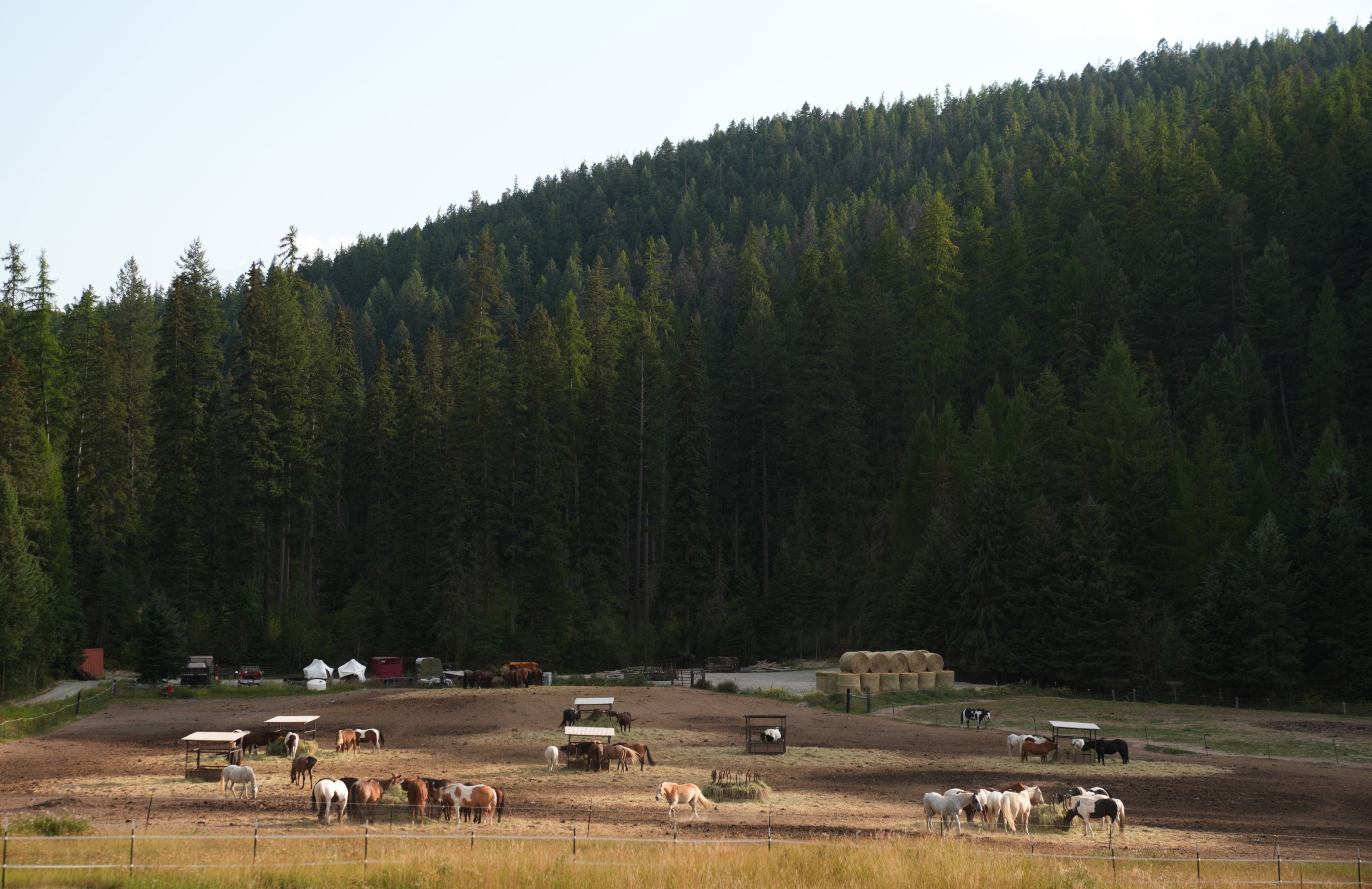
The upside of arriving in the pitch-black at Bar W Ranch is the great reveal the following morning. When I opened the cabin door onto the balcony of the two-story log cabin I’d chosen as my accommodation (glamping or staying in the main lodge are also options), I gave a cartoonish gasp. Beyond the row of wagons and against the imposing backdrop of evergreens, dozens of horses – palomino, chestnut, black, yellow dun – walked in slow lines across the fields. A mix of the dust from their hooves and the dawn mist rose into a sky of powdered blues, lilacs and greys. I heard the sound of a whip crack in the distance; a cowgirl’s holler of “git along” rang out.
As my tour guide for a trip to the nearby Glacier National Park would say, “Montana was one of the last places to be tamed here in the US – so it’s the real Wild West.”
Read more: This is the most underrated state for outdoor adventure
If you want to visit the Wild West, and Montana specifically, it’s likely that you were inspired by the freedom promised by country music lyrics or HBO’s smash hit Yellowstone about the Dutton family ranch. The state is known as “Big Sky County” for its vast horizons. Its other names are just as alluring: “The Treasure State” and, boldly, “The Last Best Place”.
For my trip of choice, I had landed at Bozeman – Montana’s busiest airport – and after a jet‑lagged look through the independent shops and restaurants housed in its downtown with Gilded Age architecture, I finally hit the road. The drive upstate to the ranch in Whitefish was slow and steady. There is nothing much to see beyond fields and cows and the odd drive-by town.
Whitefish itself is more famous for skis than stirrups, yet my September visit was ideal for horse riding. The temperate weather was road trip-friendly and great for for visiting Glacier National Park.
Every morning I woke to that mesmerising sight of horses crossing the vista, then walked past wagons, stables and goat pens to the fire pit, where a rancher brewed “cowboy coffee”. Made in a cast-iron pot with boiling water and ground coffee, a theatrical splash of ice-cold water somehow forces the coffee grounds to sink.
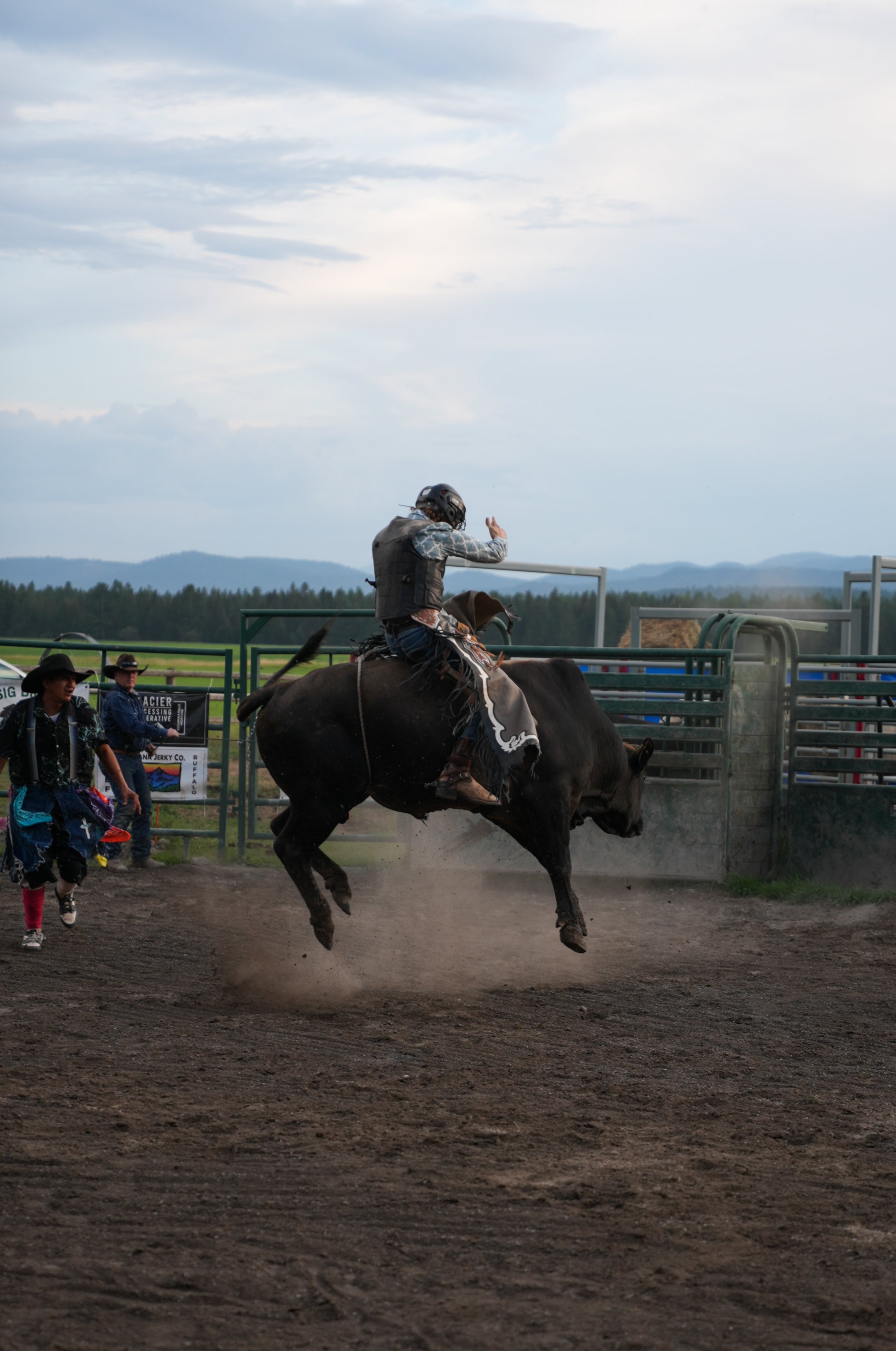
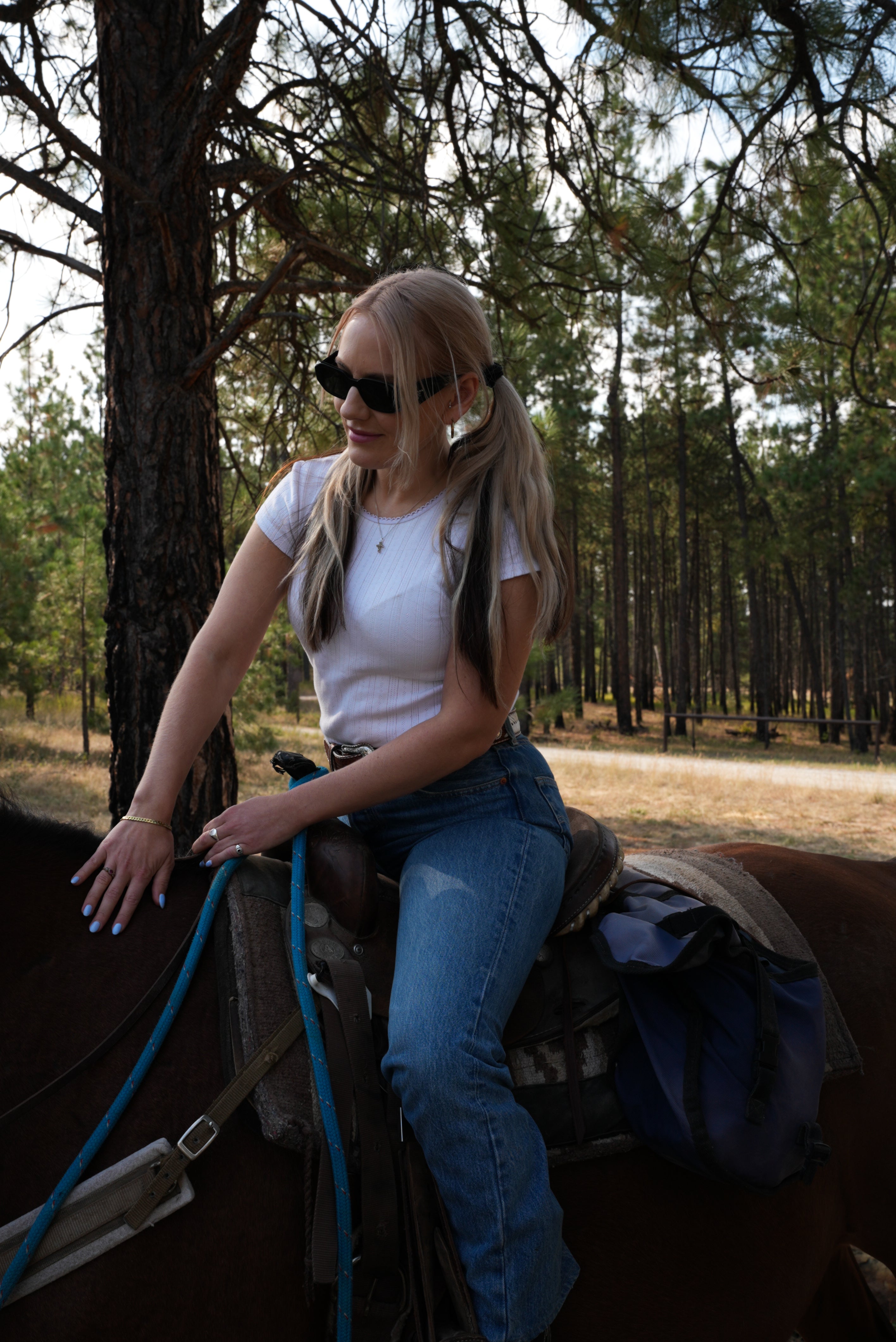
The rest of my hours on the 140-acre ranch were punctuated by trail rides, and I also had the chance to try bull penning (moving bulls to move into designated pens), clay pigeon shooting, and to watch a children’s bull-riding event. There was also a special surprise in the form of a session around a fire pit, where guests were offered the chance to bring their leather products to the fire and get them branded with the ranch’s logo.
In terms of meals, as I don’t eat red meat I had to be creative in putting together plates from the ranch’s hot and cold buffet-style options, though there are restaurants a 10-minute drive away in Whitefish that cater to dietary requirements.
If you visit the town, be sure to try something huckleberry flavoured; the tart, fragrant little berries are a point of local pride. I sampled the huckleberry ice cream at Sweet Peaks, as well as the famous “Huckleberry Bear Claw” at Polebridge Mercantile & Bakery on the outskirts of Glacier National Park. It’s hard to describe but difficult to forget (neither a compliment nor a criticism): a blunt wedge of iced biscuit-like pastry filled with a sugary blend of the sharp fruit.
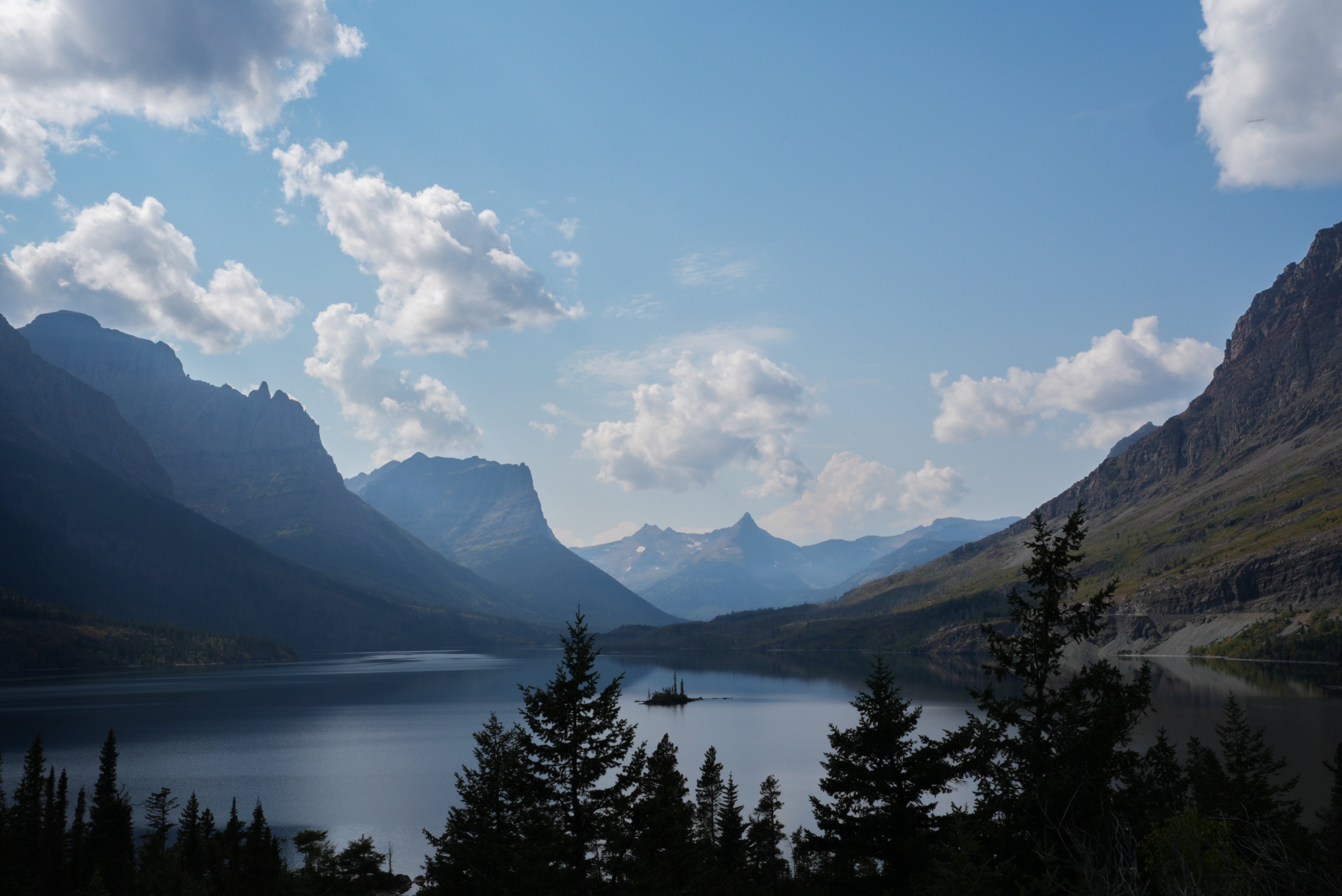
On day three it was time to visit the Glacier National Park on a private tour which was organised via the ranch. Glacier is unique in that it was established in 1910, a little later than many other National Parks. It covers just over a million acres making it one of the biggest. Its soaring peaks make you feel grounded and its bodies of water are so vast and clear, you see a flawless solid reflection of the entire sky and mountain range.
Read more: Seven remote luxury hotels in America
The must-see attraction of the park, according to our tour guide, is the “Going-to-the-Sun Road”: a 20-minute drive that takes you further up into the Rocky Mountains and then twists and turns down, providing cavernous views and plenty of thrills.
You don’t need to spend long in Montana to see why Yellowstone became an obsession in the UK as well as the US. The show’s drama – land threatened, old ways dying out – is something you feel in your heart here. A local tells me about friends priced out of Bozeman and the tour guide echoes a fear I hear many times: that public land is at risk with funding cuts to National Parks.
Out in the park, it’s easy to understand what’s at stake. Of the 150 glaciers that existed in the park in the late 19th century, only 25 remain. Sadly, it’s estimated that due to climate change, by around the years 2035 to 2040 there will be none left at all.
I was still mulling over this sobering reality as I left the ranch and drove back south – via an overnight pit stop in Missoula to browse its independent bookshops and vintage stores – on my way to Big Sky, about an hour from Bozeman. It’s a common assumption (due to the show) that Yellowstone National Park is in Montana, but the vast majority of it is in Wyoming and just three per cent of it is actually in Montana. That said, the luxury ski resort town of Big Sky is the ideal location to see some of the best bits of the park on a day trip.
A week of horse riding and eating packed sandwiches by a lake is one authentic aspect of Montana life, but so is luxury: Big Sky is a playground for the one per cent, where they can relax, dine and enjoy nature against a backdrop of opulent resorts.
I stayed in the Big Sky Montage resort, which looked like a more elevated version of the Dutton ranch with its dark woods, black and white fine art photographs of life in the Wild West on every wall, open fire pits, and elevated restaurants. I had the best cacio e pepe I’ve ever eaten in Cortina, the Italian on-site restaurant.
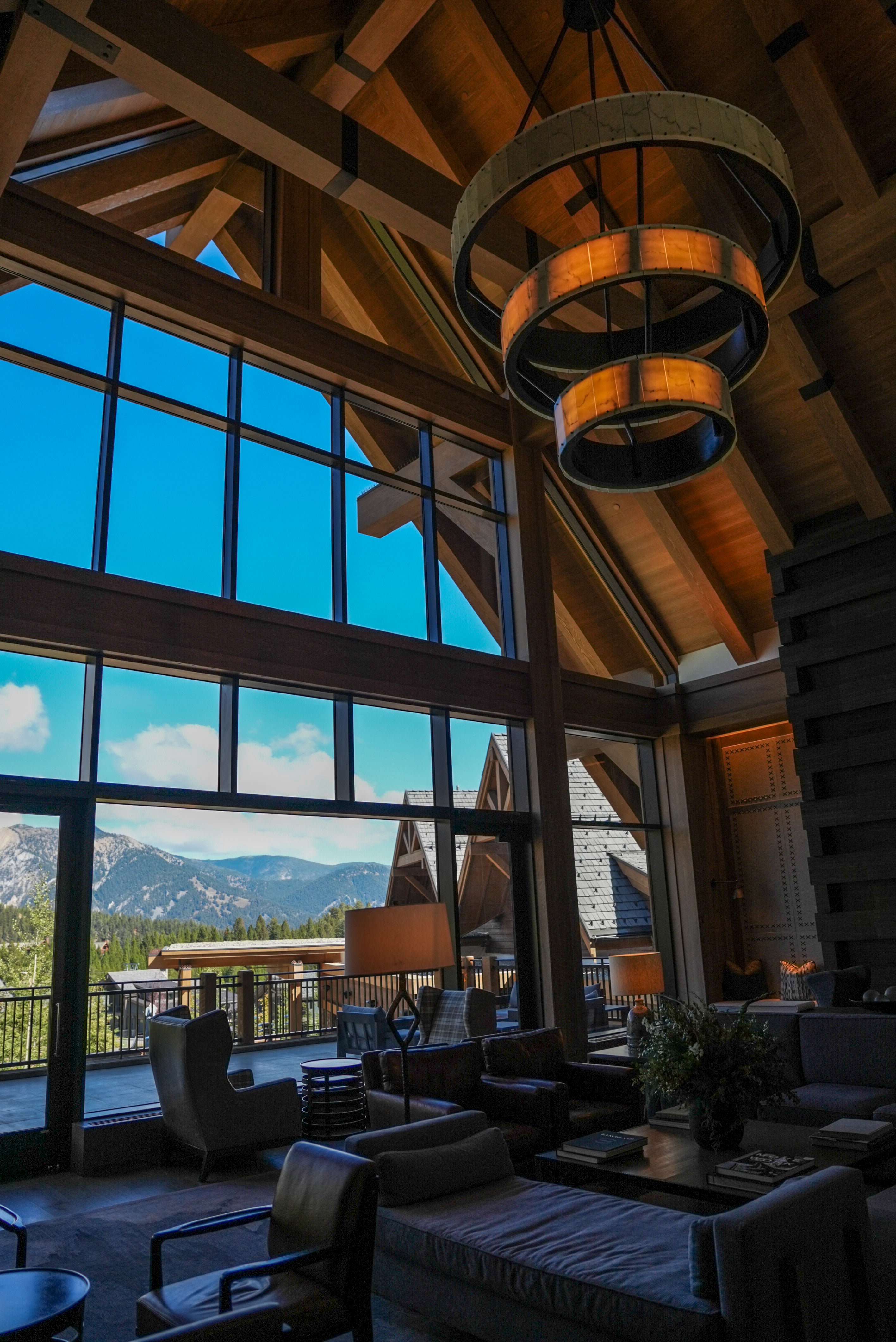
Wherever you look there are beautiful guests in silk outfits and cowboy hats; sitting at moody bars nursing a cocktail or outside by the fire pit drinking a cucumber water or matcha latte.
Every detail is thought of and given a luxury upgrade. Want an after -inner snack? Make your own smores by the fire outside. High altitude making you woozy? Extra oxygen can be pumped into the rooms from inhalers. Fancy a workout but not the sort of person who wants to use one of the three state-of-the-art gyms? Book into a private mountain biking or archery excursion with the Sports Centre.
Of course the highlight of my Big Sky trip is a trip into Yellowstone. I took another private tour, organised by Montage, and we managed to see a surprising amount of the park in just one day: exploding geysers, hot springs, bubbling mud pots, and the Grand Canyon of the Yellowstone.
It was my dream to see bison. The guide said he couldn’t promise we’d see them but never in his years conducting these tours had he done a day out without spotting at least one.
He explained that bison were killed, almost to extinction, by the colonising Europeans in the 19th century. By the end of my day tour I was lucky enough to see dozens of them.
Montana truly is even more beautiful than you’ve seen on screen. I’m still dreaming of it months later back at home.
How to do it
Prices at Bar W Ranch with a non-riding package start at £2,235 per week and riding packages start at £2,650 per week.
At Montage, Big Sky the average daily rate during peak season is £1,850 per night with a starting rate of around £1,250. Activities such as mountain biking or trail riding can be booked upon arrival.
Read more: The best places we went to in 2025 that you should visit too