‘It’s a mess’: Expert warning over changes to UK train ticket refunds
Warning over changes to flexible tickets on UK train lines
 AbJimroe
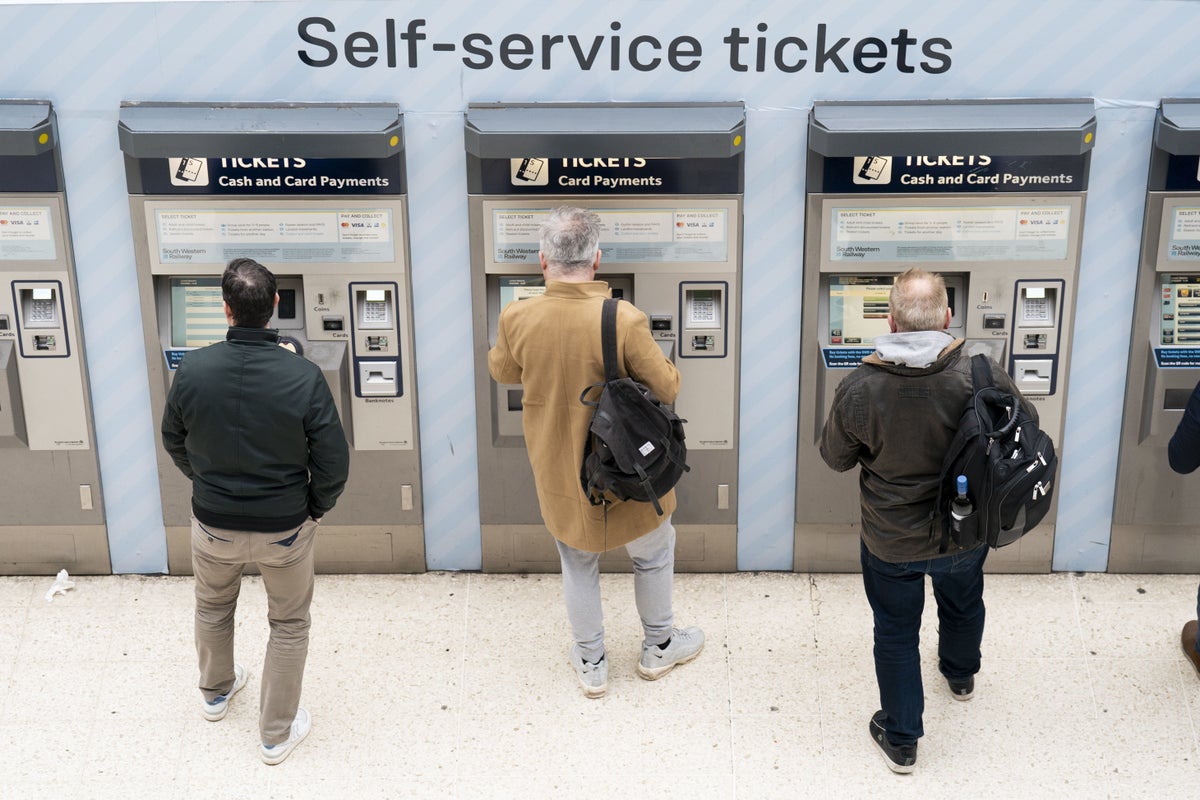
Train passengers in the UK are being advised to delay purchasing flexible tickets until the day of travel, as new, stricter refund rules are set to come into force.
From the beginning of next month, Off-Peak and Anytime tickets will only be eligible for a refund up to 11 pm on the day prior to their validity, unless train services are disrupted.
Mark Smith, who formerly headed the Department for Transport’s (DfT) train fares and ticketing team, criticised the Government, stating it was "approving a reduction in consumer protection for its own financial benefit".
However, retailers may still consider refund claims from passengers unable to travel due to exceptional circumstances, such as medical emergencies.
Currently, no reason needs to be given to obtain a refund if the tickets are unused, by returning them to the place of purchase within 28 days of their expiry date.
Industry body the Rail Delivery Group (RDG) said the change is aimed at ending “refund abuse”, which refers to claims for tickets that have been used but not scanned or stamped, and is estimated to cost about £40 million annually.
Mr Smith, founder of international train travel website Seat61.com, wrote on X: “If you wake up and find your event cancelled, NO REFUNDS, even on £100+ tickets.
“Advice to passengers is simple: NEVER buy Super-Off-Peak, Off-Peak or Anytime tickets in advance.
“ALWAYS buy on the day, five minutes before you board the train.
“If you buy in advance, any on-the-day change of plan could lose you £100s on a long journey. Even with a flexible ticket.”
While it will not be possible to get a refund or date change for Off-Peak and Anytime fares on the day of travel, non-refundable Advance fares – which are cheaper tickets for a specific service – can still be amended.
Mr Smith claimed the changes make fares “more complex” and described the situation as “a mess”.
He wrote: “If train operators can’t check a ticket on a 200-mile journey they don’t deserve to keep the money.
“Simply making all tickets non-refundable is very lazy revenue protection.”
The finances of English train operators – even those not already taken into public ownership – are heavily influenced by the Government because of contracts introduced at the start of the coronavirus pandemic.
Mr Smith wrote: “It’s the Government’s money now, not the train operators’.
“Government approving a reduction in consumer protection for its own financial benefit.
“Government is marking its own homework.”
The RDG said the changes are being made to “modernise a system that no longer reflects how people travel today”.
It went on: “Refund abuse, where someone claims a refund for a ticket they have already used by falsely stating they did not travel, is estimated to cost the railway around £40 million annually.
“This is a legacy of the outdated refund system that was designed for an era of paper tickets and cash payments, which allowed customers 28 days to return to the station that sold them their ticket to request a refund.
“Today, however, more than 80 per cent of customers use digital tickets or tap in with payment cards or smart devices, and most refund claims are handled through self-serve processes online.
“The outdated rules in recent years have become a significant source of fraud and misuse.”
The DfT was approached for a comment.