Klimt’s hidden masterpieces revealed in unique behind-the-scenes Vienna tour
Gustav Klimt's early works in Vienna are now accessible to the public for the first time
 FrankLin
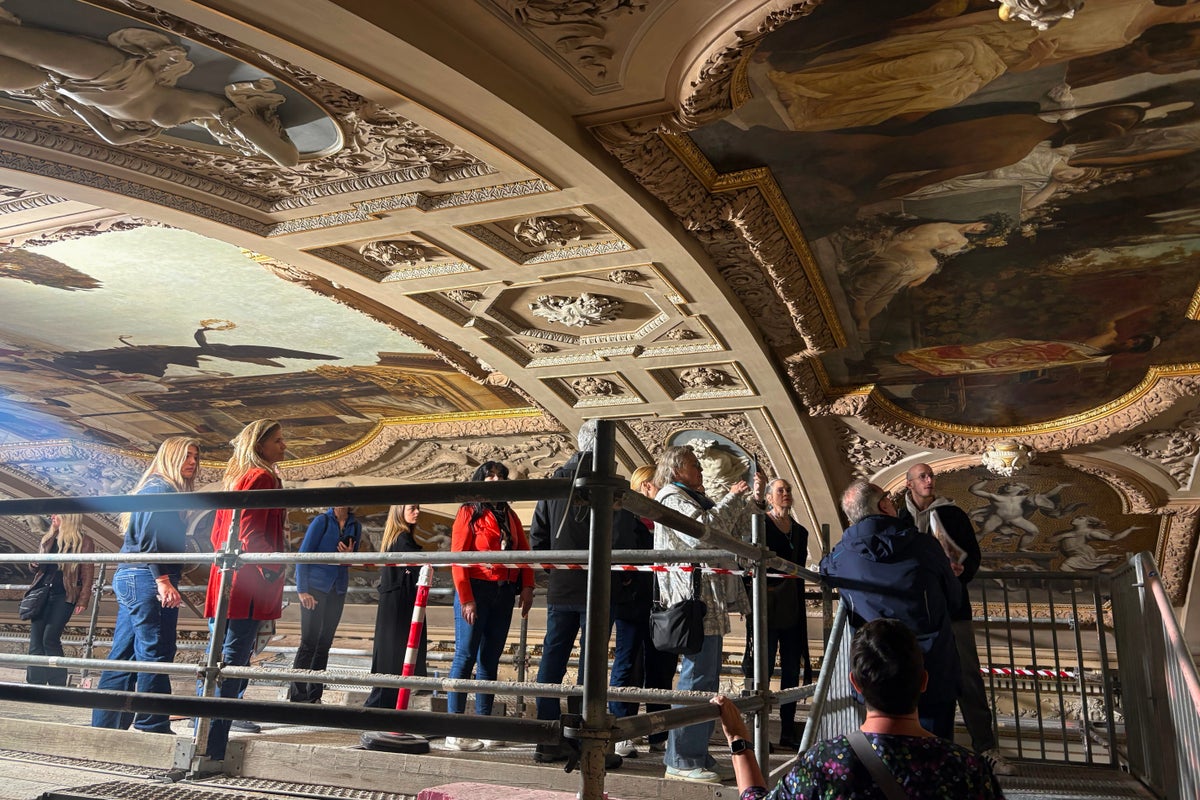
For over a century, the intricate early works of Austrian artist Gustav Klimt, adorning the lofty ceilings of Vienna’s renowned Burgtheater, remained largely unseen by the public. Now, a unique opportunity has emerged for art enthusiasts to witness these masterpieces up close, as daily guided tours lead visitors high onto scaffolding amidst a crucial restoration effort.
The ten oil paintings, situated 18 metres above the theatre floor, are undergoing extensive conservation due to water damage. This rare access allows a fresh perspective on Klimt’s formative years. Hannes Höllinger, 60, who recently joined one of the tours, remarked: "The special thing about Klimt for me at least is that we only know about his later works. It was very interesting to see that already at age 24 he made these very beautiful paintings which I myself had not seen before."
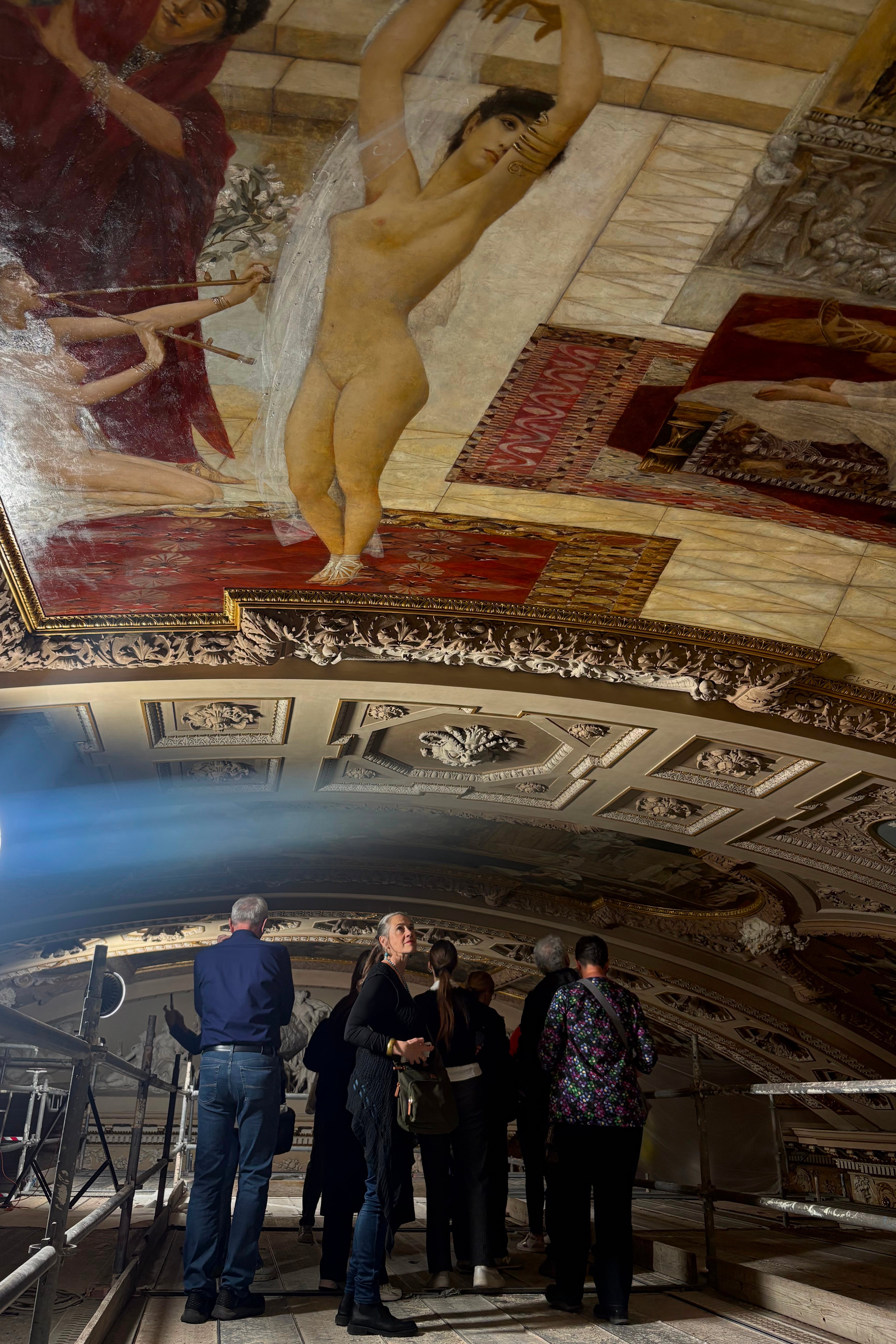
Klimt, celebrated for his bold Art Nouveau creations and a pivotal figure in early 20th-century artistic modernism, is known for works that command some of the highest prices in the art market. His iconic 1907-1908 painting, The Kiss, depicting a couple in a passionate embrace adorned with elaborate patterns and gold, is a testament to his later style and is displayed at Vienna's Belvedere Museum.
The meticulous restoration process is a significant undertaking. Robert Beutler, Burgtheater’s commercial director, told The Associated Press: "We were allowed to invest several hundred thousand euros to let Gustav Klimt shine in his original splendor again. Everything gets cleaned by hand with very fine cotton swabs and condensed water." He added that the largest painting, spanning approximately 35 square metres, requires immense patience: "So you can imagine how long that takes when you remove dust and grime piece by piece and layer by layer."
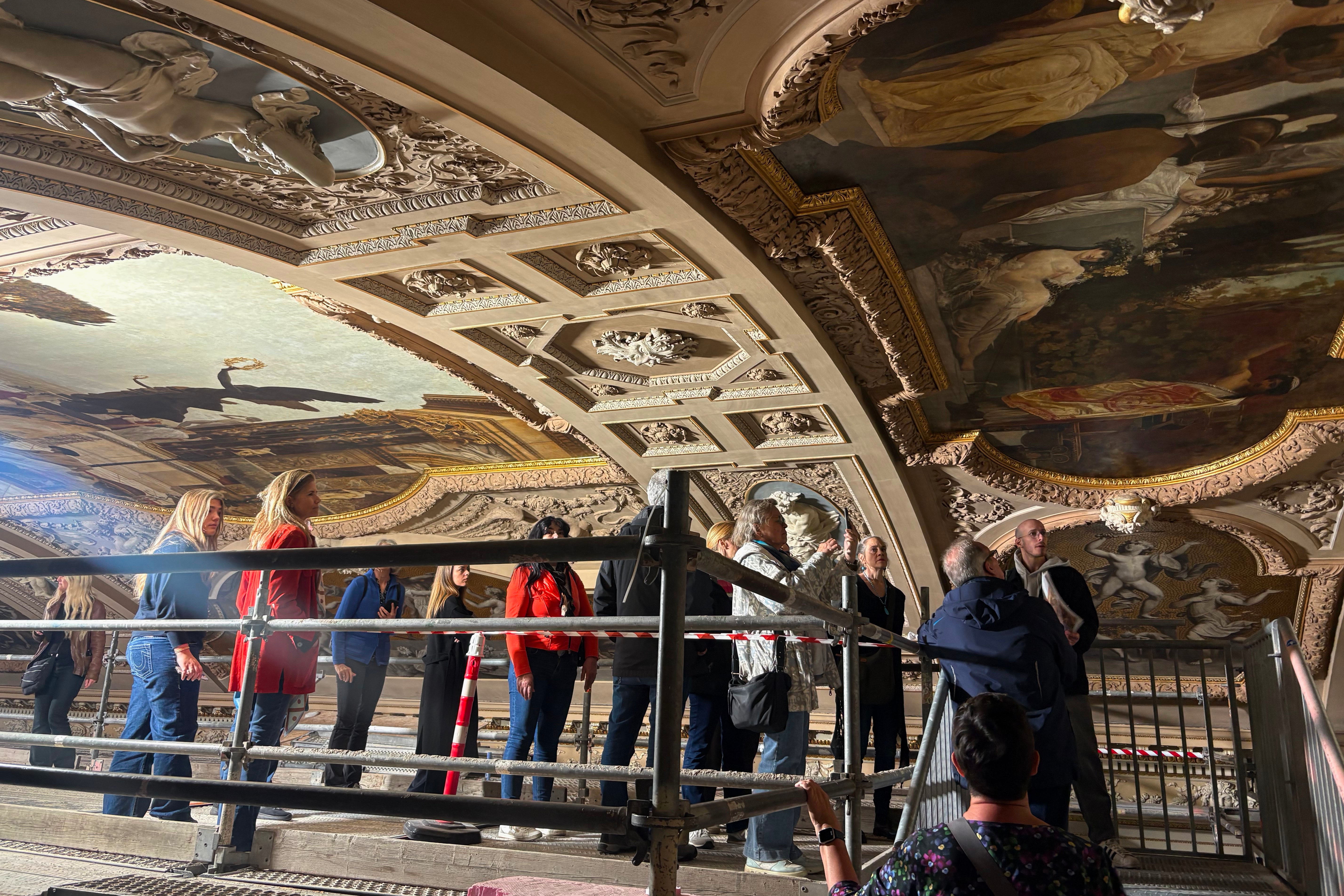
Klimt painted these works between 1886 and 1888, collaborating with his brother Ernst and fellow Austrian artist Franz Matsch. This commission marked Klimt’s first major project at just 24 years old. Conservator Thomas Mahr, overseeing the restoration of the surrounding stucco, revealed the artists' ambitious pitch at the time: "'we are young, we are fast, and provide great work at low cost' — and that’s how they got into business."
The paintings themselves depict various scenes from theatre history. One notable work portrays Queen Elizabeth I observing a staging of Romeo and Juliet at the Globe Theatre in 16th-century London. Intriguingly, Klimt and his two collaborators are depicted directly behind the queen, making this the artist's only known self-portrait.
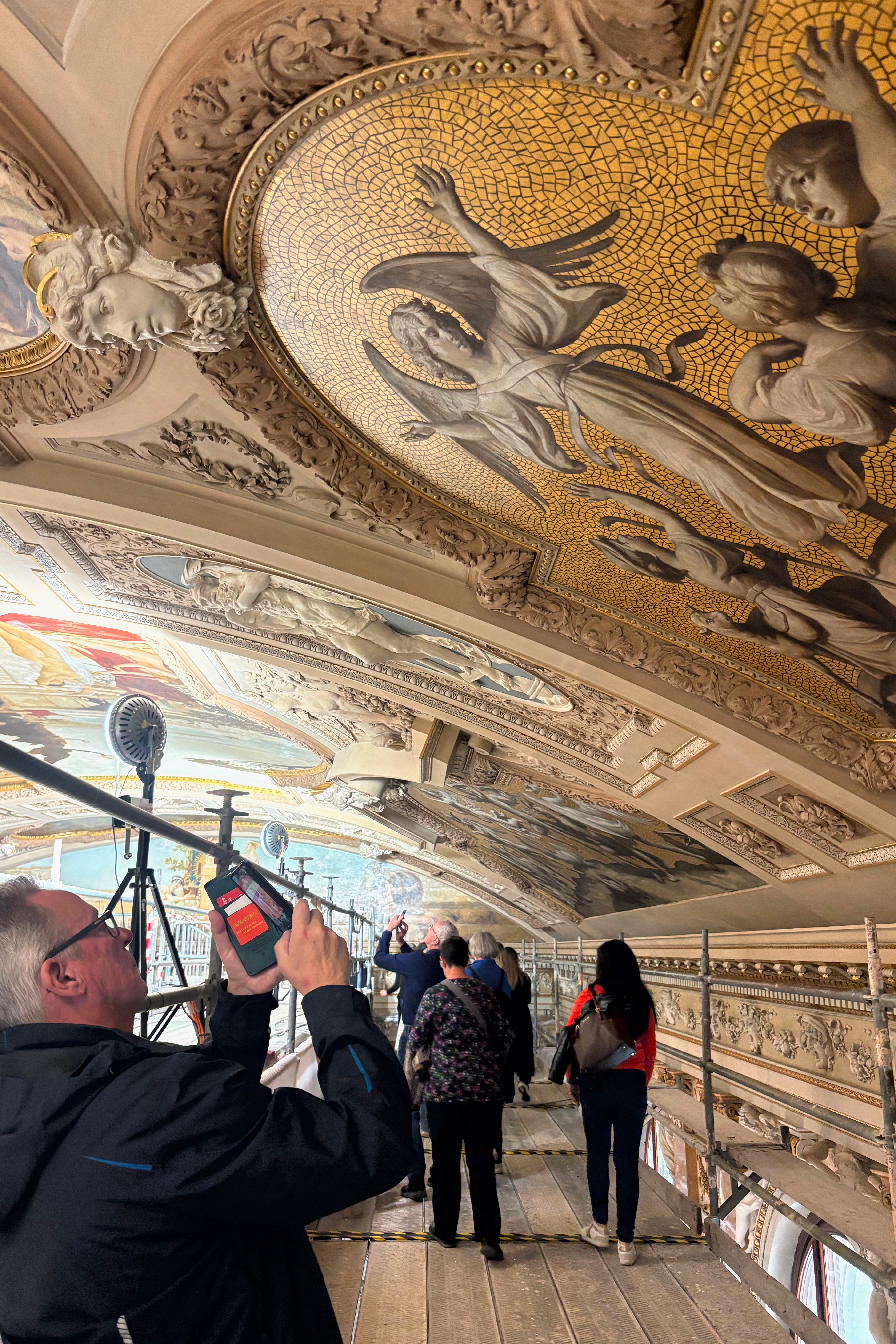
Hundreds of art lovers are taking advantage of the unique opportunity daily. Susanne Höllinger, who toured with her husband Hannes, noted how these early works offer a fascinating glimpse into the genesis of Klimt's more famous later style. She particularly enjoyed discovering intricate details invisible from the theatre floor, such as finely painted small figures or the cigarette clutched in the fingers of Klimt’s chain-smoking brother, Ernst. "To be so close to these freshly renovated paintings — just a unique experience," she exclaimed.
These special guided tours of Klimt's ceiling art will continue until August, after which the scaffolding will be dismantled. General admission tickets are available for 25 euros on the theatre's website.