Luxury Travel Trends 2026: What High-End Travellers Are Choosing Now
Key Takeaways The luxury travel market is valued at $326 billion in 2026 and growing at 8% annually, driven by demand for…
 MikeTyes
Key Takeaways
The luxury travel market is valued at $326 billion in 2026 and growing at 8% annually, driven by demand for personalised, experience-led trips. 77% of luxury travel advisors report that client demand is increasing, with 71% saying average spend per trip is rising significantly. Meaningful experiences – milestone travel, family reconnection, bucket-list adventures – are overtaking status-driven consumption. Italy, Greece, and Japan lead international luxury travel demand in 2026, followed by Portugal, Croatia, and France. Sustainability and authenticity are now baseline expectations for high-end travellers, not premium add-ons.Luxury travel has quietly undergone a significant identity shift. The era of conspicuous opulence – the five-star hotel with the gold-plated bathroom fittings, the private jet for its own sake – has given way to something more interesting. Today’s high-end travellers are not primarily interested in what their trip signals to other people. They are interested in what it does for them.
The market has responded. According to the 2026 Virtuoso Luxe Report, the defining characteristic of luxury travel this year is intentionality – people spending more on fewer, better trips, with a much clearer sense of what they want to come away with.
The Experience Economy Has Fully Arrived
The shift from things to experiences has been predicted for years, but in luxury travel it is now the dominant reality. High-end travellers are less interested in the thread count of their hotel sheets than in whether their trip will leave them with a story they will still be telling in ten years.
This manifests in specific ways. Private access to cultural institutions outside opening hours. Cooking lessons with the chef rather than just eating at the restaurant. Conservation experiences that put guests in direct contact with wildlife researchers. The luxury here is not exclusivity for its own sake – it is depth of access, genuine connection, and the sense that this trip could not have happened at any other time or with any other operator.
Milestone Travel Is Driving Significant Spend
One of the most consistent findings in the 2026 luxury travel data is the role of milestones. Significant birthdays, anniversaries, retirements, and family reunions are motivating some of the most ambitious and well-budgeted trips in the market. People are not just booking a nice hotel – they are commissioning an experience that feels commensurate with the occasion.
This has created a strong market for bespoke itinerary design, private villa rentals for group celebrations, and ultra-personalised hospitality that feels genuinely thoughtful rather than just expensive. The travellers driving this spend are not showing off. They are investing in memory.
Where Luxury Travellers Are Going in 2026
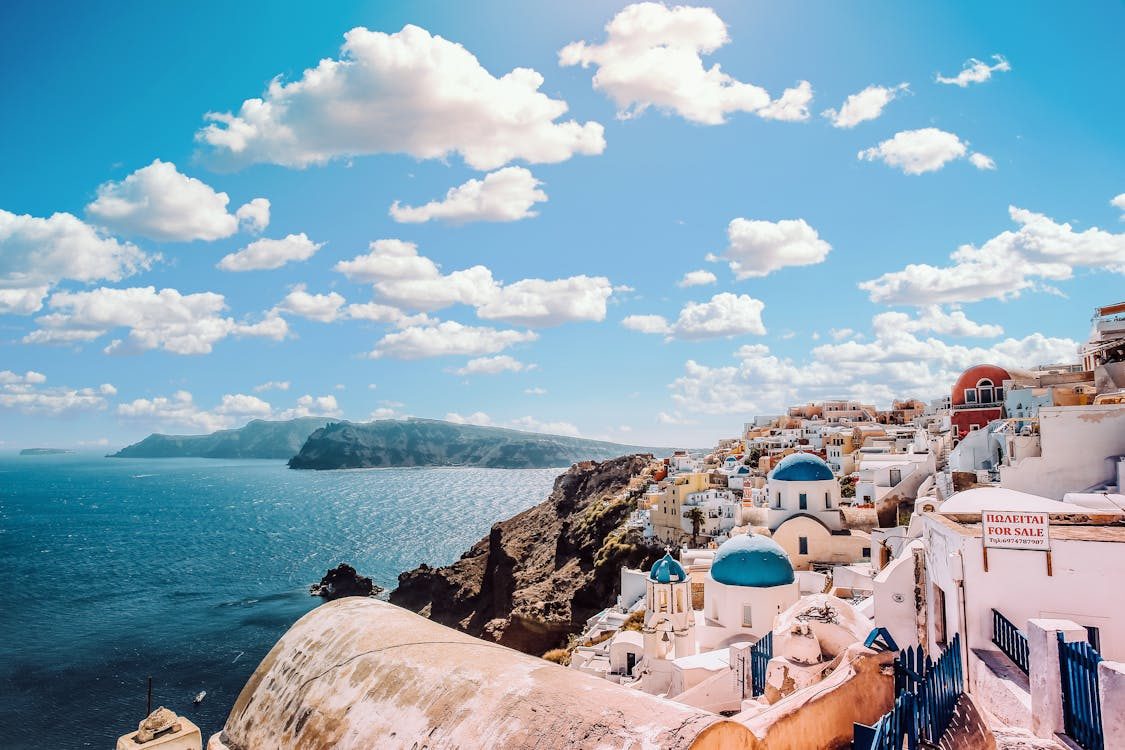
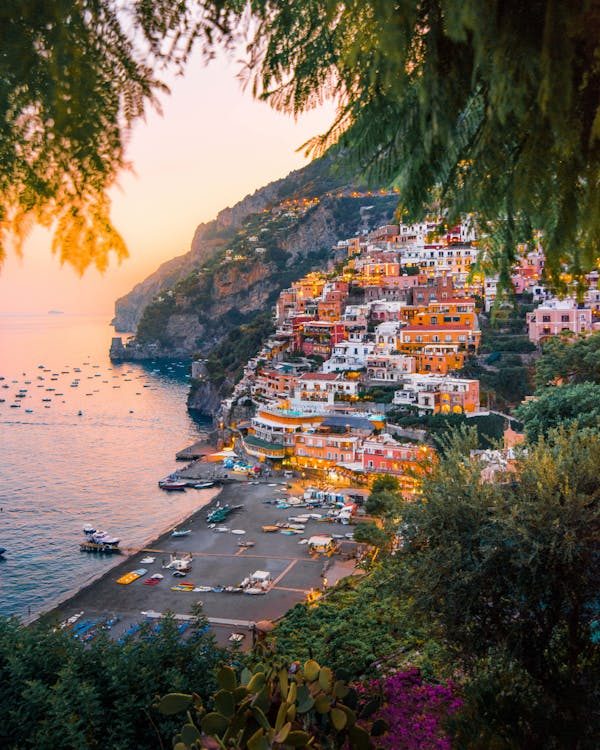
Italy, Greece, and Japan continue to lead international luxury demand, but the list of emerging destinations is increasingly interesting. Portugal’s Alentejo region and the Azores are attracting high-end travellers drawn by understated luxury and authentic local culture. Croatia’s Dalmatian coast has developed a genuinely world-class hospitality offering without losing the character that made it appealing in the first place.
Japan deserves particular mention. Post-pandemic demand has been extraordinary, and the combination of extraordinary food culture, design sensibility, and the ryokan tradition of deeply attentive hospitality makes it one of the most complete luxury travel experiences available anywhere. It is not cheap, but it consistently exceeds expectations.
 If wellness is part of what you are looking for from a high-end trip, our guide to the best destinations for wellness retreats covers where these two categories intersect most effectively.
Sustainability Has Become a Baseline Expectation
For high-end travellers in 2026, sustainability is no longer a premium feature – it is table stakes. Operators who cannot demonstrate genuine environmental and community commitment are losing business to those who can. This is not primarily ideological. It is aesthetic. Travellers who care about quality care about context, and the context of a place being destroyed by overtourism or poorly managed development undermines the experience.
Research into 2026 luxury travel trends consistently shows that high-end travellers want to know their money is going to the right places – to skilled local guides, to community enterprises, to conservation programmes. The best operators are making this transparent and specific rather than vague.
The Rise of the Slow Luxury Trip
Perhaps the most telling trend in high-end travel this year is the length of stay. Luxury travellers are staying longer in fewer places. A two-week stay in one region rather than a whistle-stop tour of five countries. One extraordinary lodge for a week rather than a different hotel every two nights.
This is partly a response to the exhaustion of over-packed itineraries. But it is also a recognition that depth of experience requires time. You cannot really know a place in two nights. You can barely scratch the surface. The travellers willing to stay longer are consistently the ones who report the richest, most memorable experiences – and they are setting the direction the market is moving in. For related reading, our wellness travel trends guide covers how the luxury and wellness markets are converging in 2026.
























.jpg&h=630&w=1200&q=100&v=c0f97a310e&c=1)