Another Googlebook just surfaced online, and this one is from Asus
Asus is the latest major PC maker to have a Googlebook surface online, joining previously spotted models from Lenovo and Dell ahead of IFA.
 Koichiko
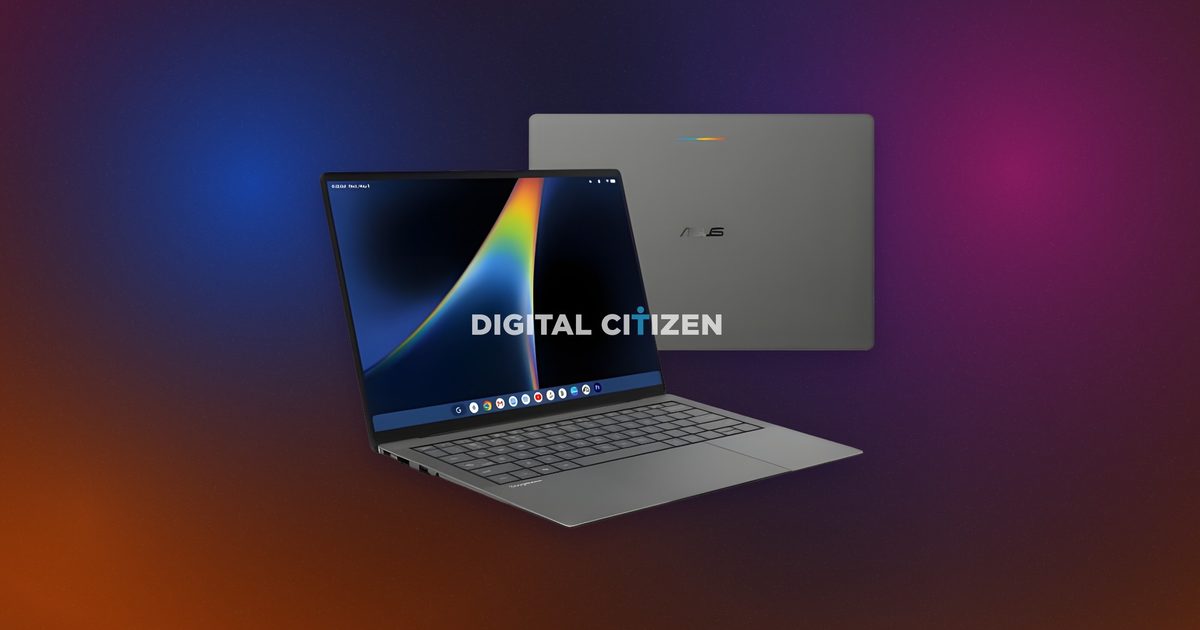
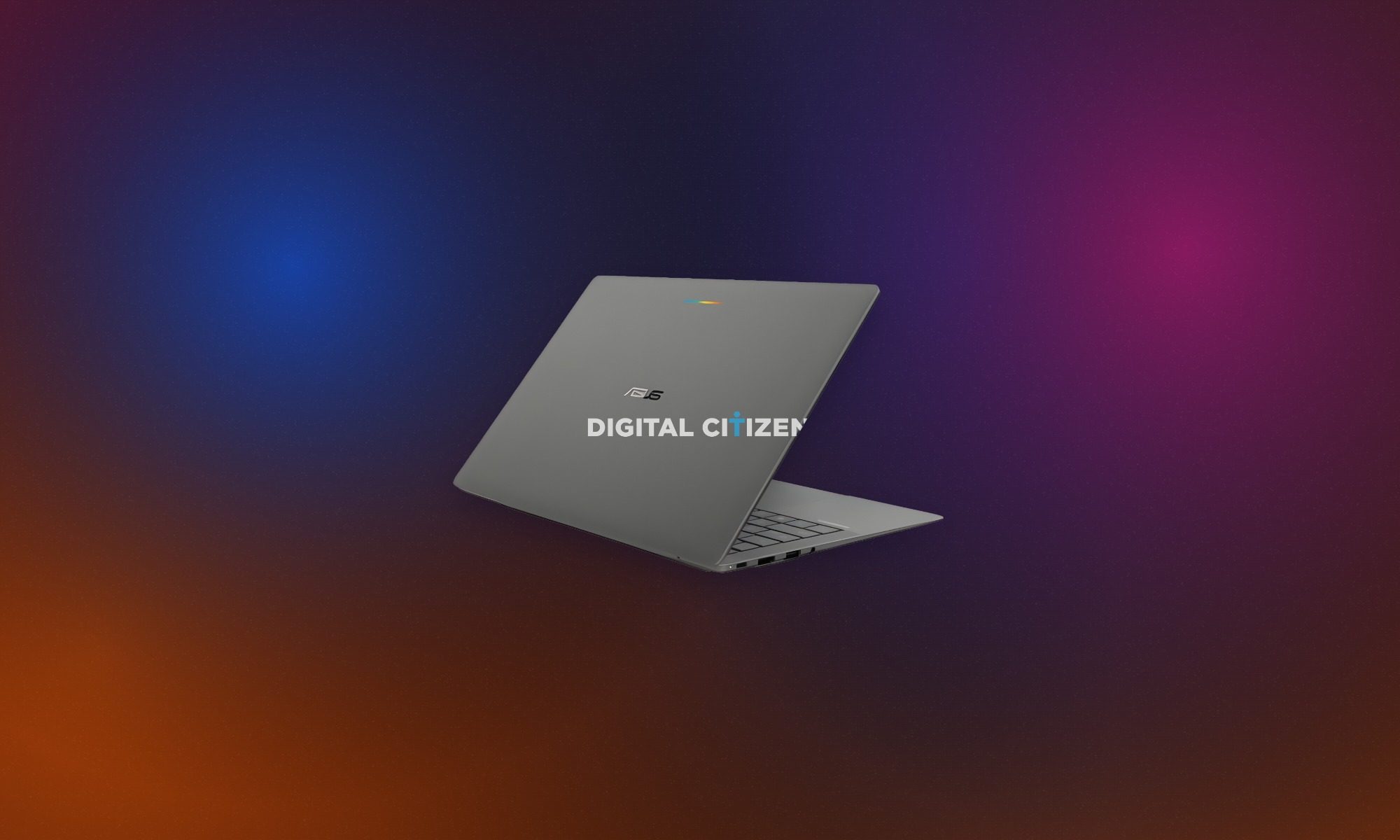
Asus Googlebook renders reveal a Glow Bar, plenty of ports, and a lightweight chassis
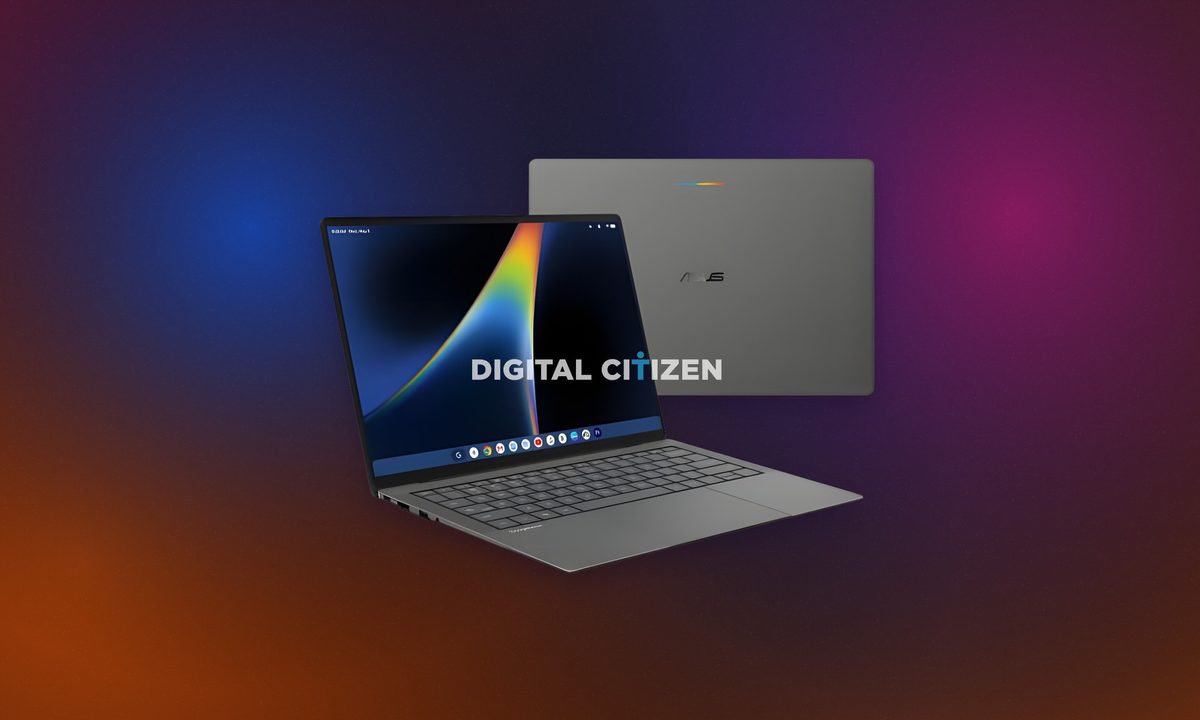 Digital Citizen
Google’s upcoming Googlebook lineup is starting to take shape through leaks. Lenovo has already appeared in several renders, while a recent benchmark leak suggests Dell may bring the XPS name to Google’s new laptop platform. Asus is now the latest manufacturer to surface ahead of launch.
Digital Citizen has published multiple renders of an unannounced Asus Googlebook, showing its lid, keyboard, chassis, and port selection. The laptop could make its official debut at IFA next month. Googlebooks are expected to bring Android apps, ChromeOS technology, deeper phone integration, and Gemini features to a new generation of laptops. Acer, Asus, Dell, HP, and Lenovo are all expected to be part of the first wave.
Asus could give its Googlebook a distinctive touch
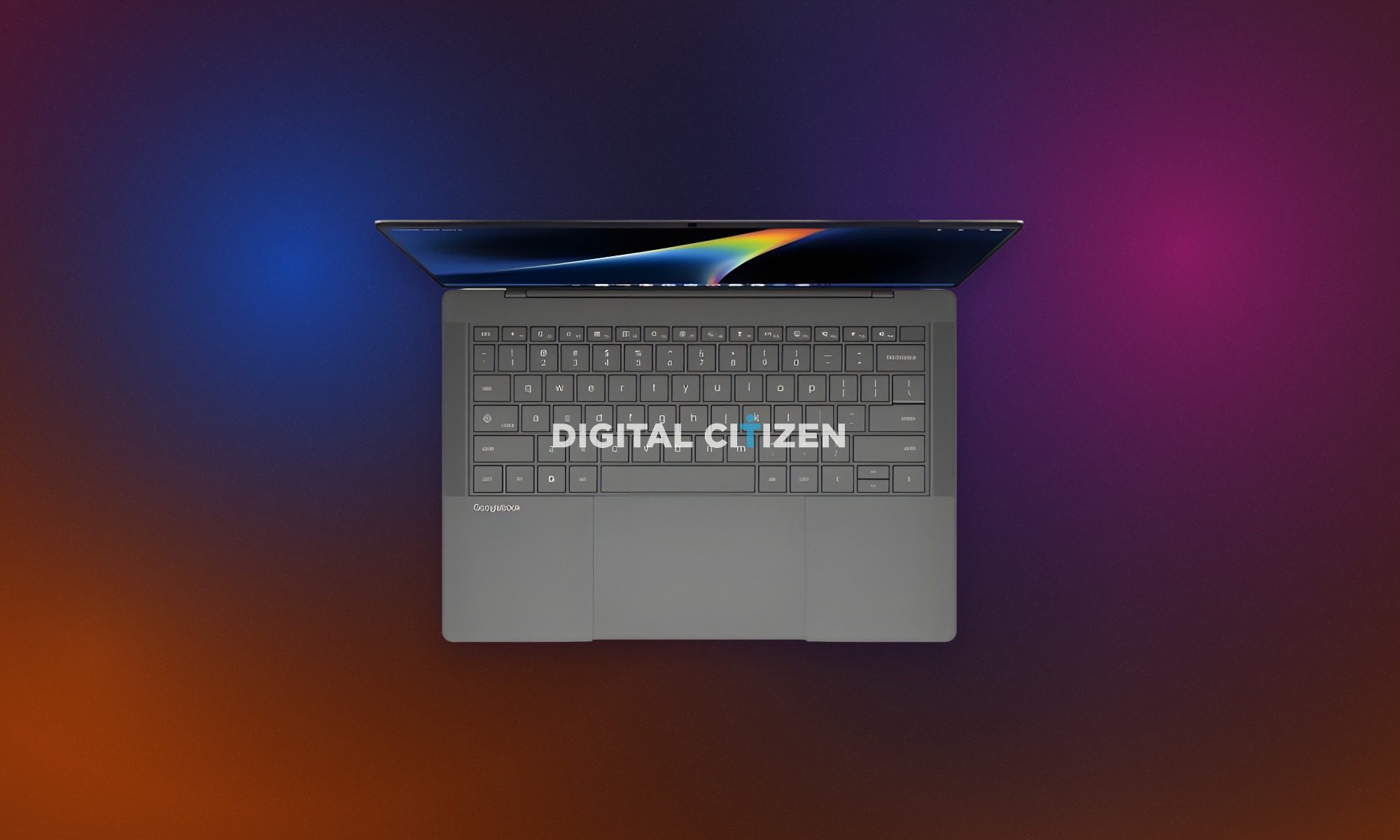
The Asus model has a fairly conventional thin-and-light design, but the lid carries a prominent Glow Bar that immediately sets it apart. Its exact purpose remains unknown, although it could work somewhat like Google’s new HiLight feature on the Pixel 11 Pro models. HiLight reportedly will light up for calls from favorite contacts and during Gemini conversations. Asus could use the larger Glow Bar for similar alerts, charging status, or other system activity. It may also simply be there to make the laptop instantly recognizable as a Googlebook.
 Digital Citizen
Asus also appears to be using its Ultra-Ceramic Light Alloy for the body. Promotional material accompanying the leak claims the construction cuts weight by 34% while improving strength by 13%. The laptop is shown in a deep carbon gray finish.
Asus isn’t skimping on ports
 Digital Citizen
 Digital Citizen
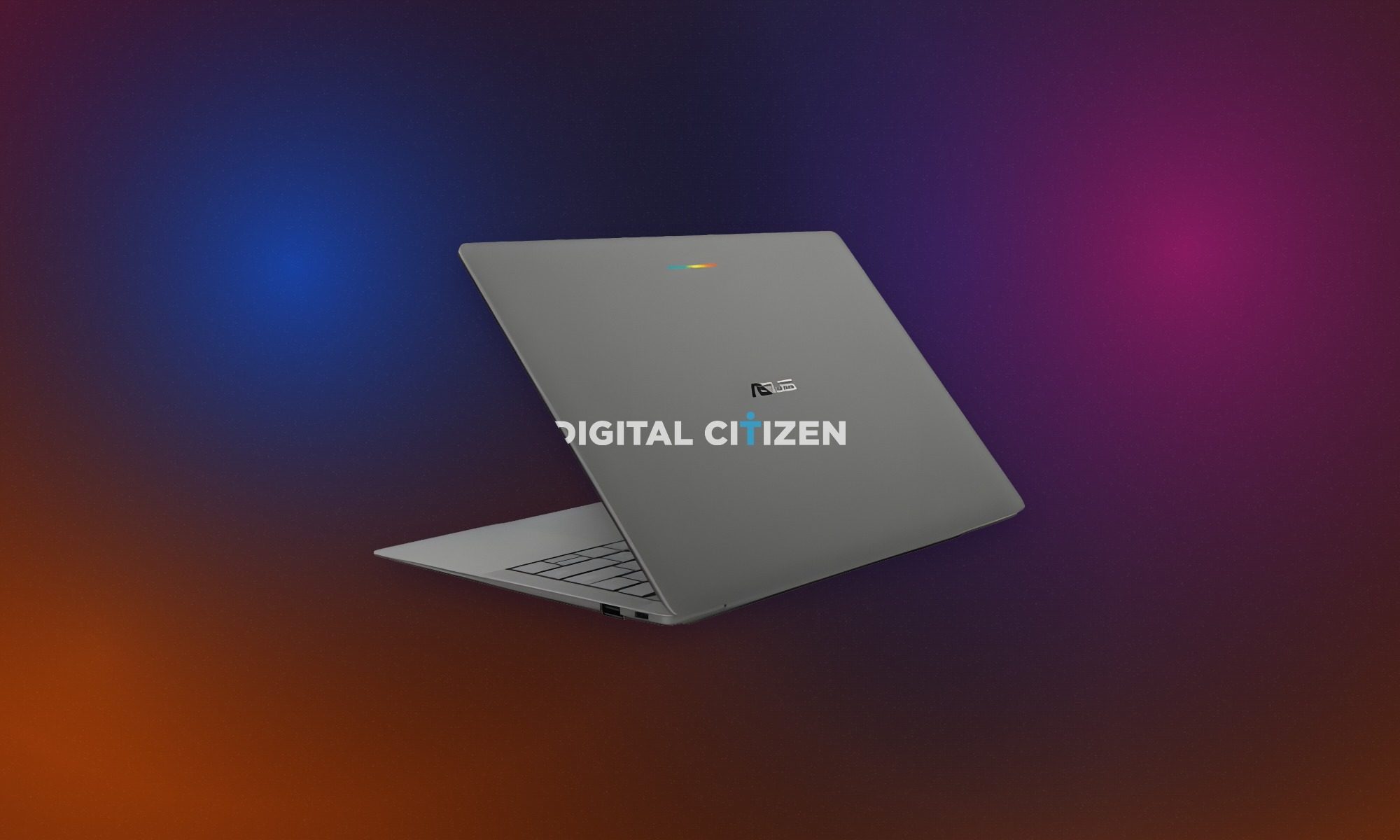
Connectivity looks pretty healthy too. Between both sides, the renders reveal two USB-C ports, two USB-A connections, full-size HDMI, and a headphone jack. Lenovo’s leaked Googlebook 15 took a similarly practical approach, adding HDMI, USB-A, USB-C, an SD card reader, and a headphone jack.
Asus is now the latest major PC maker to have a Googlebook leak ahead of the platform’s launch, following Lenovo and Dell. We still do not know its processor, display specifications, battery capacity, or price, but IFA Berlin kicks off on September 4, 2026, and could finally fill in some of those gaps.

I’ve got about 4 years of experience, mostly covering gaming, PC hardware, and smartphones. In my free time, I like…
I’m done charging things that never leave my desk
Wireless peripherals are better than ever, but I’m starting to value the devices that ask absolutely nothing of me
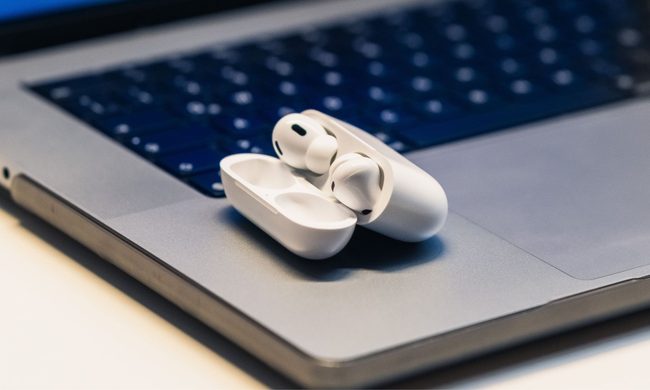
I have two pairs of wireless earbuds that I rotate during long gaming sessions. When one starts complaining about its battery, I swap in the other pair and put the first one on charge. It’s a mildly ridiculous system, but it works. Apparently, my gaming setup now requires something resembling shift work.
Then my mouse died in the middle of a game.
Your favorite Edge extension may stop working soon as Microsoft follows Chrome’s lead
Microsoft has announced the transition to Manifest V3, gradually phasing out older browser extensions.
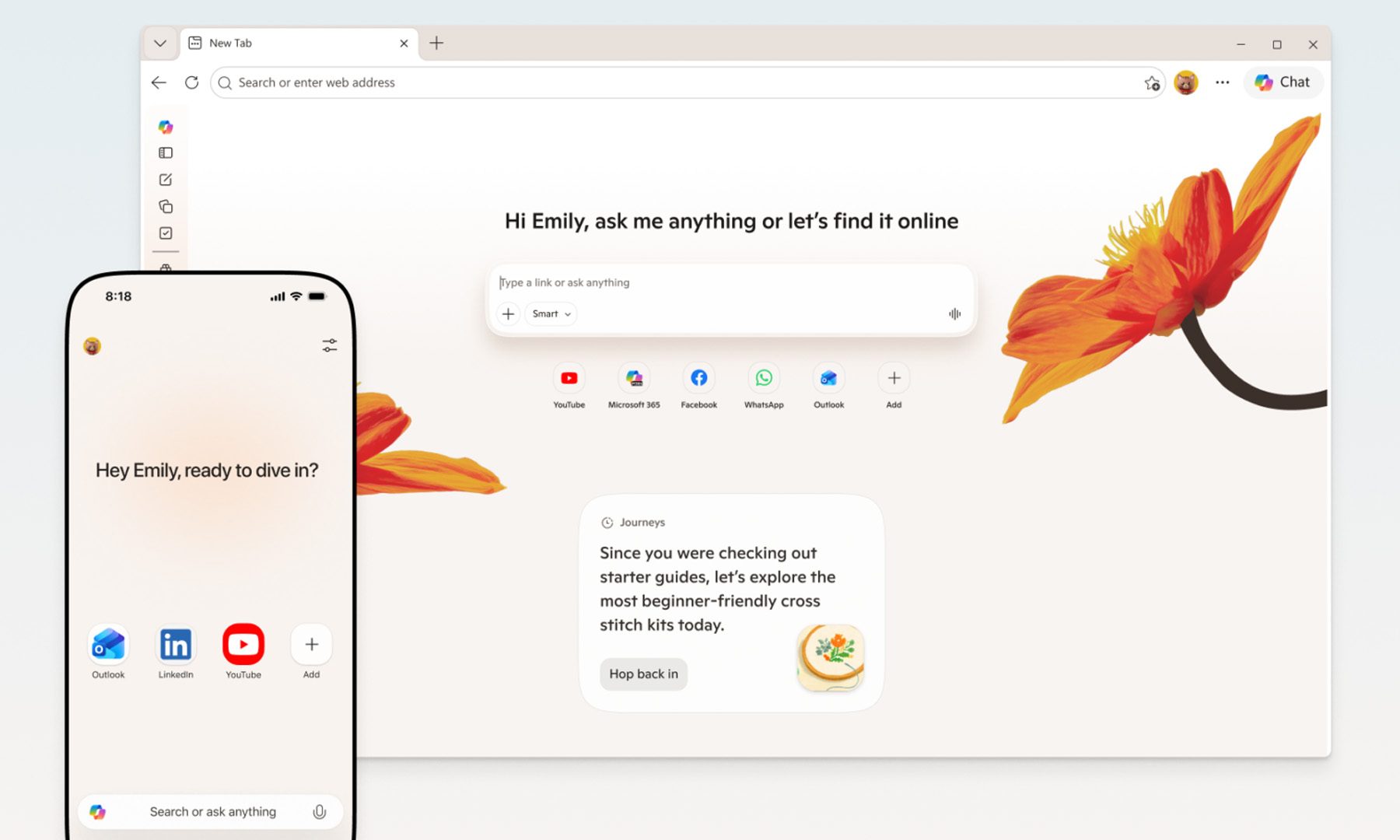
Microsoft Edge is finally making the same controversial move that Google Chrome did earlier this year, and it could mean the end of some of the browser's most popular ad blockers. Microsoft has announced that Edge is officially transitioning its extensions ecosystem to Manifest Version 3 (MV3), Google's newer extension platform that promises better security, privacy, and performance. As part of that shift, the browser will gradually stop supporting older Manifest V2 (MV2) extensions over the coming months, meaning legacy extensions such as the original uBlock Origin will eventually stop working in Edge.
What is Manifest V3, and why is Microsoft adopting it?
Help, I’m talking to my computer. It’s remarkably convenient and utterly embarrassing.
Oh look, I have become the guy who randomly starts talking while staring at his computer.
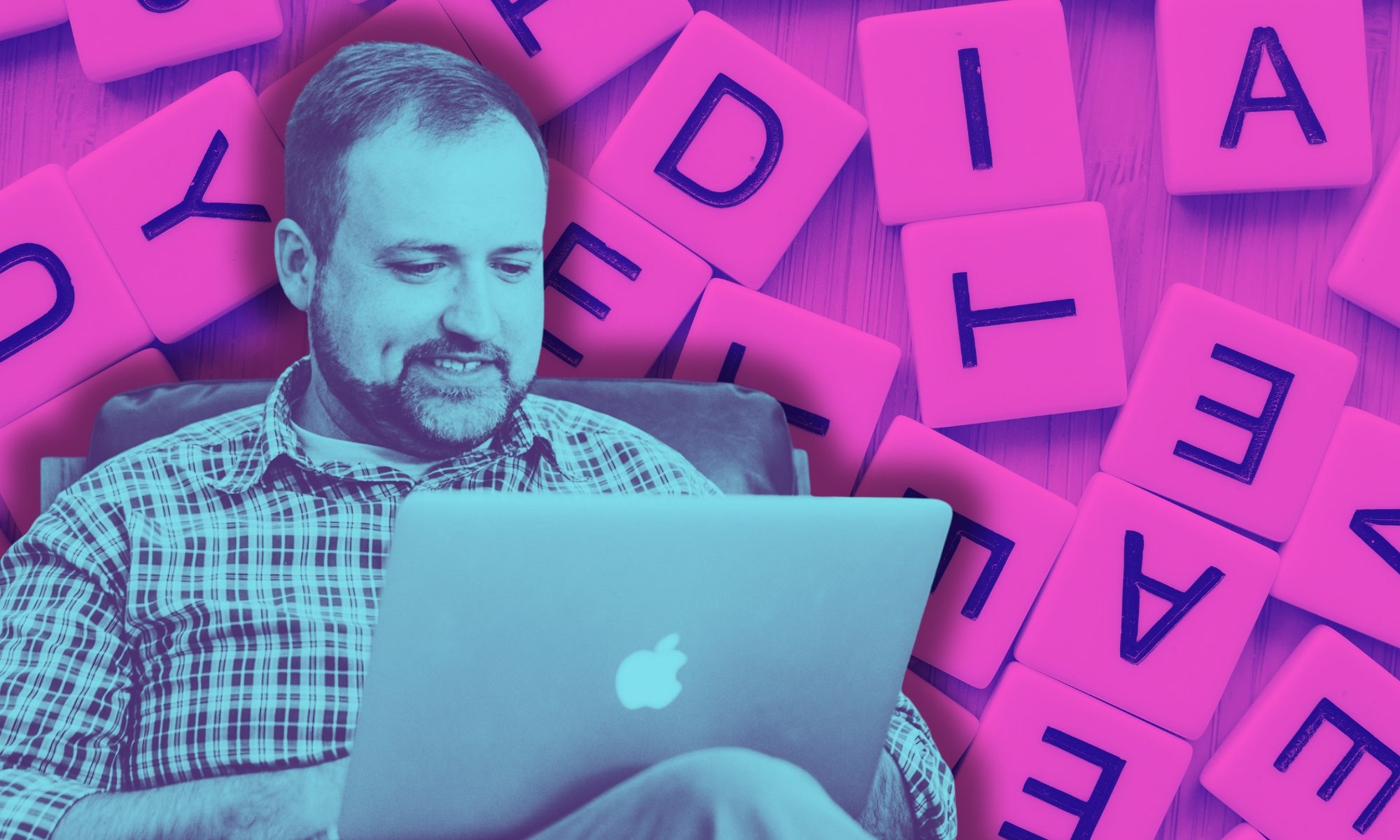
A decade ago, Google introduced voice typing with the Gboard app on Android, and a year later, the perk landed on iPhones with the keyboard app. I never paid much attention to it. The biggest reason was that it was just not accurate.
The big promise was a whole new way of interacting with our phones, but it was never good enough to make me quit tapping, or swiping on an on-screen keyboard. Fast forward to 2026, I'm talking to my computer. In fact, this whole article was dictated and copy-pasted in WordPress.