Our Scholarly Recommendations of 2025
The academic books that shaped this year’s conversation on Buddhism and culture The post Our Scholarly Recommendations of 2025 appeared first on Tricycle: The Buddhist Review.
 Tfoso
Tfoso

Each year, we feature a selection of academic works that broaden our understanding of Buddhist thought, history, and practice. And the 2024–2025 academic year did not disappoint! With books that include studies on D. T. Suzuki’s midcentury Columbia lectures, Buddhist picture books for children in Taiwan, the mythic and supernatural life of the Buddha, and the global reach of the Buddhist humanitarian organization Tzu Chi, this past academic year gave us more than a glimpse into the diverse and growing range of recent Buddhist scholarship. Together, they trace how Buddhist ideas circulate through texts, religious institutions, and imagination. We encourage you to explore these new offerings from the academy that can enlighten your Buddhist path.
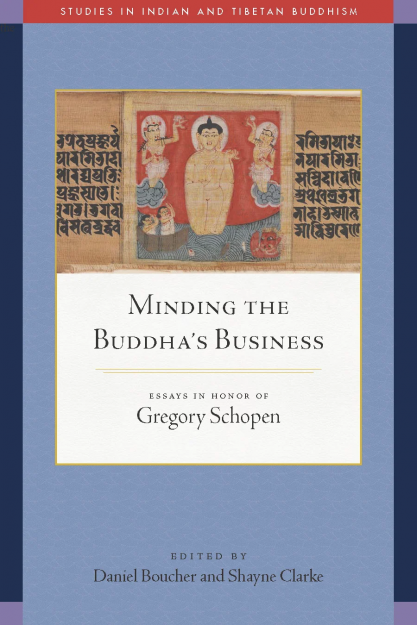 Minding the Buddha’s Business: Essays in Honor of Gregory Schopen edited by Daniel Boucher and Shayne Clarke
Wisdom Publications, 2025, 536 pp., $69.95, paper
This Festschrift honors Gregory Schopen, a towering figure in Buddhist studies whose work continues to reframe the field. Known for warning his students to “be very careful what you read, because you never know where it’s going to lead you,” Schopen consistently challenges assumptions about monastic life, Buddhist practice, and textual authority with a provocative style and rigorous use of epigraphic and material evidence. His insistence on reading Buddhist texts in historical and institutional context helped reorient the field toward lived religion rather than idealized representations. Minding the Buddha’s Business gathers leading scholars to celebrate Schopen’s lasting influence.
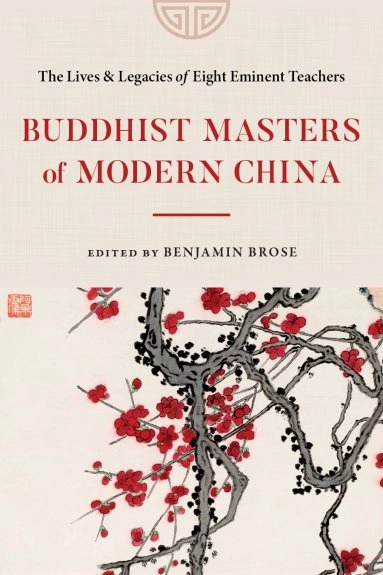 Buddhist Masters of Modern China: The Lives and Legacies of Eight Eminent Teachers edited by Benjamin Brose
Shambhala Publications, 2025, 304 pp., $24.95, paper
Benjamin Brose, a professor of Buddhist and Chinese studies, introduces eight influential monks and nuns who reinvigorated Chinese Buddhism during the political and social upheaval of the early 20th century. Their stories show that Chinese Buddhism reasserted discipline, promoted education, and cultivated compassion amid war, revolution, and widespread social reforms. Accessible and deeply researched, Brose’s book examines figures often overlooked in the story of modern Buddhism and reveals China’s lasting contributions that continue to affect how we imagine Buddhism, both its past and present.
Listen to the Tricycle podcast
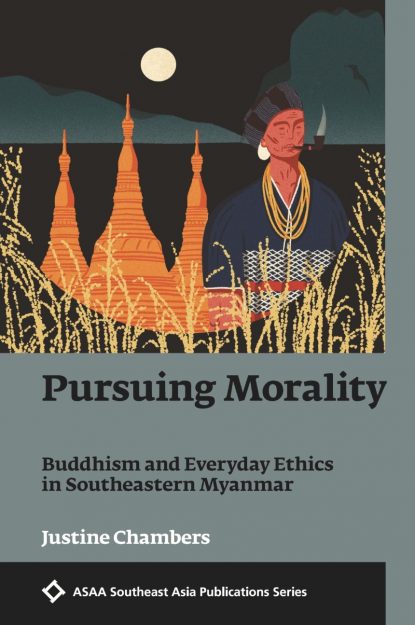 Pursuing Morality: Buddhism and Everyday Ethics in Southeastern Myanmar by Justine Chambers
University of Chicago Press, 2024, 304 pp., $40.00, paper
Justine Chambers explores the Plong ethnic minority’s pursuit of moral living amid shifting generational ties and military rule, and shares how Buddhist ideas and practices circulate within families and across generations. Morality is a negotiated and contested process that depends on gender, age, and community status, and profound social changes have intensified debates about what it means to cultivate a moral Buddhist self. Pursuing Morality speaks to Buddhists beyond Myanmar’s borders, to everyone navigating a path through the complex and sometimes contradictory moral standards of their own cultures and spiritual communities.
The Questions of Milinda translated by Maria Heim 
Harvard University Press, 2025, 1,120 pp., $35.00, hardcover
An Amherst professor of religion, Maria Heim, brings new life to an important Buddhist classic: a dialogue between a Greek king and the monk Nagasena that blends philosophy, parable, and wit. The Questions of Milinda brings forth timeless questions: What is the self? How do we know what is real? How should we live? Heim’s translation highlights the text’s literary qualities and its intricate use of analogy, from the well-known chariot metaphor to everyday images of ancient India. The result is an engaging introduction to Buddhist thought and a model of cross-cultural philosophical conversation.
Listen to the Tricycle podcast
 Literature for Little Bodhisattvas: Making Buddhist Families in Modern Taiwan by Natasha Heller
University of Hawaiʻi Press, 2025, 258 pp., $75.00, hardcover
In Literature for Little Bodhisattvas, Natasha Heller looks at how Taiwanese Buddhist picture books help build family religious life. Treating the home as a site of “iterative learning,” she shows how these illustrated stories transmit everyday Buddhist practice from one generation to another. Her study reveals a form of modern “family Buddhism,” in which picture books serve as both a teaching tool and a devotional object, cultivating compassion, mindfulness, and an understanding of interdependence in the next generation of Buddhists.
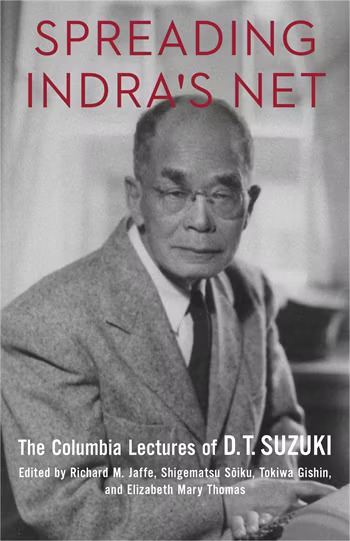 Spreading Indra’s Net: The Columbia Lectures of D. T. Suzuki edited by Richard M. Jaffe, et al.
Columbia University Press, 2025, 384 pp., $35.00, hardcover
This impressive volume gathers D. T. Suzuki’s very accessible Columbia University lectures from 1952–53, which shaped Western understandings of Buddhism and Zen during midcentury New York’s intellectual scene. Edited by scholar Richard Jaffe, the book contextualized Suzuki’s teachings—rooted in Huayan and the Awakening of Faith philosophy—within a vibrant gathering of eminent cultural figures, including John Cage and Erich Fromm. Jaffe’s detailed notes and archival research uncover Suzuki’s lucid presentation of Mahayana ideas and the community of artists, scholars, and patrons who helped spread his influence—and the dharma—across the West. This is an academic microhistory and an extensive dharma talk rolled into one.
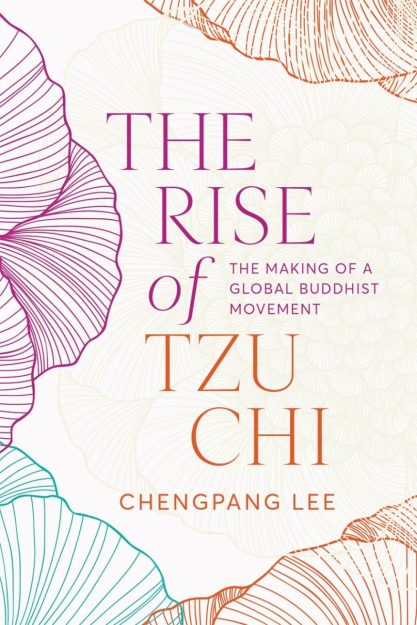 The Rise of Tzu Chi: The Making of a Global Buddhist Movement by Chengpang Lee
University of British Columbia Press, 2025, 256 pp., $37.95, paper
In The Rise of Tzu Chi: The Making of a Global Buddhist Movement, Chengpang Lee chronicles the remarkable transformation of Tzu Chi Charity Foundation from a small Taiwanese aid group established by nun Cheng Yen into a worldwide humanitarian force. Lee explores the movement’s organizational history, Buddhist thought, and grassroots activism to show how it translates Buddhist compassion into disaster relief, hospitals, and education. He also acknowledges challenges and questions of legacy faced as the charismatic leader ages. For readers interested in how Buddhist values materialize in the world, this book offers a view of engaged faith in action.
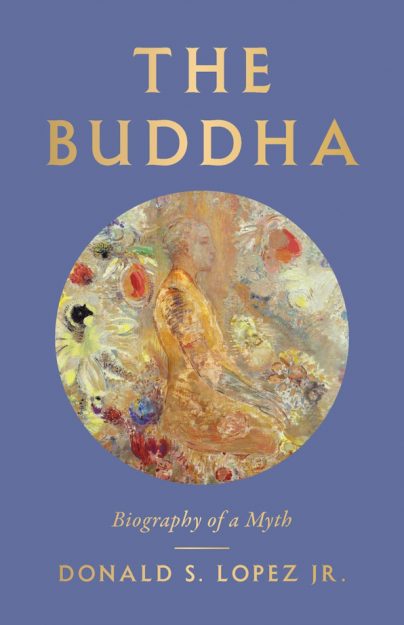 The Buddha: Biography of a Myth by Donald S. Lopez Jr.
Yale University Press, 2025, 256 pp., $28.00, hardcover
In his latest book, Donald S. Lopez Jr. continues his effort to expose popular Western misconceptions about Buddhism, and here takes up the story of the Buddha. Lopez argues that modern retellings have stripped the Buddha’s story of its mythic qualities, presenting him as a rational teacher rather than a cosmic being. Lopez attempts to restore the wonder and supernaturalness of early Buddhist narratives, with their gods, miracles, and cosmic stretches of time, showing how the Buddha’s story was made real for thousands of years. We often forget that the oldest stories depict the Buddha walking and declaring himself a world conqueror moments after his birth. This quick read invites us to see the Buddha as a mythic figure who continues to intrigue Buddhist imaginations.
Listen to the Tricycle podcast
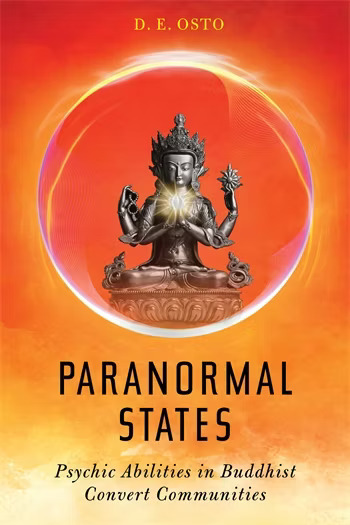 Paranormal States: Psychic Abilities in Buddhist Convert Communities by D. E. Osto
Columbia University Press, 2024, 336 pp., $30.00, paper
Clairvoyance, telepathy, past-life memories, levitation, bilocation, telekinesis, communication with animals, super hearing: Such phenomena have been part of Buddhist culture since its earliest history, and they continue to invite our attention and inform beliefs and practices. Yet, despite their allure, modern academics and skeptics often relegate these phenomena to the fringe, dismissing them as strange or outright nonsense. In their recent book, Paranormal States: Psychic Abilities in Buddhist Convert Communities, D. E. Osto, a senior lecturer in philosophy at Massey University, confronts this skepticism head-on. With a wealth of firsthand accounts and original survey research, Osto brings readers into the heart of these mysteries, making a cogent case for taking paranormal experiences seriously as meaningful aspects of human spirituality.
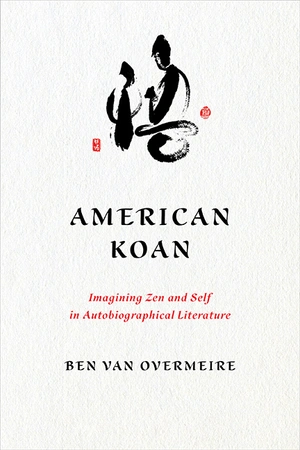 American Koan: Imagining Zen and Self in Autobiographical Literature by Ben Van Overmeire
University of Virginia Press, 2024, 252 pp., $32.50, paper
In American Koan, Ben Van Overmeire maps out how American Zen memoirs, essays, and narratives become modern-day koans—challenging both the writer and the reader to cross the familiar borders of self and practice. Tracing figures from Philip Kapleau to Ruth Ozeki, he shows how authors turn personal experience into practice, failure into insight, and story into Zen teaching. With clarity and intellectual rigor, this book invites scholars and curious practitioners to revisit Zen’s roots in lived experience. American Koan offers a fresh, illuminating lens on what Zen can be in North America.
 The Buddha’s Path to Awakening edited and translated by Sarah Shaw
Harvard University Press, 2025, 400 pp., $35.00, hardcover
In modern Buddhism’s search for the “real Buddha,” it often ignores the traditional stories of the Buddha’s life, particularly stories about reincarnation and past lives. In The Buddha’s Path to Awakening, Sarah Shaw offers a new translation of the Jatakanidana, the Pali narrative about the Buddha’s 547 birth stories. Composed in Sri Lanka around the 5th century, the text recounts the Buddha’s vow to attain awakening and the many lifetimes through which he cultivates the perfections of virtue, patience, and wisdom. Shaw’s translation and commentary restore the moral force of these past-life narratives and remind us that the Buddha’s path to enlightenment was often imagined as a long and hard road full of difficult choices and ethical quandaries.