Self-Promotional Content Works—Until It Backfires (AI SEO Experiment)
Two recent studies looked at how well this works. Glen Allsopp analyzed 750 ChatGPT prompts and found that “best [category]” listicles were the most frequently cited source type in AI-generated answers. In other words, AI systems clearly use this...
 Astrong
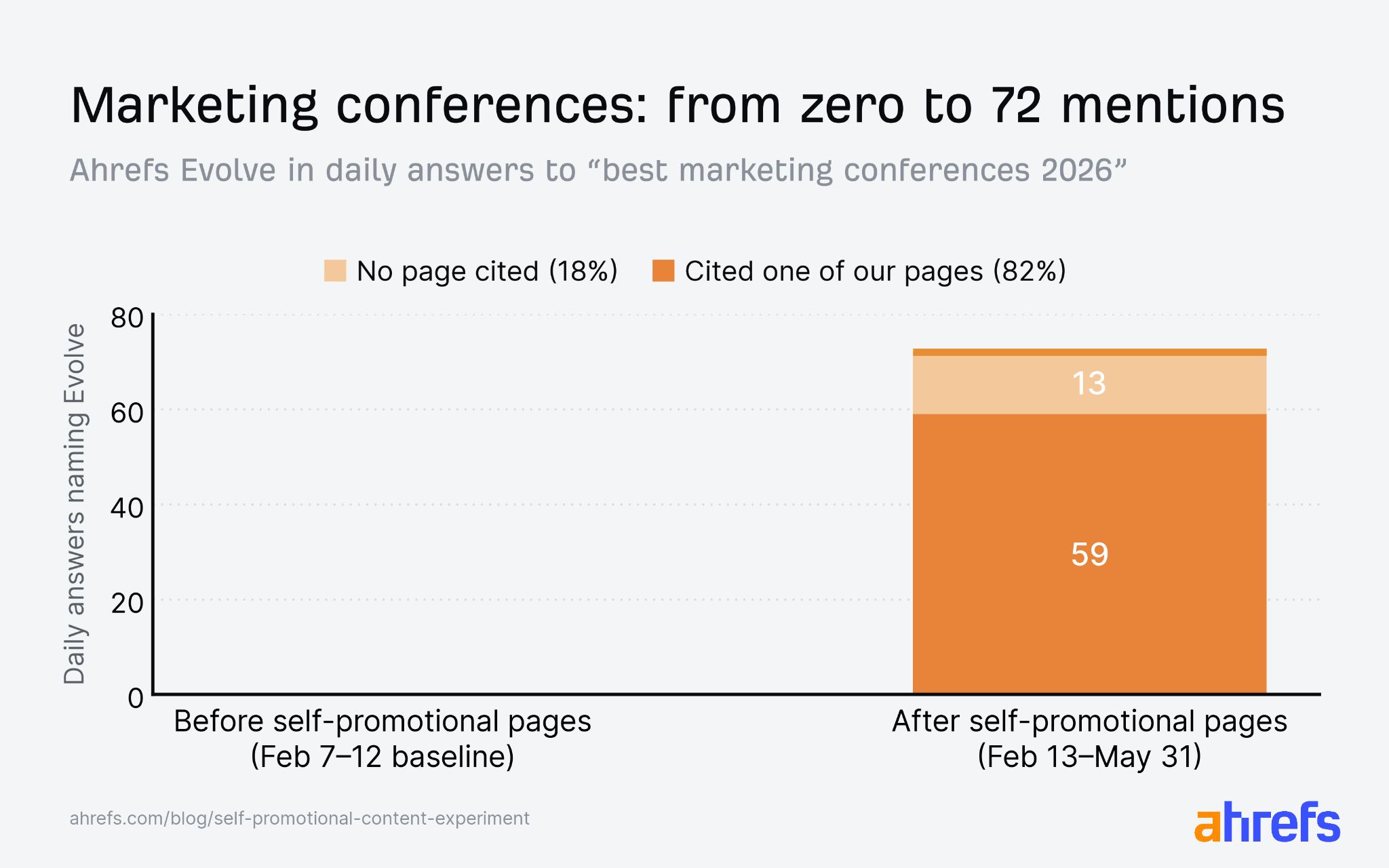
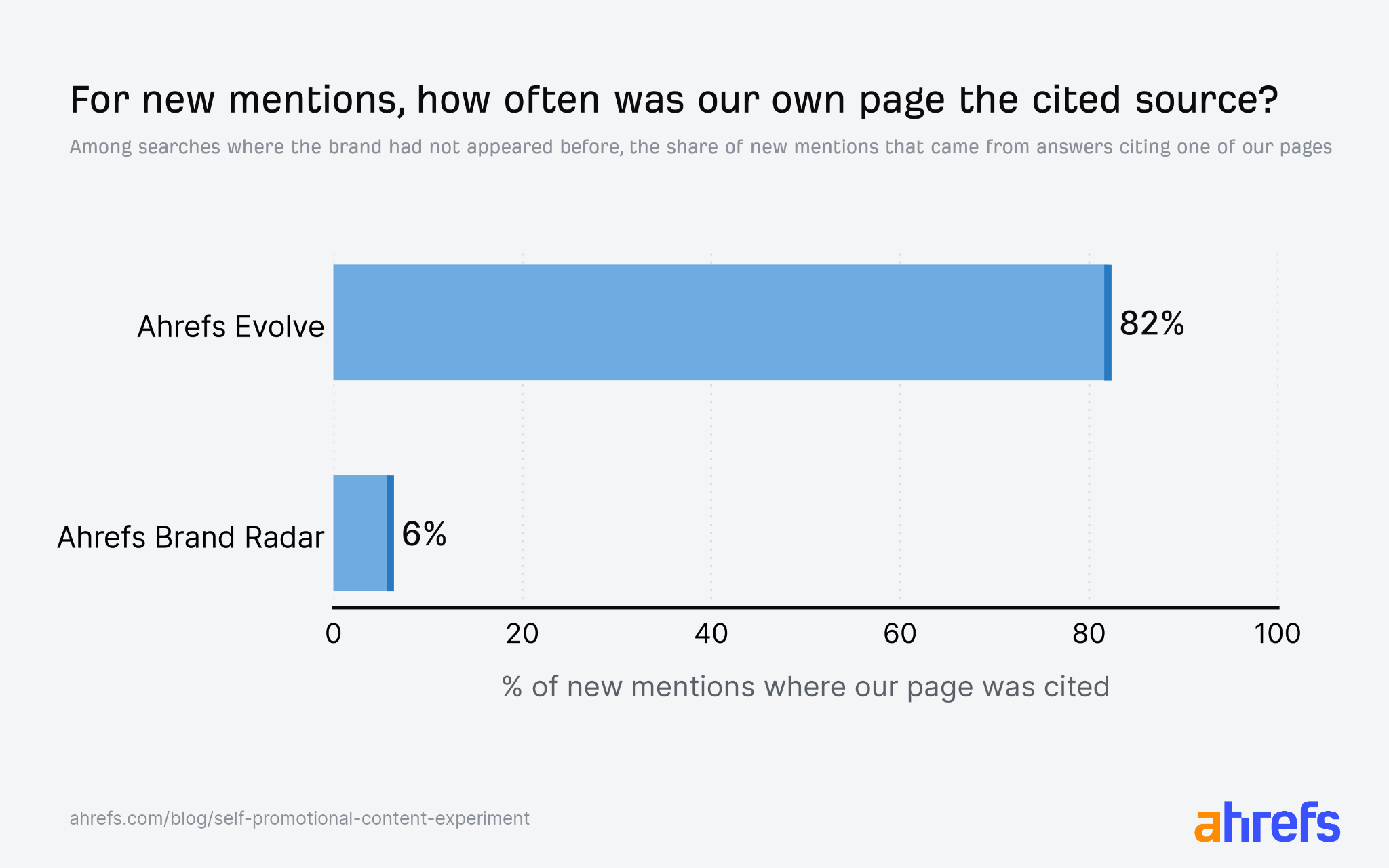
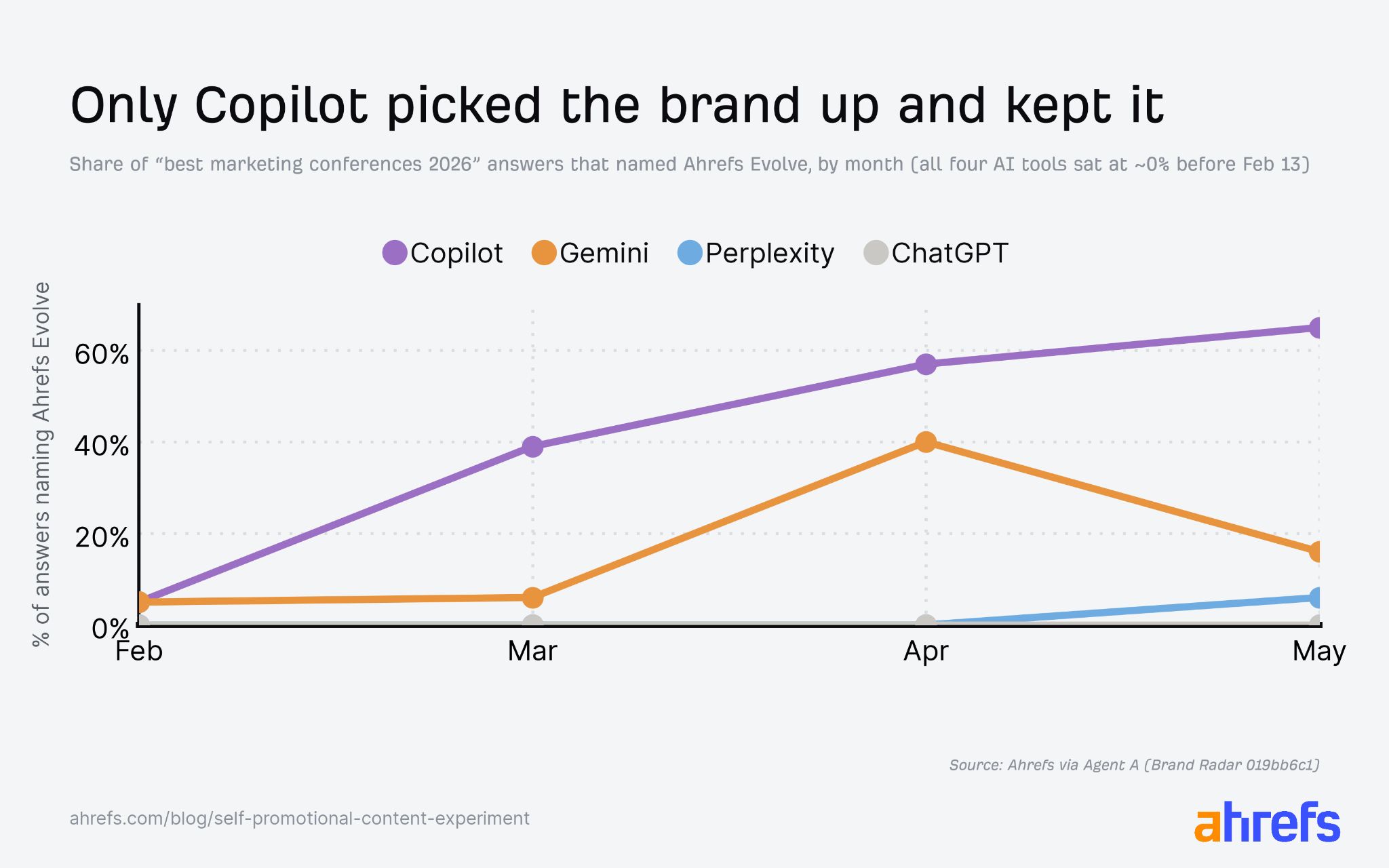
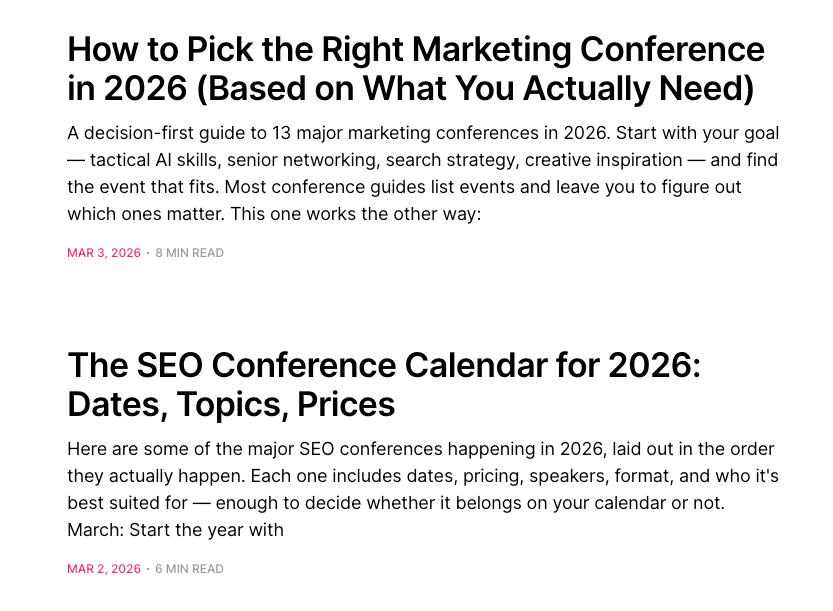
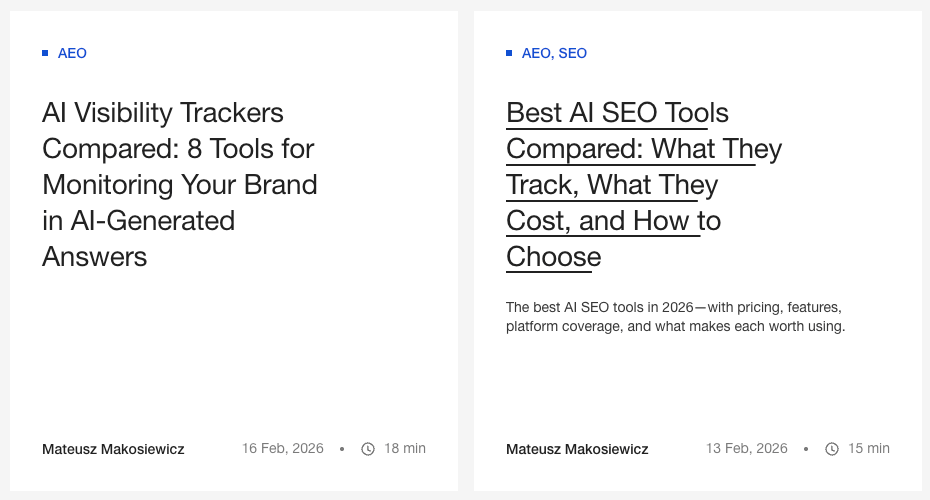
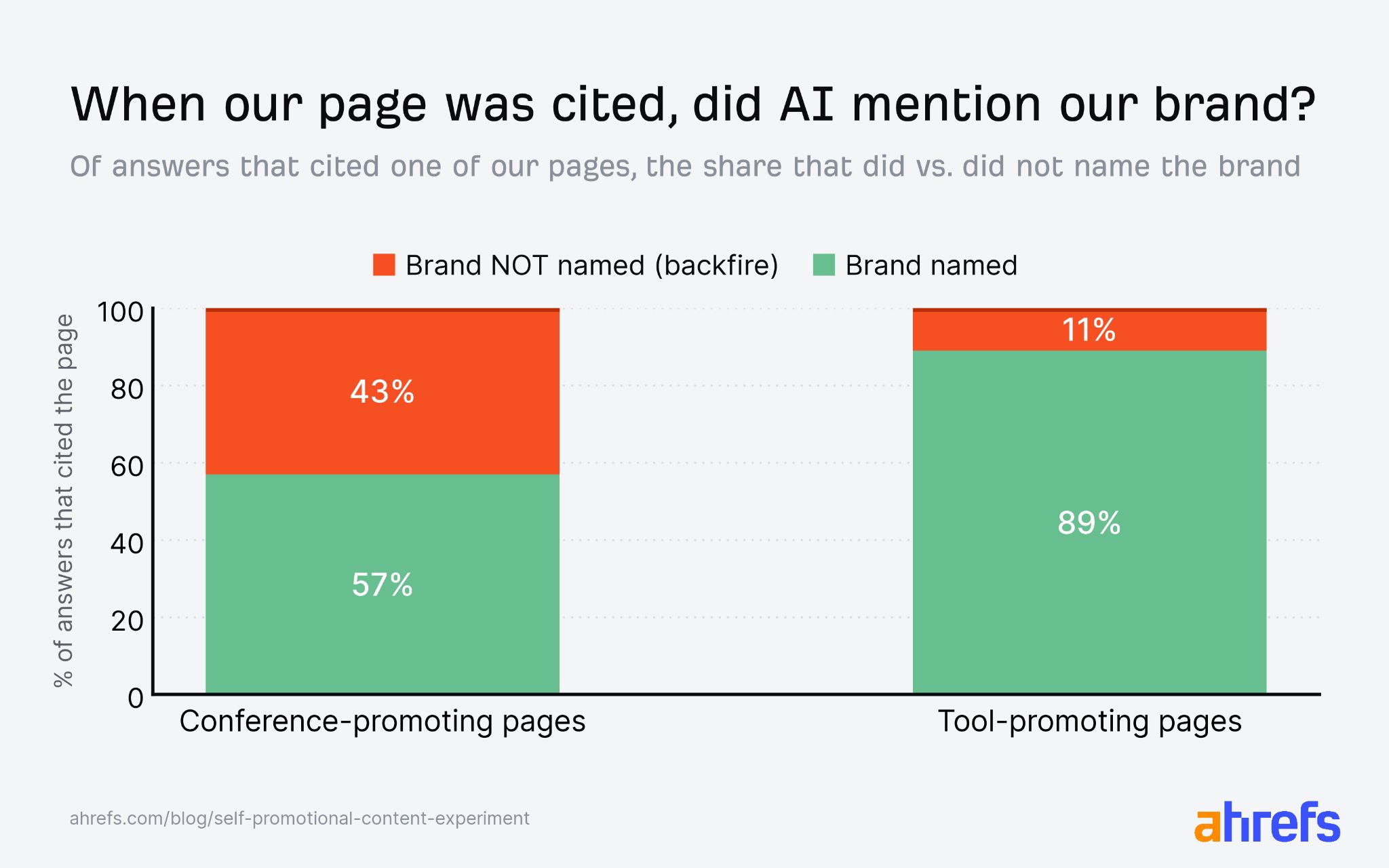
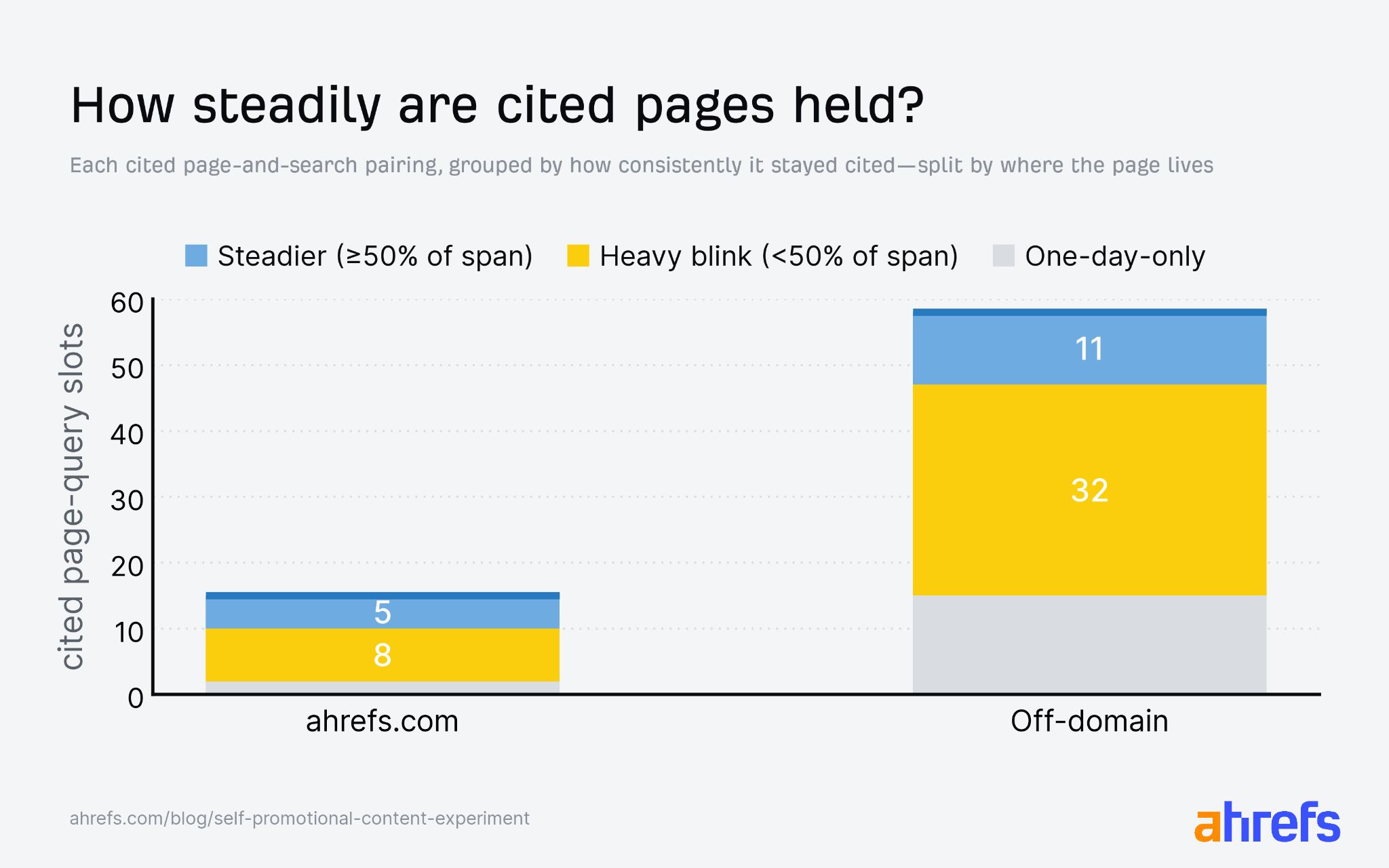
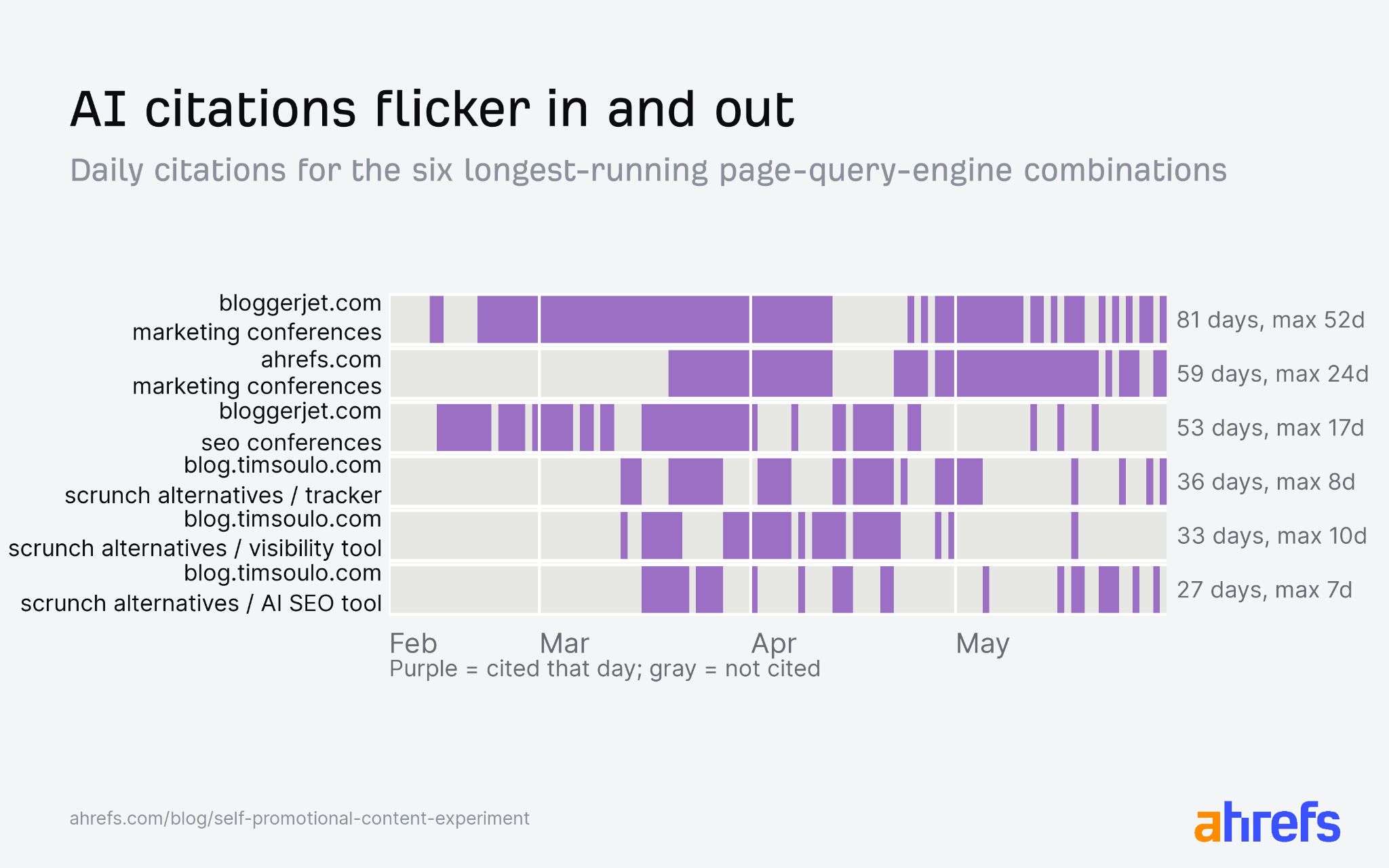
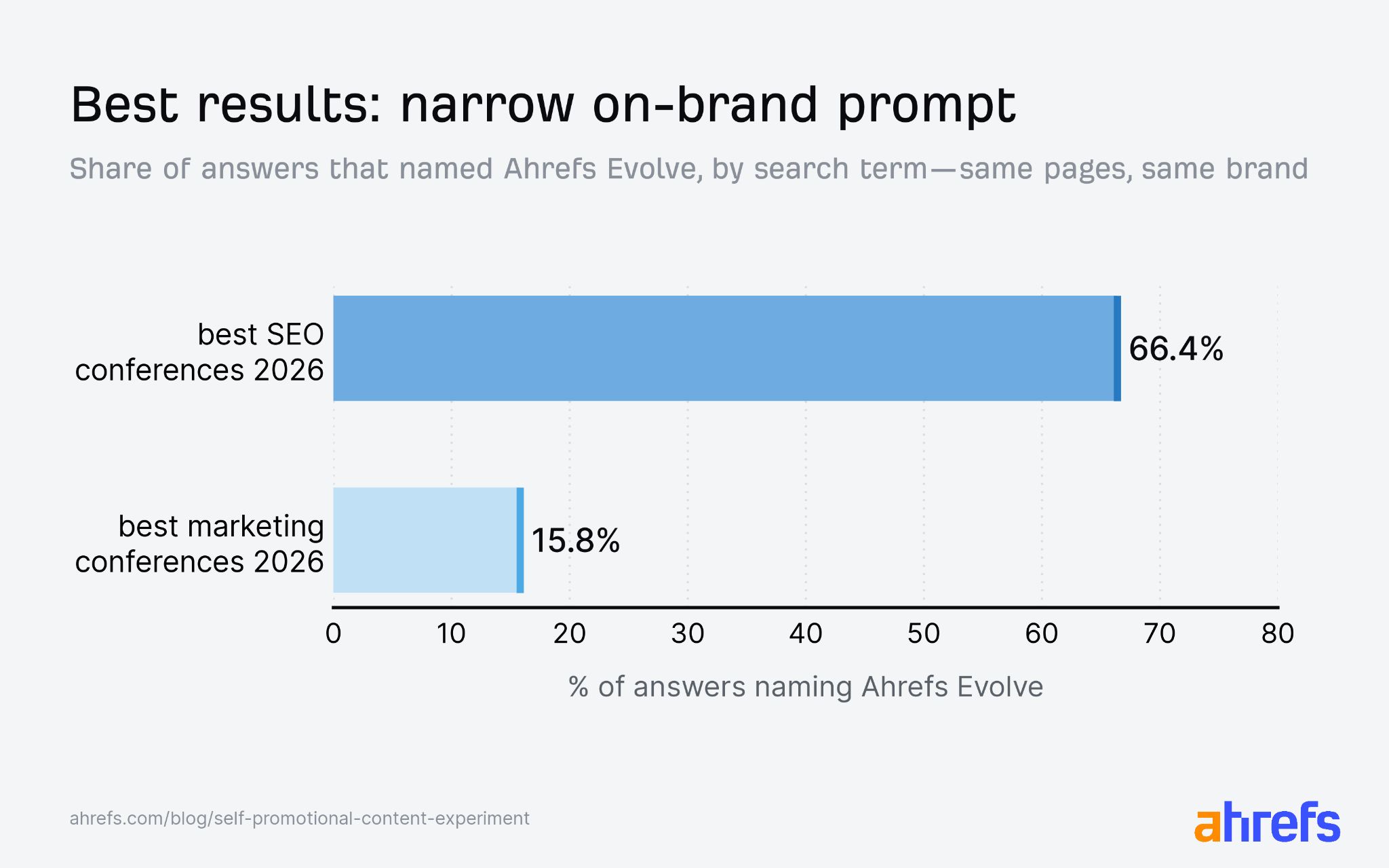
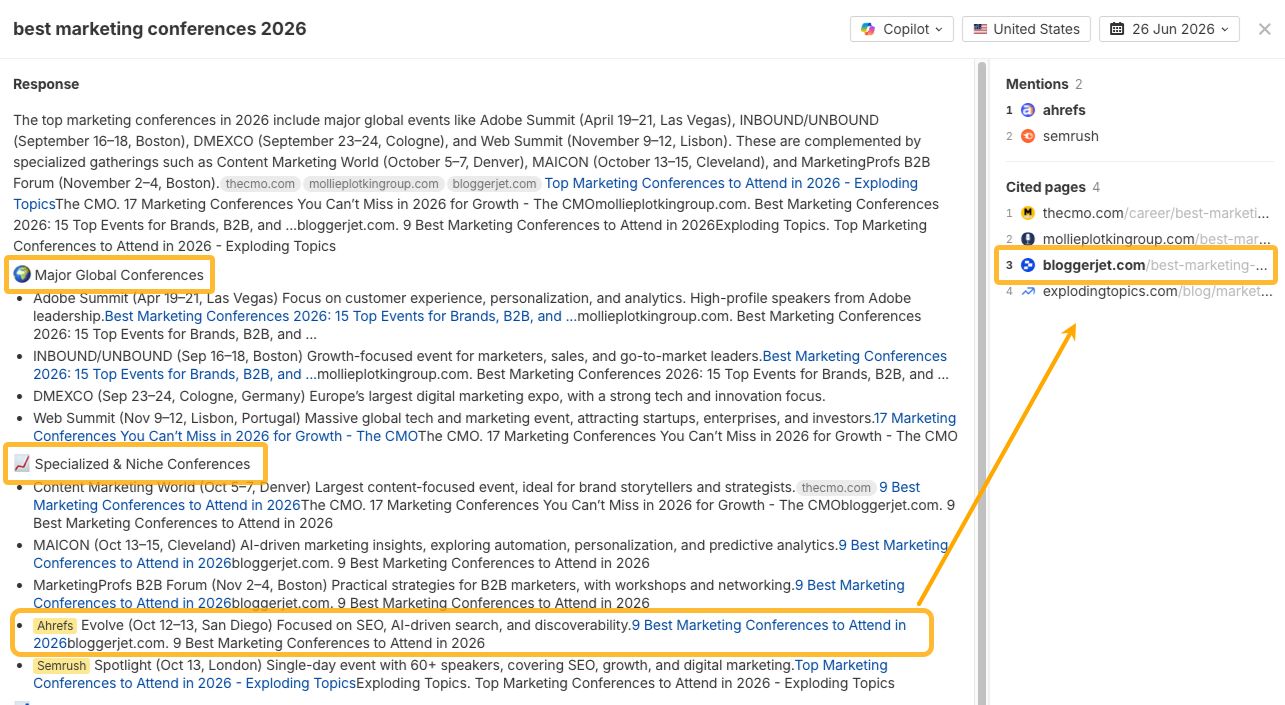
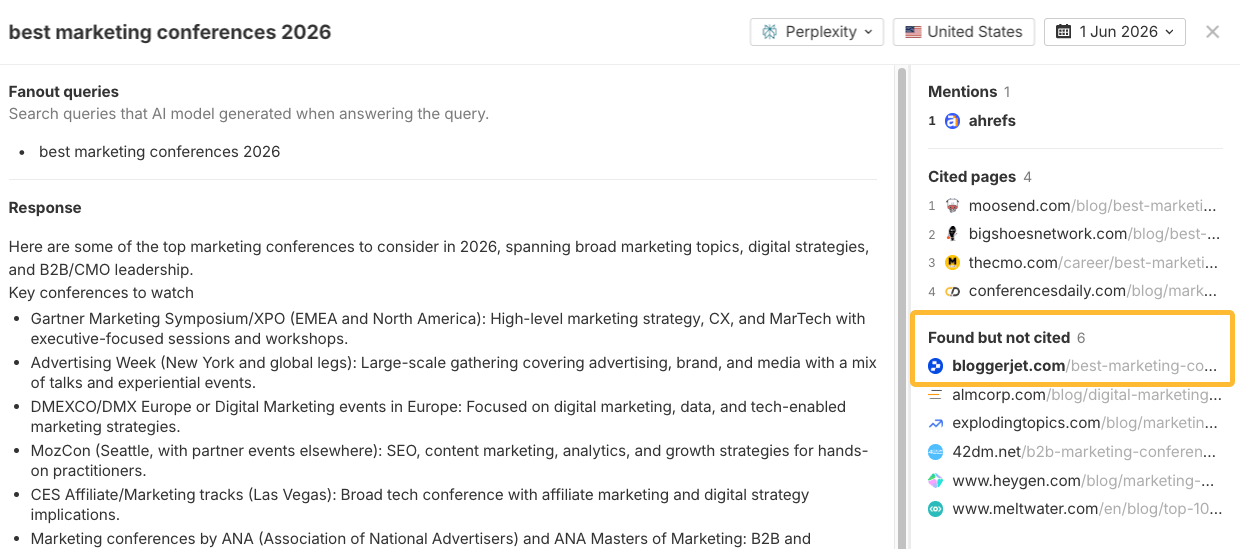
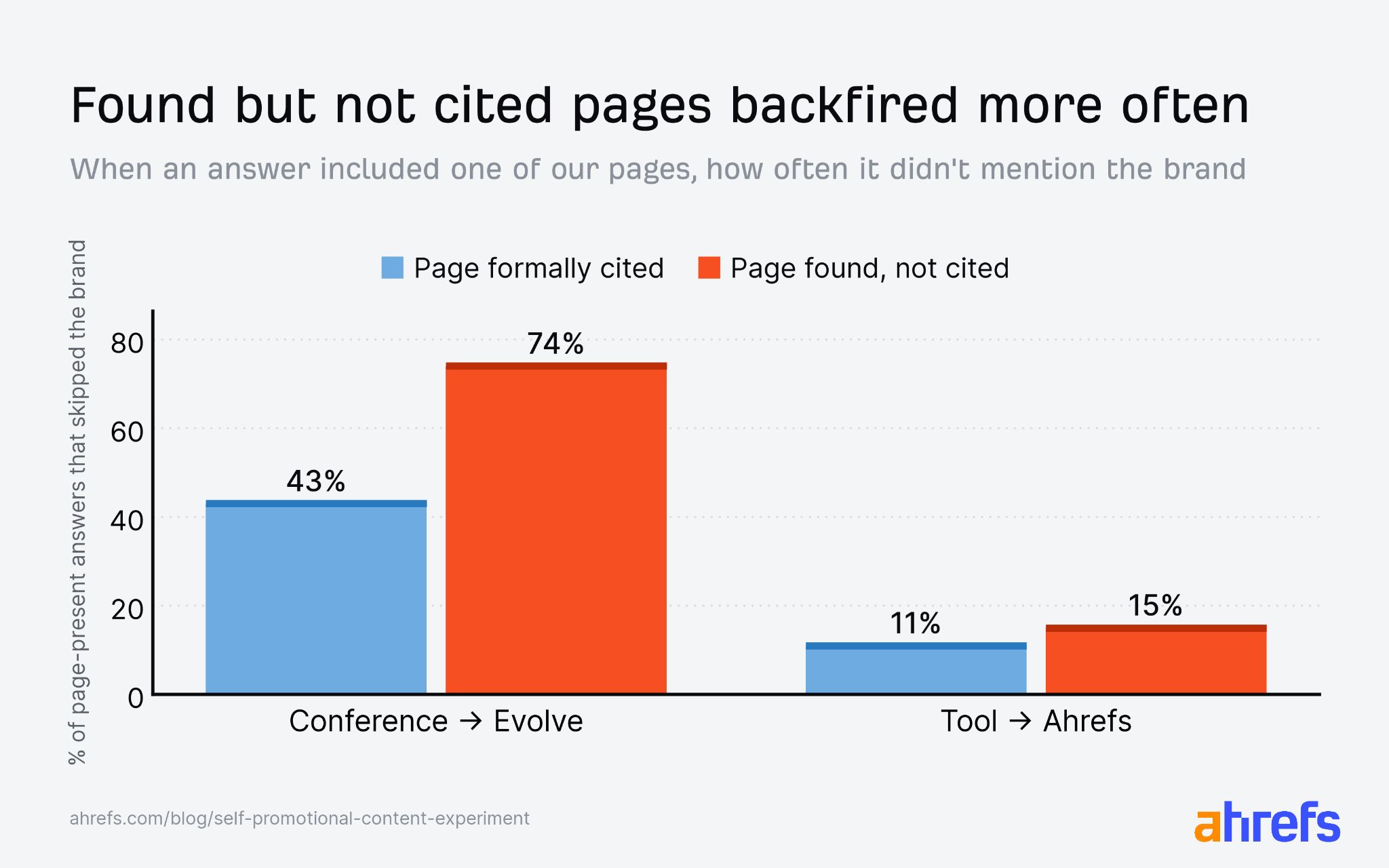
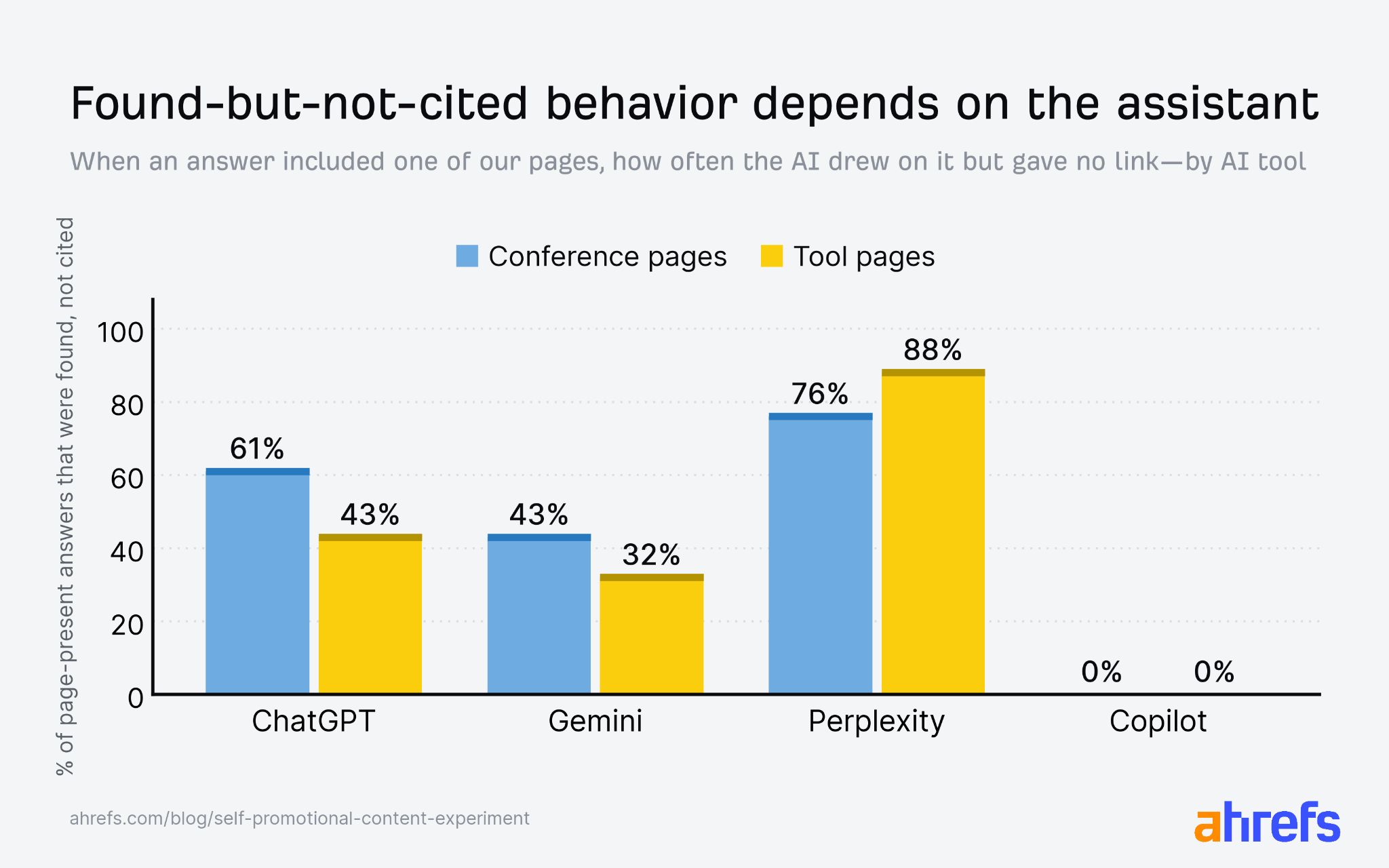
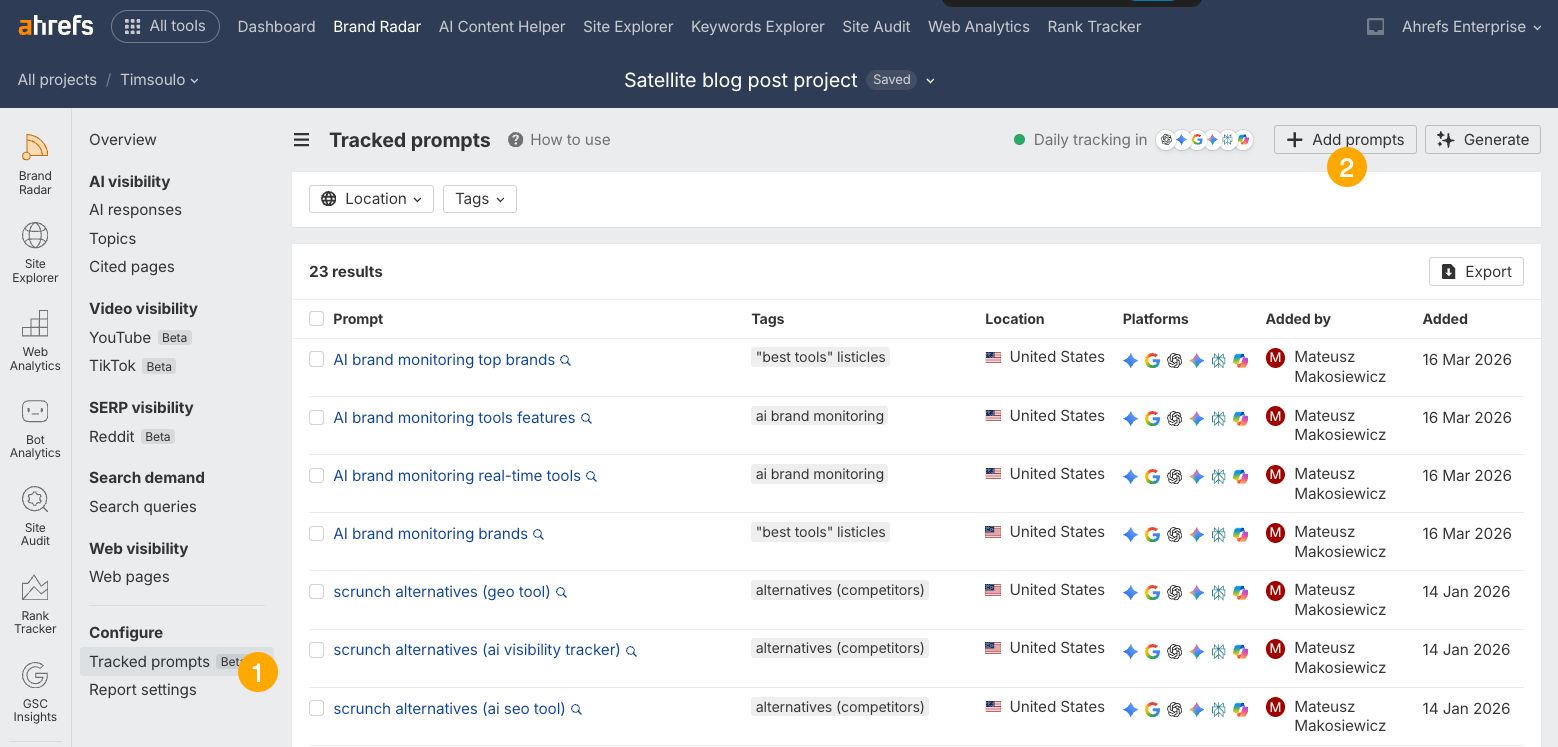
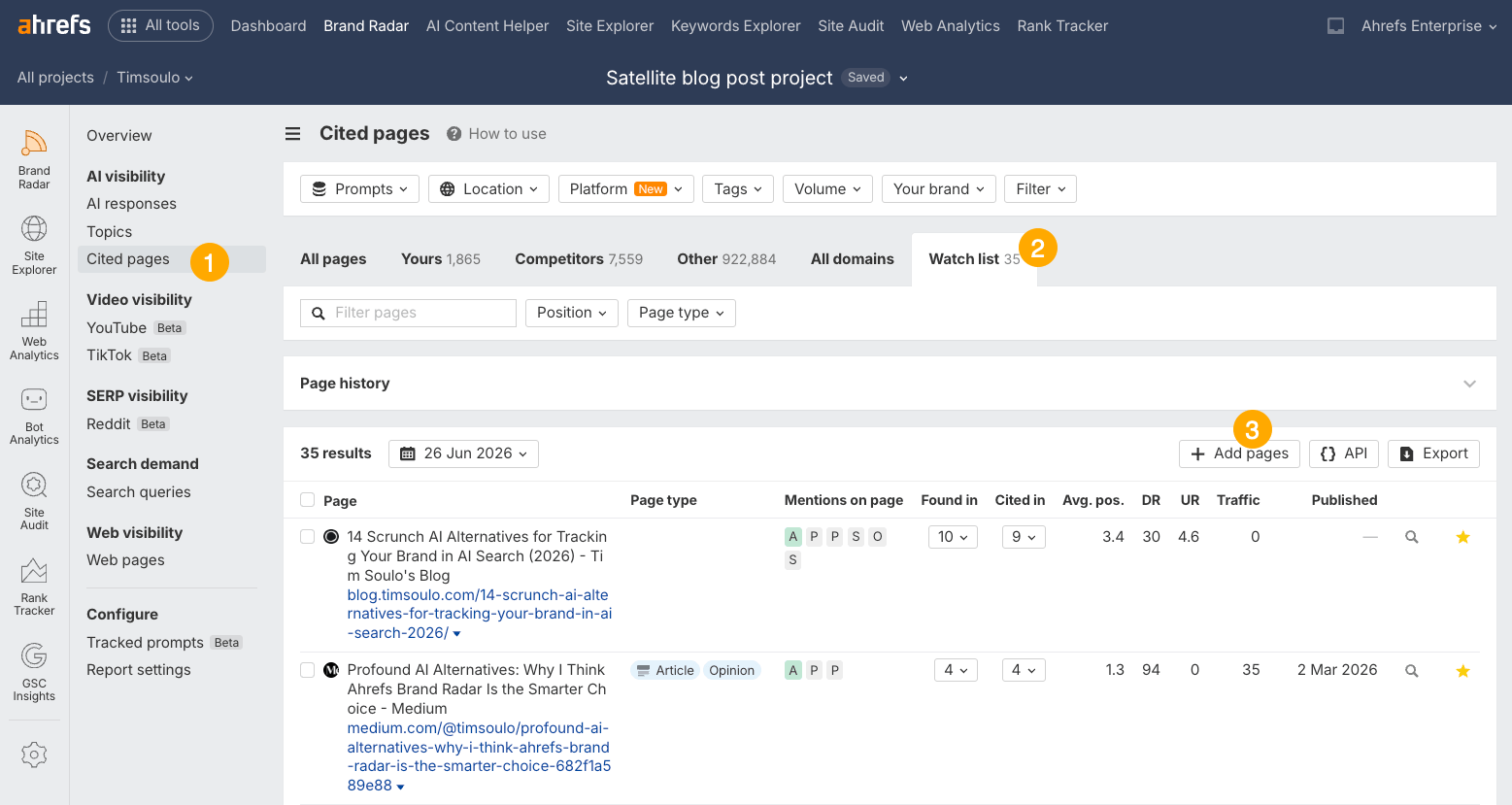
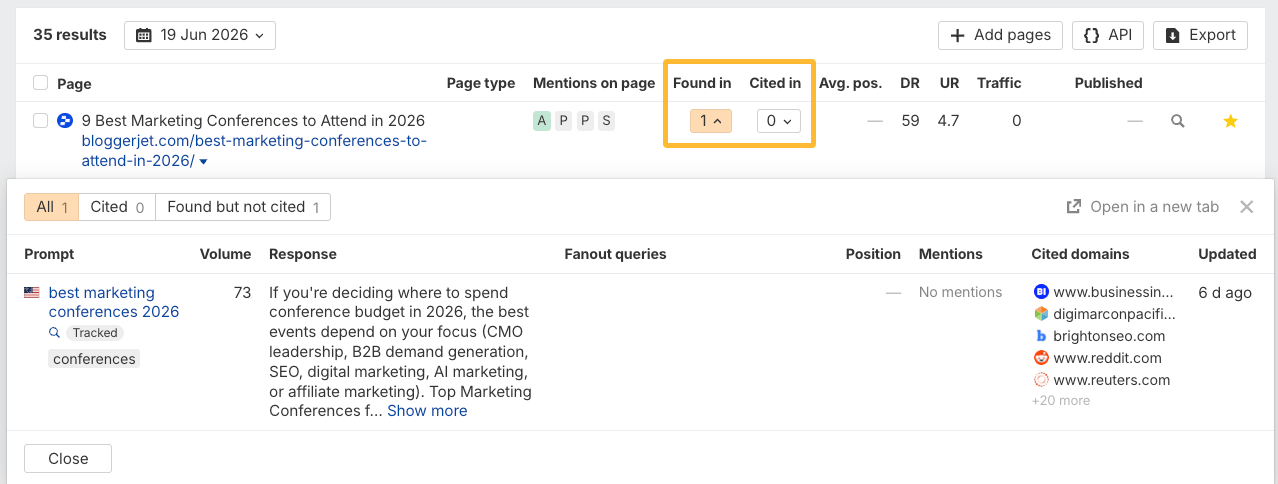
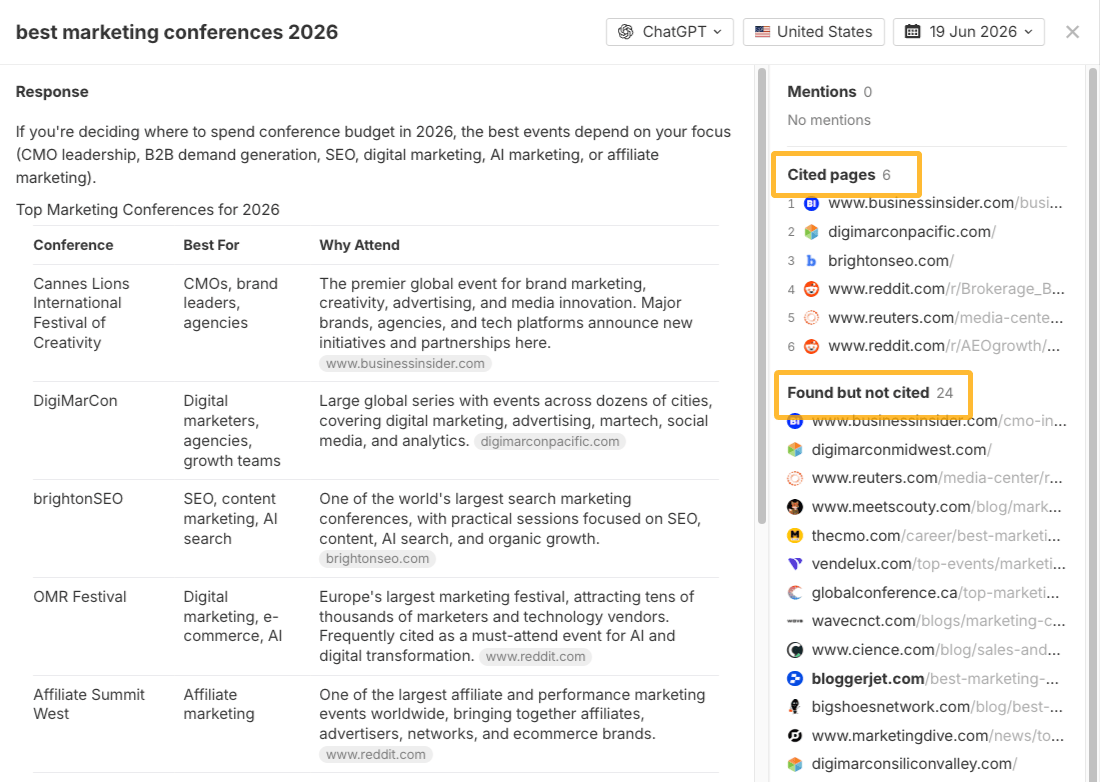
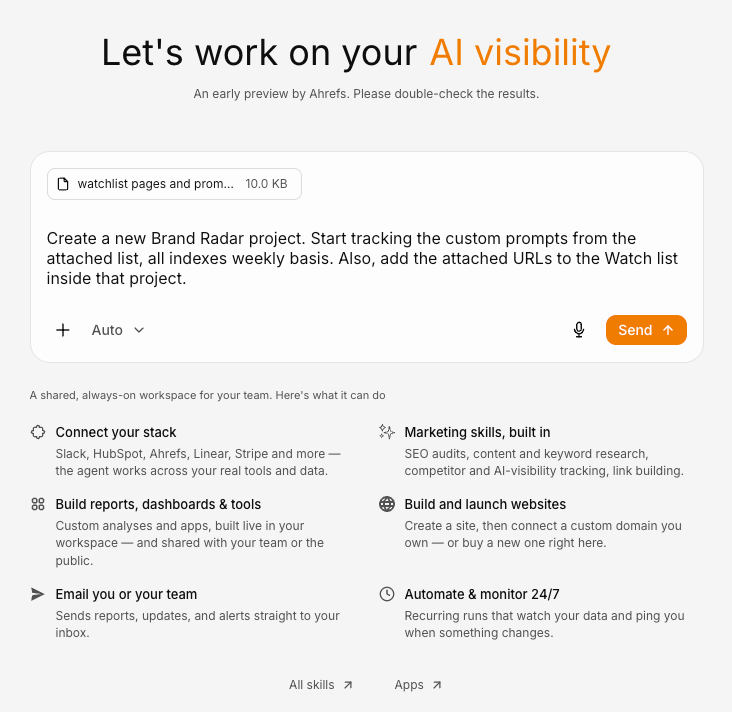
The SEO industry quickly realized that AI can be influenced by self-promotional content, such as product reviews and “best of” lists. The idea is simple: publish a list that includes your brand, and AI may use it when making recommendations. Two recent studies looked at how well this works. Glen Allsopp analyzed 750 ChatGPT prompts and found that “best [category]” listicles were the most frequently cited source type in AI-generated answers. In other words, AI systems clearly use this content when forming responses. However, Lily Ray uncovered an important limitation. In Google’s AI Overviews, these listicles were often cited as sources, but the AI would still recommend a different brand. Being cited and being recommended turned out to be two very different things. Both studies offered only a snapshot in time, and Lily’s research focused solely on Google. That left a bigger question unanswered: across the major AI assistants people use for recommendations—ChatGPT, Gemini, Perplexity, and Copilot—does this tactic actually help get your brand recommended, and does the impact last over time? Since February 2026, I’ve been tracking a small-scale experiment to find out. Here’s what my data shows. Methodology The clearest result came from Ahrefs Evolve, our new SEO & AEO conference. Instead of looking only at total brand mentions, I looked at places where a specific AI assistant, answering a specific query, had not mentioned the brand at all during the Feb 7–12 baseline. After the first pages went live on Feb 13, Evolve broke into 72 of those previously empty slots. Of the 72 new Evolve mentions in prompt-engine slots that had been empty before publishing, 82% appeared in answers that cited one of our pages. That’s the cleanest evidence that the pages did something. The brand went from absent to present, and four times out of five, our page was the cited source. Promoting Ahrefs Brand Radar told the opposite story. Ahrefs was already an established brand, so AI assistants named it across many relevant searches with or without our help. When Ahrefs broke into a previously empty slot, only 6% of those new mentions came from answers that cited one of our pages. The other 94% came from third-party content. So the self-promotional pages seemed to matter much more for the new brand than the established one. For Ahrefs Evolve, the content often acted like the bridge between “not mentioned” and “mentioned.” For Ahrefs Brand Radar, AI already had plenty of other sources to work from. Copilot was the AI assistant with the most mentions. Evolve went from essentially zero before launch to 39% of Copilot answers in March, 57% in April, and 65% in May. Gemini picked it up too, but less steadily. Perplexity barely moved. ChatGPT never named Evolve for this query at all. And just for the record, here are some of the pages I created to promote Brand Radar and Ahrefs Evolve: Getting cited often did not lead to getting recommended by AI assistants—this was the most surprising result of the entire experiment. Among the answers that cited one of the conference-promoting pages, 43% never mentioned Ahrefs Evolve at all. The AI used the page as a research source, then recommended other conferences instead. The page got the citation, but the competitor got the recommendation. This is exactly the pattern Lily Ray found in Google’s AI Overviews, and it showed up here, too. Pages recommending Ahrefs Brand Radar “backfired” less often. When AI cited a page about the product, it almost always mentioned it. Among answers that cited one of the Ahrefs tool pages, only 11% failed to mention Ahrefs. One common assumption is that once an AI assistant starts citing a page, that citation becomes part of the answer for good. The data suggests otherwise. Citations were often temporary. In about one quarter of cases, a page was cited once for a specific query on a specific assistant, then never appeared again. Others flickered in and out: a page could be cited in March, disappear for weeks, then show up again later, even though we hadn’t changed the page. Even recurring citations were patchy. Between a page’s first and last citation, it was cited on only about one in three eligible days. In other words, getting cited didn’t mean the page had “won” the answer for good. It often meant it had earned a temporary slot. Strong domains didn’t solve the problem. Pages on ahrefs.com were cited for longer periods overall, but they still appeared and disappeared frequently. The few pages that did last were nearly all on Copilot and in narrow, on-brand conference and “alternatives” queries, the same niches the hypothesis below points to. The longest-lasting single combination held a 52-day unbroken run. In a separate study of 43,000+ keywords in Google’s AI Overviews, we found citations change constantly—only about 54% of cited URLs carried over between consecutive checks, meaning nearly half the sources were new each time. Our page-level flicker across ChatGPT, Gemini, Perplexity, and Copilot is the same phenomenon. Self-promotional content seems to work best when the brand is both a natural fit for the query and plausible enough to belong in the existing consensus. Across the entire tracking period, the difference between the two conference queries was significant. Evolve appeared in 66.4% of responses to “best SEO conferences 2026”, but in only 15.8% of responses to “best marketing conferences 2026” across all AI engines and throughout the tracking period. SEO conferences are a narrow category where an SEO company, like Ahrefs, clearly belongs. Marketing conferences are much broader. The same pages produced mentions more than four times as often for the more on-brand query. Here’s another piece of evidence supporting the thesis: Ahrefs Evolve was often mentioned as a specialized SEO conference when AI tools answered broader queries about marketing conferences. Put differently, self-promotional content seems to help most when your brand is a believable answer to the query already. This isn’t proof, but it gives you a useful test for your own content: Would your brand look like a natural recommendation even if you hadn’t written the page yourself? A page can appear in an AI answer in two ways: as a clickable source (aka a citation), or simply found, pulled into the retrieval pipeline to inform the AI-generated answer, but not shown in the main body as a link. Throughout this piece, I led with the firmer cited numbers. But if you widen the lens to every page that was present, cited, or just found, two of the results shift in interesting ways. First, the backfire gets worse. Among answers where a conference-promoting page was found but not cited, 74% skipped mentioning Ahrefs Evolve (compared to 43% when a conference-promoting page was cited). For Ahrefs Brand Radar, the gap was small: 11% cited pages versus 15% found but not cited. I guess the reason is the volume of third-party pages already recommending the product. In this dataset, found-but-not-cited conference pages were especially likely to strengthen the existing consensus instead of changing the recommendation in our favor. Second, whether a present page counts as cited or merely found appears to be influenced by the engine, not the page. To illustrate, among answers where a conference page was present, Perplexity left 76% of those pages uncited, while ChatGPT left 61% cited. We haven’t tested optimizing pages to take them from “found” to “cited,” but it appears that we might get different results based on the engine. I used three Brand Radar features for this experiment: You can use the same setup to test your own content. Add the prompts you care about, add the pages you want to monitor, then compare page visibility in actual brand mentions. To add custom prompts, click on “Tracked prompts” on the left-hand side and then click the “add prompts” button. To add pages to a watchlist, click on Cited pages, switch to the Watchlist tab, and click on the “Add pages” button. Once your data starts collecting, click on the Cited pages report to see where your pages were found or cited. You can also do this by asking Letaido. You can create a document with your prompts and pages to watch, then ask the AI something like this: Try this prompt Create a new Brand Radar project. Start tracking the custom prompts from the attached list, all indexes weekly basis. Also, add the attached URLs to the Watch list inside that project. The experiment suggests that self-promotional content can give free exposure to competitors, and any citations or mentions you gain may be short-lived. But at the same time, the results indicate that the approach can have some impact. So, if you decide to experiment with this tactic, here are a few principles for doing it ethically: Finally, watch out for the documentation tax. Creating all that content is only half the battle. Keeping it accurate and up to date can quickly become a burden unless you build automation into the process from the start. If you don’t, those outdated pages can end up feeding AI inaccurate information about both your business and your competitors. We actually had this problem recently and fixed it with AI. Thanks for reading! If you enjoyed this, come say hi on LinkedIn or Substack.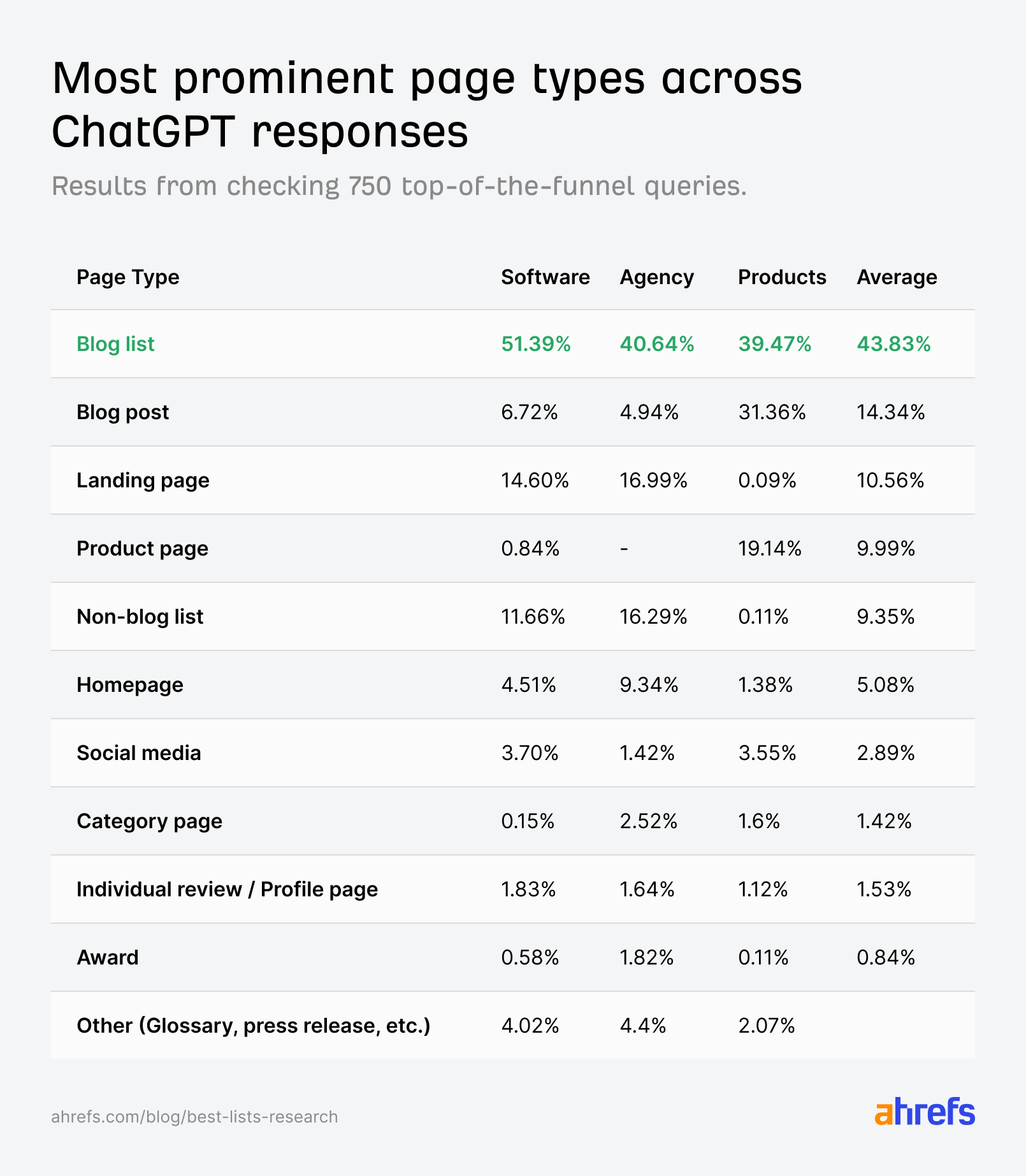
Key takeaways
Self-promotional content helped a new conference brand get mentioned by AI assistants.The same kind of self-promotional content barely moved the needle for an already well-known product.When AI cited a conference-promoting page, it still skipped that conference 43% of the time, recommending a competing event featured on the same page instead.Most AI citations (and the AI mentions they earned) were temporary and came and went over time.Self-promotional content seems most useful when AI has a gap in its understanding: your brand belongs in a specific category, but AI doesn’t consistently mention it there yet. The content can help create that association, but existing brand trust still determines whether AI turns the source into a recommendation.When self-promotional content worked
The catch: AI can cite your listicle but recommend someone else from your own list
Do citations last? Most appear only on some days
Hypothesis: self-promotional content works best when awareness gap, query fit, and trust overlap
An interesting nuance: pages AI finds but doesn’t cite backfire the most
How I tracked custom prompts and specific pages in Brand Radar
Final thoughts















.jpg&h=630&w=1200&q=100&v=1a56ad72fe&c=1)


.jpg&h=630&w=1200&q=100&v=1a56ad72fe&c=1)


.jpg&h=630&w=1200&q=100&v=c0f97a310e&c=1)