The four common illnesses on cruise ships that experts want you to know about
Cruise outbreaks are at their highest level in over a decade
 Astrong
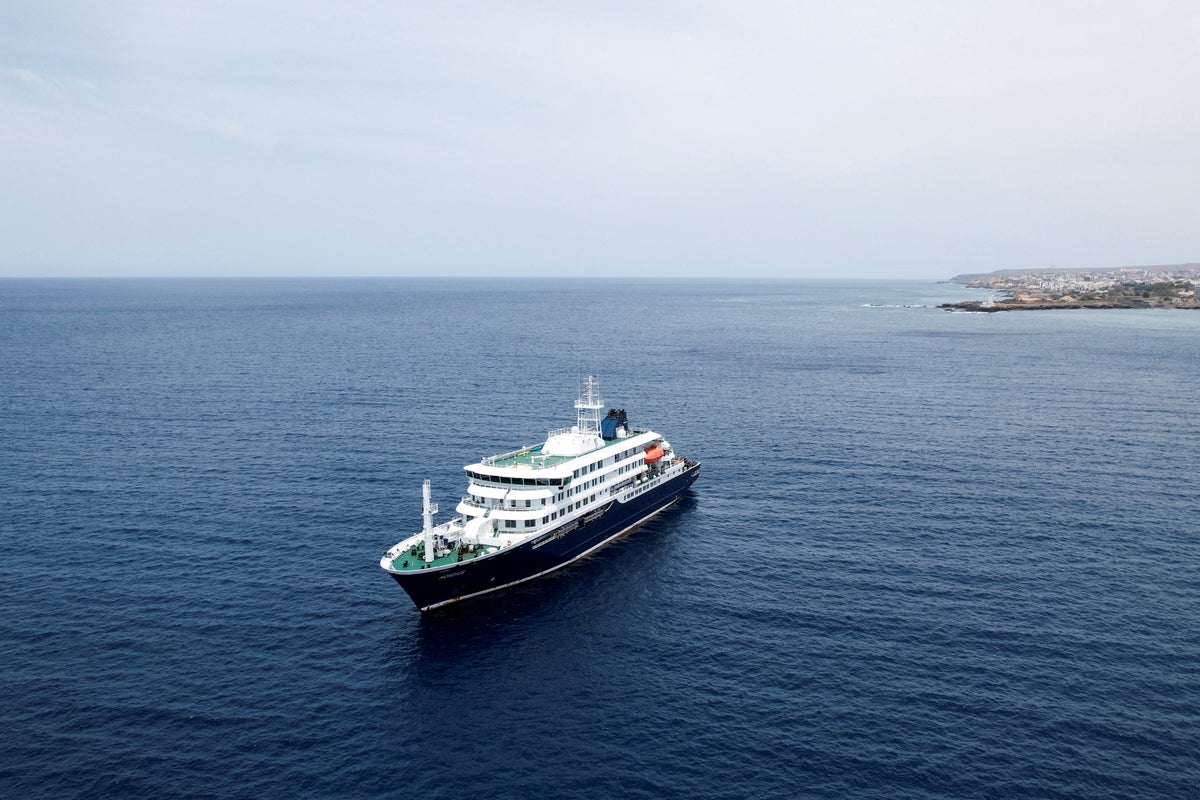
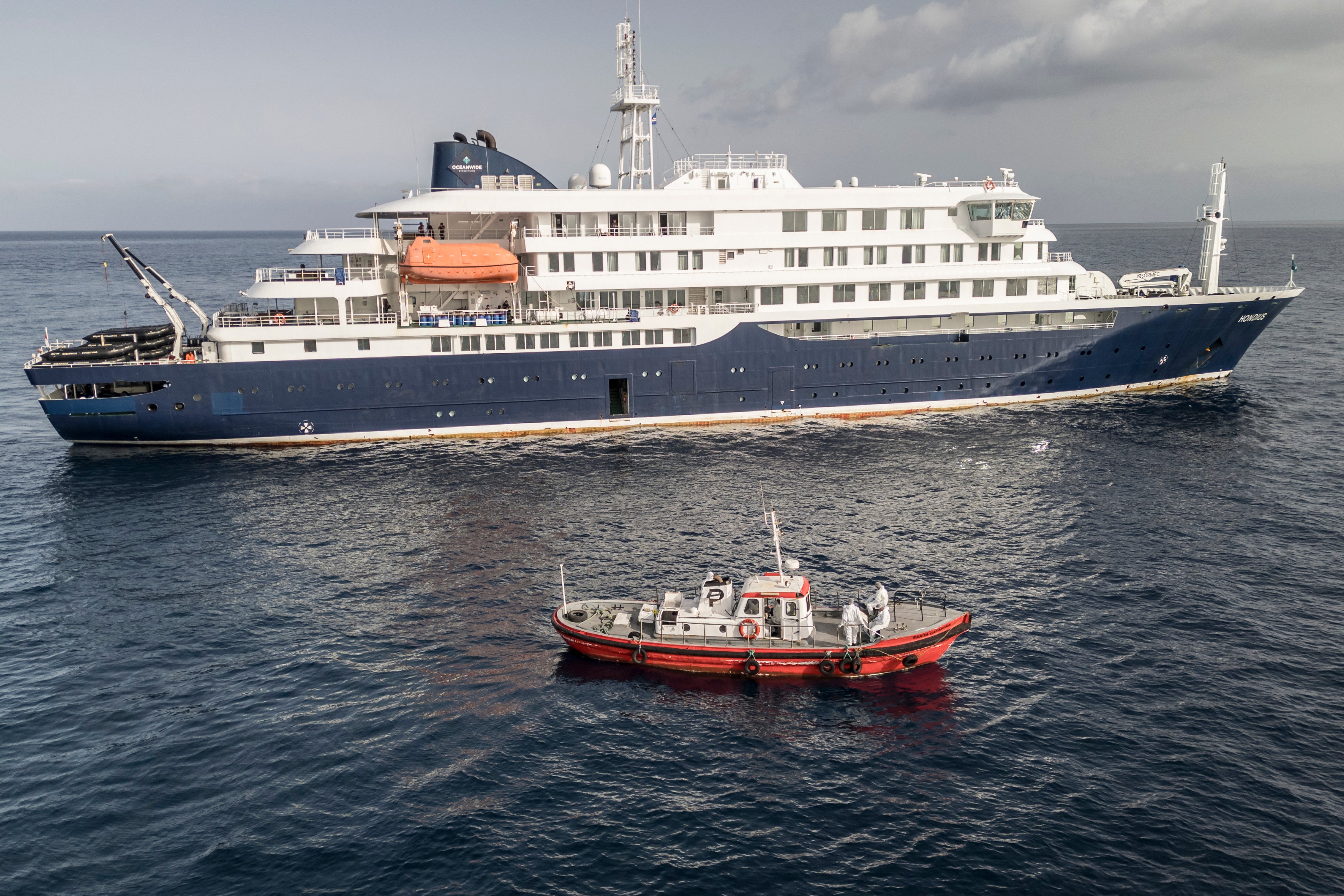
A deadly outbreak of suspected hantavirus on a Dutch cruise ship off the coast of West Africa this month has raised concerns about disease spread during the summer travel season.
Three passengers have died and three others are receiving medical care - although health officials have only confirmed three hantavirus cases so far, according to shipowner Oceanwide Expeditions. The ship, known as the MV Hondius, has 17 Americans on board, including Boston travel blogger Jake Rosmarin.
While taking a cruise is generally safe, experts say this case shows again just how easy it is for passengers to spread disease-carrying germs - especially on larger cruises containing thousands of passengers.
“They are essentially dense, semi-closed ecosystems where thousands of people share space, food, air and surfaces over multiple days,” virologist Raymond Alvarez told The New York Post.
And hantavirus isn’t the most common illness passengers should be aware of this season.
Norovirus
Norovirus was the source of most of the past year’s cruise outbreaks, data from the U.S. Centers for Disease Control and Prevention's Vessel Sanitation Program shows.
The highly contagious vomiting disease was responsible for one of this year’s three outbreaks and 18 of last year’s outbreaks, leading to the highest number of outbreaks tied to U.S. ports in 12 years.
Infection can lead to vomiting and diarrhea that can cause dehydration and even death, although most people get better after drinking fluids and resting for a couple of days.
Norovirus makes up 90 percent of outbreaks of diarrheal disease on cruise ships and can be spread through infected food or water, by passengers or crew who were infected while onshore or environmental contamination.
The virus can stay on surfaces for days or weeks and is resistant to many common disinfectants, the CDC says. People can spread it for two weeks after they show symptoms.
On cruise ships, it’s incredibly easily to spread norovirus.
“It’s just really the perfect scenario for transmission of highly contagious gastrointestinal pathogens,” Dr. Jose Lucar, an infectious disease physician and associate professor of medicine at the George Washington University School of Medicine and Health Sciences, told AARP.
That’s why washing your hands is crucial.
“Hand sanitizer can help, but it does not replace soap and water,” Vikram Niranjan, an assistant professor at the University of Limerick, wrote in The Conversation.
Legionnaires’ disease
Two passengers were diagnosed with Legionnaires’ disease following a Norwegian cruise last year, a February letter to Norwegian Encore passengers showed.
Legionnaires’ disease is a type of pneumonia that develops after exposure to Legionella bacteria.
Although most healthy people who come in contact with the bacteria do not get sick, the CDC says one out of every 10 people sickened with Legionnaires’ disease will die from complications, including lung failure and death.
On cruise ships, legionnaires’ disease can spread through mist and in baths, pools, hot tubs and showers.
There is no vaccine for Legionnaires’ disease. If diagnosed with the disease, you may need to go to the hospital where staff can provide antibiotics or administer oxygen through a face mask or a breathing machine.
Fortunately, the disease is not transmitted from person to person.
It’s unknown how the passengers were exposed to Legionella. Tests of water fixtures on the ship were negative.
Covid and flu
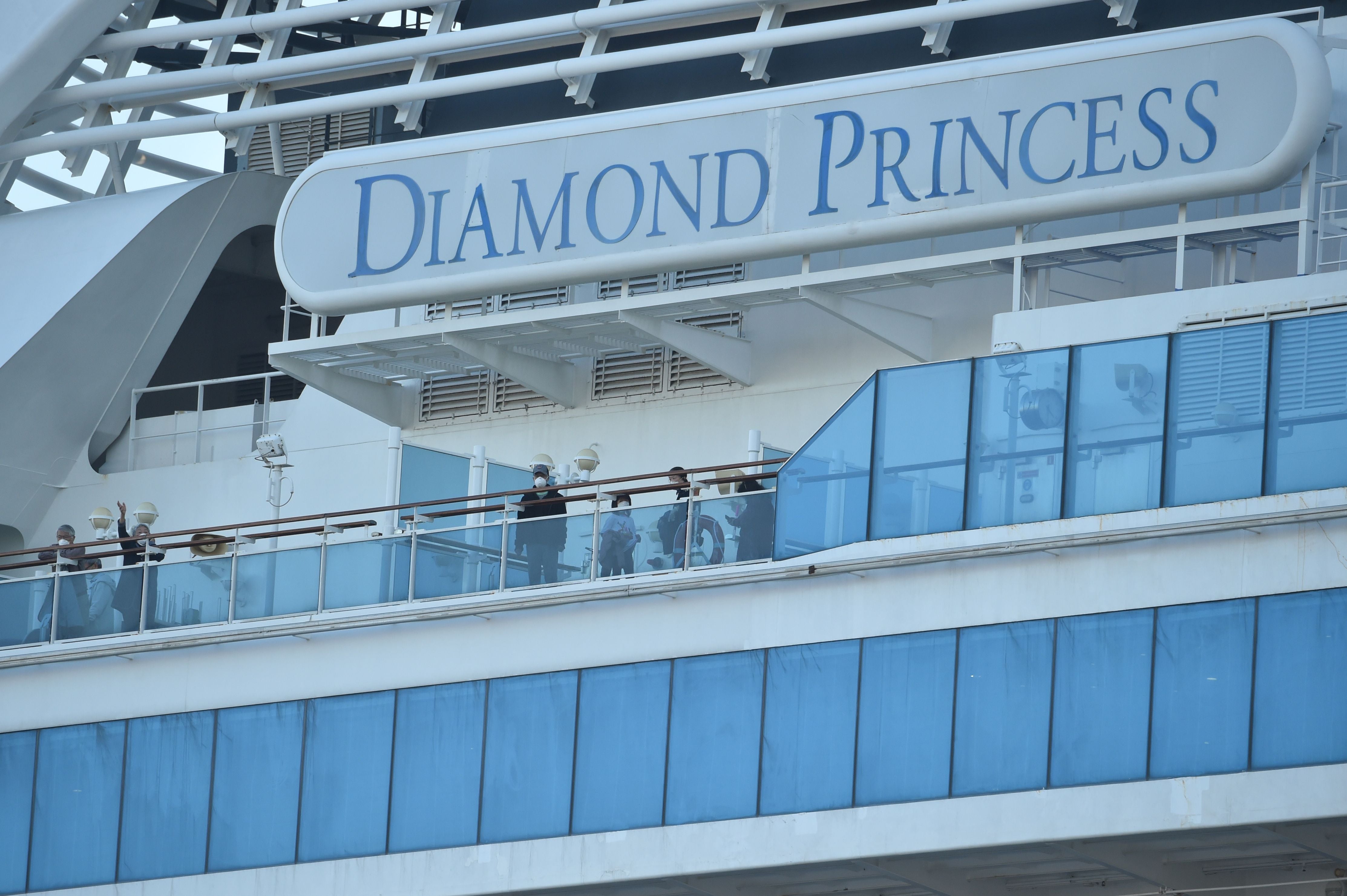
The world watched as people quarantined on cruise ships for months during the height of the Covid-19 pandemic. More than 800 people fell ill on the Diamond Princess cruise ship off the coast of Japan, including 107 Americans.
That threat is not over, although Covid has since become endemic: staying in humans forever, much like influenza.
Covid spreads through exposure to infected droplets and surfaces.
“Indoor densely populated places where we’re exchanging exhaled breath with one another is still going to be a concern for me,” Dr. Wilbur Chen, an adult infectious disease physician, also told AARP.
Although caseloads have fallen since the pandemic, infections are still killing dozens of people in the U.S. each week, CDC data shows.
So is flu - although infections have plummeted since the start of the year.
This past two flu seasons were the worst in decades, partially due to vaccine hesitancy, which saw a resurgence during the Covid pandemic.
Measles
Vaccine hesitancy has also helped fuel outbreaks of the measles again across the U.S., threatening the country’s decades-long elimination status.
In unvaccinated patients, the highly-spreadable virus can lead to pneumonia, ear infections, fever, a red-colored rash and brain swelling known as encephalitis.
Measles is less common on cruise ships, but it can linger for hours after an infected person leaves the room.
And the U.S. isn’t the only place seeing more cases.
South America and Canada lost their elimination status last November.
However, two doses of measles-mumps-rubella vaccine provide 97 percent protection against measles, according to the CDC.
“The best way to protect travelers (passengers and crew) from getting infected is by getting the measles-mumps-rubella vaccine,” the agency says.
























![Get Your Business Found & Chosen In AI Search [Free SEJ Live Event]](https://cdn.searchenginejournal.com/wp-content/uploads/2026/08/ai-search-405.png)