Solo Female Travel Safety Tips: What Actually Keeps You Safe
Key Takeaways Solo female travel is at an all-time high – 68% of solo travellers globally are women, according to the Solo…
 UsenB
UsenB
Key Takeaways
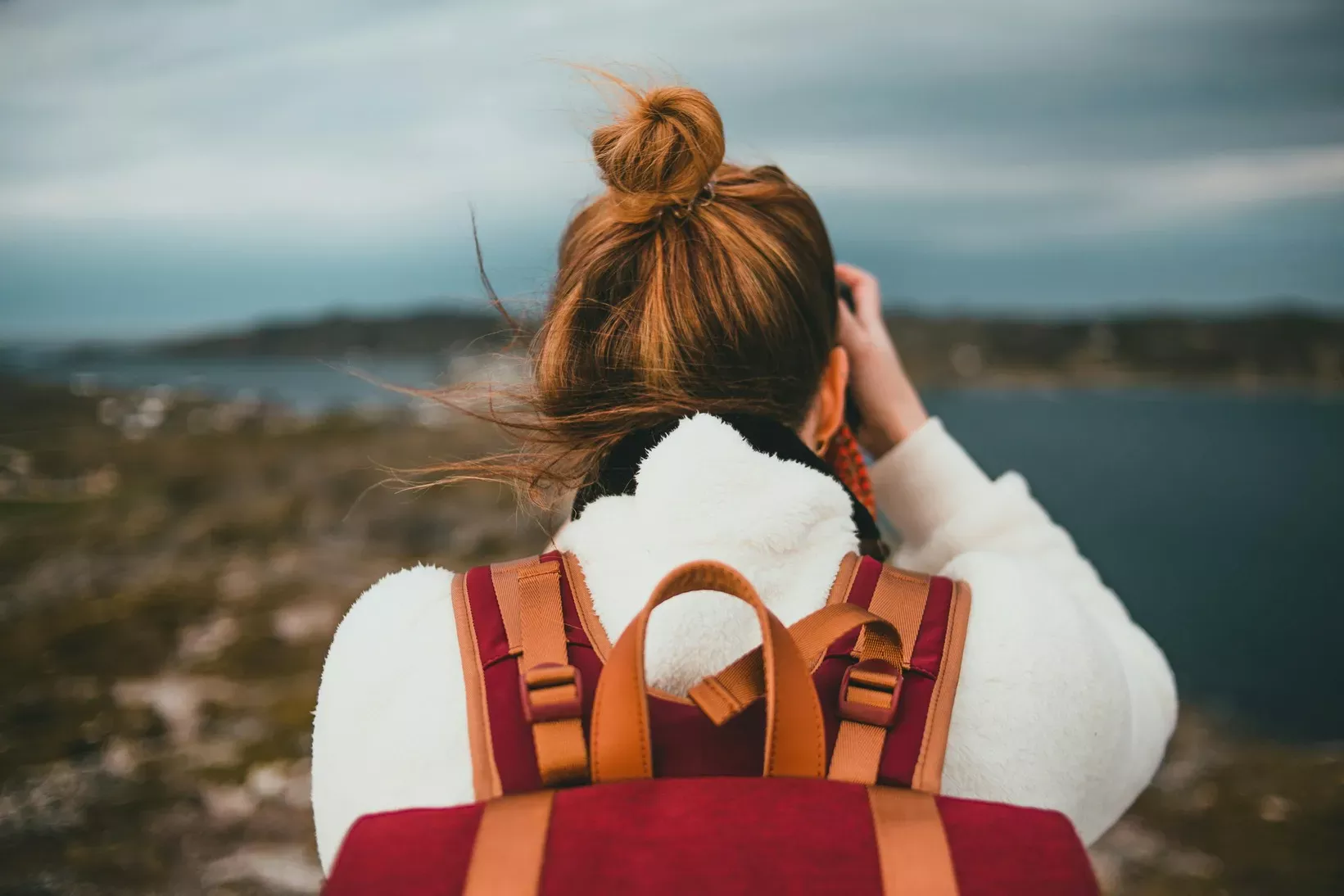
Solo female travel is at an all-time high – 68% of solo travellers globally are women, according to the Solo Travel Society. Research and preparation are the most powerful safety tools available, more than any app or gadget. The perception of danger in many destinations far exceeds the reality – but specific precautions still matter. Connecting with other women travellers before and during a trip dramatically reduces risk and increases confidence. Travel insurance, offline maps, and a trusted check-in contact are non-negotiables, not optional extras.More women are travelling solo than at any point in history. That is not a statistic that needs much unpacking – it reflects a generation of women who refuse to wait for the right companion before seeing the world. But it also raises real questions about safety that deserve honest, practical answers rather than either dismissal or scaremongering.
The honest truth is that the world is largely safe for solo female travellers – and the specific risks that do exist are manageable with the right preparation. Here is what actually works, based on what experienced solo travellers consistently recommend rather than what makes for a compelling travel warning.
Research Is Your Best Safety Tool
Before you book anything, spend time in forums and communities where women share firsthand, recent experiences of the destination. The US State Department’s guidance for women travellers is a useful baseline, but community reports from women who were there last month are more practically useful than any official resource.
What you are looking for is specific rather than general. Not “is X country safe?” – which is almost always an unanswerable question – but “is it safe to walk from the train station to my hostel alone at night in this specific neighbourhood?” The level of specificity matters. Broad safety assessments are rarely useful. Specific local knowledge almost always is.
Accommodation Choices Make a Bigger Difference Than You Think
Where you stay affects how safe you feel and how safe you actually are. Centrally located accommodation, even if it costs slightly more, removes the need to navigate unfamiliar transport options late at night. Well-reviewed hostels with female-only dorms offer something that many hotels do not – an instant community of other women travellers who can share real-time local knowledge.
Read recent reviews specifically for safety mentions. If multiple reviewers mention feeling unsafe, believe them. If the reviews are consistently positive about location and staff responsiveness, that matters too. A good receptionist who you can ask “is it safe to walk to X from here?” at 10pm is genuinely valuable.
How to Handle Transport Safely
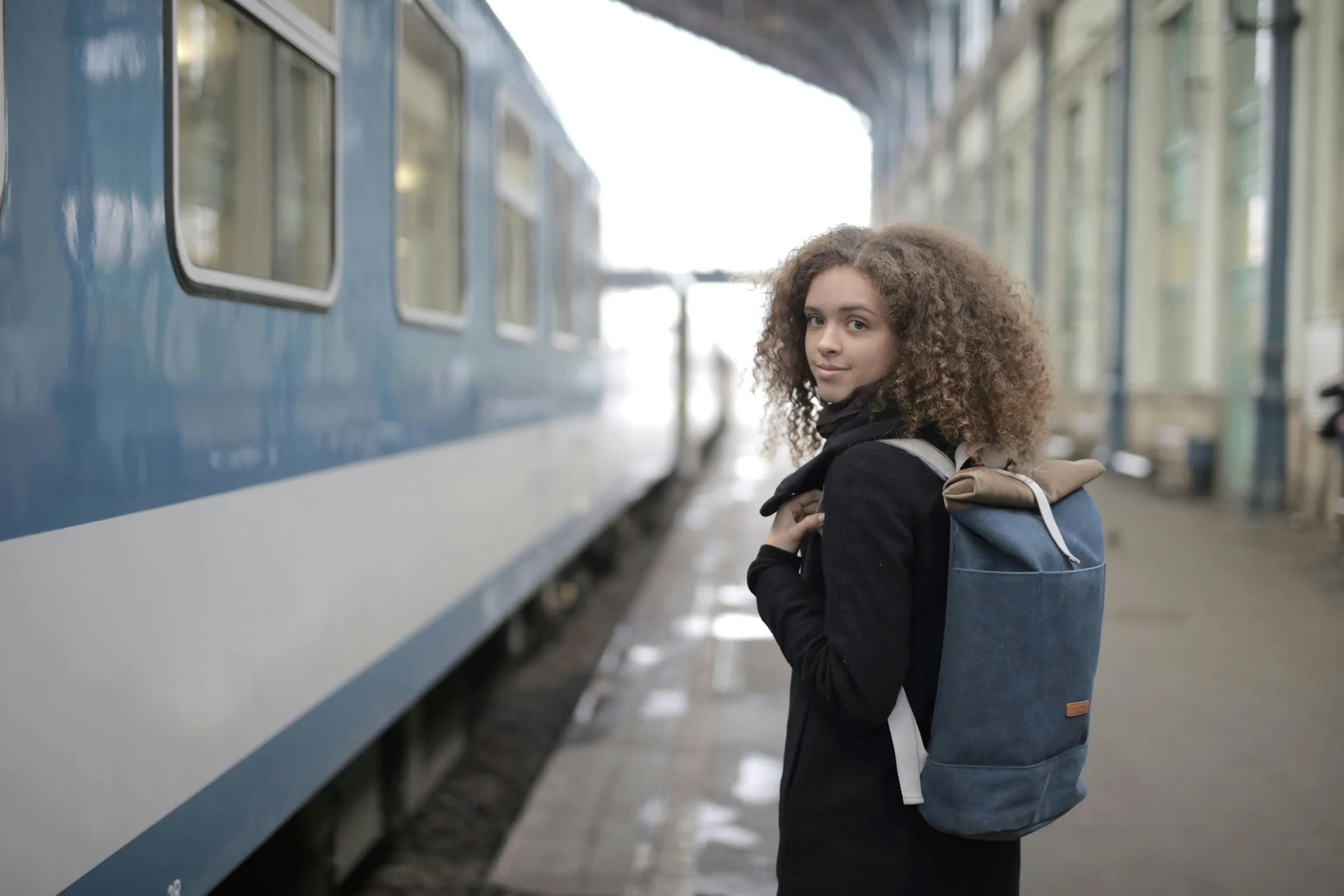
Transport is where most preventable incidents happen. A few consistent habits make a significant difference. Always book reputable, app-based transport rather than flagging down unmarked vehicles. Share your ride details with someone before getting in. Sit in the back seat. Have your destination written down in the local language so you can show it rather than saying it aloud.
For overnight trains and buses, book a berth in a shared compartment rather than a private one. Counter-intuitive as it sounds, being around other people – particularly families – is generally safer than being alone in a locked space with a stranger.
The Tech That Actually Helps
Download offline maps before you arrive so you are never visibly lost with your phone out. A local SIM card is almost always worth the small cost – consistent connectivity is a safety tool, not a luxury. Share your itinerary with a trusted contact at home and agree on a check-in schedule. Not obsessive daily check-ins, but a “if you haven’t heard from me by Wednesday, contact X” arrangement.
A personal alarm – the kind that emits a loud noise when activated – is small, cheap, and genuinely useful in the rare situations where you need to draw attention to yourself. It is not something most people ever need to use, but it costs almost nothing to carry.
Trust Your Instincts, But Check Your Biases
Your instincts are a useful tool, but they are not infallible. They can be shaped by unconscious biases about unfamiliar places or people that have nothing to do with actual threat. The goal is to distinguish between genuine discomfort signals – the situation that feels wrong for reasons you can identify – and generalised anxiety about being somewhere new.
Most solo female travellers report that the world is considerably friendlier than they expected. Strangers go out of their way to help. Local women in particular are often an incredible resource – they know which areas to avoid, which transport to trust, and which local customs matter. Asking for help is not a sign of weakness. It is good strategy.
Before You Go: The Non-Negotiables
Comprehensive travel insurance that includes medical evacuation is not optional. Photograph both sides of every important document and store copies in email and cloud storage. Know the local emergency number for each destination before you arrive. These are boring preparation steps that most travellers skip until they need them, at which point they matter enormously.
Solo travel – for women specifically – is one of the most genuinely transformative things you can do. The preparation that goes into it is part of what makes it so. For the practical side of travelling well, our guide to essential travel beauty products covers what is worth packing and what to leave at home.