The little-known health condition you may experience after taking a cruise
Symptoms include a rocking or swaying sensation and brain fog
 MikeTyes
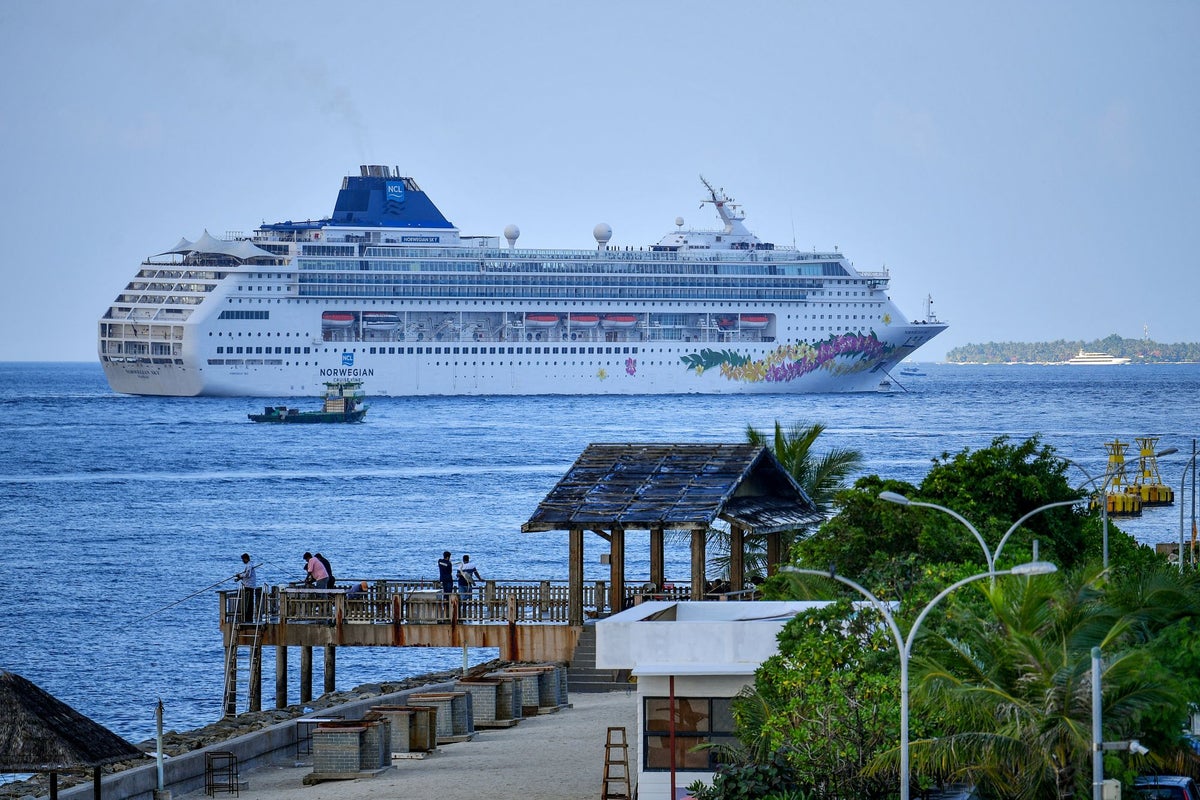
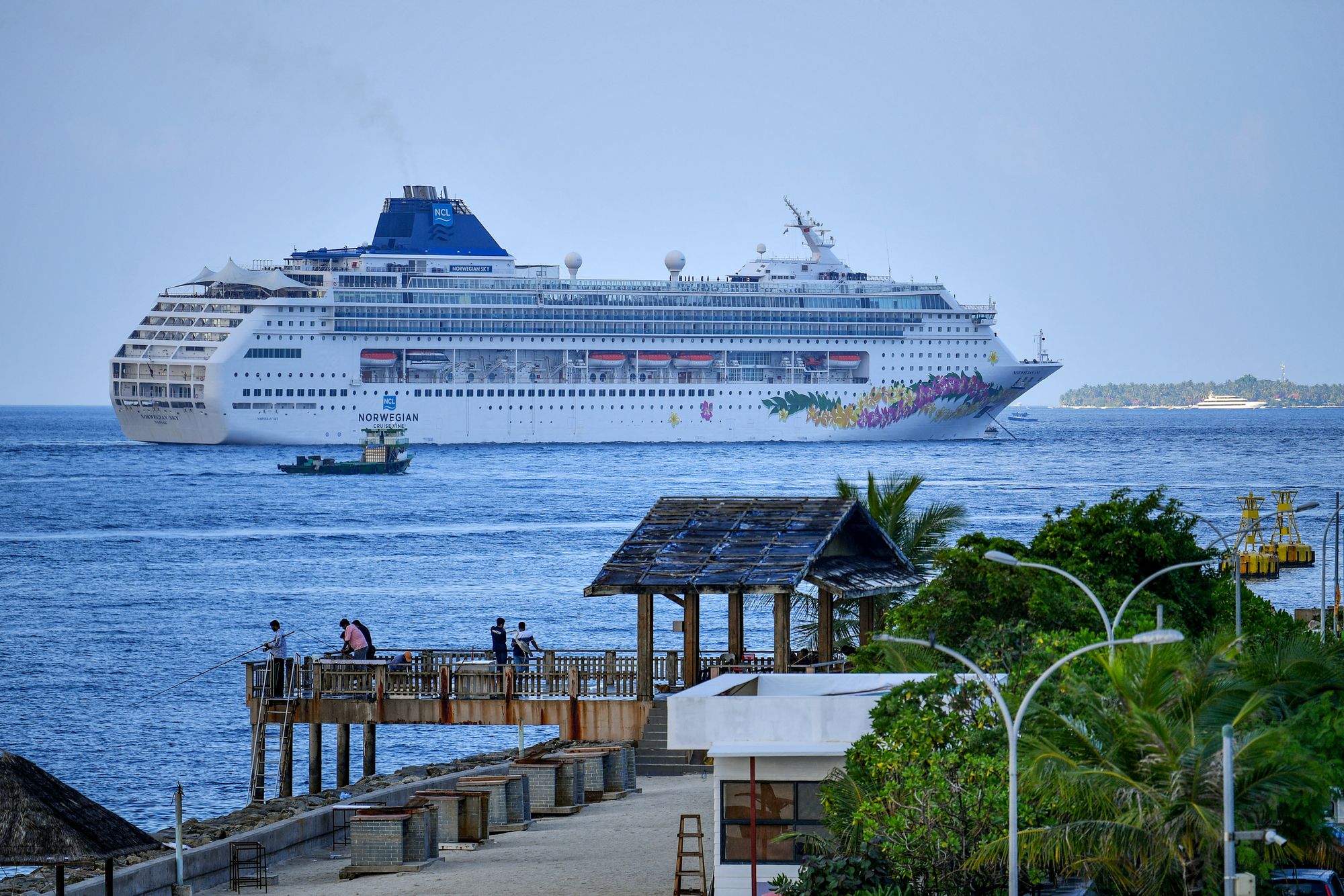
You’ve just returned home after a dreamy cruise vacation on glistening blue waters with nothing but sunshine — but it’s been a day or two back on land and you can still feel the ship moving.
Then, you return to work and have trouble concentrating on even the simplest task all while feeling the motion of the ocean in your head.
It’s not just wishful thinking about being back on vacation or even the post-trip blues — it may actually be a medical condition.
Mal de Débarquement Syndrome, also known as Disembarkment Syndrome, affects the body’s balance system. Translating directly to “sickness upon disembarking,” the disorder often occurs after a cruise vacation or flight when the body struggles to re-adjust to land after developing “sea legs.”
The condition affects the inner ear or brain and can cause the sensation of rocking or swaying, brain fog, confusion, unsteadiness, anxiety, and depression, per the Cleveland Clinic. While symptoms are often temporary and typically last about 24 hours post-cruise or flight, they may last for weeks after setting sail, as some cruise passengers have reported. Symptoms tend to worsen upon sitting, standing, or lying down, creating a frustrating reality for many.
While Mal de Débarquement Syndrome tends to dissipate on its own, if symptoms last longer than a few weeks, a visit to a doctor may be needed. The Cleveland Clinic advises that a primary care physician may be able to order tests with specialists who can rule out other health conditions. Treatment options may then be presented, the Cleveland Clinic reports, which could include brain stimulation therapy or special exercises.
Unfortunately, there isn’t a test that can properly diagnose the disorder, nor is there a cure. Some cruise passengers have reported taking motion sickness medicine to treat symptoms. But the Cleveland Clinic suggests doing so won’t actually help.
The MdDS Foundation, founded in 2007 to find a cure for the disorder, reports that most cases occur in women between the ages of 30–60 and said there’s a greater chance for recurring symptoms after an initial bout.
Multiple Reddit threads are dedicated to post-cruise swaying, with travelers trading stories and advice on how to cope with the potentially debilitating symptoms.
“I think you still have ‘sea legs’ it’s a sensation you’re still on the ship,” one Reddit user responded to a traveler experiencing symptoms. “Basically your brain got used to being on a ship that’s moving and adapted to ‘moving around’. Now that you’re back on the land your brain is still in sea mode. It happens everytime I have gotten back on land from a cruise. It goes away after 2-5 days, just try to rest relax and not worry about it. It will go away.”
“I usually have a mild case for a few days after a cruise. It’s weird because I don’t feel the movement while on the ship but after I get off I feel like I’m moving,” someone else wrote on the r/Cruise thread.
“My wife gets it all the time. Sea legs. Land sickness. The cure is to just stay on the ship,” another Reddit user wrote before adding, “no seriously it will reside.”