The memory crisis isn’t going to ease, and you will pay the price for it, says a research firm
Two research firms just confirmed what the memory crisis feels like: more expensive phones and laptops, with no meaningful price relief before 2028.
 AbJimroe

Forty to 50% higher this quarter, 30 to 40% more next quarter, and no real relief until 2028. Plan accordingly.
 Sergei Starostin / Pexels
If you were hoping the memory crisis was about to ease up, I have some bad news for you. It comes directly from Wall Street.
Your next smartphone, laptop, or tablet could cost even more, regardless of whether it has recently been subject to a price hike.
 Harrison Broadbent / Unsplash
So how bad is it actually going to get?
Investment bank Jefferies has laid out the clearest and ugliest forecast yet.
Memory prices are expected to jump by 40-50% in the third quarter of 2026 compared with the current quarter. While it would have been great if they had stopped there, prices could rise by another 30-40% in the fourth quarter of the year.
For all of 2027, Jefferies projects a 40-45% year-on-year increase. Based on those sequential estimates, we’re looking at a compounded price increase of roughly 150-205% between today and the end of 2027. If I were in the market for a new smartphone or laptop, I’d be worried.
The only real relief comes in 2028, when roughly 15-20% of new manufacturing capacity is expected to come online. Even then, demand for AI and computing will continue to grow simultaneously. In other words, the new supply may not stretch as far (via Wccftech).
 Image used with permission by copyright holder
What does this mean for the price of your next phone or laptop?
Research firm Gartner had separately predicted that combined DRAM and SSD prices could surge 130% by the end of 2026, pushing average PC prices up 17% and smartphone prices up 13% compared to 2025 levels.
That 13%, when you do the math, on a $1,000 phone, amounts to an additional $130 on your bill. Gartner also warned that the entry-level PC segment, devices costing less than $500, could effectively disappear by 2028, simply because companies might not be able to recoup their component costs, let alone earn a healthy margin.
Making things worse, 50% of total memory capacity is already locked into long-term contracts with major tech firms, a figure that could increase even further to 70%, leaving even less supply for consumer devices (via CNBC).

For more than five years, Shikhar has consistently simplified developments in the field of consumer tech and presented them…
A YouTuber 3D printed an entire outfit, but the comfort and cost are more complicated than you’d think
The 3D-printed outfit is real. Whether it's practical is a different conversation entirely.

YouTuber Matthew Trahan has made a career out of 3D printing increasingly unusual things. He has printed musical instruments, bedroom furniture, and, in one particularly memorable video, himself.
His latest project is a full outfit, from shirt to shoes, belt to glasses, because apparently nobody told him 3D printers are for creating engineering prototypes or structures that aren’t otherwise feasible, not for fashion week.
Apple’s next Mac Studio could get a new M5 Ultra chip and a cooler upgrade
The desktop workstation is tipped to receive an M5 Ultra this year, an M7 Ultra later, and a redesigned heat sink.
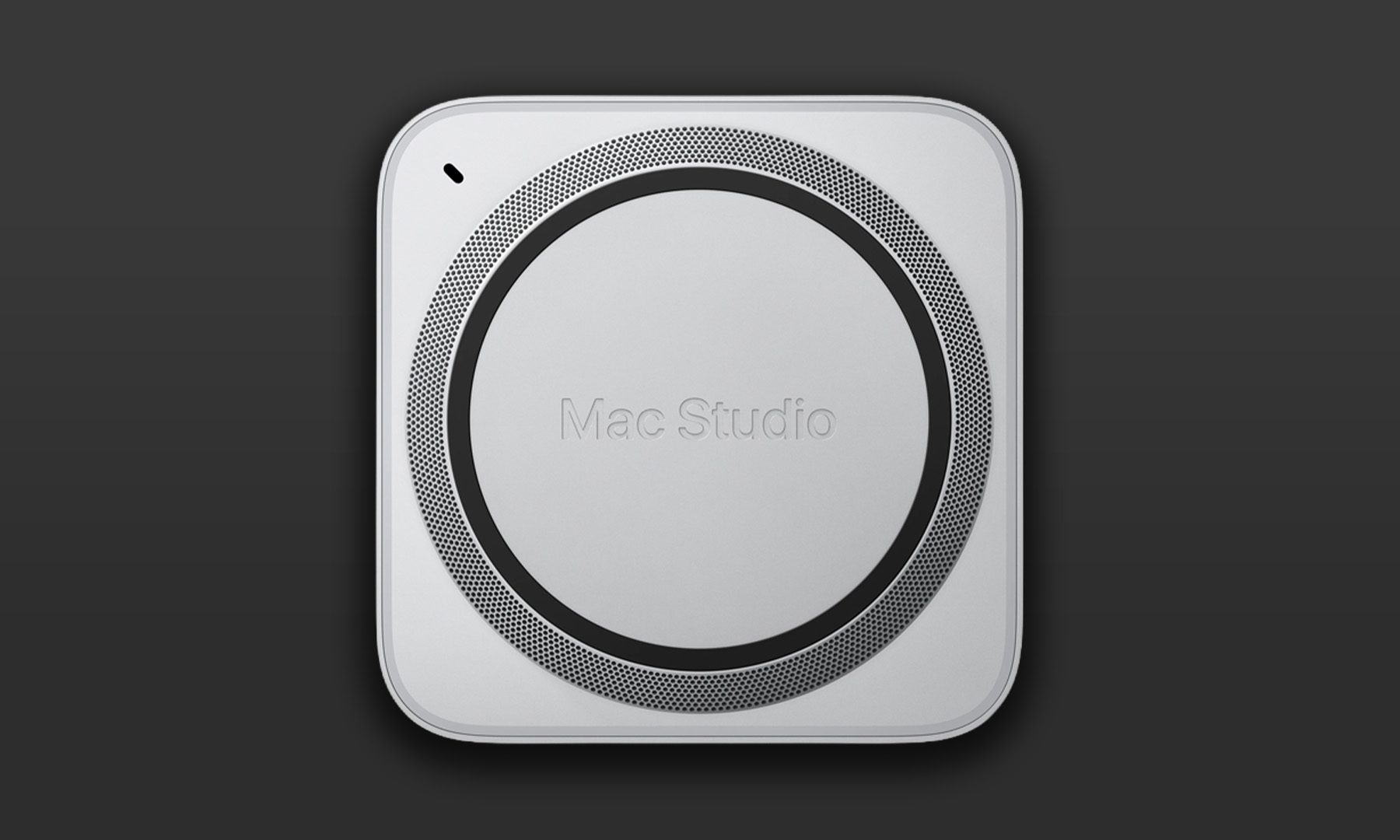
Apple's Mac Studio may not be getting a fresh new look anytime soon, but it could be getting a meaningful upgrade where it matters most. According to Mark Gurman in the latest edition of his Power On newsletter, Apple is preparing an M5 Ultra-powered Mac Studio as early as this year, while an even more powerful M7 Ultra version is already on the company's roadmap for 2028. Interestingly, the report also claims Apple is redesigning one component most users will never see: the heat sink.
More power is coming, and Apple wants to keep it cool
Apple’s historically high tax for RAM upgrades on Macs has now become absurd
Mac RAM upgrade prices have doubled amid the global memory crunch

Apple’s Mac RAM upgrades were already expensive enough to raise eyebrows. After the company’s latest round of price hikes, some of them now look ridiculous.
Apple recently raised prices across its Mac and iPad lineup, along with other products, citing rising memory and storage costs. The supply crunch is real, but Mac buyers were paying steep premiums for RAM and SSD upgrades long before this jump. Recent MacBook Pro configuration screenshots shared by 9to5Mac show how much worse the upgrade path has become.























.jpg&h=630&w=1200&q=100&v=c0f97a310e&c=1)