The Ultimate eSports Marketing Strategy Guide: Tips & Real-World Campaigns
The world of eSports is booming, with its rapid expansion offering eSports brands exceptional opportunities to engage with a passionate and growing audience through strategic eSports marketing. The global viewership is projected to reach 532 million by 2025, according...
 Tfoso
Tfoso

The world of eSports is booming, with its rapid expansion offering eSports brands exceptional opportunities to engage with a passionate and growing audience through strategic eSports marketing.
The global viewership is projected to reach 532 million by 2025, according to Newzoo. This passionate and engaged audience, predominantly Gen Z and millennial males, presents a golden opportunity for brands to connect through strategic eSports marketing.
Standing out in this dynamic landscape requires a savvy approach. A winning eSports marketing strategy hinges on three pillars: deep audience understanding, tailored content creation, and leveraging the right digital platforms.
By mastering these elements, you can forge interactive experiences that resonate with fans, build brand loyalty, and drive tangible results.
Inside eSports Marketing Campaigns
eSports Target Audience: How to Identify Tailored eSports Marketing Strategies Channel Optimization for Audience Engagement in eSports Sponsorships and Partnerships Content Marketing in eSports Social Media Campaigns for eSports Examples of Successful eSports Marketing Campaigns Intel – eSports League Partnerships Red Bull – Campus Clutch Coca-Cola – Riot Games Partnership Mountain Dew – Call of Duty Mercedes-Benz – ESL Mercedes-Benz – League of Legends Trends and Future of eSports MarketingeSports Target Audience: How to Identify
The eSport industry’s drastic growth and the diverse, tech-savvy nature of its audience necessitate a nuanced approach with a great understanding of the gaming community.
Let’s have a more detailed look:
Demographics and Psychographics
By perfectly detecting demographics such as age, location, gender, and income level influencing gaming preferences and platform choices, you can target the correct audience.
Besides, equally important are psychographics, which delve into the audience’s attitudes, interests, and values. This understanding can differentiate between competitive gamers focused on skill and strategy and those enjoying the community aspect of gaming.
Genre Preferences and Platform Usage
Different game genres appeal to different audiences:
PvP (Player vs. Player): These games often attract competitive players who enjoy direct competition against others.
FPS (First-Person Shooter): Fans of FPS games might value fast-paced action and strategy.
RTS (Real-Time Strategy): This genre appeals to those who enjoy planning, strategy, and a slower pace of gameplay.
Targeted communication requires knowing which platforms your target audience wants to use to consume content, be it Twitch for live broadcasts, YouTube for game highlights, or Twitter and Reddit for community involvement.
Engagement Patterns
Analyzing how different segments of the eSports audience engage with content and communities can offer you various valuable and actionable insights into their preferences and behaviors. For example, some gamers may prefer watching live streams and engaging in real-time during major eSports tournaments, while others might enjoy in-depth analysis and discussion on forums or social media post-event. Detecting your audience’s preferences can be your golden ticket to the peak of success, as it will speed up and secure the process.
Tailored eSports Marketing Strategies
Creating marketing strategies for eSports that stand out means stepping away from the usual ways and finding creative, impactful ways to connect with your audience. To build and implement the most effective eSports marketing strategies, a mix of creativity, a good grasp of technology, and a deep understanding of what eSports culture is all about are required.
Channel Optimization for Audience Engagement in eSports
To effectively engage an eSports audience, you should be present on various channels. This involves not only choosing the right platforms but also tailoring content and engagement strategies to fit the unique dynamics and preferences of the eSports community.
Key Platforms for Reaching eSports Audiences
An effective go-to-market strategy in eSports leverages popular platforms like Twitch and YouTube Gaming. These platforms are at the heart of eSports digital marketing, serving as the primary channels for brands to engage with fans through live streams, interactive content, and influencer collaborations.
Twitch, supported by Amazon, and YouTube Gaming, known for its high-quality streams and features like SuperChat, are where a lot of people watch gaming events.
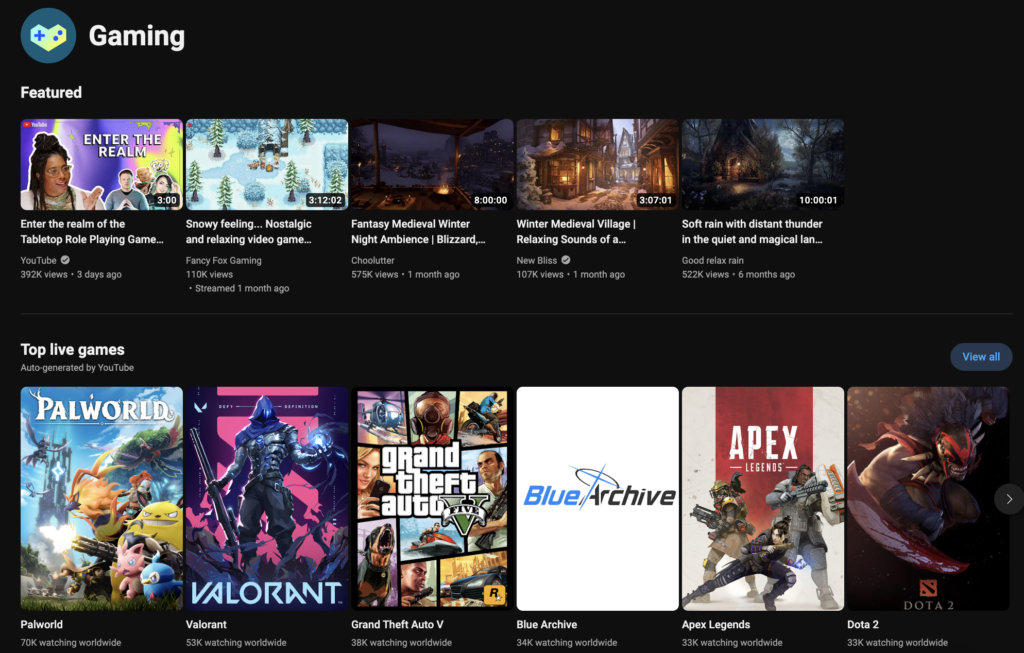
They are essential for you to connect with gaming fans and share live events.
Leveraging Influencers in eSports Marketing
Influencer marketing stands as a cornerstone of eSports marketing strategies. With their robust followings and high engagement, they offer a genuine medium for product and event promotion. Their endorsements can boost your brand’s visibility while providing you with more credibility.
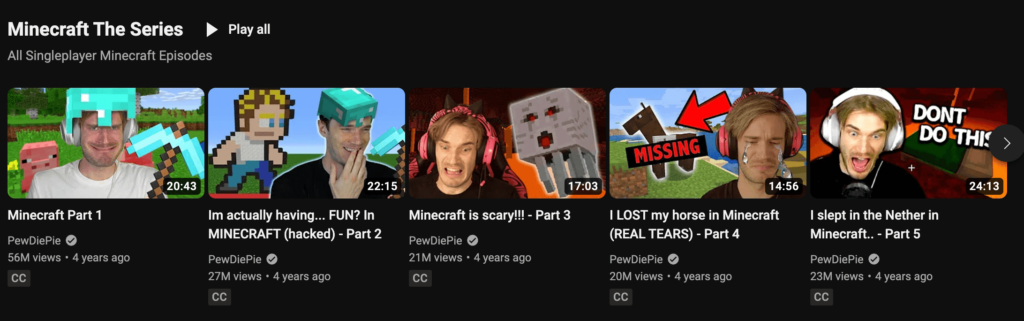
For example, when an eSports platform or game makes a partnership with PewDiePie, who has 111 million followers on YouTube, wow, they ensure attracting an audience large enough to fill a country.
When brands team up with eSports teams or players who share the same values, gamers simply enjoy it. So, with partnerships, you can create niche and more to-the-point content and experiences that gamers can’t get anywhere else.
Don’t forget to check out the esports marketing campaign examples provided below in this blog post; most of them fall under sponsorships and partnerships!
Building Authentic Connections
The key to successful sponsorships and partnerships in the eSports landscape is authenticity. You should aim to partner with teams, players, or personalities that share your brand’s values. This way, the partnership comes off as real to your audience instead of just another ad.
The success of eSports is grasping the desires of the community, which really sets it apart from traditional sports (To learn more about the traditional side of sports, you can check out our sports marketing strategies blog). When you engage with this community in a way that reflects shared values, you strengthen the partnership’s authenticity and create a welcoming vibe. This thoughtful approach to collaboration highlights how crucial authenticity is for forging real connections within the eSports world.
Exclusive Deals and Content
Offering exclusive content through eSports partnerships is a powerful way to enhance the gaming experience while boosting fan engagement and interest.
You should consider how this approach effectively meets gamers’ hunger for something new and exciting, aligning your brand’s contributions with their preferences and desires. By integrating these exclusive deals into your partnerships, you can enhance your influence within the eSports community. As a result, you both elevate your engagement levels and ensure your brand establishes a lasting impact, creating a memorable footprint in the eSports landscape.
Long-term Relationships
Building long-term relationships with eSports teams is a smart move for any brand looking to sustain its presence and deepen its connection within the eSports community. Engaging in ongoing collaborations with a team or eSports entity allows your brand to be part of unique and meaningful projects, events, and initiatives that genuinely resonate with fans.
Thinking about the long haul helps make a stronger bond with the eSports crowd, making your brand a big part of their world. This kind of relationship doesn’t just make you more known; it also helps the whole eSports world grow, supporting the players, teams, and everyone involved.
Content Marketing in eSports
Through a strategic mix of educational, behind-the-scenes, and immersive content, brands can establish a strong connection with their audience, positioning themselves as integral parts of the eSports ecosystem.
Behind-the-Scenes Access
Providing fans with behind-the-scenes content about eSports teams, training sessions, or game development can foster a deeper connection. This type of content humanizes the players and developers, creating a more engaged and loyal fan base.
Here’s an example from LoL Esports, one of the most popular YouTube channels in this field with more than 3 million subscribers:
Educational Content
Creating tutorials, strategy guides, and educational content that helps players improve their skills can be highly effective. With such educational content, you can help your audience and position your brand as an authority within the eSports space.
For example, eSports casters may not come to mind when considering your target audience. However, they are key players in the eSports ecosystem, and as the example below shows, there are even videos merely focusing on eSports casters’ education:
Social media campaigns for eSports stand as a critical bridge connecting brands with the vibrant and engaged community of fans. By engaging through social media, you have the opportunity to strengthen your brand’s connection with audiences. Likes, comments, and shares aren’t just digital interactions; they’re chances for you to grow brand affinity and foster a community spirit. This strategic approach allows you to enhance your brand’s presence in the eSports ecosystem, turning every online interaction into a step towards building a more connected and engaged community.
Fan Engagement Initiatives
Starting fan engagement activities like contests, polls, or Q&A sessions with eSports figures is key to boosting interaction. These actions not only ramp up engagement but also give insights into what fans like, build loyalty, and improve social media activity.
For example, the eSports club MCES introduced a fan rewards program, significantly increasing user sign-ups by rewarding online interactions.

This shows how rewarding fans can make your brand community more lively and interactive, creating a deeper connection with fans around your brand.
Real-Time Interaction During Events
By engaging with social media during eSports events, you can enhance viewer participation. Options like live-tweeting, organizing watch parties, or giving live commentary create a collective viewing atmosphere. This approach not only attracts more viewers but also fosters a sense of community, making the event more interactive and engaging.
Before continuing with inspiring marketing campaigns, we suggest you check out our hand-picked selection of sports marketing agencies, which can be a game-changer for your journey. They are not only proficient in sports marketing but also experienced in eSports and ready to offer you the expertise and insights necessary to craft impactful marketing campaigns that resonate on a deep level with your audience.
Examples of Successful eSports Marketing Campaigns
What makes an eSports campaign worth studying?
We chose these examples because they show different ways brands can earn a place in gaming culture. Some invested in long-term competitive ecosystems. Others built products, events, or in-game rewards that gave fans a reason to participate. Let’s be more specific about our selection process and how we chose:
👾 Gaming audiences are quick to spot a forced partnership. The campaigns selected here had a clear connection between the product and the experience.
👾 We looked for campaigns that gave audiences more than content to watch. We believe that participation element is important. It gives fans a reason to engage with the campaign directly, not simply observe it.
👾 The selected campaigns also show the value of patience. The partnerships you will see below work because audiences see the brands return year after year. That creates familiarity and trust.
👾 A strong eSports partnership should not end with a logo on a broadcast. This is why the example stands out. Coca-Cola created a product and digital experience that connected directly to the language of the game.
👾 The final criterion was audience range. Intel speaks to competitive players and technology-focused fans. Red Bull reached students and emerging talent. Coca-Cola entered a large game community through League of Legends. Mercedes-Benz targeted premium global events and aspirational gaming culture.
Together, these campaigns show that eSports is not one audience. Brands need to understand the game, the community, the platform, and the role they can genuinely play inside that space.
Intel – eSports League Partnerships
Partnerships are a great way to market your brand to a niche target audience, as we mentioned before. (If you’ve jumped straight into checking the campaigns, we recommend scrolling up first to learn about the strategies.) Intel has been in partnerships with the leading esports leagues – like ESL, brands, and publishers, for nearly two decades, delivering end-to-end pro gaming solutions built on world-class technology that brings spectacular events to the world.
These initiatives are part of a broader effort to enhance the gaming experience and support the growth of professional eSports globally.
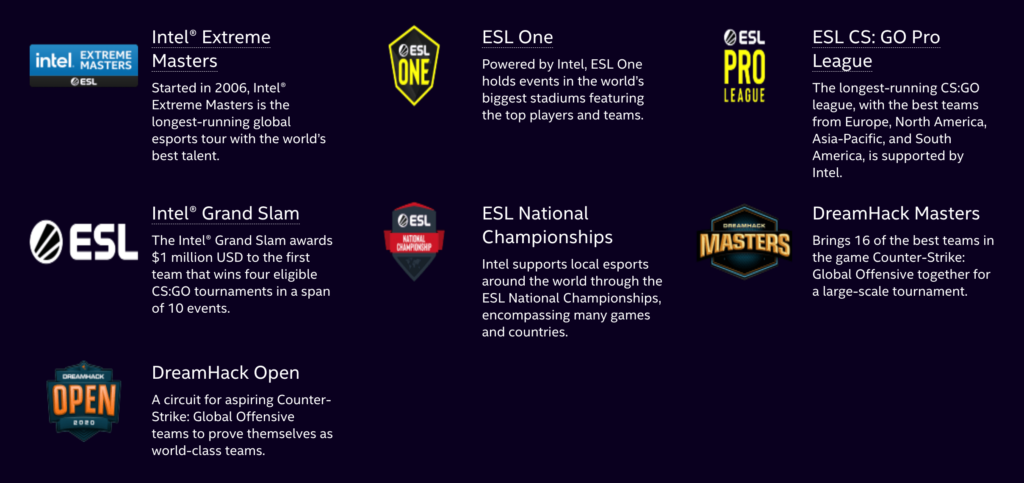
By combining its technological expertise with strategic collaborations, Intel creates impactful marketing campaigns that resonate deeply within the eSports community, demonstrating the power and effectiveness of integrating digital marketing with influencer partnerships in this dynamic field.
Why it worked: Intel invested in the infrastructure of competitive gaming, not just short-term visibility. Its relationship with ESL spans global events, leagues, broadcast operations, and the Intel Extreme Masters circuit.
That gave Intel a credible role in the ecosystem. The brand was connected to the hardware and tournament experience that competitive players care about.
Red Bull – Campus Clutch
Remember epic college rivalries? Red Bull took that energy and made it global.
Red Bull invites students to compete in popular games like League of Legends, CS:GO, and Valorant. They spice up the competition by involving well-known streamers, elevating it from a mere game to an international university eSports championship.
In 2023, they organized a Valorant tournament; to see what they exactly offer to the gaming world, you can check the Red Bull Gaming YouTube account and watch the Campus Clutch World Finals.
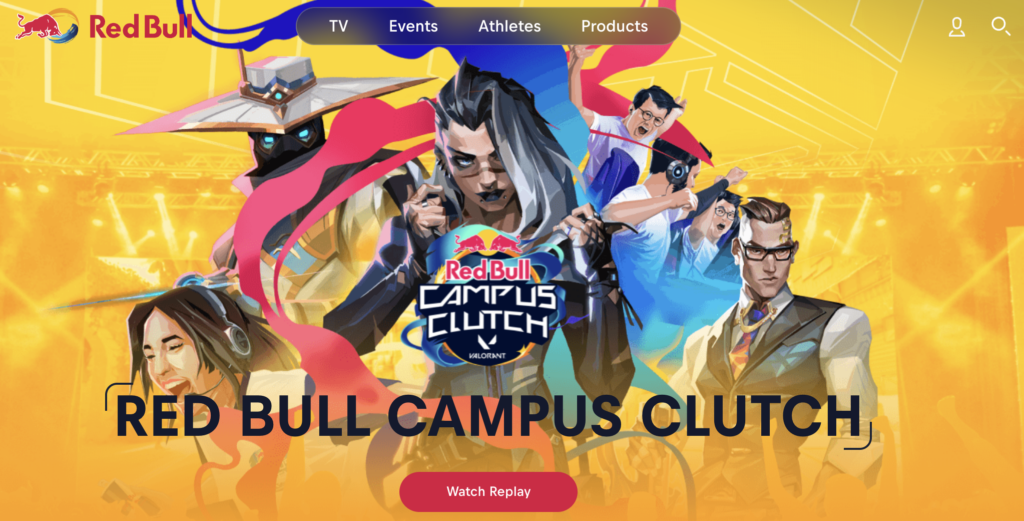
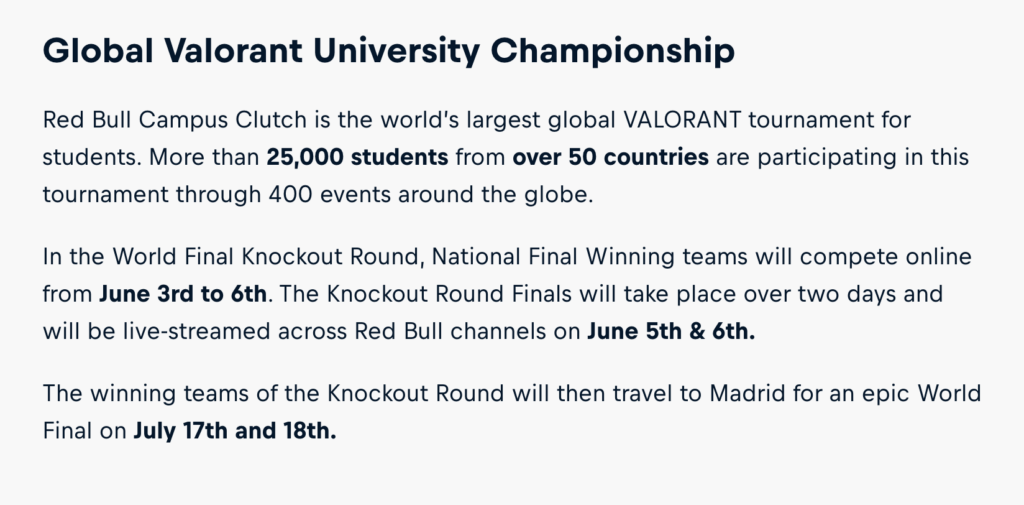
Why it worked: Campus Clutch gave student players a meaningful opportunity to represent their university and compete on an international stage. Red Bull turned its brand association with performance and competition into a format built around participation.
More than 25,000 students from over 50 countries took part through 400 events globally, according to Red Bull.
Coca-Cola – Riot Games Partnership
The partnership between Coca-Cola and Riot Games for League of Legends has significantly enhanced the gaming experience by integrating the Coca-Cola brand into the game’s ecosystem as the official beverage sponsor.
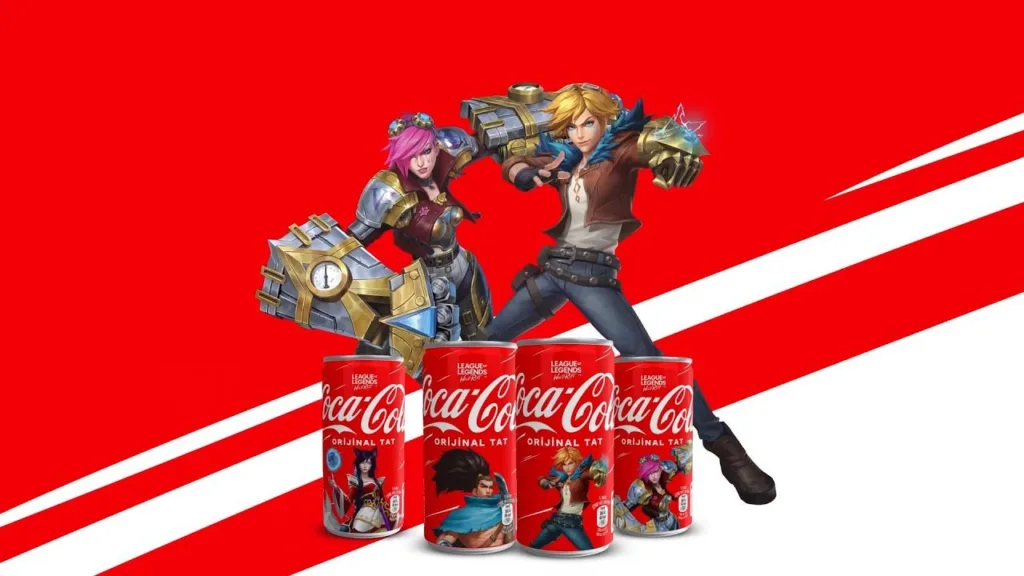
This collaboration has seen League of Legends avatars featured on collectible Coca-Cola cans and in-game branding, resonating well with the eSports community. Moreover, Coca-Cola has enriched the fan experience by creating unique content, including behind-the-scenes footage, interviews with professional players, and competition highlights, fostering a deeper connection between fans, the game, and its players.
Why it worked: Coca-Cola did not simply sponsor League of Legends. It created Coca-Cola Ultimate Zero Sugar with Riot Games and built the idea around XP, a concept players already understand. The campaign also included League of Legends missions and emotes.
That made the brand feel more integrated with the game world. The product, visual identity, and digital rewards all came from the same central idea.
Mountain Dew – Call of Duty
Mountain Dew’s collaboration with Activision’s Call of Duty series has effectively engaged the gaming and esports audiences. Through limited-edition packaging, in-game promotions, and partnerships with key streams and players, Mountain Dew has solidified its presence within the esports ecosystem.
Collaborations with notable Call of Duty personalities amplify their marketing efforts, leveraging the influencers’ reach to engage a broader audience and cement Mountain Dew’s position as a prominent player in the gaming industry.
Why it worked: Mountain Dew gave Call of Duty players a practical reward: Double XP. This was a strong example of linking a retail promotion to something gamers value inside the game. What’s more, the approach was clear and easy to act on. Buy the marked product, redeem the code, and receive gameplay benefits. Later Call of Duty activations produced more than one million reward redemptions and a 2.9% lift in MTN DEW GAME FUEL brand awareness.
Mercedes-Benz – ESL
The partnership between Mercedes-Benz and ESL showcases a unique blend of luxury automotive and eSports, notably highlighted during the ESL One Dota 2 competitions in Stuttgart and Katowice.
Mercedes-Benz, as the official global mobility partner, offered an impressive prize for the MVP—a car worth €50,000—and enhanced the event with branded vehicles for team arrivals and hospitality services. This collaboration engaged a tech-savvy, younger audience, illustrating Mercedes-Benz’s commitment to the eSports community and its growth.
Why it worked: Mercedes-Benz used ESL to connect its brand with premium global competition. The partnership positioned the company as a mobility partner within an established tournament ecosystem, helping it reach eSports audiences through major events and professional production.
The campaign worked because Mercedes-Benz did not try to imitate gaming culture. It brought its own strengths, including design, technology, and premium experience, into a setting where those values could still feel relevant.
The Mercedes-Benz and League of Legends eSports partnership unites premium automotive excellence with competitive gaming, making Mercedes-Benz a trailblazer in the eSports arena alongside one of the world’s leading eSports titles.
With this collaboration, Mercedes-Benz highlights its integration into major League of Legends events, appealing to a youthful, tech-savvy audience and merging high-end automotive prestige with the dynamic world of eSports. Through innovative marketing and exclusive content, Mercedes-Benz has strengthened its connection with the digital generation, showcasing its commitment to future entertainment and mobility trends.
Why it worked: Mercedes-Benz entered League of Legends through its biggest moments: the World Championship, Mid-Season Invitational, and All-Star events.
The brand also developed the League of Legends World Championship ring, turning its involvement into a symbolic part of the competition. This gave the partnership an emotional and visual asset that players could associate with achievement, not just sponsorship.
Trends and Future of eSports Marketing
The eSports industry is set to continue its explosive growth, driven by both global enthusiasm and significant investments in infrastructure and tournaments.
For example, Hangzhou, China, is going all-in to become the world’s eSports hub by building 14 dedicated facilities and hosting the Asian Games, marking eSports as an official event. This move is just a slice of China’s broader ambition to lead in eSports, powered by giants like Tencent Holdings Limited. They’re not just expanding tournaments for hits like “League of Legends” and “Honor of Kings” but also setting records with prize pools, like the $10 million for the Honor of Kings World Champion Cup.
Over in Saudi Arabia, the Saudi Esports Federation is laying the groundwork for a thriving eSports ecosystem. They’re focusing on everything from professional training facilities to legal recognition for athletes and clubs. Their crown jewel, Gamers8, has quickly become the world’s biggest gaming and esports festival, blending top-tier competition with cutting-edge entertainment and technology.
These snapshots from China and Saudi Arabia showcase the industry’s ambitious scale and the global drive to elevate eSports into a mainstream entertainment powerhouse. With such significant investments and innovative events, the future of eSports looks not just bright but downright dazzling, promising a new era of entertainment and competition that could rival traditional sports in popularity and engagement.
To make better predictions about the future of the eSports arena, we suggest you stay tuned to sports marketing trends too. Before diving into the trends, grasping the general atmosphere of sports marketing can be a logical step to take.
📌 Looking for the Bigger Picture? eSports is a highly specialized, fast-growing subset of the massive video game sector. If your brand is looking for broader strategies—such as mobile game launch tactics, influencer marketing for indie titles, or in-game advertising models—make sure to read our sister guide: Digital Marketing for Gaming Industry: Best Practices & Campaigns