This Common Food Compound May Give Your Workouts A Gut-Health Boost
Your workout's secret gut-health sidekick might already be on your plate.
 Koichiko
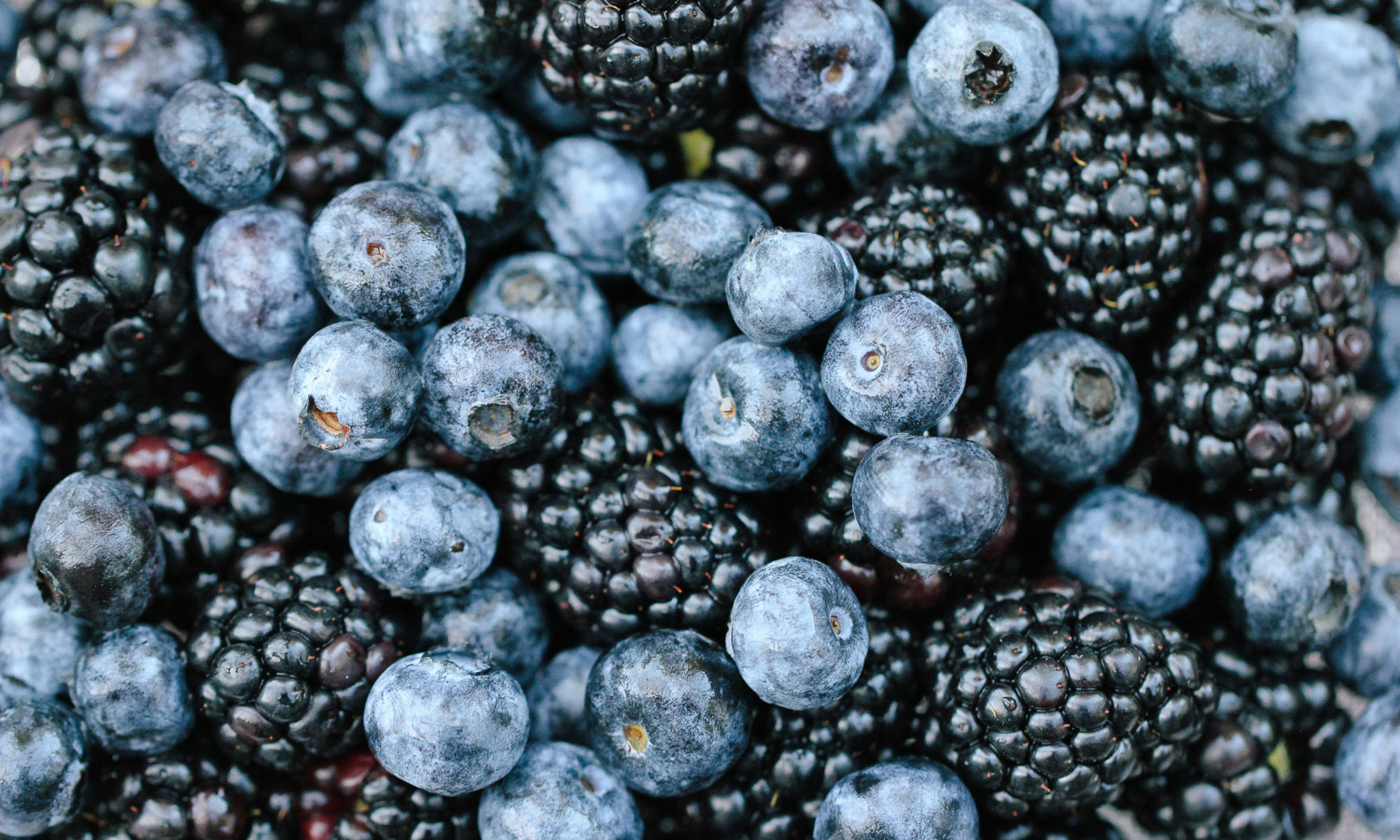
Image by Monica Murphy / Stocksy August 22, 2026 Ever finish a tough workout and feel it everywhere, including your stomach? Hard exercise can temporarily put stress on your digestive system, especially when the workout is intense or you're exercising in the heat. That has researchers looking beyond muscles and into the gut for clues about how we respond to exercise. A new review1 explores how polyphenols, plant compounds found in foods like berries, coffee, cocoa, and tea, may interact with gut bacteria and influence exercise performance and recovery.
About the review
Polyphenols are naturally occurring compounds in many plant foods.
You've probably been eating them for years without thinking much about them. They're sorted into four main groups based on their chemical structure, and the largest of those groups is the flavonoids.
Researchers have already linked certain polyphenols with benefits related to exercise, including recovery and blood vessel function. Less clear is whether the gut microbiome helps explain why.
Drawing on more than 80 published papers, the authors pulled together findings from laboratory and mechanistic research, which helps explain how these compounds may work in the body, along with human intervention studies.
Their goal was to better understand the back-and-forth relationship between polyphenols, gut bacteria, and exercise.
Your gut may help shape how you recover
Polyphenols may support exercise partly by feeding beneficial gut bacteria. Some research has found increases in microbes such as Akkermansia muciniphila and Lactobacillus species after exposure to certain polyphenols.
Why does that matter when you're exercising? Your gut has a protective lining that helps keep things inside your digestive tract where they belong.
Intense exercise, particularly in hot conditions, can temporarily make that barrier less effective. That may contribute to digestive discomfort and inflammation.
Polyphenol-fed gut bacteria can also produce short-chain fatty acids, compounds that help support gut health and may influence inflammation and how the body handles energy.
There are some human findings to support this connection. In a recent trial, people who produced more of a gut-derived compound after consuming tart cherry polyphenols had better muscle function after a workout designed to cause muscle damage.
Polyphenols aren't only working through your gut
Gut bacteria aren't the only route. Polyphenols may also help the body use fat for energy, support healthy blood vessel function, and ease some of the inflammation that comes with exercise.
Still, this is an area where it's important not to get ahead of the science. Researchers have identified more than 8,000 polyphenols in commonly eaten foods, but only a small number have been studied closely for their effects on the body or gut microbiome.
Much of the existing evidence also comes from mechanistic, preclinical, or relatively small human studies.
How to put the research into practice
For now, there's no need to turn your kitchen into a polyphenol laboratory. There isn't enough evidence yet to point to a particular polyphenol supplement or extract. Instead, look to foods you already enjoy:
The takeaway
Polyphenols may support exercise recovery through both the gut microbiome and direct effects in the body.
The research is still developing, but eating a variety of polyphenol-rich plant foods is a simple way to explore the potential benefits while scientists continue filling in the gaps.