This Overlooked Plant Compound Could Benefit Blood Sugar, Study Shows
This plant nutrient may offer surprising benefits for blood sugar.
 JimMin
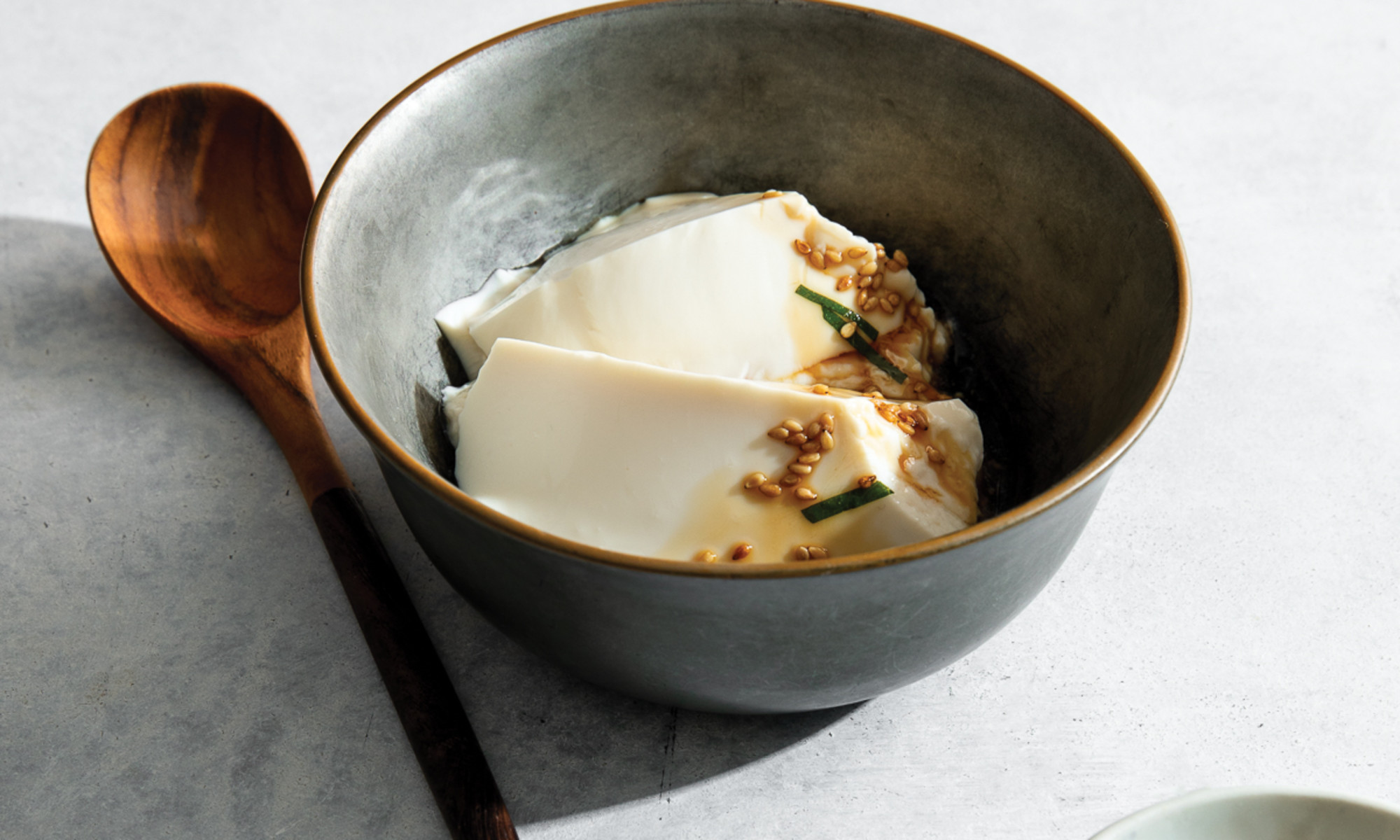
Image by Kristin Teig / Contributor June 21, 2026 Soy has had a complicated reputation in the health world, celebrated by some and avoided by others. But a prospective cohort study1 is adding some important nuance to that conversation. Researchers found that adults who ate more soy isoflavones (plant compounds found in soy foods that may help fight inflammation and support metabolic health) had a meaningfully lower risk of developing type 2 diabetes.
About the study
Isoflavones are phytoestrogens predominantly found in legumes. Through antioxidant, anti-inflammatory, and hormone-regulating properties, they've shown potential for chronic disease prevention, though most prior research on isoflavones and diabetes risk has focused on postmenopausal women in cross-sectional or case-control designs.
This study set out to investigate those associations in a large, prospective cohort that included both men and women. Researchers drew on data from the China Health and Nutrition Survey, a long-running study tracking the health and eating habits of adults across 15 provinces in China.
A total of 14,652 adults were enrolled. To capture what people were actually eating, researchers used three consecutive days of detailed dietary recall combined with food weighing, a more rigorous approach than a simple questionnaire. Participants were then followed for a mean of 10 years, with a wide range of lifestyle and health factors adjusted for to isolate the relationship between isoflavone intake and new diabetes diagnoses.
The diagnosis of type 2 diabetes relied partly on self-reported questionnaires, which is a common limitation in large-scale nutrition research.
Higher isoflavone intake was tied to a lower diabetes risk
Over the follow-up period, 1,051 participants were newly diagnosed with type 2 diabetes. People who ate the most isoflavones, across all three subtypes, consistently had a lower risk of developing the condition compared to those who ate the least, and this held true for both men and women.
Isoflavones appear to help counter inflammation and oxidative stress, two things closely tied to insulin resistance and the development of type 2 diabetes.
There's also a gut angle worth knowing about. Certain gut microbes can convert a specific soy isoflavone into a more potent compound called equol, and some research has found that the protective association between isoflavones and type 2 diabetes risk may only exist in people whose gut bacteria can produce equol. So keeping your gut microbiome diverse and well-fed with fiber may help you get more out of the isoflavones you eat.
The best food sources of isoflavones
Not all soy products are equal when it comes to isoflavone content. Minimally processed forms tend to be the richest sources:
Heavily processed soy products, like soy protein isolates in protein bars or refined soy oils, tend to have far less isoflavone content, so whole or minimally processed forms are the better bet.
The takeaway
More and more research show that consuming soy isoflavones are good for health. In this study, they were linked to a lower risk of type 2 diabetes over a decade of follow-up. Adding minimally processed soy foods like tofu, edamame, and tempeh to a balanced diet is a simple, evidence-backed step worth considering.
























.jpg&h=630&w=1200&q=100&v=c0f97a310e&c=1)