Tui ranked among worst airlines in Britain for flight delays
Tui flights from UK hubs were, on average, 20 minutes and 24 seconds late in 2025
 FrankLin
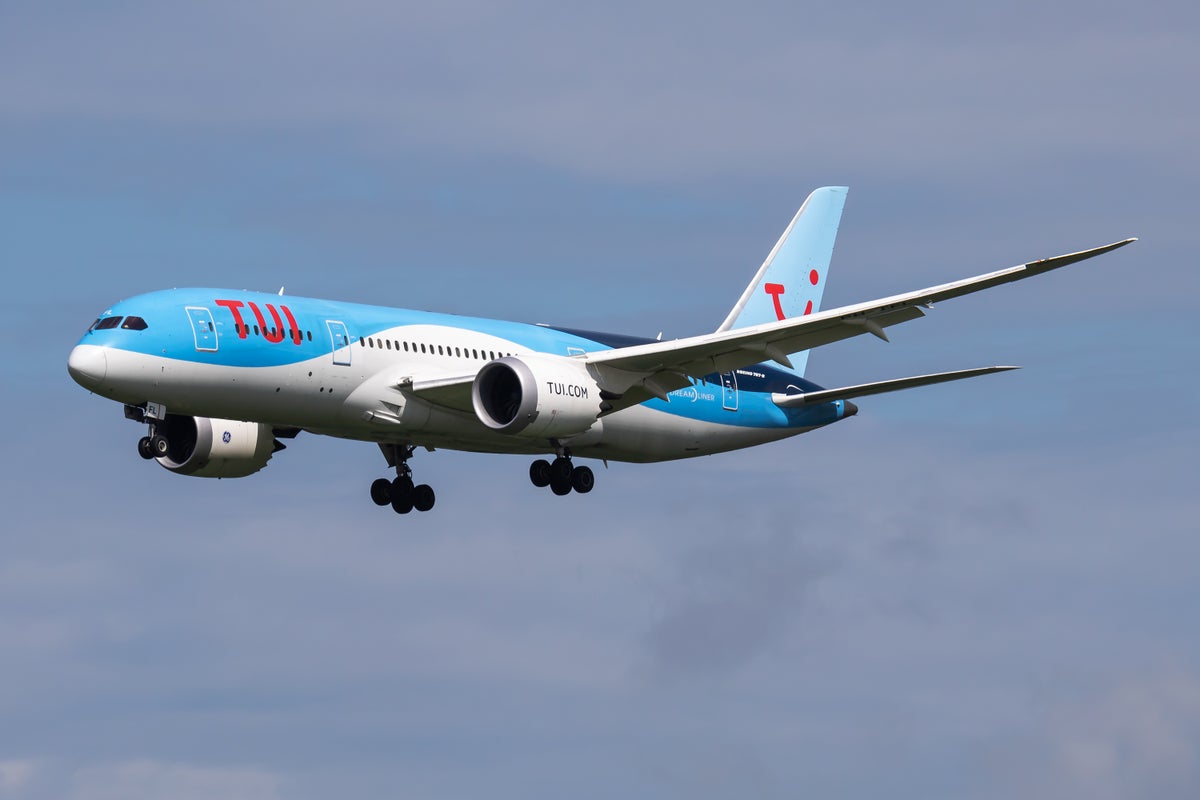
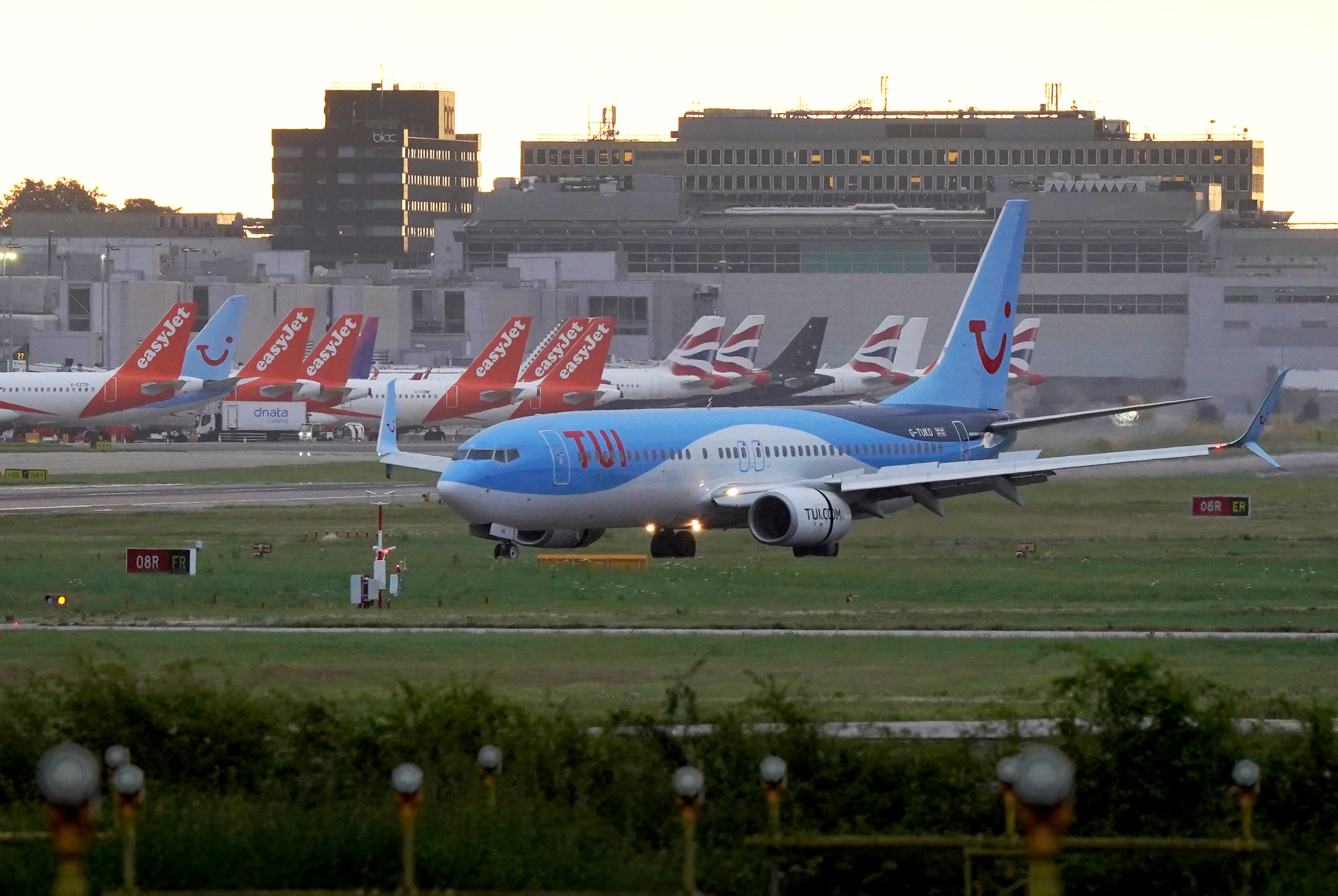
Tui Airways has been identified as one of the least punctual airlines operating from UK airports, with one particular route experiencing average delays exceeding 45 minutes.
An analysis of Civil Aviation Authority (CAA) data revealed that the leisure airline's flights departing from UK hubs were, on average, 20 minutes and 24 seconds late in 2025.
Its worst-performing route, among those with at least 100 flights, was the service from Birmingham to the Greek island of Zante, which saw an average delay of 46 minutes.
Rory Boland, the editor of consumer magazine Which? Travel, said that it is “unacceptable” that airline passengers “continue to face unreliable service” amid fare rises.
“Airlines must do more to support travellers during delays, including clearly communicating their rights and eligibility for compensation,” he said.
“It’s worth putting in a claim with your airline if you think it’s responsible – and escalating the complaint if it refuses to pay.”
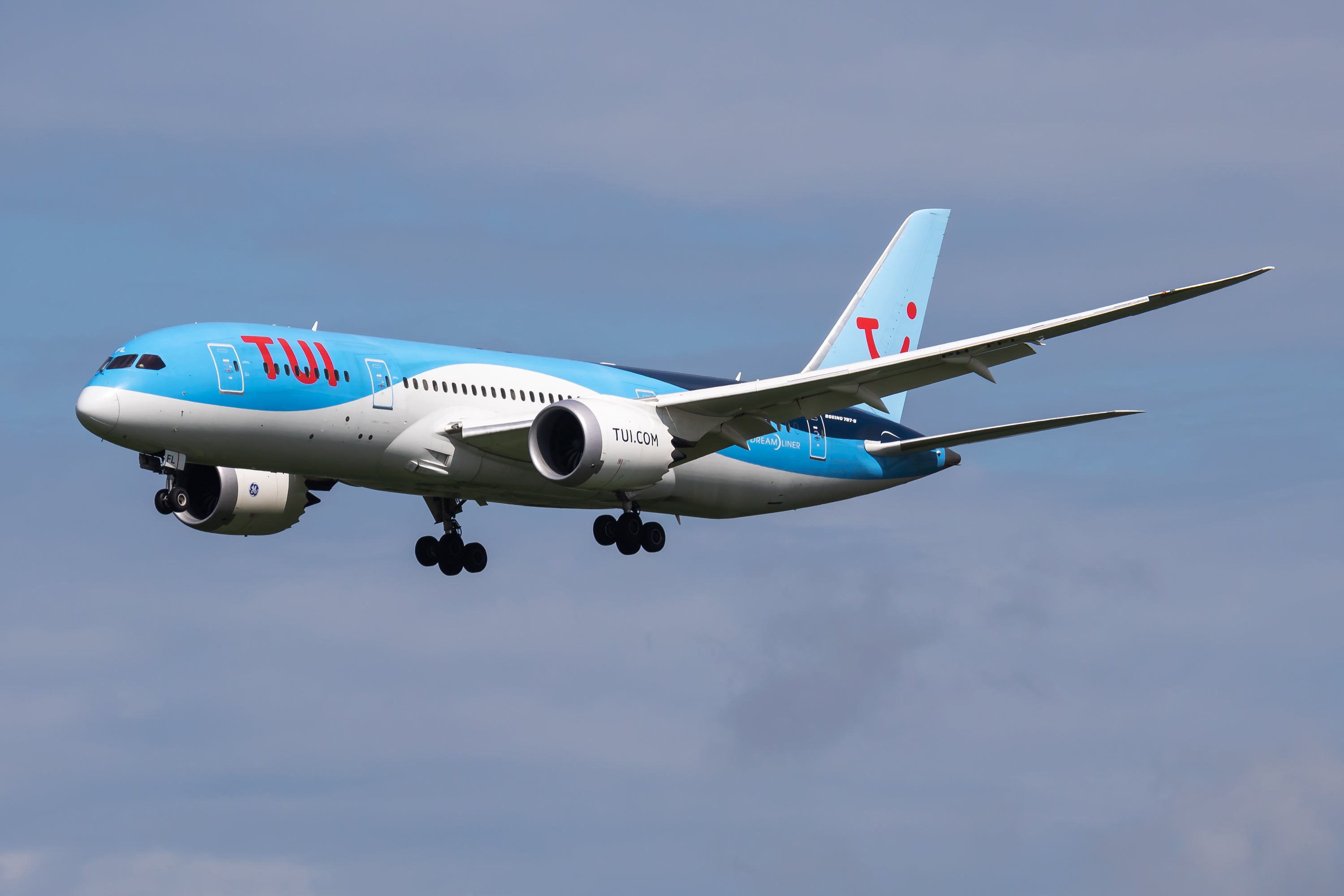
Tui Airways is owned by Tui Group, which also operates the UK’s second largest package holiday company.
Many of its holiday customers use the airline, which serves more than 20 airports throughout the UK.
The analysis took into account all scheduled and chartered departures from UK airports by the 34 airlines which operated more than 2,500 of these flights in 2025. Cancelled flights were not included.
Aage Dunhaupt, Tui Group’s director of communications, said: “We fully understand that for holidaymakers, every minute counts.
“Minimising delays remains a top priority, and our teams work continuously to improve operational performance across our network.”
Read more: What are your rights to a refund when your flight is delayed or cancelled?
Mr Dunhaupt said the airline makes “a conscious choice” to operate flights “wherever possible, even if they are delayed, rather than cancelling them”, as this ensures passengers reach their destination “rather than facing the risk of extended disruption”.
He added: “If we were to follow broader industry practices of cancelling flights more readily, our punctuality ranking would improve significantly.
“However, this would come at the expense of our customers.”
Tui Airways was ranked the fifth worst airline for punctuality.
Air India had the poorest record for the second year in a row, with an average delay of 36 minutes and 36 seconds.
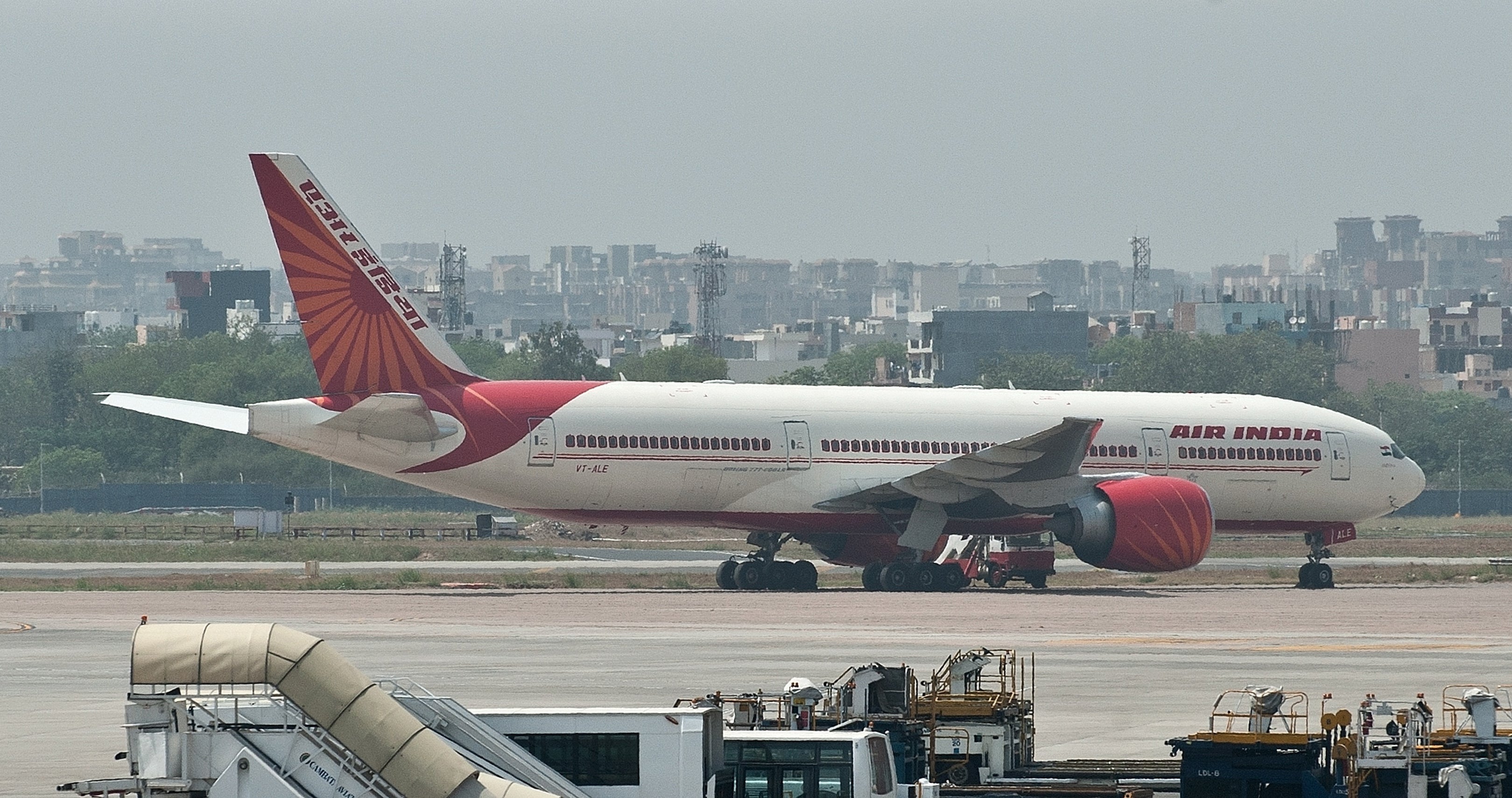
It was followed by Blue Islands (25 minutes and 12 seconds) – a regional airline based in the Channel Islands which collapsed in November 2025 – TAP Air Portugal (23 minutes) and Saudia (21 minutes and 18 seconds).
Scandinavian Airlines recorded the best performance in 2025, with UK departures delayed by an average of eight minutes, ahead of Virgin Atlantic (11 minutes).
The average delay for airlines included in the analysis was 14 minutes and 48 seconds, down from 18 minutes and 18 seconds in 2024.
Flight delays happen for many reasons, including factors within and beyond airlines’ control.
CAA director Tim Johnson said long hold-ups “can cause significant disruption and inconvenience for passengers”.
He added: “We recognise the impact this can have, which is why there are rules in place to protect passengers.
“Airlines are expected to minimise the impact of delays where possible, by providing timely information and upholding passengers’ rights during disruption.”
Depending on the distance of the route and length of delay, passengers booked on flights from the UK that are running behind schedule are entitled to assistance such as a reasonable amount of food and drink, a means to communicate and overnight accommodation if required.
Passengers may also be able to claim compensation of up to £520 from the airline if the reason for the delay is deemed within its control, which could be a fault with the aircraft or pilot sickness.
A spokesperson for Airlines UK, a trade body for UK-registered carriers, said: “The vast majority of UK airline flights depart on time and CAA data shows customer satisfaction levels are at an all-time high.
“Most delays are the result of issues that are entirely outside airline control, such as adverse weather, forced reductions in the number of planes that are able to land and take off each hour, and industrial action.
“When these delays do occur, airlines work hard to support customers and get them where they need to be as quickly as possible.”