Uber Marketing Strategy and Campaigns: How Digital Innovation and Social Media Drive Success
Lifestyle alterations in the mid-2000s caused the world to get dominated by mobile apps and being comfortable with fast-paced global formations, Uber has welcomed us into our lives with its controversial struggles since 2009 and boosted its brand awareness...
 ShanonG
Lifestyle alterations in the mid-2000s caused the world to get dominated by mobile apps and being comfortable with fast-paced global formations, Uber has welcomed us into our lives with its controversial struggles since 2009 and boosted its brand awareness with digital marketing.
The ridesharing company owns a fleet of cars, SUVs, and independent vehicles that get themselves registered with Uber for being in the business. Uber ties up with cars and builds its fleet of cars. Plus, the subsidiary product provides meal delivery and has become more popular.
In more than 10,000+ cities across the globe, Uber operates; they have developed driving schools to inculcate good driving skills in the drivers who work under the company’s operational architecture. Because the business right now is booming, there are many car drivers who are ready to join the business, thereby resulting in an increased overall distribution presence.
Uber’s digital marketing strategy has not been to use traditional mass marketing methods like print, TVC, radio, or OOH, but the company uses digital promotional activities to educate and engage with customers. They focus on putting a good product in front of their customers so that they can try it once and then come back again.
Inside Uber Marketing Campaigns
Uber Marketing Mix: 4Ps Uber Target Market Analysis Uber SWOT Analysis Uber Marketing Strategy: Key Tactics Advertising Strategy of Uber Uber Marketing Campaigns that Broke the Net GO-GET 2026 On Our Way Tired Dogs Game Day Uber Intercity | Nani | Go AnywhereUber Marketing Mix: 4Ps
Uber’s marketing mix positions it as a dominant force in global ridesharing and delivery markets:
Uber’s Product Strategy
Uber’s product portfolio extends beyond its core ridesharing service (UberX, UberXL, Uber Black) to include specialized offerings like Uber Pool, Uber Eats, Uber Freight, and advanced services like Uber Copter in select markets.
Continuous innovation ensures Uber addresses varying consumer needs effectively, solidifying customer loyalty and enhancing overall brand value.
Uber’s Price Strategy
Uber employs dynamic and surge pricing strategies, adjusting fares based on real-time supply and demand.
While offering competitive base rates, Uber’s algorithm-driven pricing ensures optimal profitability and resource allocation during peak hours or high-demand events, enhancing user accessibility and operational efficiency.
Uber’s Place Strategy
Uber’s presence spans over 10,000 cities globally, driven by a robust digital infrastructure. Its strategic use of technology enables seamless operations regardless of location, providing a consistent experience through mobile apps and websites.
Strong local partnerships and region-specific strategies further enhance its global market penetration.
Uber’s Promotion Strategy
Leveraging digital channels such as social media, influencer partnerships, and targeted online advertising, Uber promotes its services effectively. Its innovative campaigns, like user-generated content initiatives and real-time social engagement, have significantly increased brand visibility and user engagement, differentiating Uber from traditional transportation services.
Don’t forget to check out our curation of successful automotive marketing agencies!
Want to Be Uber Successful?
After reviewing case studies, we’ve selected a standout agency whose data‑driven insights and creative innovation deliver exceptional results. They’re ready to accelerate your growth.
Uber Target Market Analysis
Uber’s primary target audience comprises tech-savvy urban dwellers, professionals, and young adults, mostly aged between 18 and 45, who seek convenient, efficient, and affordable transportation.
The service particularly resonates with Millennials and Gen Z users who prioritize accessibility, reliability, and technology integration in their daily routines.
Uber also targets business travelers and executives, offering premium services like Uber Black and Uber Select to cater to their preference for comfort and exclusivity.
Additionally, the cost-sensitive segment benefits from options like Uber Pool, appealing to budget-conscious users who prefer shared rides at reduced fares.
Expanding its audience scope, Uber Eats attracts busy individuals and families who favor quick, convenient meal delivery services. This strategic audience segmentation ensures Uber effectively meets diverse customer demands, reinforcing brand loyalty and market leadership.
Uber SWOT Analysis
Strengths:
Dominant global presence in over 10,000 cities, providing extensive market coverage. Strong brand recognition due to aggressive digital marketing and innovative promotional strategies. Robust technological infrastructure enabling seamless user experiences and operational efficiency. Diverse service offerings like Uber Eats and Uber Freight, expanding revenue streams beyond ridesharing.Weaknesses:
Frequent regulatory and legal challenges in various global markets, potentially impacting operational continuity. Dependence on third-party drivers exposes Uber to risks associated with inconsistent service quality. High competition in ridesharing and food delivery markets limits pricing flexibility and profitabilityOpportunities:
Growing global demand for sustainable transportation offers potential expansion into electric and autonomous vehicles. Increasing smartphone penetration and digital adoption in emerging markets present avenues for user growth. Potential diversification into logistics, healthcare, and financial services leveraging Uber’s established brand and technology.Threats:
Intense competition from local and global ridesharing platforms like Lyft, DiDi, and Grab. Rising operational costs due to evolving labor laws, driver compensation disputes, and regulatory compliance. Vulnerabilities to cybersecurity threats and data privacy concerns could undermine user trust and brand reputation.Uber Marketing Strategy: Key Tactics
Here’s an overview of how Uber aligns its marketing efforts to drive sustained growth and maintain market leadership:
Uber skillfully navigates the digital landscape by leveraging social media to spread its brand message and foster a sense of community among its users. Their social media strategy includes user-generated content, partnerships and collaborations, real-time engagement, promotions and offers, and storytelling.
Each of these elements is critical in developing and maintaining a positive brand image, ultimately contributing to Uber’s success in the highly competitive ridesharing market.
User-Generated Content
Uber effectively utilizes user-generated content to create a sense of community among its users and to provide authentic testimonials about its services. By encouraging users to share their experiences with specific hashtags like #Uber and #UberRide, the company can easily aggregate and showcase positive user experiences.
Here’s an example of how Instagram users, this time a famous musician, generate content and post it with branded hashtags:
During the COVID-19 pandemic, Uber launched the #SafetyNeverStops campaign, asking users to share their experiences with Uber’s new safety protocols, which helped to build trust among potential users who were concerned about the safety of ridesharing during the pandemic.
Partnerships and Collaborations
Partnerships and collaborations with celebrities and influencers have been a cornerstone of Uber’s social media strategy. By associating with popular figures, Uber is able to tap into their followers and increase its brand visibility.
For example, Uber recently made a partnership with a famous American footballer, Sterling Shepard, and benefited from the power of storytelling to promote the brand:
Real-Time Engagement
Social media serves as a vital customer service tool for Uber, with platforms like Twitter being used to engage with customers in real time. First, they tweet about trends:
me today at the theater 😭@nothnghppens @AMCTheatres pic.twitter.com/HMSDAAreeB
— Uber (@Uber) October 12, 2023Then, immediately reply to their followers:
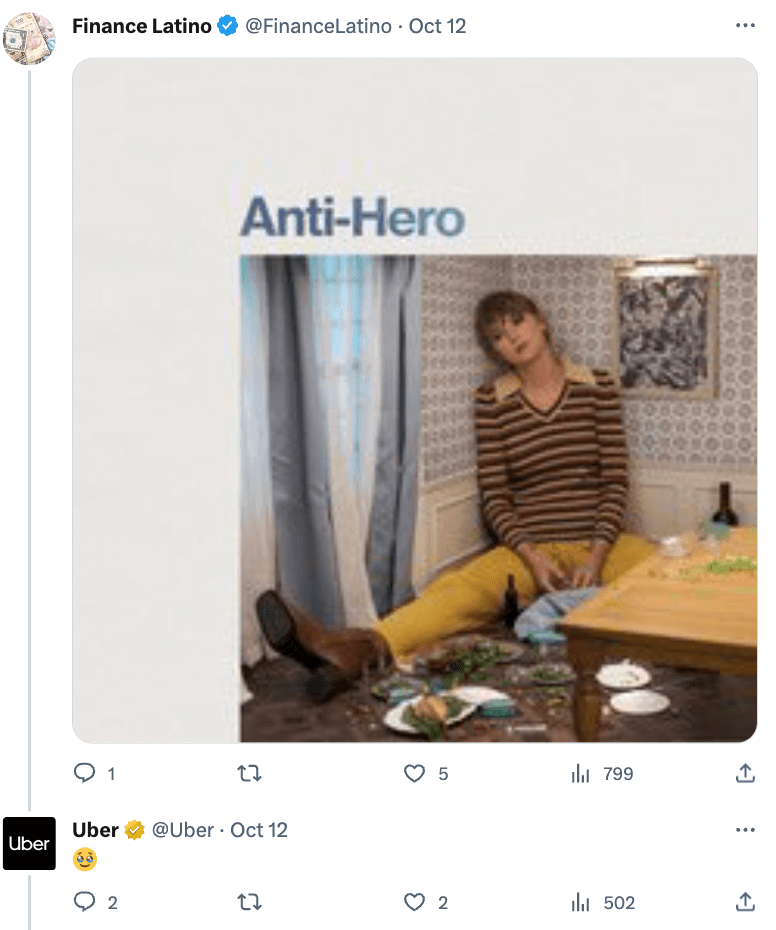
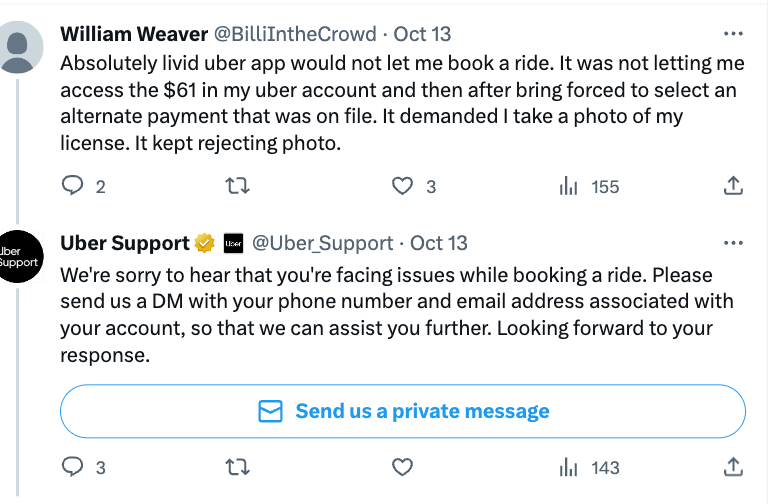
Also, when users tweet their queries or complaints, Uber’s support team responds promptly, demonstrating the company’s commitment to customer satisfaction. All these strategies for real-time engagement help to build a positive brand image and foster customer loyalty.
Fun & Relatable Content
Uber sets itself apart from typical corporate businesses by embracing a more communicative and relatable approach to its content. The brand skillfully targets a diverse audience, including Gen Z and Millennials, through its presence on platforms like Instagram.
For instance, they share astrology-related social media content to generate buzz since most people share it with their friends:
Celebrating Special Days
From New Year’s Eve and Christmas to Halloween, Uber doesn’t miss out on celebrating special days and always catches the festive energy. By aligning their content with the festive mood of the season, Uber successfully connects with its users on a more personal and relatable level.
SEO Strategy of Uber
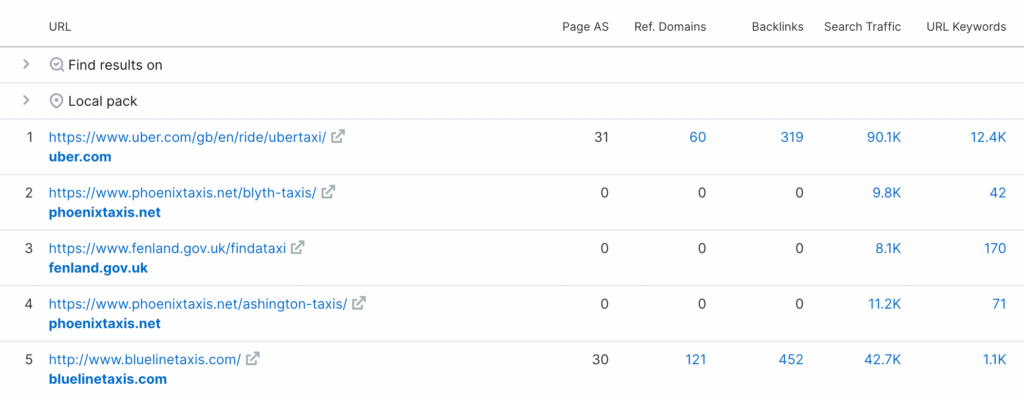
By leveraging various SEO techniques, such as keyword optimization, mobile optimization, local SEO, content marketing, and link building, Uber has successfully enhanced its web presence and cemented its position as a leader in the ridesharing industry.
If you want to develop a successful SEO or digital marketing strategy in general, don’t forget to check out our curation of top digital marketing agencies!
Keyword Optimization
In order to improve its online visibility and attract more users, Uber meticulously researches and identifies relevant keywords that potential users might use when searching for ridesharing services. These keywords are then incorporated into the content on Uber’s website and app, helping to improve the platform’s search engine ranking for those specific terms.
Mobile Optimization
With a significant portion of Uber’s users accessing the service through its mobile app, Uber ensures that its app is fully optimized for mobile devices. This involves ensuring that the app provides a seamless and user-friendly experience, with fast loading times and easy navigation, thereby enhancing user satisfaction and retention.
Local SEO
Uber places a strong emphasis on local SEO to ensure that its service appears in search results for specific locations. By optimizing its website and app content for location-specific keywords and ensuring accurate and consistent business listings across the web, Uber is able to effectively target users in specific geographic areas. With Uber focusing on innovations and seamless logistics, effective route planning becomes crucial. Companies aiming to optimize routes for commercial vehicles can undoubtedly learn from strategies used in competitive markets like ridesharing. Exploring efficient vehicle routing can enhance delivery performance and decrease operational costs.
Content Marketing
Content marketing is a key aspect of Uber’s SEO strategy. The company creates and shares valuable, relevant content that is tailored to its target audience.
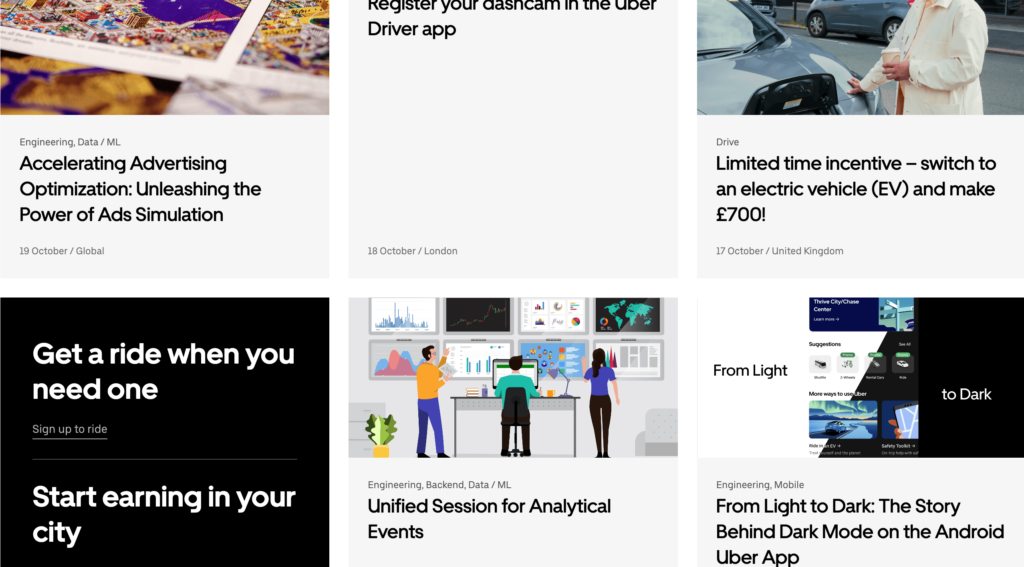
This includes blog posts, as you can see above, and videos that provide helpful information about the service, tips for drivers and riders, and updates on new features or promotions. This content is optimized for search engines and helps drive organic traffic to Uber’s website and app.
Link Building
Uber works diligently to build high-quality backlinks from reputable sources such as news outlets, blogs, and industry websites. These backlinks are crucial in improving the platform’s domain authority and search engine ranking, thereby increasing its visibility and attracting more users.
Advertising Strategy of Uber
Uber’s advertising strategy has consistently pushed the boundaries of traditional advertising by leveraging effectiveness and futurism to connect with its global audience.
Through various platforms and mediums, Uber has effectively communicated its value proposition and built a strong brand identity. The company’s commitment to providing convenient, reliable, and innovative transportation solutions is evident in its advertising campaigns.
Effectiveness
Uber’s first TV ad, Effortless Night, spearheads the campaign “Where To?”, which also covers out-of-home, online, cinema, and press and will run for six weeks in the UK.
Uber – Effortless Night from Kim Gehrig on Vimeo.
Elvis Presley’s You’re the Boss adds its cool to the film, which was directed by Kim Gehrig and created by BBH London. The TVC was filmed in one shot, which meant that there were days of rehearsals to make sure the choreographed piece flowed across 60 seconds, that the story in each nightclub registered, and that it told the overarching story of an evening out and about made easy by Uber.
Futurism
The ridesharing company revealed that they’re keen to utilize drone technology for the UberEats meal-delivery service and was accidentally by a job ad posted on WSJ, titled “flight standards and training”. The position is based in the company’s home city of San Francisco.
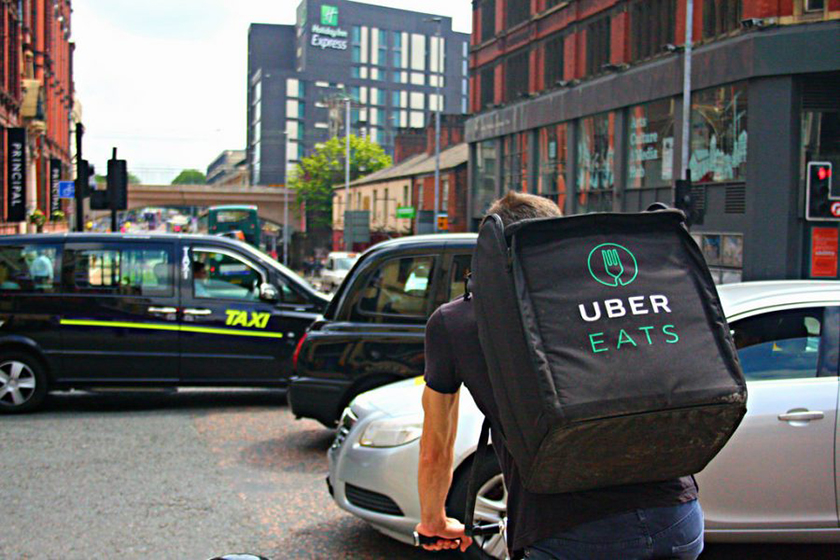
Following an inquiry by the Journal, Uber took down the listing from their website, but at the time of writing, it can still be viewed here on LinkedIn. A spokesperson at Uber said only that the posting “doesn’t fully reflect our program, which is still in its very early days”.
The ad says the primary focus of the role is to develop “standards, procedures, and training while scaling down the operational risk for all UberExpress flight operations.” UberExpress is the internal name used for the company’s drone-based plan.
Uber Marketing Campaigns that Broke the Net
With hundreds of campaigns launched across global and regional markets, selecting the right examples for this list required more than looking at views, impressions, or short-term buzz. We focused on campaigns that demonstrate how Uber builds cultural relevance, emotional connection, and brand memorability at scale.
The campaigns featured below were selected based on five key criteria:
The strongest campaigns become part of the conversation. Each Uber marketing campaign on our list tapped into a recognizable cultural moment, social behavior, or shared consumer insight. They help Uber connect with audiences in a way that felt timely and relevant. We looked for campaigns that moved beyond conventional transportation marketing. From emotional storytelling and humor to unexpected creative executions, these campaigns demonstrate Uber’s ability to capture attention in crowded media environments. Every campaign reinforces Uber’s core promise: making movement easier. While the creative approaches differ, each campaign strengthens the brand’s positioning and communicates a clear value proposition. We prioritized campaigns that generated strong audience interaction, social sharing, media coverage, or meaningful consumer conversations, indicating that the message resonated beyond paid distribution. Some campaigns create a brief spike in attention. Others remain memorable long after their launch. The Uber campaigns selected for this article stand out because they delivered ideas, stories, or moments that audiences continue to remember and associate with Uber.Let’s see them now.
GO-GET 2026
Uber’s massive 2026 flagship product showcase launched under a single, definitive banner: “One app for everything.”
Stepping into the travel space, the campaign introduced massive platform updates. This included a direct partnership with Expedia Group to book over 700,000 hotels natively in the app, a dedicated “Travel Mode” concierge that syncs airport navigation and local hot spots, conversational AI-powered Voice Bookings, and “Eats for the Way,” which allows riders to pre-order a coffee or snack to be waiting in the back seat of their reserved Uber Black.
Why that Uber marketing Campaign worked:
It re-framed Uber from a transactional ride-hailing tool into an all-in-one lifestyle assistant. The marketing focused entirely on time-saving hacks and fluid convenience. By promising to eliminate the friction of switching between multiple travel, food, and booking apps, Uber positioned itself as an entire operating system for daily life and travel.
On Our Way
Premiering to a massive global audience during the coverage of the Olympics opening ceremony, this campaign zeroed in on the profound emotional relief of seeing those three words on your screen.
The creative asset tracked different characters across thousands of cities racing toward the moments, milestones, and people that matter most to them.
Why It Worked
It struck a perfect chord of universal emotion on one of the world’s biggest media stages. Also, the campaign elevated the brand’s identity from a cold, digital algorithm to a literal thread connecting human relationships.
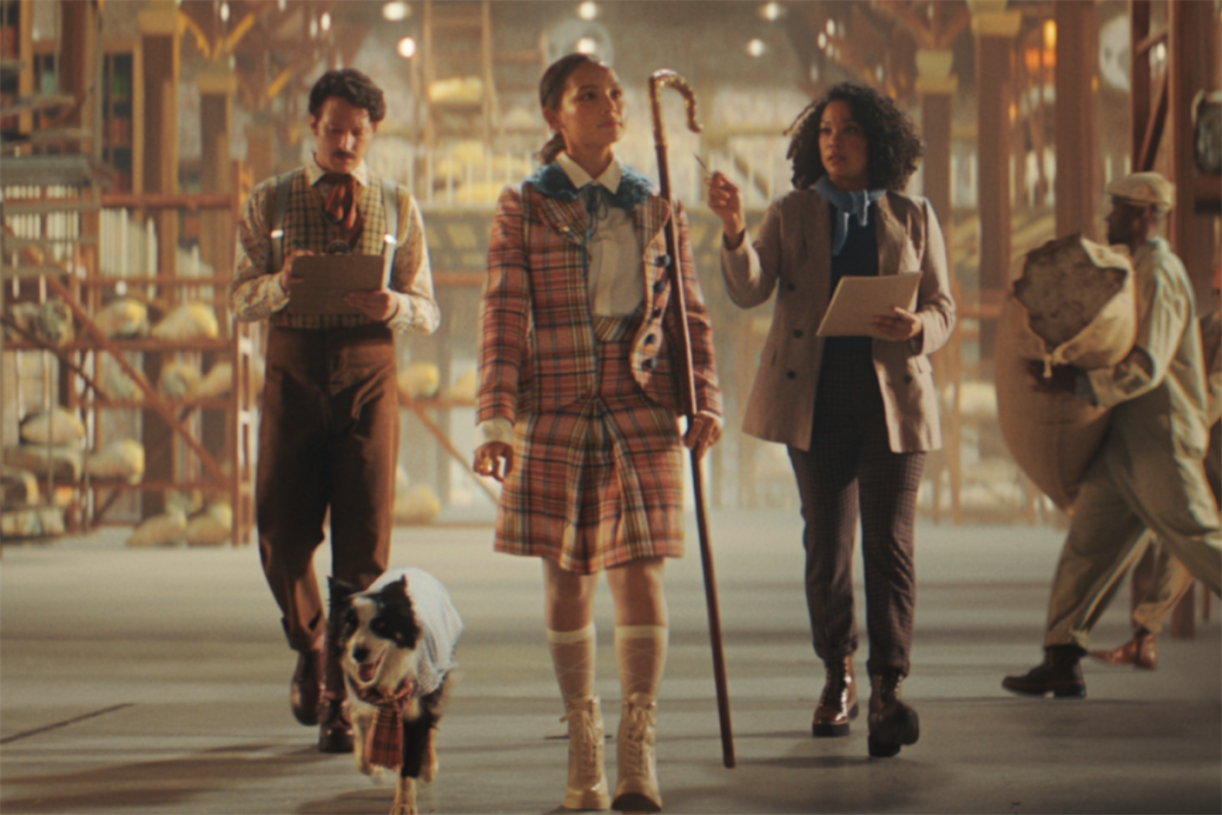
Tired Dogs
Part of Uber’s “There Are Drivers In Your Area” platform created by Mother New York, this ad targeted the realities of American suburban life.
The commercial features a countdown structure tracking an exhausted pet owner dealing with a dog that has completely run out of gas on a long walk, necessitating a reliable ride home for both of them.
Because there are tired dogs in your area, there are drivers in your area.
Why It Worked
It tackled a highly relatable suburban scenario with cinematic charm. By moving away from hyper-urban downtown settings and focusing on the everyday “tapestry of life” in the suburbs, Uber reminded consumers that a driver is always nearby for very specific, real-world user cases, even when you’re just a few blocks from home with a tired pet.
Game Day
Here is a campaign that pivots completely away from standard, high-energy sports ads to tell the intimate story of a young boy who plays in a school marching band.
The film follows him navigating the intense pressure, nerves, and quiet focus leading up to a massive game day. The creative execution stays tightly locked on his personal perspective: the repetitive practice sessions at home, the heavy weight of his instrument, and the quiet internal pep talks by the team bus as his bandmates prepare to take the field.
The story builds up the emotional stakes of his performance, showing his family and community getting ready to watch him shine. Uber only enters the narrative seamlessly at the climax, serving as the quiet lifeline that ensures his loved ones and support system arrive at the stadium precisely on time.
Why It Worked
While most tech and food brands use sports events to release joke-heavy ads, Uber leaned into an artistic slice-of-life story that felt like an independent short film. By focusing on the marching band, the campaign captured genuine human emotion that cuts through standard commercial clutter.
The campaign also proved that Uber is a critical piece of infrastructure that connects families during major life milestones.
Uber Intercity | Nani | Go Anywhere
This film centers on a young college student who is using Uber Intercity to travel back to his hometown to visit his “first love”.
Sitting in the back seat of an outstation vehicle, his extreme excitement and romantic anticipation get the better of him. He drafts a hyper-enthusiastic, overly affectionate text message to his partner that reads: “On My Way My Sweeetuuuuuu!” before realizing just how intense it looks on screen.
The creative execution bypasses technical jargon about distance matrixes or routing algorithms. Instead, it uses a consistent, lighthearted story formula to show that no destination is too far when you are traveling for the people you care about.
The app’s feature to easily reserve outstation trips up to 30 days in advance is woven naturally into his journey home.
Why It Worked
It succeeded because it captures vulnerabilities of young love, turning a standard long-distance cab service into an emotional bridge.
By utilizing localized humor, the campaign cut through corporate advertising and made the audience smile. The ad addressed a major barrier in app-based travel: the misconception that hailing an in-app ride is strictly for short, inner-city trips.









![I Took a Deep Dive Into PERT to Create More Accurate Time Estimates [+ Templates, Examples, and Formula]](https://knowledge.hubspot.com/hubfs/pert-1-20250213-8082845.webp)