UK airports in race to the top … of the drop-off fee table
The Man Who Pays His Way: I predict a social media scramble on hacks to dodge the charges
 Fransebas
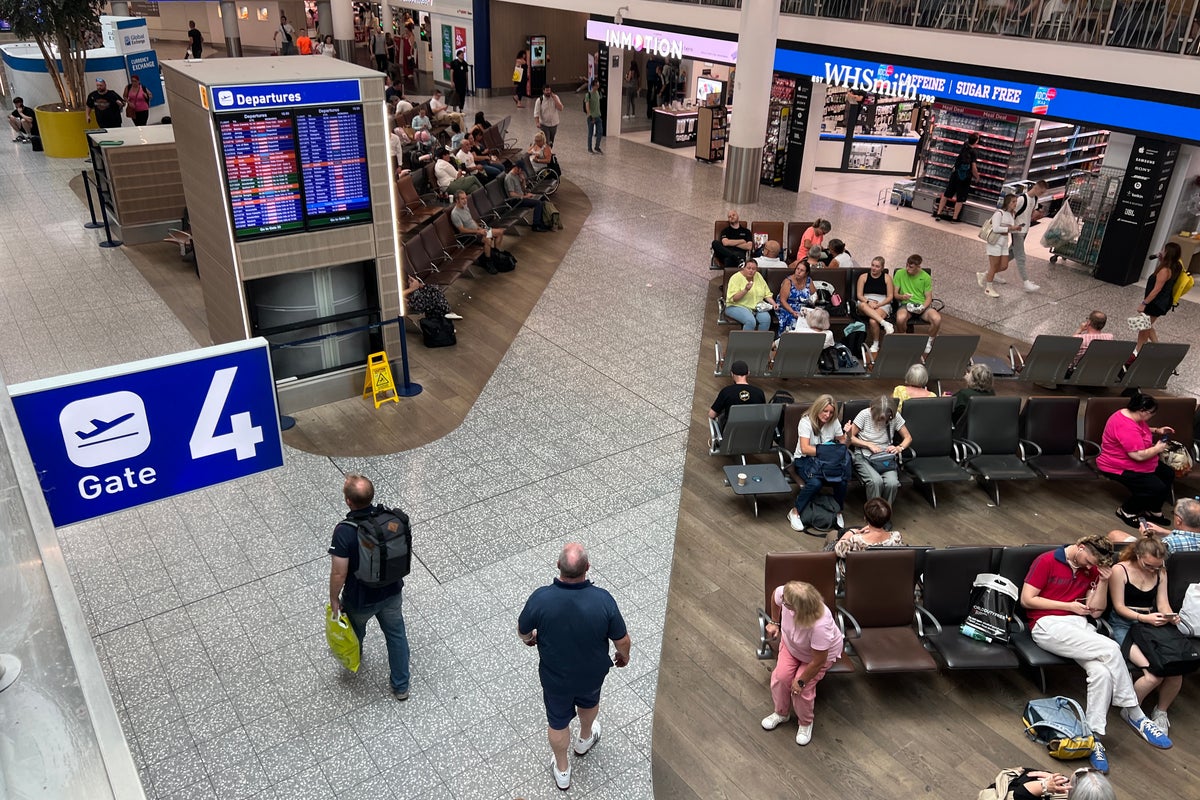
Airports in the UK are sometimes accused of a “race to the bottom” in terms of anything from the length of security queues to the general ambiance. Controversially, I believe our airports are getting better all the time. Most passengers at Manchester, for example, enjoy a proper 21st-century experience in the spruced-up Terminal 2. But there is one topic in which UK airports are engaged in a race to the top – specifically, who has the highest drop-off fee? And in the course of three days, that table is changing dramatically.
As of Sunday 4 January, a cluster of airports took first place with a £7 charge for stopping outside the terminal to allow passengers and their baggage out. Among the London airports, Gatwick, Heathrow, Luton and Stansted all demand seven quid. So do others around the country, including Bristol, Leeds Bradford, and Southampton. One major airport, London City, stands out for making no charge.
By Monday, Bristol airport had leapt ahead of the pack with a 21 per cent rise to £8.50. The West of England gateway revealed the increase only three days earlier. It makes a robust defence of the decision, saying: “The change in fees follows the recent budget delivered by the Rt Hon Rachel Reeves MP, Chancellor of the Exchequer, which will result in the airport’s business rates bill more than doubling.” Bristol airport says rates will be its “single biggest non-operational cost”.
As well as blaming the chancellor, the airport also played the environmental card – saying it hoped “the increased price would help discourage high volumes of customers choosing to drop off and pick up, and instead encourage greater use of more sustainable transport options”.
Yet Bristol tops the table for only 24 hours. By Tuesday, Gatwick leapfrogs ahead, with a 43 per cent increase that takes the fee to £10. And all the capital’s airports that currently charge £7 will be left trailing in the wake of a newcomer: London City. On the same day that Gatwick reaches double figures, the Docklands airport will bring in the first drop-off fee since it opened in 1987, at a premium £8.
From 6 January the table:
Drop-off fees were first introduced following an attempted attack on the terminal at Glasgow in June 2007. Two terrorists tried to drive a Jeep Cherokee laden with propane gas cylinders and petrol cans through the terminal doors and into the departure area. They were thwarted by a concrete post.
In the wake of the attempted attack, airport forecourts across the UK had to be swiftly reconfigured to protect against a copycat attack. Birmingham airport decided to defray the cost by charging motorists. The idea quickly caught on. (The West Midlands airport that started it all is now languishing in mid-table with a £6 fee.)
The environmental argument for drop-off fees has merit. Taking travellers to an airport generates more traffic. Unlike passengers who park at the airport, a friend or family member who takes people to an airport is likely to return to their starting point empty, doubling the number of journeys.
Gatwick has the best rail links of any airport; the location was chosen because it was right next to the main London-Brighton railway. Which is fine for people who do not have mobility issues, large amounts of baggage or young children.
Six months ago Bristol airport opened its new “Public Transport Interchange” and is bringing in a fleet of electric buses. But the one-way bus fare for an eight-mile trip for one person is even more than the raised drop-off fee: £9.
I predict that social media will become awash with hacks on how to swerve higher drop-off fees. Already the frequent-flyer website Head for Points has tipped off readers heading for London City: “If you get dropped off on the corner of Drew Road and Leonard Street you are directly next to the pedestrian tunnel which takes you into the terminal in under a minute.”
People who live near airports may rue the raised charges.
Simon Calder, also known as The Man Who Pays His Way, has been writing about travel for The Independent since 1994. In his weekly opinion column, he explores a key travel issue – and what it means for you