What Do You Do When the Goldfish Dies?
On talking openly with children about death The post What Do You Do When the Goldfish Dies? appeared first on Tricycle: The Buddhist Review.
 AbJimroe
On talking openly with children about death
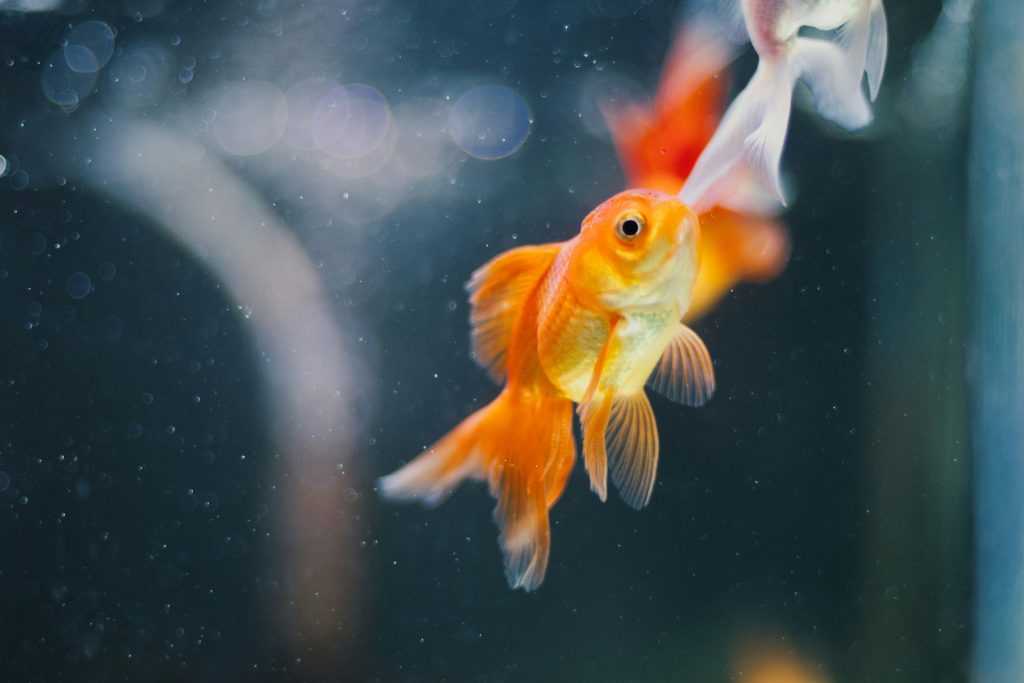 Photo by shuvrodeep dutta
Suzuki Roshi said, “Life is like stepping onto a boat which is about to sail out to sea and sink.” He might have likely said it with a smile, because remembering that life and death are intertwined is a truth meant not to depress us but to enliven us, to remind us to value each moment, each relationship, each opportunity of our life. And yet, especially in our culture, we tend to hide and deny death, as if it is wrong, something to be feared. Talking about it is almost taboo, so we use euphemisms like “She passed,” “He is no longer with us.” Or we hide our feelings with fun sayings such as “They kicked the bucket.” And this attitude toward death limits our children in their experience of life. I saw this so clearly when I was working as the Site Supervisor at a childcare center in California.
My days at the center were filled with the joy and delight of working with a multicultural group of twenty-eight children, ages 3 to 5 years old, as they avidly explored the world around them. One morning when I arrived, one of the teachers came rushing over to anxiously inform me that our pet goldfish had died. Out of breath she said, “Hurry, let’s flush it down the toilet before the children see!” I paused, grateful that as a supervisor I could ask for a different response. “No,” I said gently, “let’s let the children see it and notice what has changed from when it was alive. Let’s hear their observations and what they are wondering about. And we can help them say goodbye to the goldfish and then we can bury it.” She seemed taken aback by this plan. With her arms folded across her chest and a grimace on her face, she watched as I quietly moved the toys off a low shelf in the center of our classroom and placed the fish on a paper plate there, where the children could easily see it.
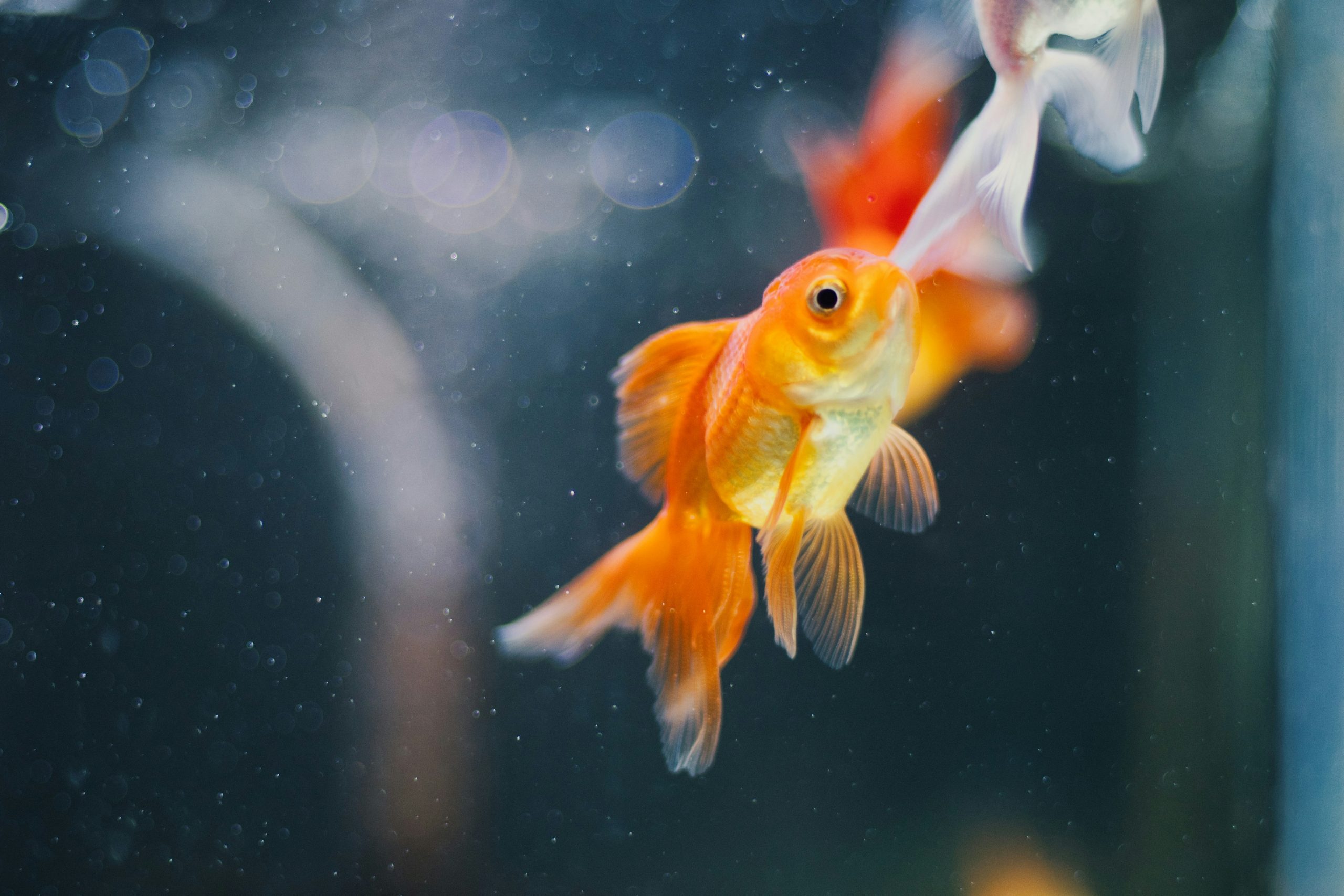
The fish lay on its side with one dark eye staring upward, its mouth slightly open, and its fins extending stiffly out from its body. I moved from group to group of playing children, telling them what had happened and inviting them to come over to see the goldfish and to say goodbye. Another teacher and I encouraged them to draw pictures of the goldfish and tell us what they observed about it now, how it had changed from when it was swimming around in its tank. We gave them the opportunity to share what they thought had happened to the goldfish, and how they felt, and to ask questions if there was anything they wanted to know. Their responses ranged from what they observed—“It’s not moving,” “It feels cold,” “It can’t breathe”—to what they hoped for and felt—“It will wake up soon,” “It’s gone to heaven,” “Its life goes up to the sky” and then to “I miss her,” “I’m sad.” We posted their drawings and comments on our bulletin board and later that day shared them with their parents. Many of the parents said that they had no idea how to relate to death themselves and that they had felt unsure how to help their children relate to death, whether of a pet or a grandparent or a friend. We recommended some children’s books about death, and suggested we stay in touch about what the children were saying at home and at school.
After that day, the class began noticing that death was all around us. Flowers died, plants died, insects died, our pets died. In October we watched our pumpkin turned jack-o’-lantern transform into mold, mush, and dirt. These endings of life became part of the natural ongoing life in our classroom. We created a “graveyard” where we buried our pets or the small dead animals we found outside, and the children became accustomed to the poignancy of saying goodbye, drawing pictures and placing offerings of remembrance on the graves. At the end of the year when parents were evaluating their experience at the Children’s Center, they universally expressed their gratitude and appreciation for the open explorations about death.
Maintaining silence or conveying to children our own unaddressed fears and discomfort with death teaches that death is bad or something we can avoid, rather than an integral and natural part of life.
Throughout that day when the goldfish died, I remained aware of the teacher who wanted to “protect” the children by getting rid of their dead pet. Even though her posture gradually softened as she heard the questions and comments of the children, she still avoided their questions and often changed the subject, an all-too-common way of relating to death in our culture. Maintaining silence or conveying to children our own unaddressed fears and discomfort with death teaches that death is bad or something we can avoid, rather than an integral and natural part of life. For me as an educator, it felt important to try to break through that charged silence about death. So when the annual state conference for teachers invited presentations, I summoned my courage and submitted my first proposal, “What do you do when the goldfish dies? Helping children deal with death.” I was excited and nervous, not knowing if anyone would even be interested in this topic. When I arrived, about fifteen minutes early, every seat in the room, including the aisles, was filled, with more teachers standing outside in the hallway hoping to get in. Apparently dealing with death was a hot topic for more than eighty educators that day.
I began by asking the participants to move into small groups to share with each other their earliest memories and experiences with death. The hum of conversation quickly filled the room as people leaned towards each other, speaking and listening intently. I soon noticed that all around the room tears were flowing down many faces. When we returned to the full group, I asked several questions: “What did the adults around you do when someone died, and is there anything else you wish they would have done? What did you learn about how to relate to death from those earliest experiences?” One woman shared through her tears, “I was 4 years old when my mother died. My relatives told me that she went away, not that she died. I was not allowed to see my mother’s dead body or participate in the burial. I saw people crying or whispering all around me, but I didn’t understand what was happening. I was so alone.” She went on to say that she had been doing the same thing to the children in her classroom, trying to hide death from them.
I then opened a flipchart on which I had made two columns, one headed with “Why should we talk to children about death?” and the other with “Why shouldn’t we talk to children about death?” A lively discussion followed as we filled out both columns. The affirmative side included “Death is a natural part of life,” “Talking about it will help children learn to cope with loss,” and “If we don’t talk about it, we are leaving them alone to figure out what is happening.” Hearing these made me wish again that my own childhood experience had been framed with this kind of understanding. The reasons for not talking about death were more aligned with what happened in my family when I was growing up: “It will scare them. They’re too young to understand.” “What to say depends on your faith or religion”—a challenge in multicultural classrooms. Lots of heads nodded with “I don’t know what to say to them” and “Death scares me and I don’t want to talk about it,” which seemed to arise from a deep honesty.
At the end of the presentation teachers surrounded me, asking questions and expressing their gratitude for what they had learned and experienced. Any awkwardness, pain, or discomfort they might have started with were no longer evident in them. I left the session with renewed trust in how transforming it can be for us to talk openly about death as an integral part of life.
When I accept the reality that I and everyone I love will die, I can open to death as an ally in my life. This encourages me to use the time I have well, to reach out with love. It helps me face and heal any regrets I have about what I have or have not done, what I have not forgiven or let go of. In the face of this mystery, I have come to trust in the enduring love and deep connections that do not die. I feel the grace and continuing presence of my parents, friends, and teachers who have died. Though I have grieved their loss, and I still miss them, I experience their ongoing influence and support as they accompany me and help me grow.
In whatever way we understand or frame this mystery of death, it is a part of our life that can offer us gifts and teachings that wake us up to each moment.
In whatever way we understand or frame this mystery of death, it is a part of our life that can offer us gifts and teachings that wake us up to each moment. As Frank Ostaseski, author and cofounder of the first Buddhist hospice in the United States, puts it, “We cannot be truly alive without maintaining an awareness of death. . . . She is the secret teacher hiding in plain sight.”
When we allow ourselves to see and recognize this secret teacher, every moment offers an opportunity to appreciate and respond to life even in the midst of loss and grief. Paradoxically, the more we open to grief—to the reality that we and everyone we love and care about will die, that multiple species are dying right now all over the Earth—the more we can embrace our capacity to make a difference with energy and vitality. Honoring our “secret teacher,” remembering that life is passing—my life and all life—wakes us up to the gift of being alive right now, open to joy, delight, and love.
♦

Excerpted from Return to Our Senses: Finding Stability in an Unstable World (Bell Ringer Press, April 2026). Used with permission.

Thank you for subscribing to Tricycle! As a nonprofit, we depend on readers like you to keep Buddhist teachings and practices widely available.
This article is only for Subscribers!
Subscribe now to read this article and get immediate access to everything else.
Already a subscriber? Log in.