71% Of Americans Report Fatigue — This Might Be The Surprising Root Cause
Constantly exhausted? A new CDC report shows you're not alone.
 Konoly


Author:
September 16, 2026
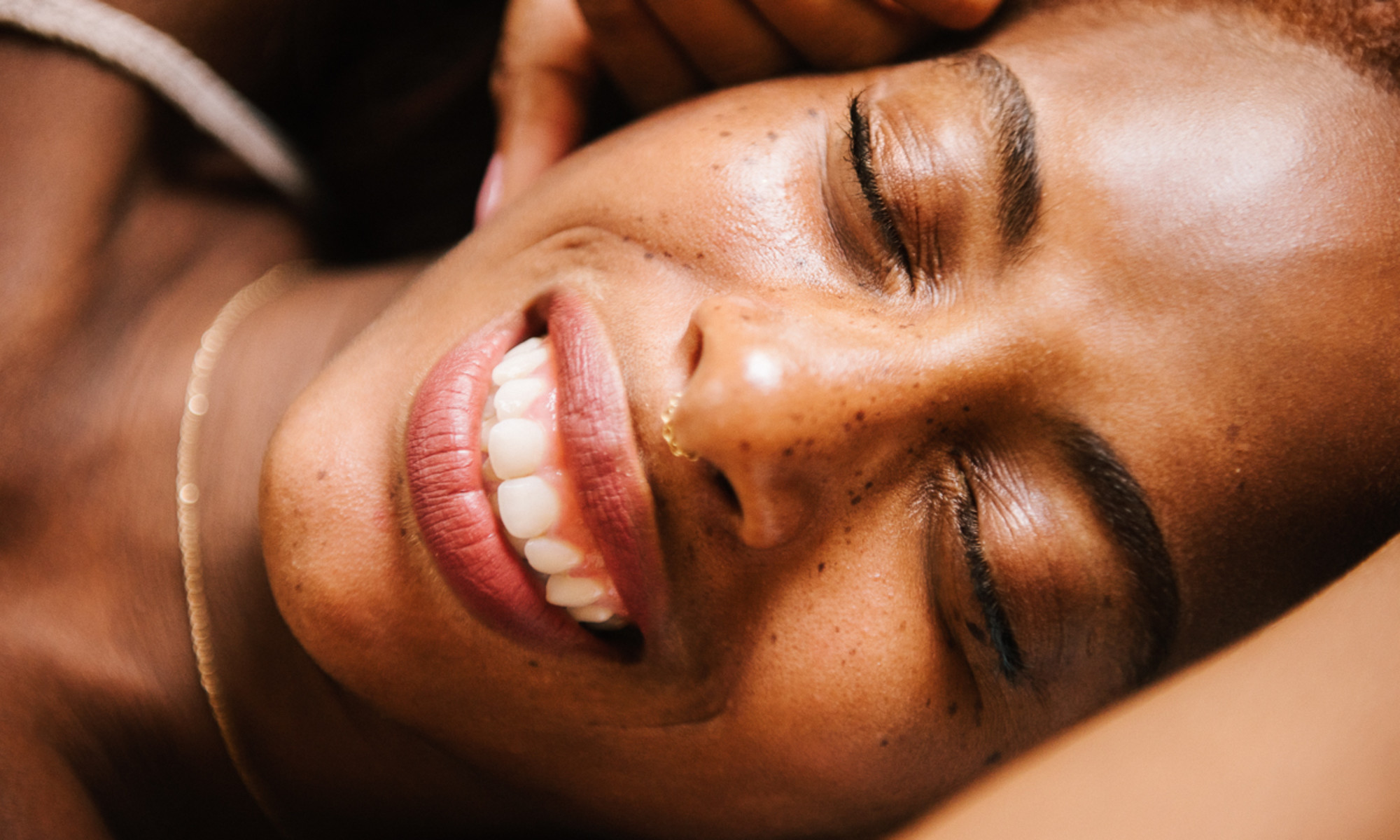
Image by Milles Studio / Stocksy September 16, 2026 If you often feel depleted of energy, new federal data1 confirms you're not alone. A new report from the CDC's National Center for Health Statistics found that 71.5% of adults report feeling fatigued at least some of the time. 16.6% of U.S. adults experience frequent fatigue, meaning they feel tired or exhausted most days or every day. That's a lot of tired people, and the data suggests it might not be fixed by an extra hour of sleep.
Fatigue is tangled up with mental health
The CDC found substantial overlap among adults who reported frequent fatigue and those who reported mental health symptoms. Of those with frequent fatigue, 69.6% also reported symptoms of anxiety, 46.1% reported trouble concentrating or remembering, and 45.0% reported symptoms of depression.
This doesn't mean fatigue causes anxiety or depression, or the other way around. But when your body is running on empty, your mental state tends to run on empty too. And making it through the day while fighting anxiety or depression is also exhausting. In other words, energy, mood, and mental clarity aren't separate systems working in isolation. They're deeply connected, and when one falters, the others often follow.
The report also found that frequent fatigue is linked to real disruptions in daily life. Among adults with frequent fatigue, 36.0% experienced limitations at work, and roughly 1 in 4 reported at least some difficulty participating socially. This exemplifies how fatigue shapes the way people show up at their jobs, with their families, and in their communities.
Women are carrying more of this burden
The data also revealed a clear gender gap in who experienced fatigue. 20.0% of women report frequent fatigue, compared to 13.0% of men. That's nearly double the rate.
Age matters too. Frequent fatigue is most common among adults 18 to 34, with 19.5% reporting frequent fatigue, which becomes less common with age.
Combined with the gender gap, this data shows younger women appear to be shouldering a disproportionate share of this exhaustion, right during years often packed with career building, caregiving, or both.
The CDC report doesn't break down causes, so the pattern tells us where exhaustion is concentrated without explaining why. But previous research and societal context suggest the gap comes from a mix of factors, including hormonal shifts, disproportionate caregiving responsibilities, and the mental load that so often falls on women.
What the experts say actually helps with fatigue
Fatigue doesn't have one fix, but small, consistent shifts can add up. Below are six science-backed tips that may help boost your energy.
The takeaway
Feeling tired most days isn't a personal failing, and it's not just in your head. The CDC data makes clear that fatigue, mental health, and daily functioning are closely linked.
If you've noticed your eyes closing at work or your brain shutting down during a conversation, start by prioritizing some lifestyle factors that may help with fatigue: a consistent wake time, morning light, a real breakfast, enough water. If none of these make a difference and the fatigue remains unusual or disruptive to your daily life, it may be time to consult a physician or therapist.
You shouldn't have to power through every day like it's a marathon—you deserve to have energy, too. And asking for help with fatigue is not a failure. It might actually be what you need to turn the corner.