Airline rewards may not go as far as Iran war drives up fuel costs and summer fares
Accumulated rewards may not stretch as far as they once did.
 Lynk
Lynk
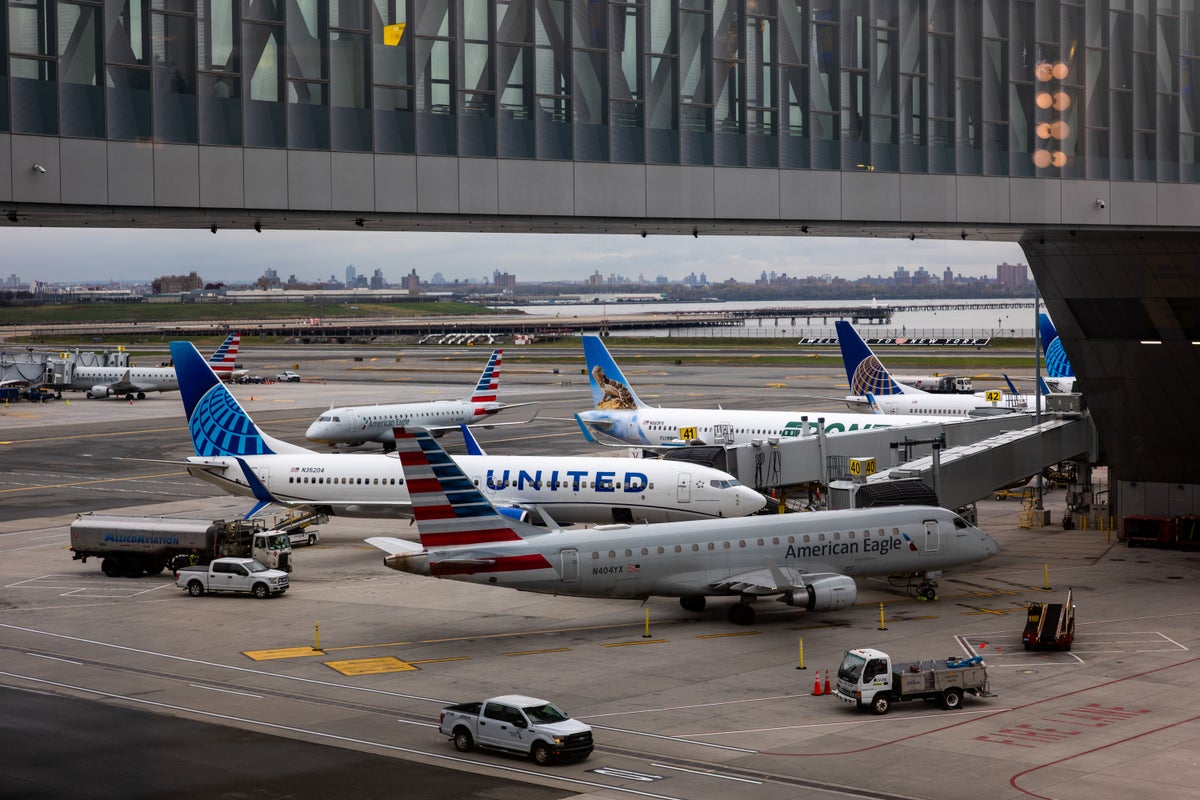
The summer travel season is fast approaching but for many Americans relying on airline miles and credit card points, their accumulated rewards may not stretch as far as they once did.
A surge in jet fuel prices, exacerbated by the Iran war, has driven up the cost of airline tickets and ancillary fees, making it more challenging to redeem points for desired trips. Airfares in April alone were 21% higher than the previous year, according to the Labor Department, compounding the usual summer demand-driven price increases.
Travelers who had specific destinations or first-class seats in mind, hoping to leverage their airline-branded or bank travel rewards cards, might now face a dilemma: pay extra cash, reconsider their destination, or opt for less convenient travel times to maximize their points.
Frequent flyers
The landscape of frequent flyer programs has shifted dramatically. In their early days, airlines provided clear tables outlining mileage costs for different service classes or distances. Today, nearly all carriers employ dynamic pricing, an algorithm-powered strategy that continuously adjusts airfares.
This means that flights priced in points are now directly tied to overall demand, much like cash fares. Consequently, higher cash airfares typically necessitate a greater number of miles or points for a ticket.
Concerns about this trend predate the current global oil supply disruptions. Consumers, alongside a pair of U.S. senators and Pete Buttigieg, the former Transportation Secretary, previously voiced objections to airlines increasing the points required for free flights or reducing the availability of redeemable seats before loyalty stockpiles could be cashed in.
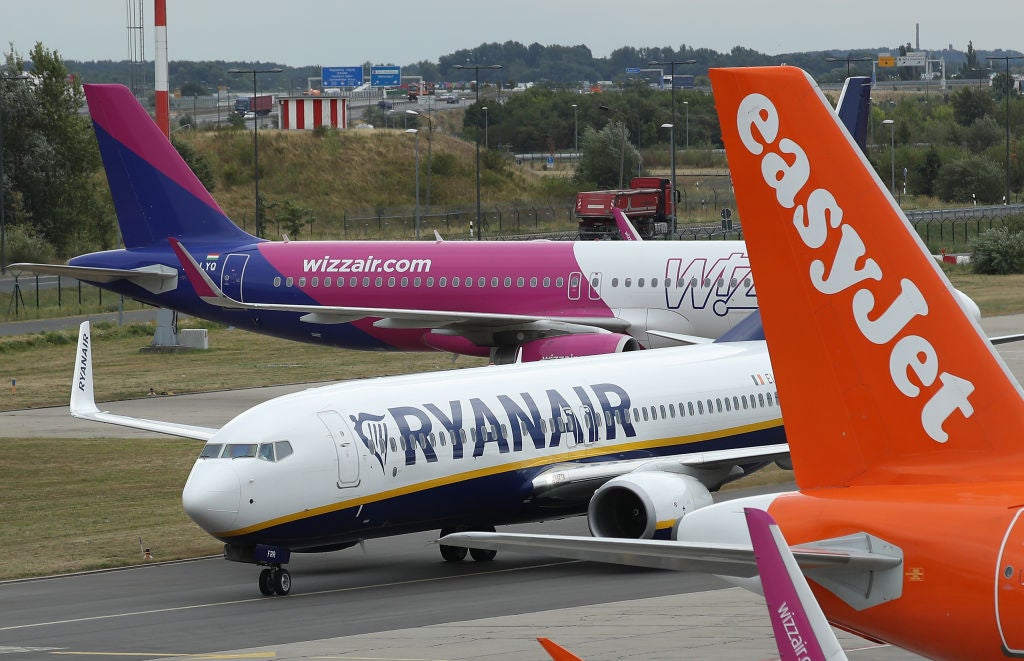
Brian Kelly, the travel and credit card rewards expert known as The Points Guy, acknowledged the shift.
"There’s no question that dynamic award pricing, higher redemption rates on some domestic routes, and added fees have made it harder to find the outsized deals that travelers enjoyed a decade ago," Kelly said. "But that doesn’t necessarily mean points have lost value. It just means consumers need to be more strategic about how they redeem them."
Earning loyalty
Despite these challenges, opportunities to accrue airline miles remain plentiful, and most do not come with an expiration date. Enrolling in an airline's frequent flyer program is the most straightforward and often free method.
Members can earn miles by flying with the airline or its partners, which can then be redeemed for perks such as discounted flights, seat upgrades or checked bags. Higher loyalty tiers often unlock additional benefits like priority boarding or waived baggage fees.
Major airlines also collaborate with banks to offer co-branded credit cards, typically carrying an annual fee, which allow users to earn miles on everyday purchases.
Adam Morvitz, a credit card miles expert and CEO of point.me, a travel loyalty platform, highlighted the advantage: "When you’re going to spend money anyway, you might as well get something back for it."
He added, "If you’re already buying groceries, paying for gas or booking a hotel, a travel rewards card turns that everyday spending into points that can fund your next trip."
This is where loyalty programs and airline credit cards can offer tangible summer savings, particularly concerning baggage fees. To offset rising jet fuel costs, some U.S. airlines have increased checked baggage fees for domestic and many short-haul international flights.
United Airlines, for instance, raised the first checked bag fee from $40 to $50, while Delta Air Lines increased theirs from $35 to $45. However, customers in higher tiers of loyalty programs or those holding co-branded credit cards, such as the Delta SkyMiles Card from American Express or United’s card with Chase, can often still check a bag for free.
Extra miles
Beyond airline-specific cards, financial institutions like American Express, Chase Bank, and CitiBank issue their own travel credit cards that provide points with purchases. These are often favored by travelers seeking flexibility across multiple airlines.
Depending on the card, benefits can include airport lounge access, travel insurance, no foreign transaction fees and credits for TSA PreCheck or Global Entry.
Morvitz noted, "For those who spend responsibly, the value is incredible as you’re able to get more in value from the perks, even if there is an annual fee."
For newcomers to travel rewards, Morvitz advises opting for flexible points cards over airline-specific options. These cards offer greater transferability across loyalty programs and more redemption choices, especially if an airline alters its award pricing. He also recommends aligning card selection with actual spending habits, such as choosing cards with bonus categories for groceries or dining, and carefully weighing annual fees against the benefits that will genuinely be utilized.
Many banks are currently promoting substantial sign-up bonuses, coinciding with summer travel planning. Offers of 100,000 or even 150,000 miles or points are common for new customers who meet specific spending requirements within a set period, typically the first three months.
Kelly suggests that these bonuses make it an opportune time to acquire such cards, potentially making trips more affordable for those needing extra points. Morvitz added that these sign-up offers can be among the most valuable features, sometimes worth over $1,000 in travel. However, he cautioned consumers to meticulously track minimum spending requirements to qualify, and to maximize rewards by utilizing category bonuses, shopping portals, and always attaching a frequent flyer number to airline reservations.
Pay as you go
Crucially, the value of any bank travel card or airline loyalty card diminishes rapidly if a balance is carried. With average credit card interest rates ranging between 21% and 24%, even a $1,000 balance can quickly negate any savings from perks like a complimentary checked bag.
"Travel rewards cards are one of the best financial tools available to responsible cardholders, but they’re designed for people who treat them like a debit card,” Morvitz said. “Spend what you’d spend anyway and always pay the balance in full each month. The moment you start carrying a balance and paying interest, the math works against you."
The devaluation trend isn't limited to air travel. Hotels are also seeing their rewards points offer less value this summer. Hyatt recently restructured its loyalty program, expanding from three to five tiers.
While some lower-cost hotel stays may require the same number of points, the cost for Hyatt’s more upscale properties could increase significantly. The travel blog One Mile at a Time estimated that some of Hyatt’s most elite properties might demand up to 67% more points under the new system.
Sally French, who covers credit cards and loyalty programs for Nerd Wallet, advised, "If you’re sitting on hotel points, don’t sit and hoard them. ... They quickly seem to be getting less valuable."