
As Apple pushes AI in software, the RAM crisis caught up and your gadgets are feeling old
Apple’s iOS 27 AI requirements suggest RAM is becoming the new upgrade wall, with 8GB devices still supported but less ready for Apple’s strongest on-device AI features.
 JaneWalter

iOS 27 shows where Apple’s AI roadmap is heading, and why 8GB devices are already losing ground.
 Apple
Apple
Apple’s next big AI divide is starting to look less like a software cutoff and more like a memory cutoff. The iOS 27 requirements for Apple’s strongest on-device AI model suggest some devices built for Apple Intelligence won’t run the most capable version locally.
That puts iPhone 17 Pro and iPhone Air in a different class from older Apple Intelligence-ready hardware. Apple has trained buyers to expect long device lifespans, but AI is making the spec sheet harder to ignore again, especially if you’ve been treating RAM as a background detail.
Why is RAM suddenly the dividing line
The key detail is memory. Apple’s strongest on-device AI model for iOS 27 needs at least 12GB of RAM on supported iPads and Macs, with iPhone 17 Pro and iPhone Air named for iPhone support.
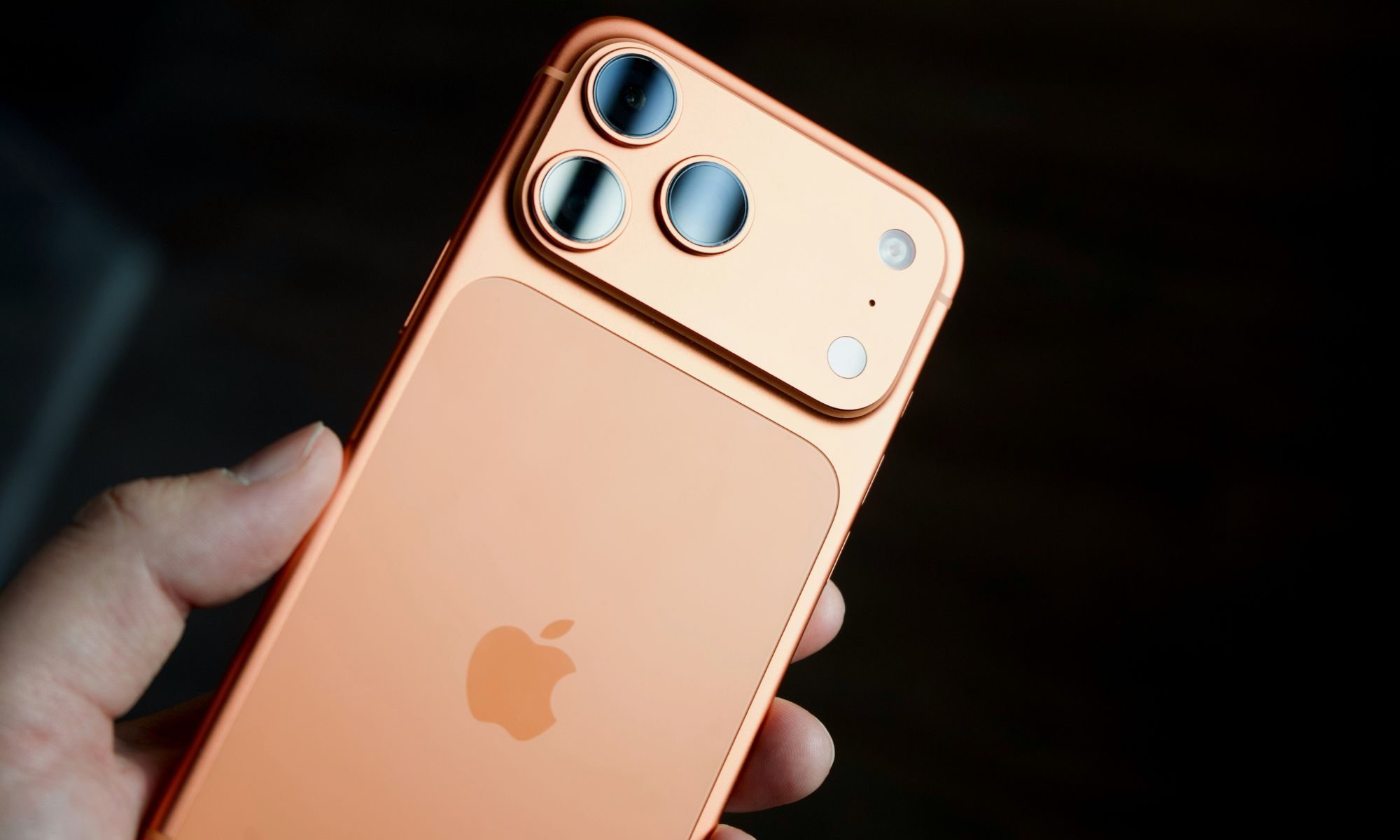 Unsplash
That leaves many current Apple Intelligence devices in an awkward middle ground. An 8GB device may still get plenty of AI features, but the heaviest local model could sit outside its reach.
For users, the upgrade math changes fast. Processor speed still counts, but RAM is becoming the quieter spec that helps decide whether a device feels ready for Apple’s next AI wave.
What happens when AI moves local
A device can support Apple Intelligence and still miss the best on-device model. That gap shapes the experience, since local processing is tied to the speed, privacy, and hardware-first feel Apple has emphasized around AI.
Private Cloud Compute gives Apple a way to support more devices without putting every task on the device itself. Still, it creates a practical split between what runs on your gadget and what needs help from Apple’s servers.
 Apple
Apple
That’s where 8GB devices start to feel older than their age. They won’t suddenly become useless, but they may stop feeling like the safest bet for whatever Apple adds next.
Why should your next upgrade depend on memory
The practical takeaway is straightforward. If Apple’s AI roadmap matters to you, RAM deserves more attention than it used to.
You’ll want to treat memory as a long-term AI spec, not just a multitasking spec. That means checking RAM alongside chip generation, especially on iPad and Mac, and watching whether more iPhones move beyond 8GB by default.
The next devices Apple ships with more memory will say a lot about where iPhone, iPad, and Mac AI is headed. For now, Apple Intelligence support alone doesn’t tell you the whole story.

Paulo Vargas is an English major turned reporter turned technical writer, with a career that has always circled back to…
NotebookLM can now write code, build spreadsheets, and find sources for you
The latest update brings Gemini 3.5, Antigravity-powered code execution, and the ability to build source libraries from loose ideas.

Google has upgraded NotebookLM with a new reasoning engine, expanded file output options, and a more flexible research workflow, giving the AI notebook tool a broader set of capabilities for handling complex projects.
Smarter reasoning, powered by Gemini 3.5
Google AI Plus drops to $4.99 a month and doubles your storage
The entry-level Google AI subscription now includes 400GB of cloud storage, double what the plan offered at launch.

Google is cutting the price of its AI Plus subscription from $7.99 to $4.99 per month and doubling the storage that comes with it, making the plan a more competitive option against similar AI subscription tiers from rivals.
What changes with the new plan
Excited for macOS Golden Gate? Check out all the supported Mac models
Apple's macOS 27 Golden Gate officially marks the end of Intel Mac support.

Apple just unveiled macOS 27 Golden Gate at WWDC 2026, and there is one thing every Mac owner needs to know right away — Intel Macs are officially out. macOS 27 will only run on Apple silicon machines, which means the transition Apple started in 2020 has now fully closed the door on its older processors.
If you are still on an Intel Mac, you will receive Apple security updates through 2029, but the era of major software upgrades for those machines is over.


























.jpg&h=630&w=1200&q=100&v=1a56ad72fe&c=1)

