Asus’ utterly sleek ExpertBook Ultra lands in the US with an utterly baffling price tag
Asus’ ExpertBook Ultra brings a 14-inch tandem OLED screen, Intel Core Ultra Series 3 power, and enterprise security to the US for an eye-watering $3,599.99 price tag.
 AbJimroe
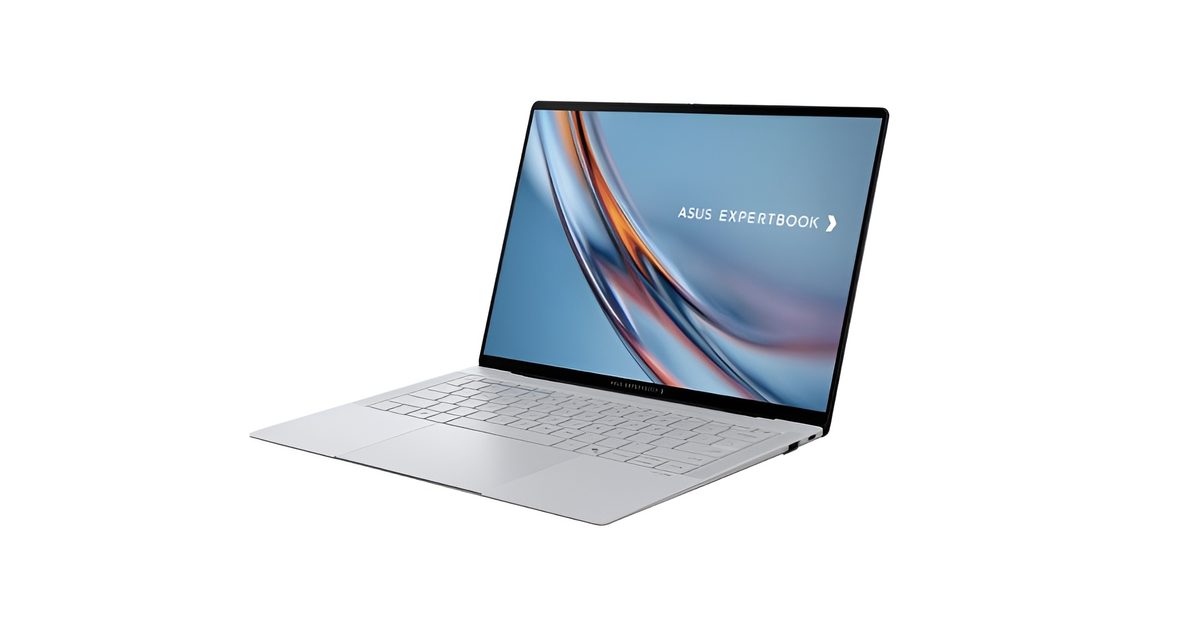
This Asus ExpertBook Ultra looks stunning, then you see the $3,600 price
 ASUS
ASUS
Asus has brought its top-of-the-line ExpertBook to the US, with specs that are genuinely impressive. But what’s really jaw-dropping is the price tag. The ASUS ExpertBook Ultra is now available in the United States through the ASUS Store. It sits at the top of the company’s business laptop portfolio, with Asus positioning it as a flagship machine for professionals, executives, and enterprise users who want a premium AI-ready Windows laptop.
What’s so special about this business laptop?
 ASUS
ASUS
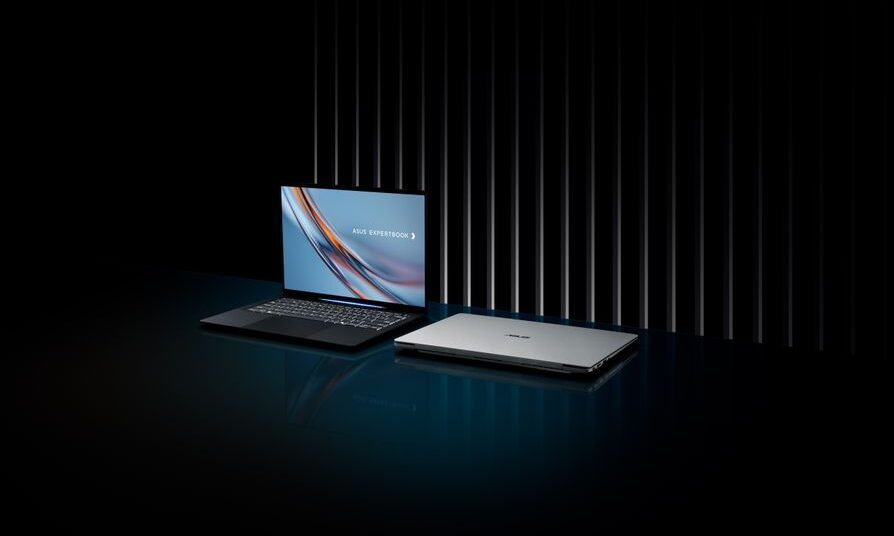
The ExpertBook Ultra is built around portability first. Asus says the laptop starts at 2.43 pounds (~1.1kg) and measures just 0.43 inches thin, making it one of the more travel-friendly business notebooks in its class. The chassis uses a magnesium-aluminum alloy with Nano Ceramic technology, while the first US model ships in a Jet Fog finish. A Morn Grey option is expected later.
Despite the slim build, Asus has kept a decent port setup. You get two Thunderbolt 4 ports, two USB-A ports, HDMI 2.1, and a 3.5mm audio jack. There is also a 70Wh battery, Wi-Fi 7, Bluetooth 6.0, and a 1080p IR webcam with a privacy shutter. The display is easily one of the standout features here. Asus is using a 14-inch 3K tandem OLED touchscreen with a 2880 x 1800 resolution, 120Hz refresh rate, 100% DCI-P3 coverage, and up to 1400 nits peak HDR brightness. It also gets Corning Gorilla Glass Victus and a matte finish, which should help with durability and glare.
 ASUS
ASUS
Powering the notebook is the Intel Core Ultra X7 358H processor with 16 cores, 16 threads, and Intel AI Boost NPU performance rated at up to 50 TOPS. It also includes Intel Arc B390 graphics, 32GB of LPDDR5X memory, and a 1TB PCIe 4.0 SSD. Security is also a focus with this premium laptop, which packs Microsoft Pluton, TPM 2.0, Windows Hello, a fingerprint sensor, Secured-core PC support, and Asus ExpertGuardian firmware protection aligned with NIST SP 800-193 guidelines.
How the price is the real highlight
The ExpertBook Ultra looks every bit like a polished high-end business laptop. But the awkward part is the $3,599.99 price tag. This puts it well above many other excellent premium laptops, including the M5 Pro-powered MacBook Pro models and Windows ultrabooks. To be fair, this is an enterprise-focused machine with a fancy OLED panel, high-end security features, and a very light chassis. Still, Asus is asking a lot for a 14-inch business laptop, even one this refined. The ExpertBook Ultra configurations with Intel Core Ultra X9 Series 3 chips are expected in Q3 2026, so this isn’t even its most expensive variant.

Vikhyaat Vivek is a tech journalist and reviewer with seven years of experience covering consumer hardware, with a focus on…
Perplexity’s Personal Computer can work autonomously on your Mac, and it’s now available to all
This might be the closest thing to having a personal assistant on your Mac.

Perplexity has finally launched its Personal Computer Mac app for everyone, and it could genuinely change how you get things done on your Mac.
Personal Computer is an AI agent system that works directly on your Mac. It can dig through your local files, work inside native Mac apps, browse the web, and connect to over 400 tools, all on its own.
I built a Mac app to track my bad posture with AirPods. I didn’t write a line of code.
A one-shot attempt with Claude that ran in the first attempt. It almost felt like witnessing magic.

A few weeks ago, I wrote about an app that looks at you through the Mac’s webcam, and as soon as it detects a slouching posture, it sends a notification. The app even logs all the instances and provides a daily posture score. It was an open-source app, but soon after it was shared on Reddit by the creator, a huge chunk of fellow Reddit lurkers started asking about how it processes and stores data. Those were existentially valid queries.
After all, you are giving an app access to the camera, which can monitor you and the world around you in real-time. Is there a backdoor that allows a bad actor to take a sneak peek? What else is the app logging in the background, and how much of the audio-visual stream is being relayed or stored on an external cloud server? Thankfully, the app works fully online, and all the processing happens locally on my Mac. But the sense of unease prevailed.
Fitbit is becoming Google Health, and it’s getting a bunch of wellness upgrades
Google is finally treating health tracking as a platform play, pulling in medical records, third-party fitness data, and AI coaching in a way that Fitbit's standalone app was never built to handle.
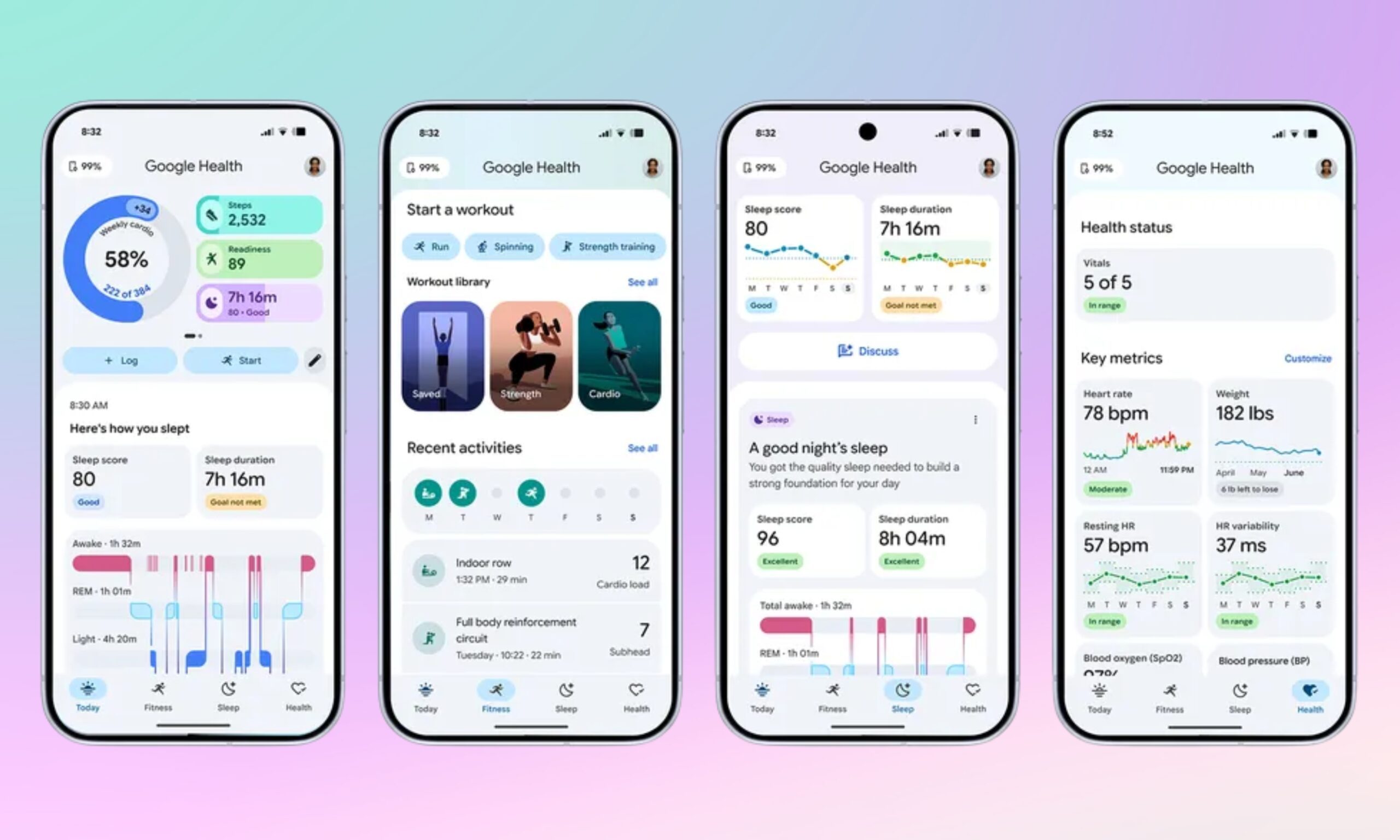
Google is officially pulling the plug on the Fitbit app, replacing it with the new Google Health app on May 19, 2026. It is quite ironic, as the company just announced a new Fitbit Air screenless fitness tracker, but the change will take place via an OTA update.
This is happening after Fitbit’s fifteen-year run, wherein it gathered millions of fitness-focused users and provided them with various health trackers and meaningful insights via its software.








/cdn.vox-cdn.com/uploads/chorus_asset/file/25820486/247466_CES_2025_Lenovo_Legion_Go_S_SteamOS_ADiBenedetto_0006.jpg)