Perplexity’s Personal Computer can work autonomously on your Mac, and it’s now available to all
Perplexity's new Mac app brings Personal Computer to your desktop, letting AI agents work through your local files, native apps, and the web, so you don't have to.
 Hollif

This might be the closest thing to having a personal assistant on your Mac.
 Perplexity
Perplexity has finally launched its Personal Computer Mac app for everyone, and it could genuinely change how you get things done on your Mac.
Personal Computer is an AI agent system that works directly on your Mac. It can dig through your local files, work inside native Mac apps, browse the web, and connect to over 400 tools, all on its own.
You give it a task, and it gets to work. You step in only when it needs your approval. It’s similar to how Claude Cowork works and can handle tasks on your computer.
What can Personal Computer do for you?
If you have ever lost an hour jumping between apps, hunting for a file, or manually pulling information from different sources, Perplexity’s Personal Computer is built for exactly that frustration. It can work across your local files, native Mac apps, connected tools, and the web, all in one go.
 Perplexity
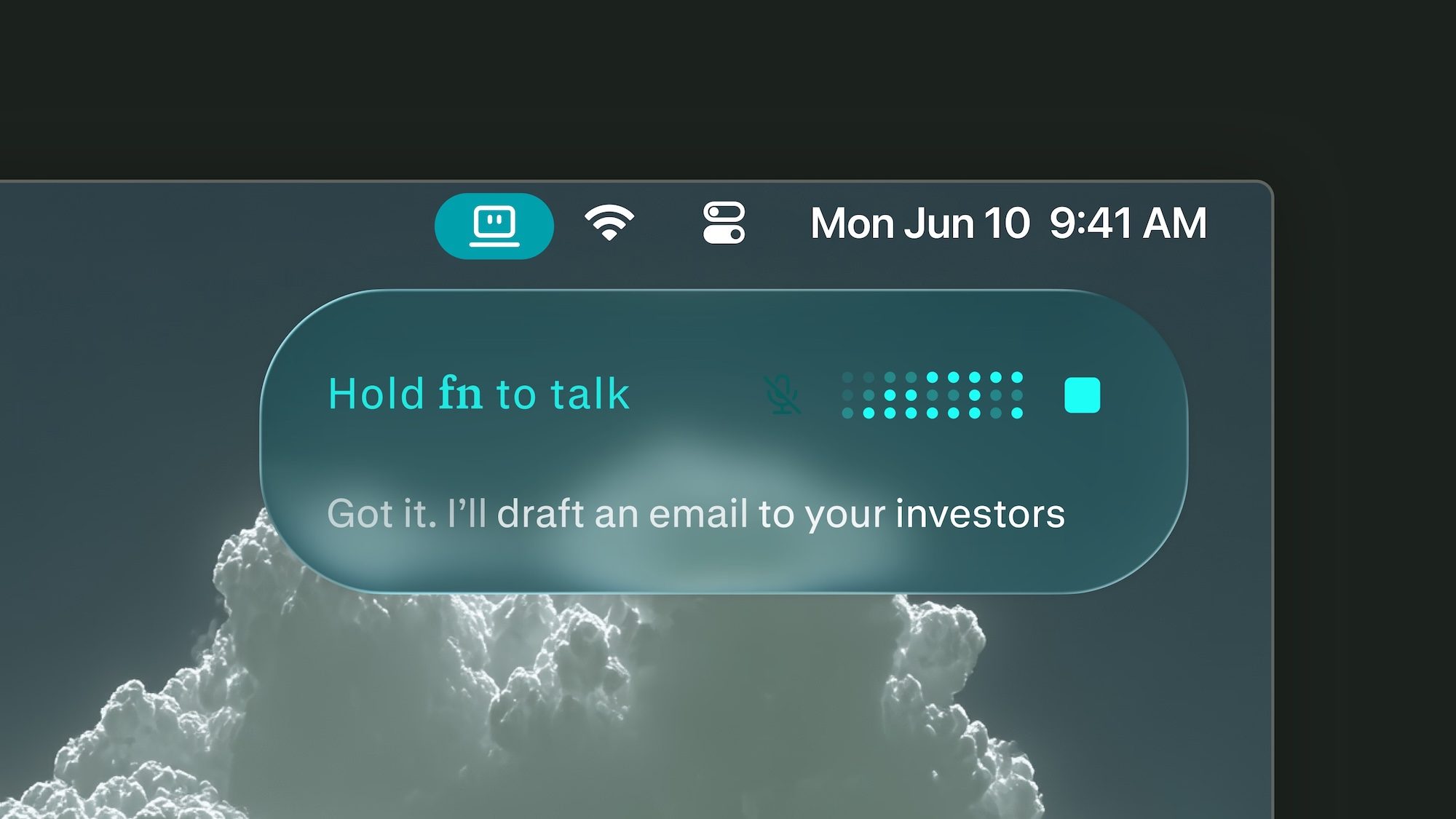
Here is a fun example Perplexity showcased. Open Notes, press both CMD keys, and ask it to do your to-do list. It figures out each task and get them done. You can also ask it to clean up a messy folder and sort everything into properly named project folders.
The best part is that you stay in control. It checks in when a decision matters, and every action it takes is reversible. Think of it as a capable assistant, not an unsupervised one.
What’s the best way to run Perplexity Personal Computer?
According to Perplexity, a desktop Mac is the best way to run it, and since the entry cost of a Mac mini is relatively low, it’s the best option. Running Perplexity’s personal computer on a Mac mini is ideal because it can operate continuously, even when you’re away from your desk.
You can kick off a task from your iPhone, and the agents keep working on your Mac back home. You can also approve requests from any device and let it run overnight for complex projects.
 Perplexity
That said, the Mac mini is in short supply, so you might have to wait or grab any available model. The new Perplexity Mac app is available today for all users. Everyone gets everyday features like search, attachments, and dictation.
Note that it is not yet on the App Store, so you will need to download it directly from Perplexity’s website.

Rachit is a seasoned tech journalist with over seven years of experience covering the consumer technology landscape.
I built a Mac app to track my bad posture with AirPods. I didn’t write a line of code.
A one-shot attempt with Claude that ran in the first attempt. It almost felt like witnessing magic.
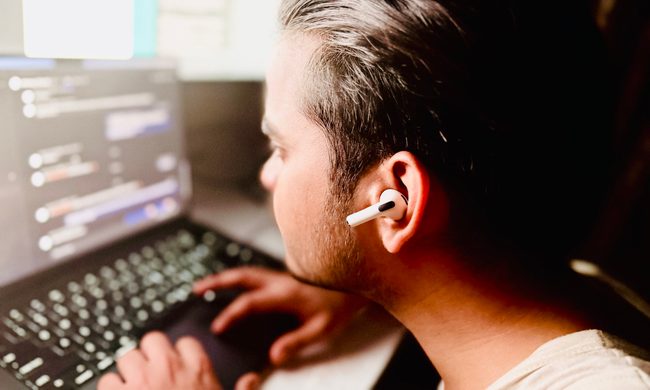
A few weeks ago, I wrote about an app that looks at you through the Mac’s webcam, and as soon as it detects a slouching posture, it sends a notification. The app even logs all the instances and provides a daily posture score. It was an open-source app, but soon after it was shared on Reddit by the creator, a huge chunk of fellow Reddit lurkers started asking about how it processes and stores data. Those were existentially valid queries.
After all, you are giving an app access to the camera, which can monitor you and the world around you in real-time. Is there a backdoor that allows a bad actor to take a sneak peek? What else is the app logging in the background, and how much of the audio-visual stream is being relayed or stored on an external cloud server? Thankfully, the app works fully online, and all the processing happens locally on my Mac. But the sense of unease prevailed.
Fitbit is becoming Google Health, and it’s getting a bunch of wellness upgrades
Google is finally treating health tracking as a platform play, pulling in medical records, third-party fitness data, and AI coaching in a way that Fitbit's standalone app was never built to handle.
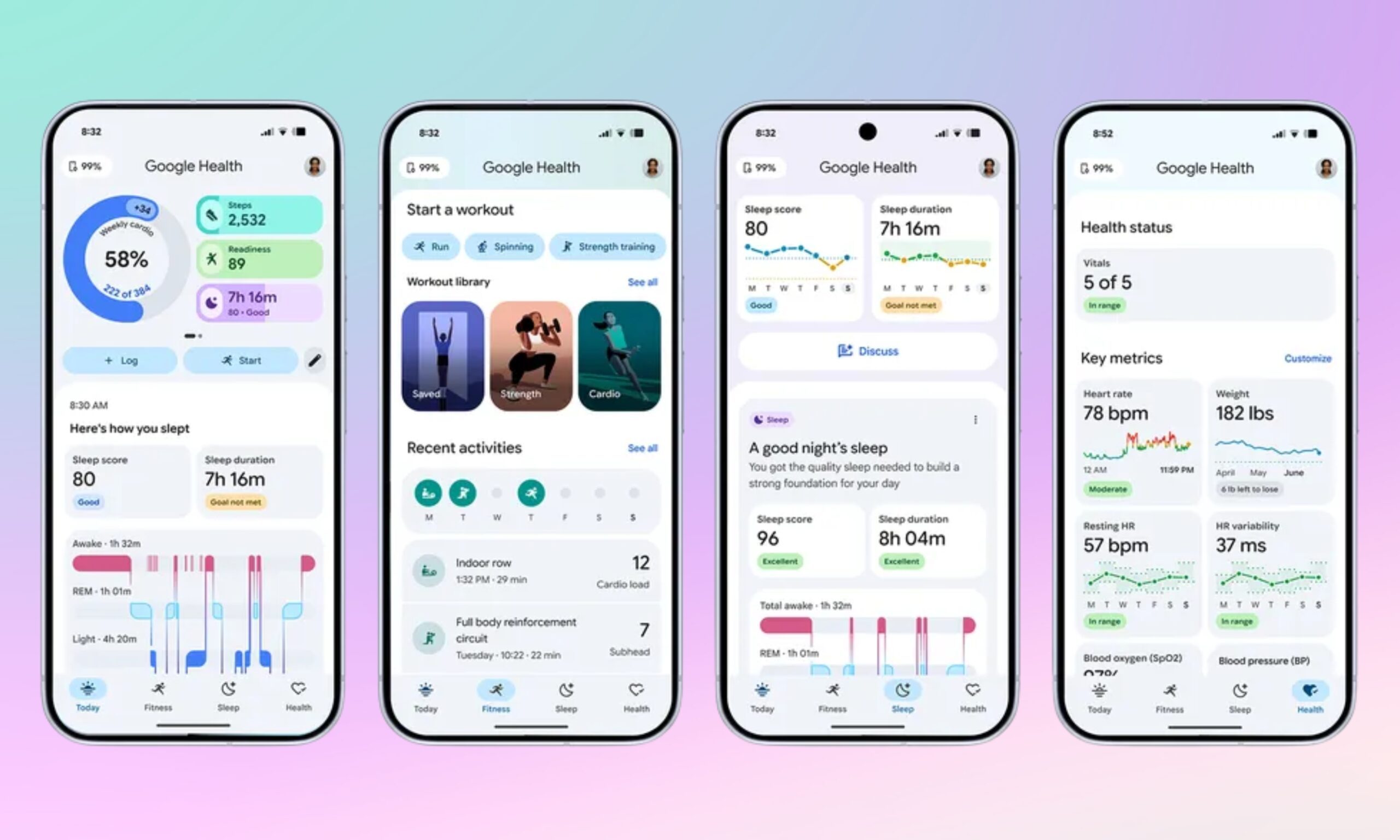
Google is officially pulling the plug on the Fitbit app, replacing it with the new Google Health app on May 19, 2026. It is quite ironic, as the company just announced a new Fitbit Air screenless fitness tracker, but the change will take place via an OTA update.
This is happening after Fitbit’s fifteen-year run, wherein it gathered millions of fitness-focused users and provided them with various health trackers and meaningful insights via its software.
Your coworker’s AI-built app might be leaking company secrets
Thousands of AI-built apps are spilling secrets online

AI coding tools have made it ridiculously easy to build a web app, and it only takes a few minutes to set up now. This ease has lowered the barrier to app development, which is causing a new set of issues. So what happens when these AI-made apps go live without anyone checking the locks? You get secrets spilling out all over the internet.
A WIRED report highlights a major security problem around so-called “vibe-coded” apps, which are built using AI development platforms such as Lovable, Replit, Base44, and Netlify.








/cdn.vox-cdn.com/uploads/chorus_asset/file/25830987/2193093662.jpg)


/cdn.vox-cdn.com/uploads/chorus_asset/file/25837404/IMG_6678.jpg)