Croatian flavours: Sea-to-table dishes, rich traditions and diverse cuisine with a local twist
From just-caught sea food, to delicious street eats and local fayre, enjoy a culinary tour of Croatia
 Tekef
Tekef

Croatia’s natural larder is impressive enough – the bounty of the Adriatic Sea, fertile valleys of orchards, olive groves and vineyards, forests teeming with delectable flavours. Add the culinary legacies of ancient Romans and Greeks, Venetians, Italians, Austrians, Hungarians and Ottoman Turks – plus a dedication to seasonality and tradition – and you have all the ingredients for an irresistible cuisine.
Sensational seafood
Wander round the marble slabs in Split’s fish market and you’ll see what ends up on your plate. When the quality is this good, Croatians like to keep it simple – just grill seabass, bream, John Dory, mackerel or sardines over charcoal with some excellent Croatian olive oil and tuck in. For a true taste of the Adriatic, order a side dish of blitva s krumpirom – a seemingly straightforward dish of chard, potatoes, garlic and more of that superb olive oil, but somehow the combination creates something quite special.
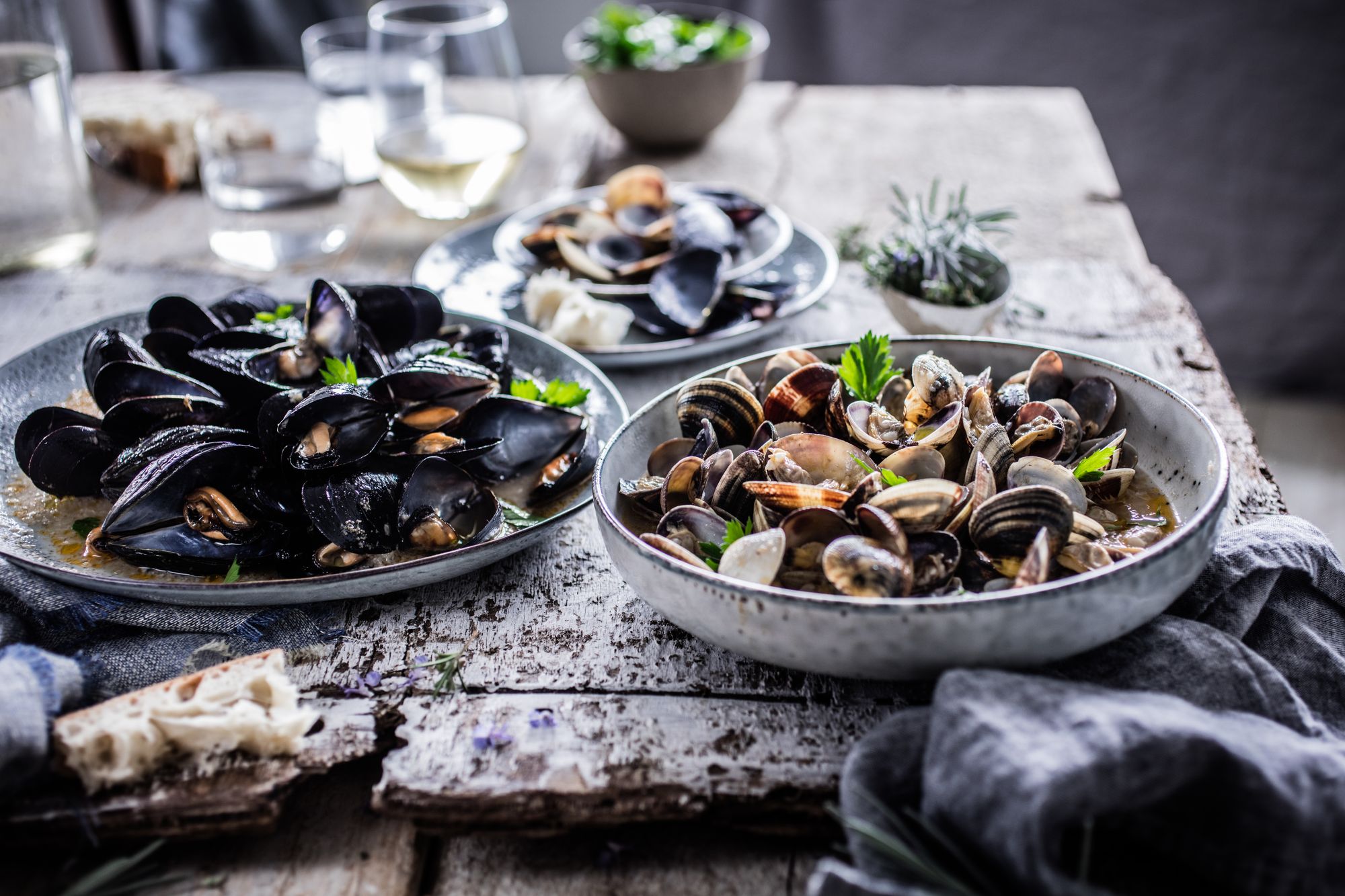
Look out for mussels cooked “buzara” style in plenty of garlic, white wine, parsley and sometimes tomatoes. If you see a menu offering oysters from Mali Ston in southern Dalmatia’s Pelješac peninsula, don’t miss this chance to savour some of the best in Europe. In fact, you’ll see local specialities wherever you go. The island of Hvar is known for its aromatic fish stew called gregada, which is said to go back to Illyrian times. All the ingredients a typical fisherman would have to hand – meaty white fish, garlic, onions, potatoes, white wine and olive oil – go into this staple of island cuisine.
Go further north to the Kvarner region, which is 2026’s European Region of Gastronomy, and you’ll find a local langoustine they call škampi – one of the sweetest-tasting crustaceans you’ll ever come across.
Traditional dishes
The island of Vis, tiny as it is, takes hyper-local to another level. They make a savoury pie called pogača in a focaccia-like bread which is stuffed with salted anchovies or sardines, caramelised onions and olive oil. But even on this small island, there are variations. Go to Vis Town for classic viška pogača or over to Komiža for komiška pogača which adds a bit of sweetness with locally grown tomatoes. We have the ancient Greeks to thank for this tasty snack, which they brought with them when they founded Vis back in 397BC.
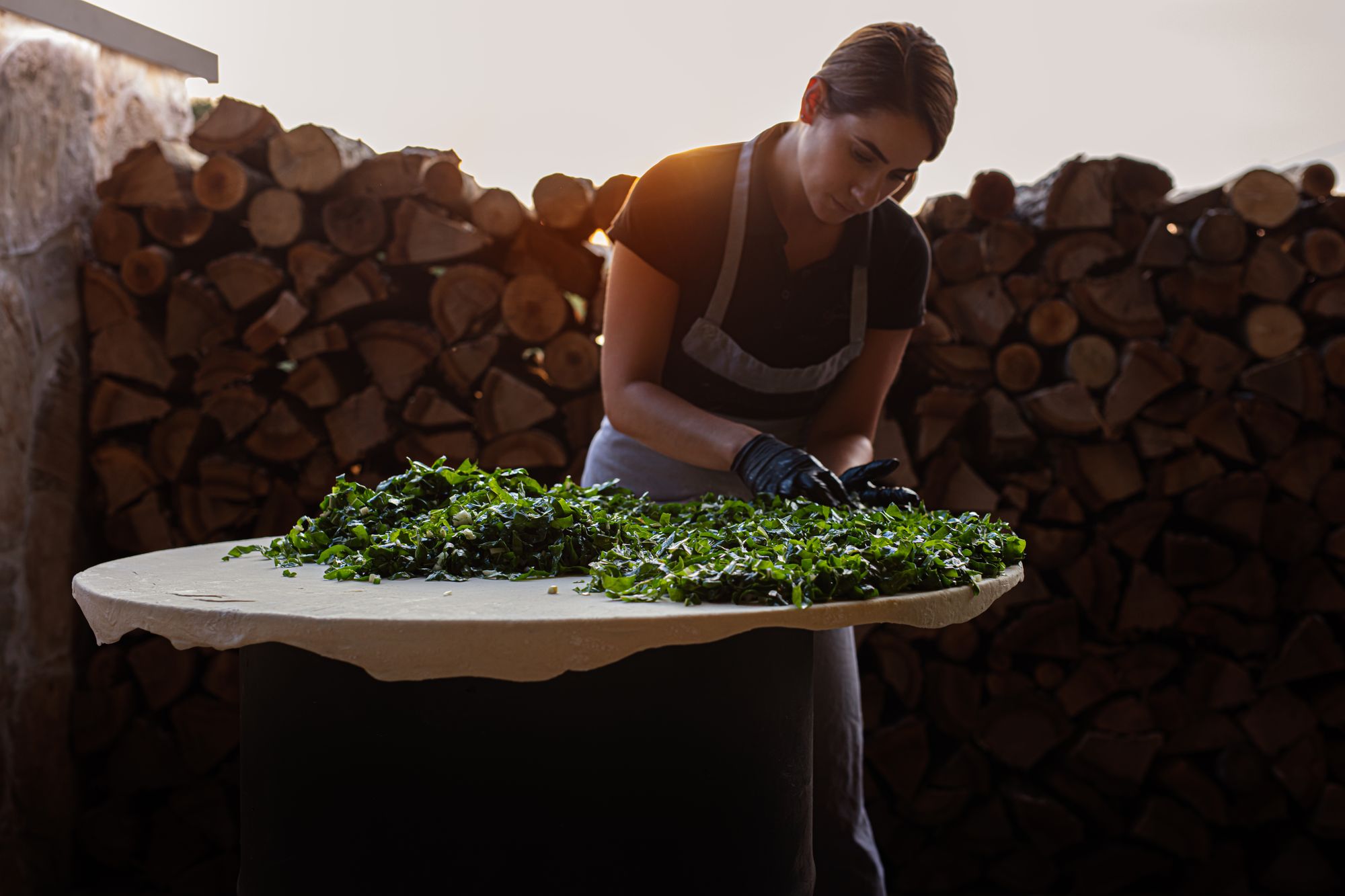
Chard comes together with onions, garlic and olive oil beautifully in a pastry snack called soparnik, which you’ll find in many parts of Dalmatia but originates in the hinterland Poljica region between Split and Omiš. Although it faintly resembles a pizza, the filling is sandwiched between two thin layers of pastry. It’s not just vegetarians who find this authentic taste of Dalmatia decidedly moreish.
Flavoursome eats
Plentiful seafood and mouthwatering vegetables and fruit you’ll see in Croatia’s food markets are just part of the story. Springtime means wild asparagus season, when everyone heads to the woods to forage these spindly spears that are packed with flavour. The ritual is as much a sign of spring as the sound of the first cuckoo.
Meat-lovers are equally spoilt for choice. Head into inland villages for long lunches in a traditional konoba (tavern) offering dishes cooked in a peka, which you might see on a menu as “baked under a bell”. That “bell” is a dome-shaped cast-iron pot filled with veal, lamb or octopus and their accompanying vegetables, then cooked slowly under embers for hours. It’s so succulent it just falls off the fork.
This same succulence is a trademark of another Dalmatian favourite, pašticada – slow-braised beef in wine and a sweetly sour sauce that makes the meat melt in the mouth. Usually served with homemade gnocchi, it’s one of the standout flavours of Dalmatia, whether served in a farm-to-table restaurant in the hinterland or a relaxed waterside konoba where the sea and salty air enhance the experience.
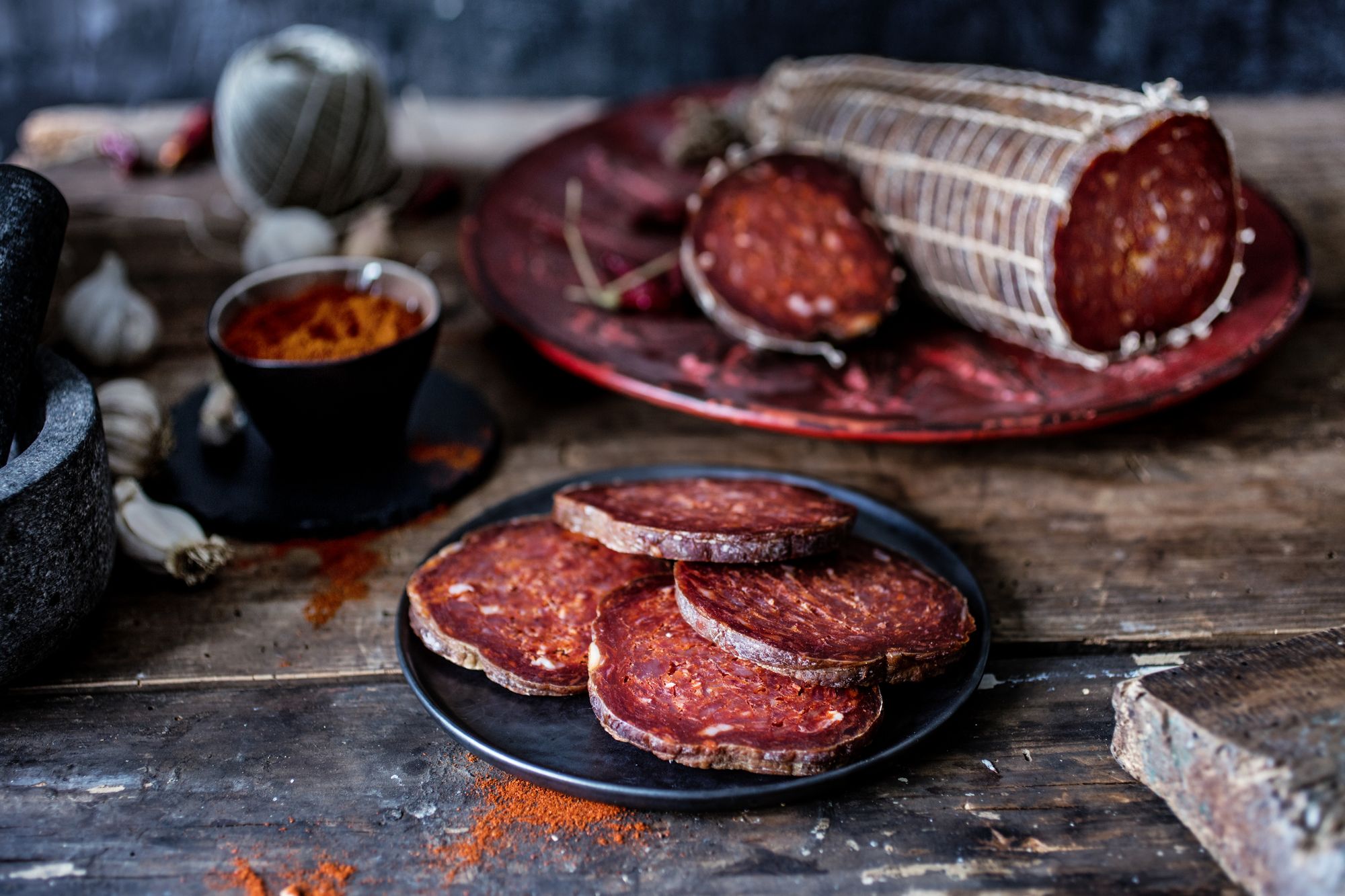
Charcuterie is another local speciality, with kulen a true must-try. This exquisite beechwood smoked salami is crafted from select pork cuts expertly seasoned with red paprika and garlic, creating a piquant flavour and distinctive aroma, achieved through months of meticulous smoking and air-drying.
Wine country
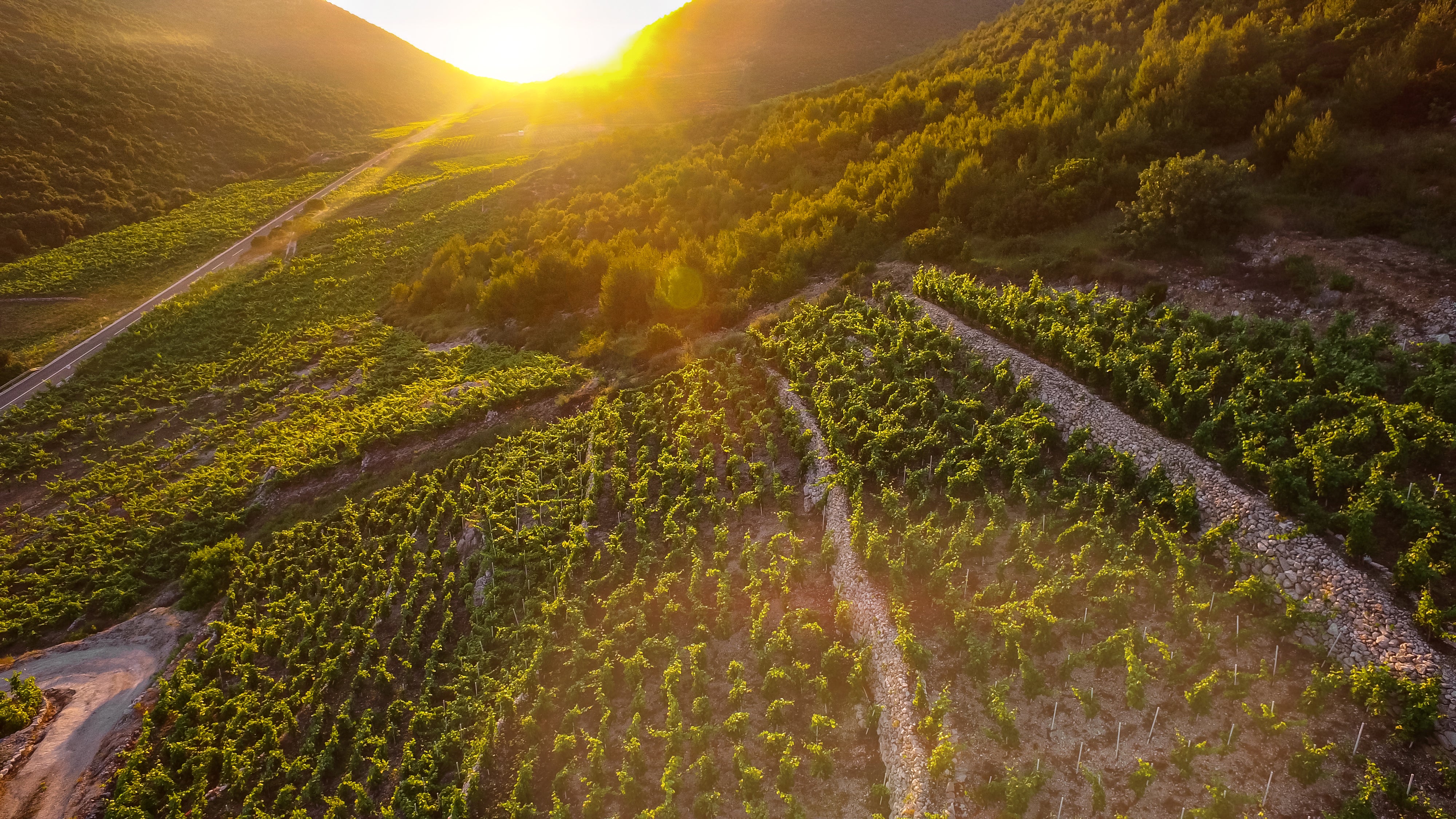
Croatia’s wine is just as fundamental as the food. Each region and island has its indigenous grape varieties, and many wineries also produce their own olive oil, so you can have two tastings at once. Try full-bodied dingač and plavac mali reds from the Pelješac peninsula, where vineyards cling tenaciously to hillsides. Taste white crisp grk and pošip from Korčula, or Hvar’s white bogdanuša, which literally translates as a gift from God.
Blending fresh flavours, sea air and long, leisurely meals enjoyed completely in the moment, Croatian cuisine provides a truly immersive slice of local life, culture and landscape combined – one well worth travelling for.
Dalmatia – a nearby getaway where safety meets spring beauty, just over two hours away from the UK by plane. For more travel inspiration and to plan your trip, visit Explore Croatia