Easter travel chaos predicted for air, rail, road and sea
A six-day shutdown on the Avanti West Coast begins on Good Friday
 Konoly
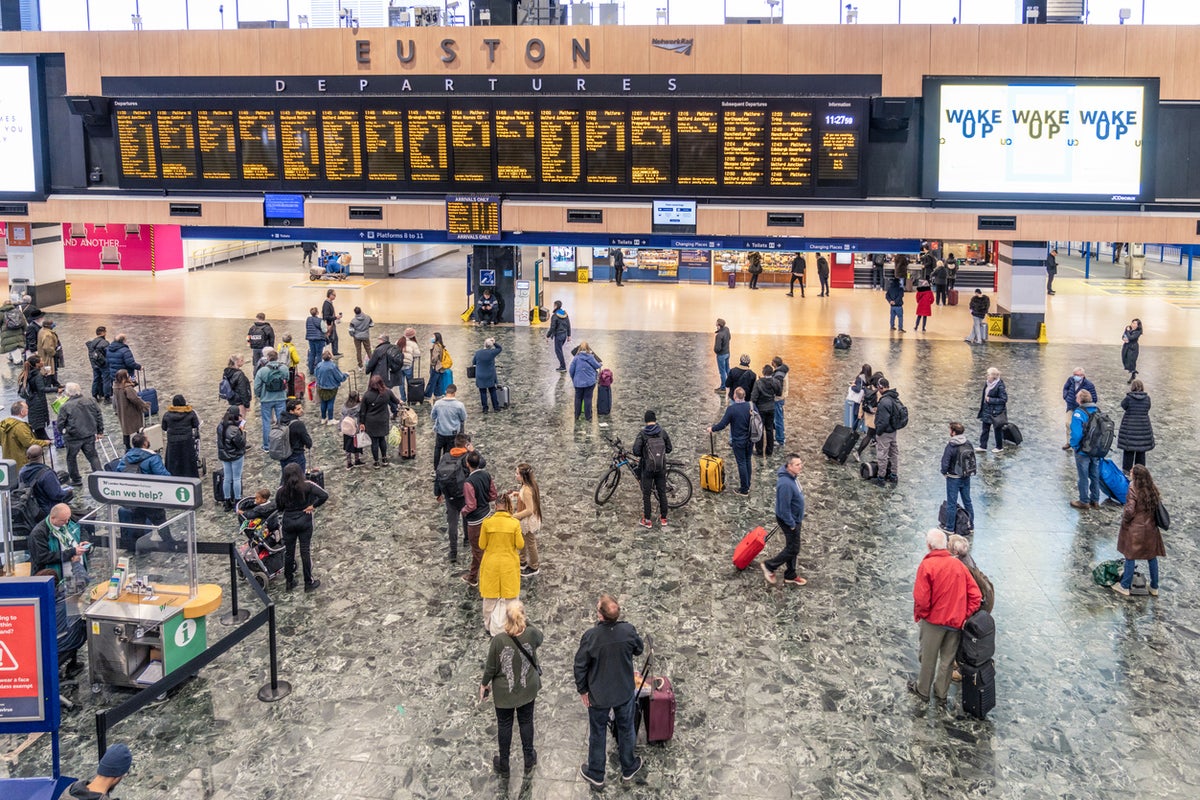
As the Easter 2026 travel rush gets under way, airline passengers to Europe have been warned to expect queues of two hours or more. In the UK, there will be delays on the railways, the roads and ferries.
The key aviation leaders in Europe – Olivier Jankovec, representing airports, and Ourania Georgoutsakou, representing airlines, have issued a joint statement warning: “Passengers entering the Schengen area are likely to wait even longer at border control during Easter due to the persisting operational challenges around the EU Entry-Exit System rollout.” They are demanding a suspension of the planned full roll-out of the system from Wednesday.
In addition, strikes are getting underway at key Spanish airports.
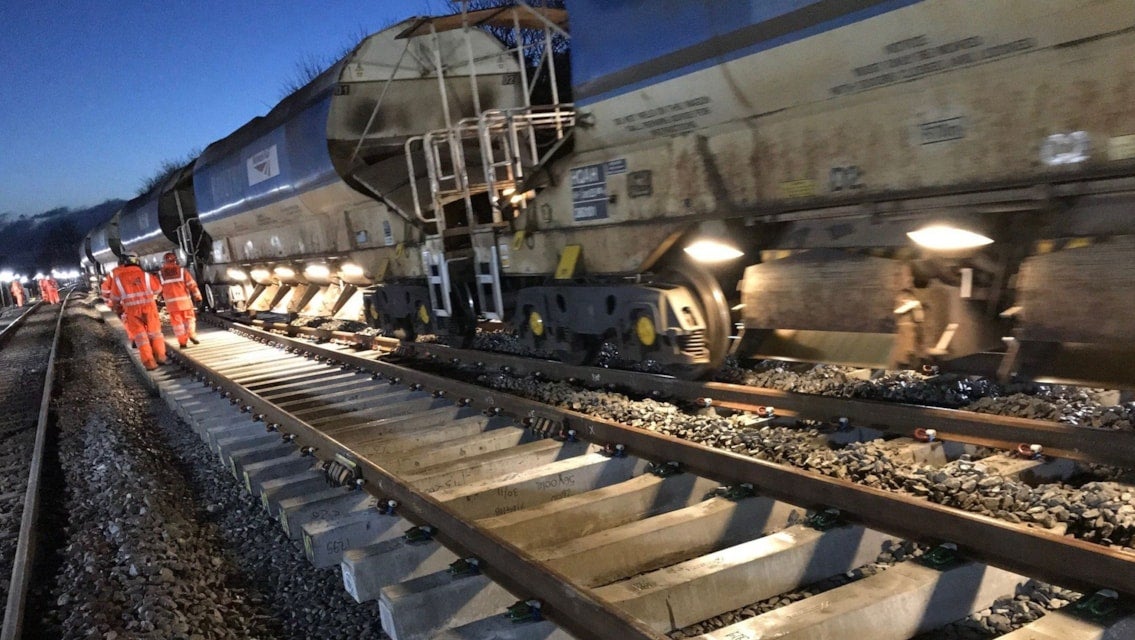
In the UK, many passengers face delays on the railways. Widespread engineering work is taking place on the rail network, including the closure of one of Britain’s busiest lines for six days from Good Friday, 3 April. The 50 miles between London Euston and Milton Keynes normally carry more than 100,000 passengers per day.
On the roads, leisure traffic is expected to be busiest on Maundy Thursday and Good Friday, with congestion also expected on Easter Monday. RAC mobile servicing and repairs team leader Sean Kimberlin said: “Leaving early in the morning is the best way to avoid the jams.”
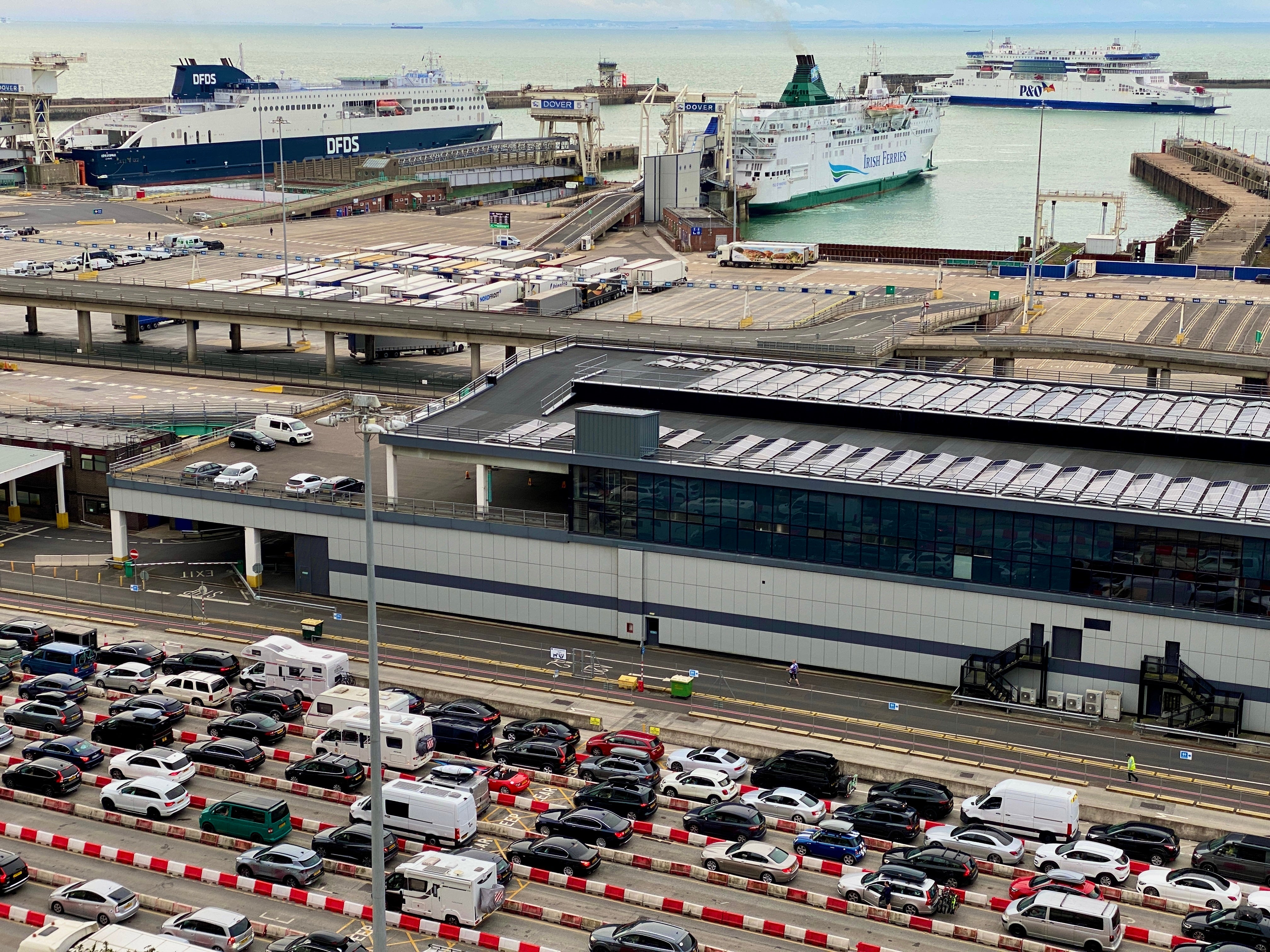
For ferry passengers sailing from Dover to Calais and Dunkirk, the morning of Good Friday is expected to see the peak of outbound traffic. Doug Bannister, chief executive of the Port of Dover, urged: “Stick to the main routes because that keeps the town of Dover clear for our residents and our businesses, but also it allows everybody to travel through more smoothly.”
Air
Some UK airports are expecting their busiest Easter on record, with easyJet expecting to carry more passengers than ever. But the main concern for travellers is the possible waiting time on entering the European Union and wider Schengen area due to the new EU entry-exit system (EES).
The roll-out of the much-delayed EES began in October 2025, with member states are expected to register all “third-country nationals” by the end of March. Evidence seen by The Independent indicates this deadline will not be met, due to technical difficulties.
But Olivier Jankovec, director general of the airports’ organisation ACI Europe, and Ourania Georgoutsakou, managing director of Airlines for Europe, warned: “The latest data collected from airports across Europe shows a continued deterioration in waiting times at border crossing points located in airports.
“Waiting times are now regularly reaching up to two hours at peak traffic times, with some airports reporting even longer queues.
“This comes despite the continued use by border control authorities of both the partial and full suspension of EES processes at most airports during travel peaks – measures which have proven essential to mitigating queuing times and maintaining operational continuity.”
The two aviation leaders said: “We reiterate our call on the European Commission and member states to extend the possibility to fully or partially suspend EES – where operationally necessary – during the entirety of the 2026 summer season. This flexibility has proven vital in preventing catastrophic operational disruptions during the progressive rollout of the system.
“The combination of full registration requirements and reduced operational flexibility is expected to place unprecedented strain on border control operations.”
They warn of:
Airports and airlines are calling for flexibility to remain available as far ahead as next winter.
The European Commission insists: “The automated border processes, before reaching the passport control officer, will help to gradually reduce queues. Automation replaces time-consuming manual checks.”
In addition, airline passengers heading for Spain could face industrial action by ground staff at 12 major airports, including Madrid, Barcelona, Alicante, Palma, Ibiza, Malaga and the Canary Islands.

Read more: Everything you need to know about the new EU Entry-Exist System
Rail
London to northwest England and southern Scotland
The key link from the West Coast Main Line hub at London Euston will close on Good Friday, 3 April, and will not reopen until the morning of Thursday 9 April.
During that six-day spell, a reduced Avanti West Coast service to and from the West Midlands, northwest England, North Wales and southern Scotland will operate from Milton Keynes Central, 50 miles northwest of the capital.
London Northwestern services are also affected.
Rail replacement buses will run between Milton Keynes Central and Bedford from where passengers can use Thameslink and East Midlands Railway to and from London St Pancras International.
London Northwestern services are also affected. Chiltern Railways has promised extra trains between London and Birmingham, connecting Marylebone station in the capital with Birmingham Moor Street.
Further north, the West Coast Main Line will close on Easter Saturday between Preston and Oxenholme, the station for the Lake District; and between Carlisle and both Edinburgh and Glasgow.
The now-familiar nonstop service will run between Preston and Carlisle, using the scenic Settle & Carlisle line. On other parts of the journey, rail replacement buses will run.
Easter Sunday is the most disrupted day, with work extending to the stretch between Warrington Bank Quay and Wigan North Western.
The normal three-hour journey time between London Euston and Penrith in Cumbria will extend to around seven hours, departing from London King's Cross or St Pancras International and changing at least four times.
By Easter Monday the closures reduce to London-Milton Keynes and Carlisle-Edinburgh/Glasgow.
Northern, TransPennine Express and ScotRail services are also affected.
Caledonian Sleeper trains to Edinburgh, Fort William, Glasgow and Inverness will run to and from London King's Cross, and the Aberdeen service will not operate.
Further large-scale disruption will happen over the early May bank holiday weekend.
London-Southampton
On the South Western Railway main line from London Waterloo, buses replace trains between Winchester and Southampton over all four days of the bank holiday. In addition, work between Waterloo and Clapham Junction will reduce the number of trains. On many routes services will start and end at Clapham Junction rather than Waterloo.
London-Devon and Cornwall
From 6pm on Good Friday until 6am on Easter Monday, the Great Western London-Exeter-Penzance main line will be closed between Westbury and Taunton. Trains will be re-routed via Bristol Temple Meads, adding an extra half-hour to journey times.
London-Heathrow airport
Services on the Heathrow Express and Elizabeth line will be reduced on Easter Sunday.
Kent
The line from Herne Bay via Margate to Ramsgate will close for the full four days. On Saturday and Sunday, the main line from Orpington to Tunbridge will close. On Easter Sunday, it is the turn of the Ashford International to Dover Priory line. Rail replacement buses will run.
East Sussex
Buses replace trains between Eastbourne and Hastings all weekend.
Cambridge-King’s Lynn
Buses will replace trains. To cover the whole journey, passengers will be expected to take three separate buses, changing at Ely and Downham Market. The trip will take three times longer than the normal 50-minute journey.
Yorkshire
The lines linking Leeds with York via Garforth, and Huddersfield with Lockwood, are both closed on Easter Saturday and Sunday. Rail replacement buses will run, and TransPennine Express trains will run via Castleford rather than Huddersfield.
Road
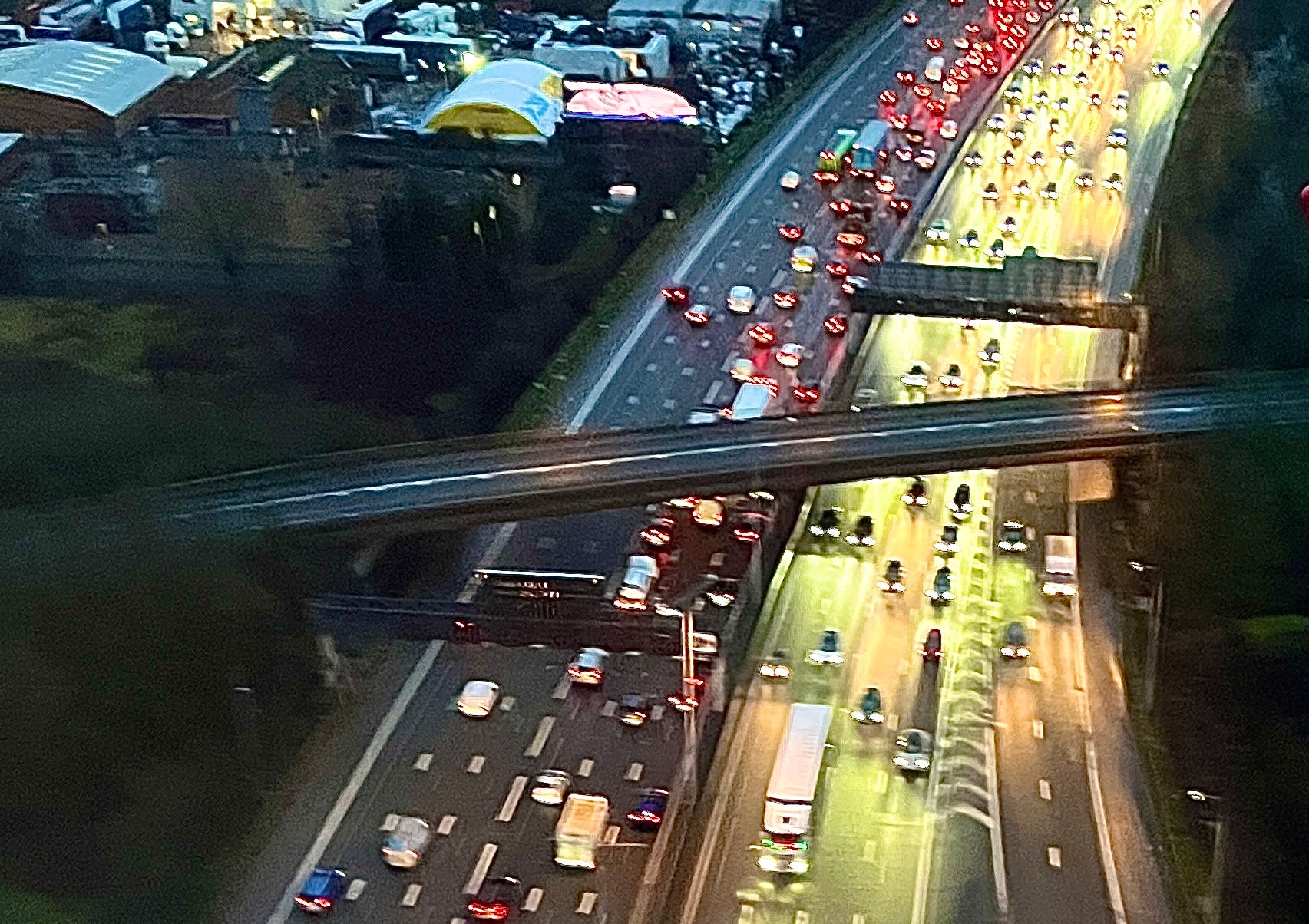
National Highways plans to lift 1,500 miles of roadworks from its network of motorways and major A-roads in England between Thursday and Easter Monday.
The RAC says Easter 2026 will be the busiest on the roads since 2022 – when travel surged after all Covid restrictions were lifted. The motoring organisation says most drivers are undeterred by the rising price of fuel caused by the conflict in the Middle East. It calculates that filling a typical diesel family car this Easter will cost at least £19 more than in 2025, with a tank of petrol nearly £8 dearer. Only six per cent expect to drive shorter distances and another six per cent say they won’t drive at all, as a direct result of the higher prices.
Thursday 2 April
The AA says Maundy Thursday will be the busiest day of the Easter spell, as getaway traffic coincides with regular commuters and trucks. The RAC says the worst troublespots are predicted to be on the M25 between the M4/Heathrow area and the M1 junction in mid-afternoon. The Prince of Wales Bridge over the Severn from England to Wales could see delays of 75 minutes in the evening of Maundy Thursday.
Good Friday
Heavy traffic is predicted from 10am-7pm, with the northwestern quadrant of the M25 again busy mid-morning. Delays on the M5 southbound from the M4 north of Bristol to Bridgwater could reach nearly an hour at lunchtime, the RAC predicts.
Easter Saturday
Traffic will be at its busiest between 10am and midday. In the Midlands, the M40 northbound between the Gaydon Interchange in Warwickshire and the M42 junction is predicted to see delays of almost an hour. The AA says the optimum time to travel is after 3pm.
Easter Monday
The southwest is predicted to see the longest delays as motorists return from Easter trips from Devon and Cornwall. Delays of over an hour are expected around noon on the M5 northbound between Taunton and the M4 north of Bristol. The M25 clockwise between Heathrow and the M1 will see long queues in late afternoon.
Ferry/Eurotunnel
East Kent will see the heaviest traffic for motorists leaving the UK from Dover by ferry and from Folkestone on Eurotunnel’s LeShuttle.
National Highways’ traffic contraflow system, “Operation Brock”, will be in place for a week from Wednesday 1 April, with lorries travelling to Dover being directed to a specific lane at Junction 8 of the M20.
The Port of Dover CEO, Doug Bannister, told The Independent that Good Friday between 5am and 2pm is expected to be the busiest spell for motorists. But, he said: “Turn up by no more than two hours before your sailing, have your passports out as you’re approaching [French] passport control and we will get through as quickly as possible.
“We’ve been working closely with French authorities and they have responded really well to give us what we need to have a smooth Easter period.”
“Make sure that you got some snacks and some entertainment for the kids and some water.”
Fears that the new EU entry-exit system could cause hold-ups at the Kent gateways have subsided, with neither Dover nor Folkestone implementing biometric checks for motorists and passengers.
Read more: ‘Dublin dodge’ offers risk-free route to UK for dual nationals