How to avoid the crowds at Iceland’s most popular destinations
It is ten in the morning at Seljalandsfoss, and the car park is full. Coaches are arriving in sequence.... The post How to avoid the crowds at Iceland’s most popular destinations appeared first on A Luxury Travel Blog.
 Astrong
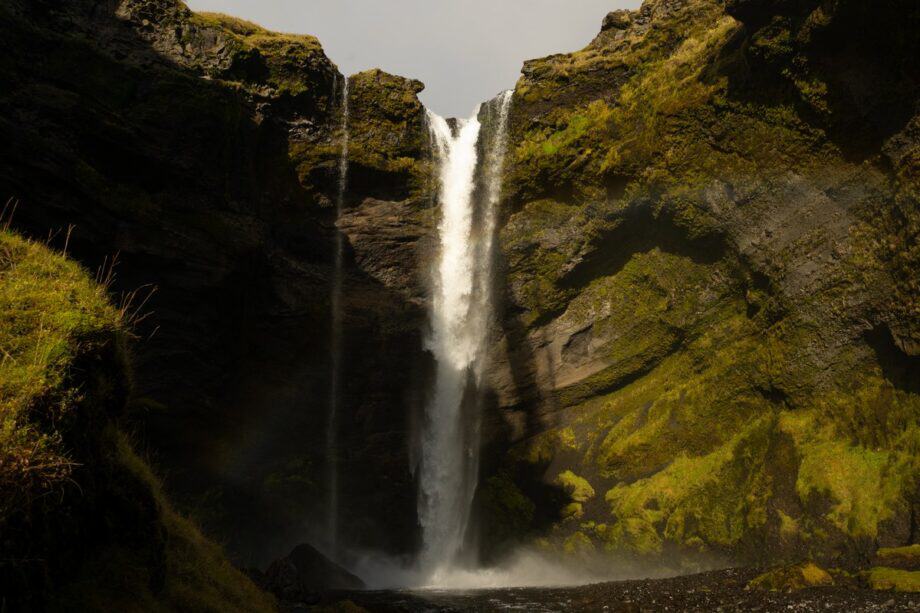
It is ten in the morning at Seljalandsfoss, and the car park is full. Coaches are arriving in sequence. A queue has formed along the path that leads behind the waterfall — the shot everyone came for — and the mist rising off the cascade has turned the ground into a mud slick that claims at least one pair of white trainers every few minutes.
Two hours later, I am standing with my clients at the base of a waterfall twice as tall, in a canyon so quiet we can hear the wind change direction above us. There is no big car park. No queue. No coaches. Just the sound of water hitting rock and the occasional cry of a fulmar nesting on the cliff face. This is what a private tour with Lilja Tours looks like.
This is the reality of Iceland in summer. The famous stops are famous for a reason — and they are crowded for the same reason. But the country is generous with its beauty, and it rewards those who know where — and when — to look.
The timing problem most visitors create for themselves
Iceland’s most visited sites — the Golden Circle, the South Coast waterfalls, Reynisfjara black sand beach, the glacier lagoon at Jökulsárlón — share a common rhythm. Tour buses begin arriving around nine or ten in the morning. The peak lasts until about four in the afternoon. By six, the crowds thin. By eight, you might have the place nearly to yourself.
In a country where summer daylight stretches past midnight, visiting a waterfall at nine in the evening is not a compromise. It is an upgrade. The light is warmer. The shadows are longer. The spray catches golden tones that midday sun never produces. And the solitude transforms the experience from a photo opportunity into something approaching reverence.
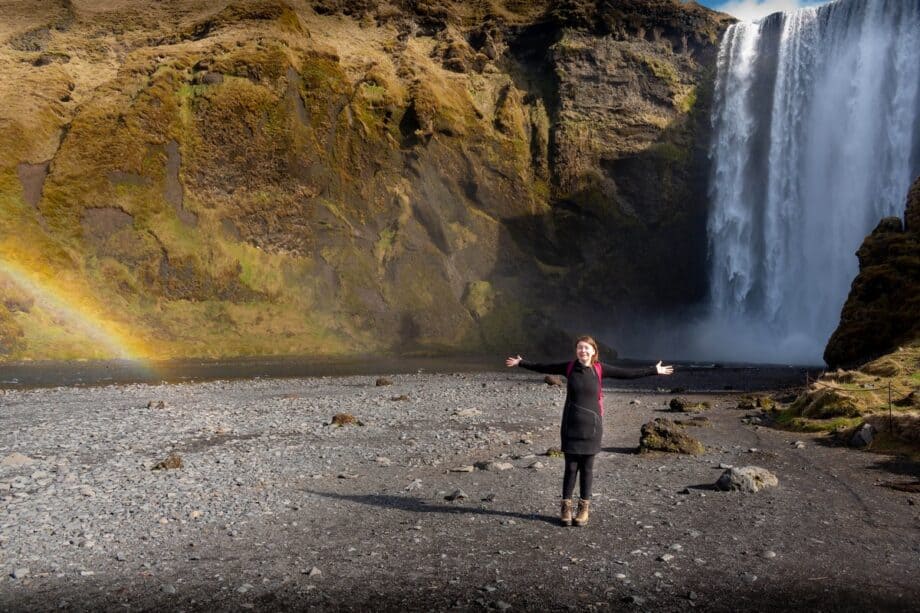
The same principle applies in winter. With only four to five hours of daylight in December, most visitors cluster their activities around the same narrow window. Arrive thirty minutes before the crowds, and you experience a different Iceland entirely with the pre-dawn blue hour.
Timing is the single most powerful tool for avoiding crowds. It costs nothing, requires no special access, and dramatically improves the quality of both the experience and the photographs.
The routes no one takes
Iceland’s tourism infrastructure funnels visitors along well-established corridors. The Golden Circle. Route 1 along the South Coast. The short loop around the Snæfellsnes Peninsula. These routes are popular because they are accessible and spectacular — but they represent a tiny fraction of what the country has to offer.
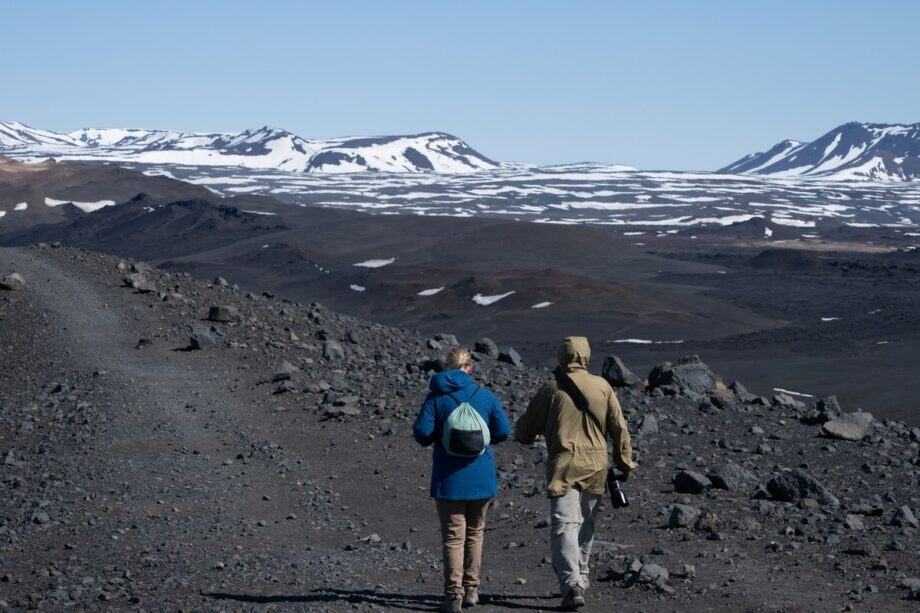
Consider the Silver Circle. This route threads through the geothermal valleys and volcanic landscapes east of Borgarnes, passing steaming fumaroles, historical sites, various spas and one of the largest lava caves in the world. It pairs perfectly with an exploration of the Snæfellsnes Peninsula as a two day itinerary. And on a busy summer day, you might encounter a dozen people across the entire route if you explore at the right time.
The point is broader than one route. Iceland is full of parallel alternatives to its famous attractions — places that deliver the same emotional impact without the crowds, if you know where to find them.
The Westfjords remain almost entirely untouched by mass tourism, despite containing some of the most dramatic coastal scenery in Europe. The eastern fjords move at a pace that feels like Iceland did two decades ago. The interior Highlands — accessible only in summer via serious four-wheel-drive tracks — offer volcanic landscapes so vast and empty they make every other destination feel domestic by comparison.
The private advantage
There is a reason luxury travelers are increasingly choosing private guided experiences over self-drive itineraries in Iceland, and it is not simply comfort — although arriving at each destination in a Mercedes rather than a compact rental has its merits.
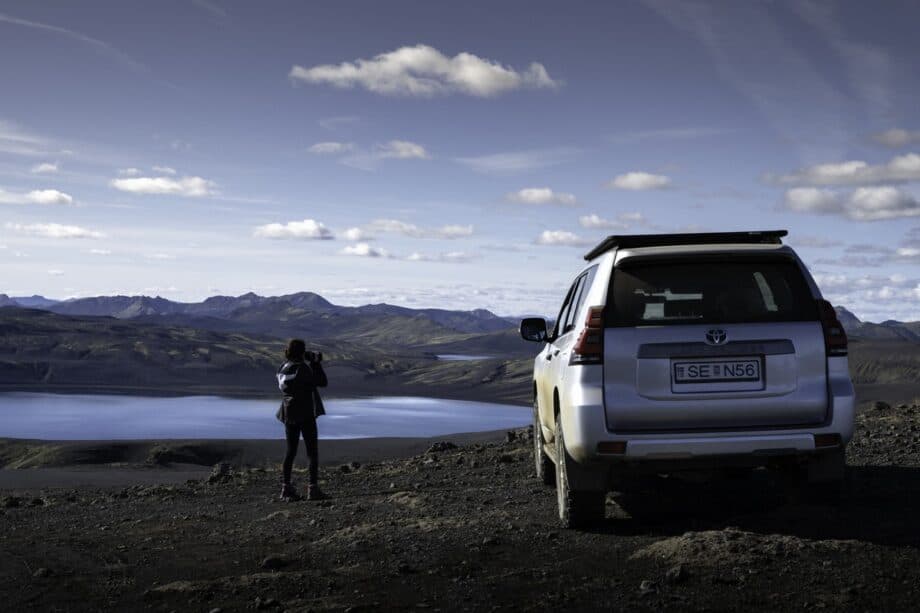
The real advantage is intelligence. A private guide who drives these routes every week knows that Skógafoss is best at seven in the morning, that Reynisfjara is safest and most atmospheric in the late afternoon, that the glacier lagoon is calmest and most photogenic at the edges of the day when the tour boats have stopped running. This kind of granular timing knowledge cannot be replicated by a guidebook or an app. It is accumulated through seasons of daily observation.
A guide also knows the alternatives. When the car park at Seljalandsfoss is overflowing, there is a waterfall fifteen minutes away that is equally impressive and empty. When the Golden Circle is at peak saturation, a detour onto a highland road between two glaciers delivers a drive so striking that clients regularly tell me it was the highlight of their trip — and they had never heard of it before that morning.
This is not about avoiding Iceland’s greatest hits. It is about experiencing them on terms that match the quality of the landscape — without the crowds diminishing what makes them extraordinary.
Everything you need to plan your trip in 2026
The seasonal shift
The most elegant way to avoid crowds is to visit when they are not there.
September is perhaps Iceland’s best-kept secret. The summer tour buses have departed. The landscape is draped in autumn colours — russet, amber, deep green — that most visitors never see because they associate Iceland exclusively with the June-to-August window. The Northern Lights return. Daylight is still generous at fourteen to sixteen hours. And the availability of premium accommodation, which requires months of advance booking in July, opens up considerably.
October extends this advantage further, with shorter days creating the dramatic low-angle light that defines Iceland’s visual identity. November through February brings the full winter experience — Northern Lights, ice caves, snow-covered volcanic terrain — with a fraction of the visitors.
Even within peak season, the first two weeks of June and the last two weeks of August are noticeably quieter than the July crush. The midnight sun is present throughout, but the crowds are not.
Silence as a luxury
There is a growing recognition among discerning travelers that silence — genuine, uninterrupted immersion in a landscape — is the rarest luxury of all. Iceland, despite its rising popularity, still offers this in abundance. The country is roughly the size of England with a population smaller than most London boroughs. Step off the established routes, adjust your timing, or travel with someone who knows where the quiet places are, and you will find yourself in landscapes where the only sound is wind, water, and the occasional bird.
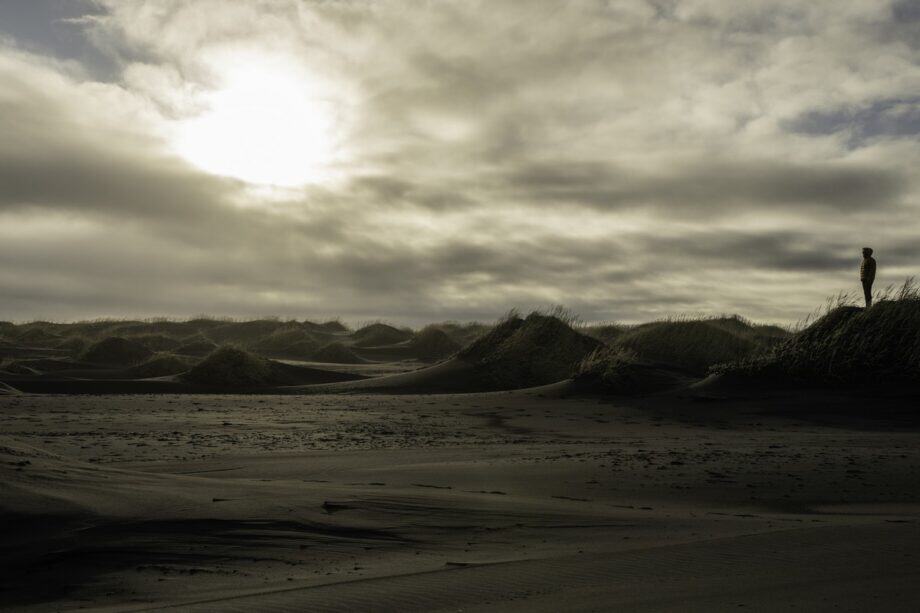
That moment at the base of the unnamed waterfall — the one that is twice as tall as Seljalandsfoss, in a canyon so still you can hear the wind shift above you — is not a rare occurrence on a well-planned private tour in Iceland. It is a Tuesday.
The crowds are real. But so is the silence. Knowing where to find it is simply a matter of who is guiding you there.

Julien Achache
Julien Achache is Owner of Lilja Tours. Lilja Tours is a boutique private tour operator based in Reykjavík, Iceland, specializing in bespoke private tours with a perfect 5-star rating across platforms. If you would like to be a guest blogger on A Luxury Travel Blog in order to raise your profile, please contact us.
Did you enjoy this article?
Receive similar content direct to your inbox.




















.jpg&h=630&w=1200&q=100&v=c0f97a310e&c=1)