Microsoft just found another way to make PCs more expensive, because apparently they weren’t pricey enough
PC prices are climbing again. Microsoft just hiked Windows licensing fees by up to 10%, and it's stacking right on top of pricier memory and CPUs.
 Tekef
Tekef
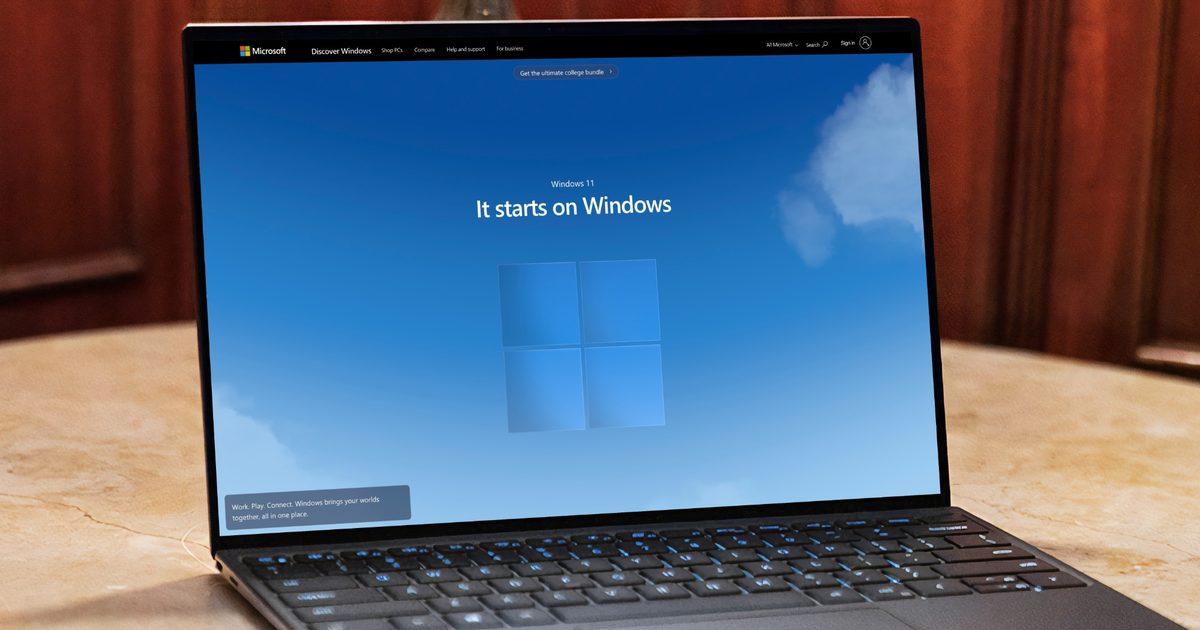
Between pricier chips and now pricier Windows licenses, maybe it really is time to give Linux a shot.
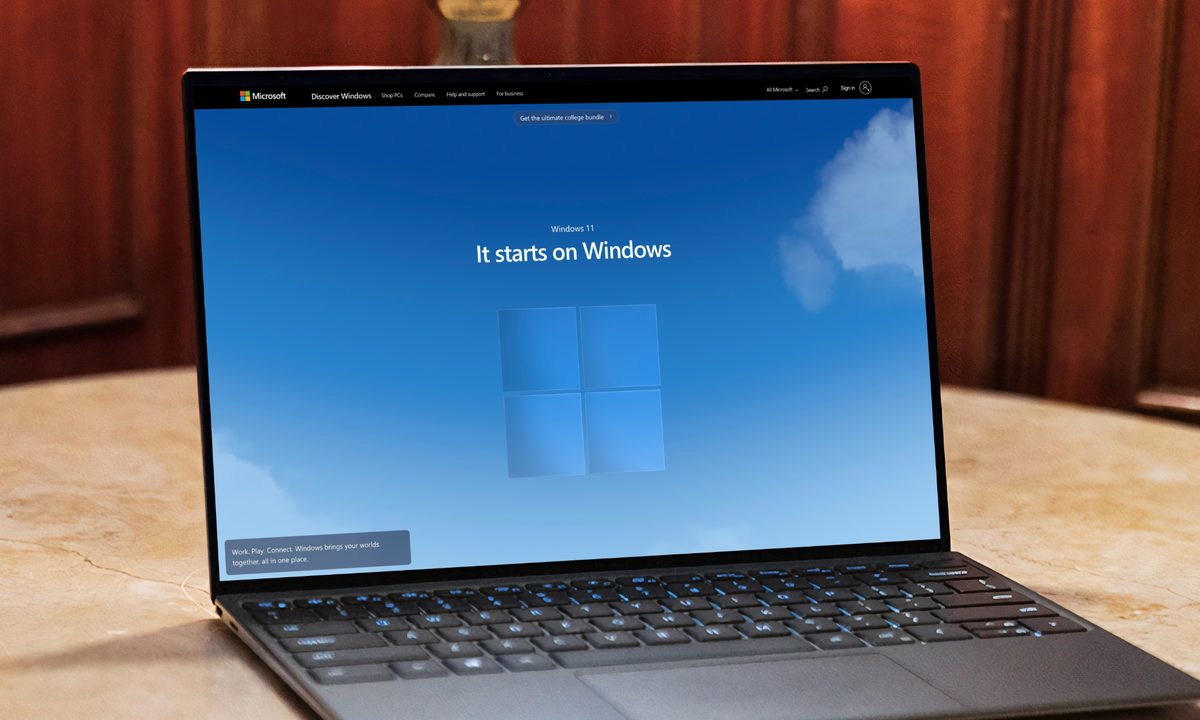 Rachit Agarwal / Digital Trends
PC buyers are getting squeezed from every side this year, and it is not just memory and chips driving up the cost of your next computer. According to a Taiwanese publication, United Daily News, Microsoft has quietly raised its Windows OEM licensing fees, and the hike is steeper than usual.
This could make PC prices climb another 5% this quarter. As if the AI-fueled RAM and chipset crisis was not enough, PC buyers are getting another price hike, and the sad part is that they won’t even get anything extra for it.
How much more is Microsoft charging PC brands?
According to a PC brand executive, Microsoft bumps up its Windows OEM licensing fees every year, but the increases have usually stayed in the low single digits. That changed in July. This year’s hikes are landing between 7% and 10%, a noticeably bigger jump than brands are used to.
 Wikimedia Commons
The pricing is also not flat across the board. Microsoft charges OEMs based on the CPU tier inside the machine, so a laptop with an i7 chip pays more in licensing fees than one with an i3 or i5.
Here is the interesting part. Brands say most people have not noticed this specific cost jump, and it is easy to see why. Component prices, especially memory, have already climbed so fast this year that one more increase just blends into the noise.
How much more expensive have PCs already gotten?
Since last year, demand for memory, SSDs, and CPUs has been surging, and prices have shot up along with it. Memory alone makes a big chunk of what a new PC costs today, and it is the main reason prices keep climbing.
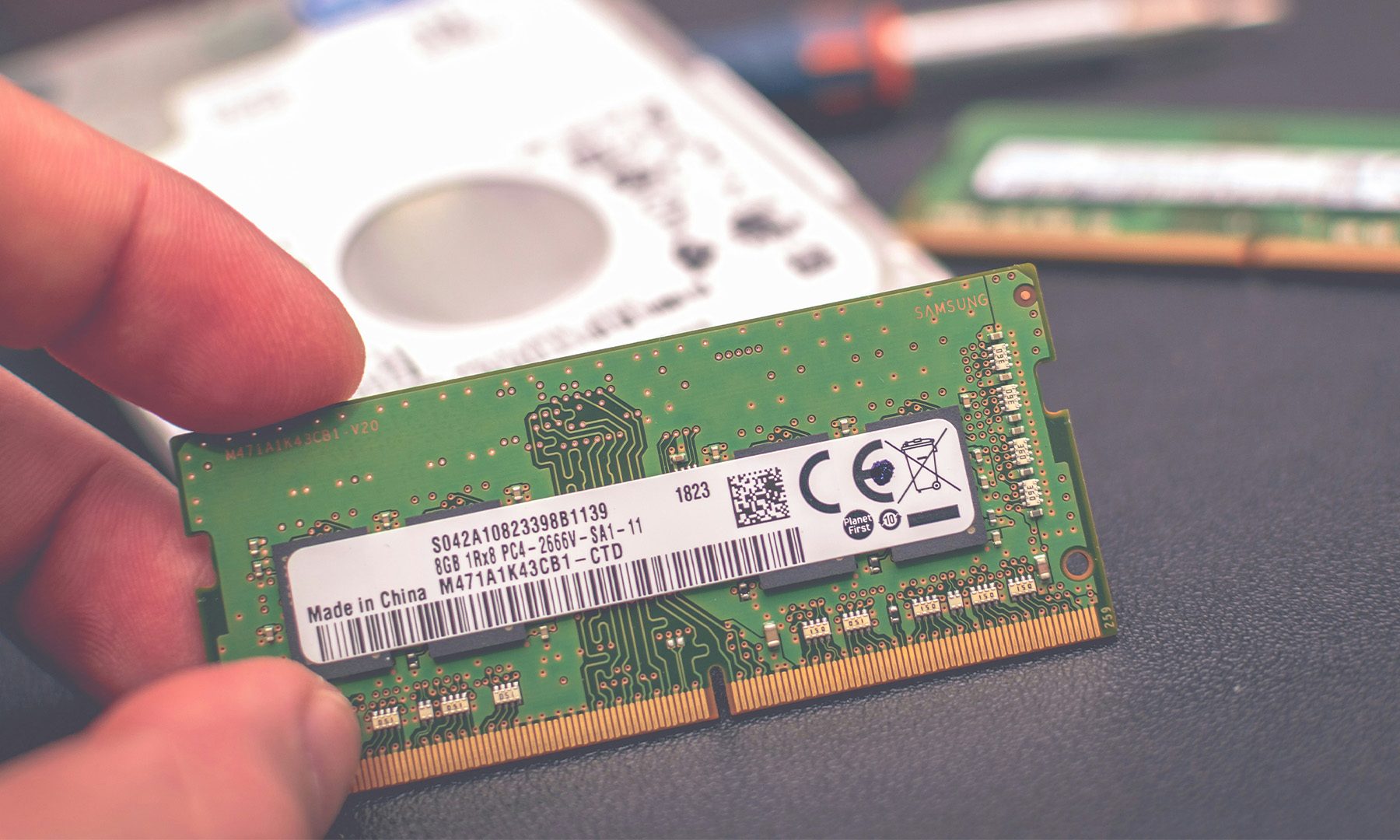 Heliberto Arias / Unsplash
In Taiwan, ASUS and Acer have both confirmed another round of price hikes this quarter, roughly 5%. ASUS shared an especially eye-opening number too. Compared to the fourth quarter of last year, some of its products are now selling for almost 30% more.
None of this is helping PC sales either. Counterpoint Research expects global shipments to land around 65 million units in the second quarter of 2026, down 4% year over year, and the first decline since early 2025. AI PCs and the Windows migration cycle are still pushing some upgrades, but rising costs are working against that demand.

Rachit is a seasoned tech journalist with over ten years of experience covering the consumer technology landscape.
Google is testing an AI-first homepage, and the Search button is reportedly taking a back seat
A quietly spotted redesign shows Google testing life without its own Search button.

For years, the Search button has been an integral part of the Google Search experience. However, right now, typing "google.com" into a browser is reportedly bringing up a new simplified layout that doesn’t include the Search button anymore (for a select group of signed-out users).
It appears that the search giant is testing a new, AI-first layout with three dedicated buttons, which are new for traditional Google Search users, but familiar for those who use the Gemini chatbot on a regular basis.
The FCC wants to ban some drones it already approved. Yeah, this is getting complicated.
FCC considers expanding drone restrictions to previously approved DJI models

The US Federal Communications Commission is considering a move that could make things pretty awkward for drone buyers. The agency wants to expand its existing restrictions to cover certain drones with features such as LiDAR sensing, thermal imaging, and aerosol-dispersing systems. The weird part? Some of these drones were already approved for sale in the US.
In a report by DJI's own blog, this new development puts several DJI models in the spotlight, including the Air 3S, Avata 360, and Mini 5 Pro. Under the proposal, these drones could potentially be pulled from the US market, even though the FCC had previously cleared them. And no, if you already own one, the government isn't coming to take it away.
Hoy combines AirDrop, Loom, and voice messages in the Mac menu bar
The pre-release app lets Mac users send files, voice notes, and screen recordings without bouncing between separate tools
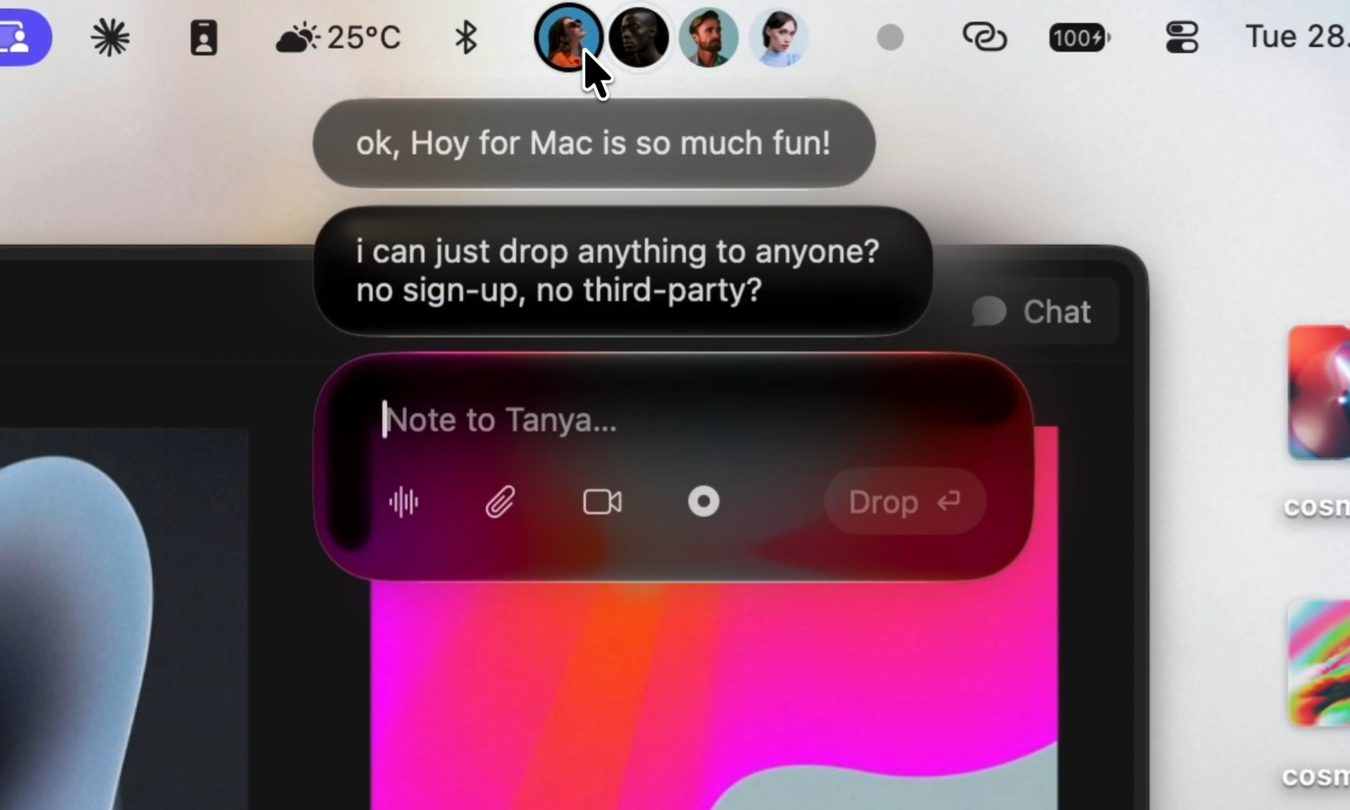
Hoy wants sending something from your Mac to feel as casual as dropping a file onto someone’s desk. Instead of opening another app, you drag it onto that person’s face sitting in the menu bar.
https://twitter.com/heyiamdk/status/2082151995687748064









/cdn.vox-cdn.com/uploads/chorus_asset/file/24000090/acastro_STK075_02.jpg)