Police rescue 186 tourists after Europe cruise ship runs aground in dried-up river
Passengers of the Viking Ullur ran out of food and water
 KickT
KickT

Police were forced to evacuate a cruise ship full of tourists this week after it ran aground on a dried-up Danube river.
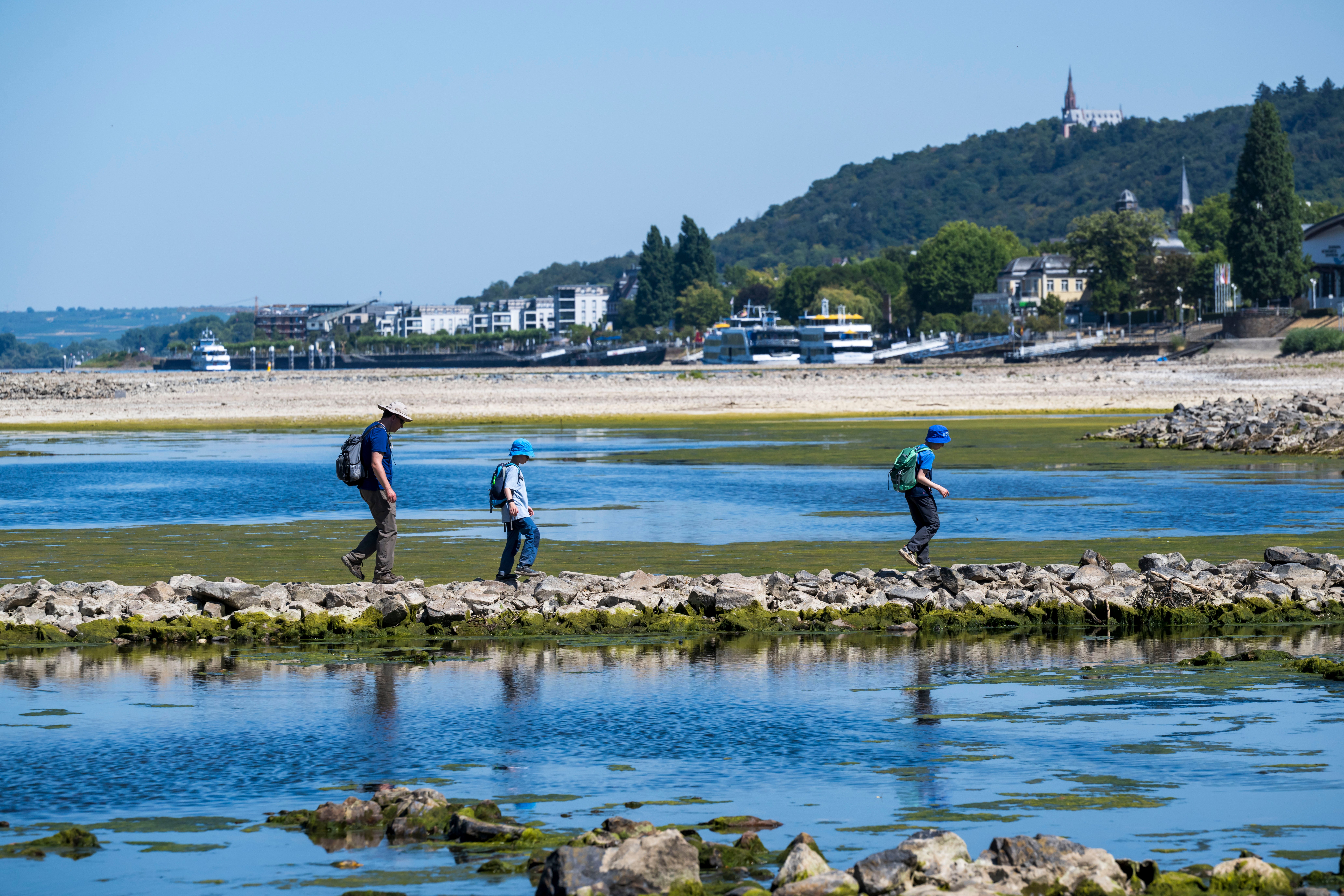
The Danube River, which runs through 10 countries from southwestern Germany to the Black Sea, has receded to never-before-seen lows along much of its course, exposing rocks, sand bars and old shipwrecks that have rarely been seen before.
A renewed heat wave is bearing down on Western Europe and a prolonged drought half a continent away is setting record low water levels on one of Europe's largest rivers, disrupting tourism and industry across the region.
In Budapest, Hungary's capital, the national water authority measured the Danube's water level at 23 centimeters (9 inches) on Wednesday morning, well below the previous all-time low of 33 centimeters (13 inches) set in 2018.
The low water level has forced popular cruise ships, where passengers usually disembark for sightseeing in Budapest, to dock far upriver, while cargo ships have stopped operating nearly entirely, according to Hungary’s Ministry of Transport and Investment.
In Bulgaria, where the Danube forms a border with Romania, police on Tuesday evacuated 186 tourists from a cruise ship that had run aground near the port city of Vidin.
Passengers of the Viking Ullur ran out of food and water after the vessel, which had been scheduled to take on supplies in Vidin, was unable to reach the port after running into a shallow shoal, according to Bulgaria’s state news agency BTA. The ship's 52 crew members could have to remain onboard for an extended period depending on navigation conditions and refloating options, police said.
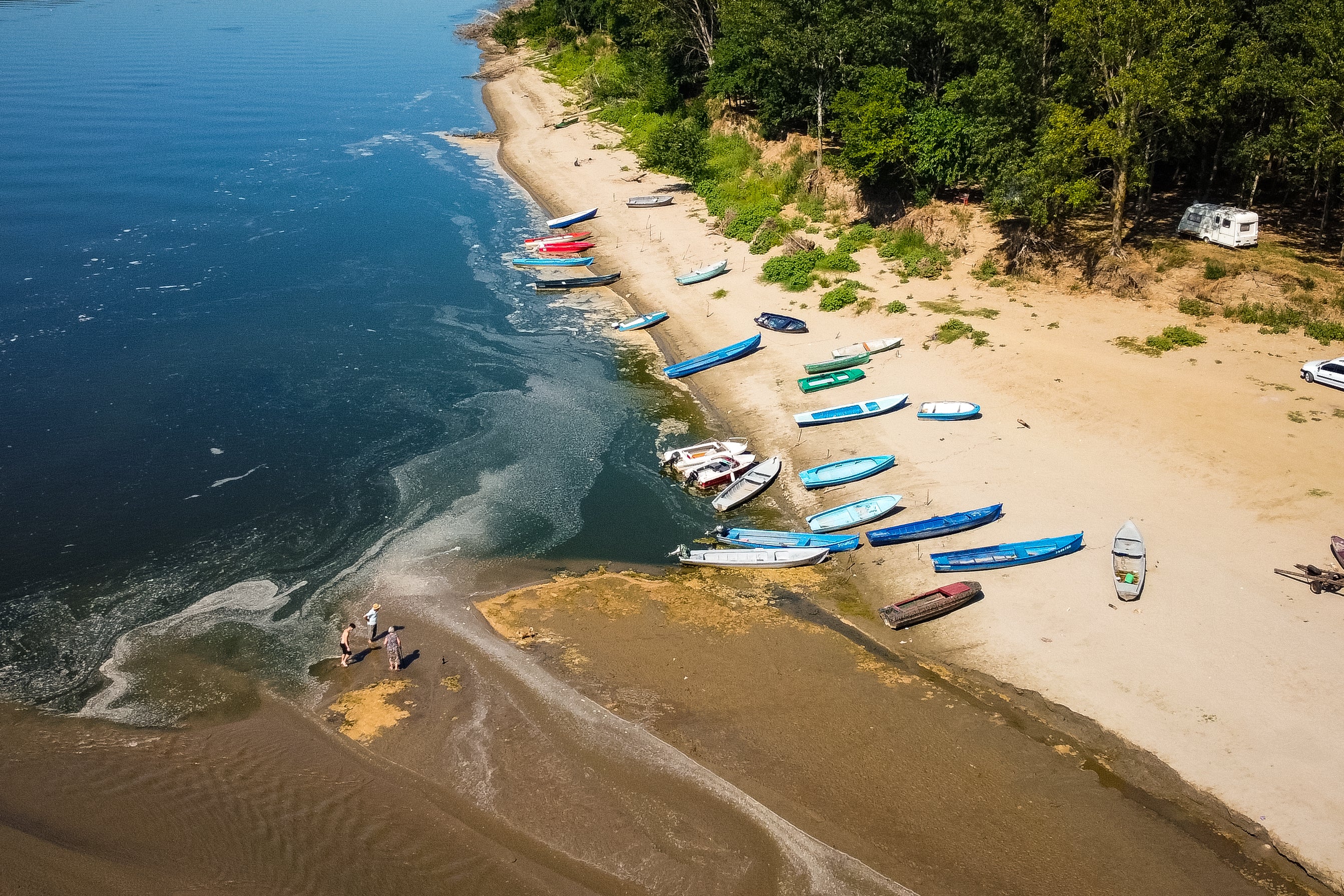
In Serbia, hundreds of small boats and dozens of cargo ships were marooned on the dried-out river bank near the northern city of Novi Sad.
One house boat owner, Radovan Segrt, who runs river excursions on his vessel, said that the water in the Danube had withdrawn “some 15 to 20 metres (50 to 65 feet) from its shore”.
“The summer season is over now, as far as boat riding is concerned,” he said.
The river is expected to further ebb in the coming days with no significant rain in the forecast and temperatures expected to rise to over 38 degrees Celsius (100 degrees Fahrenheit) across the region.
Much of Central Europe has been under a prolonged drought for most of the year, and successive heat waves have accelerated evaporation and caused waterways to dry out.
According to the Hungarian Meteorological Service, 90-day precipitation totals are between 80-130 millimetres (3.1-5.1 inches) lower across nearly the entire country compared to multi-year averages.
Low water levels force nuclear plant shut downs
The receding waters are also affecting nuclear energy production in numerous countries where water from the Danube is typically used to cool reactors.
In Romania, where Danube water flow had fallen to 1,630 cubic metres per second, around a third of a typical July average, authorities shut down a reactor unit at the Cernavoda power plant on Tuesday for safety reasons and announced another would be shut down soon after.
Similarly, Hungary’s Paks nuclear plant, which supplies nearly half of the country's electricity, began powering down a reactor on Wednesday due to restricted cooling-water supplies. That came after two successive reductions in power output in two reactors over the previous two days.
Hidden treasures and dangers
The exposed river bed can also pose dangers. Last week, authorities in Budapest closed the Margaret Bridge after a bomb dating from World War II was exposed at its base by the receding water levels.
Treasure hunter Zsolt Horváth was using the extreme conditions to fish metal objects from the exposed bank with a powerful magnet on Tuesday. He said he got a lot of pleasure from finding things like an old radio amplifier or bullet casings from the World Wars.
Mr Horváth said that while "having so little water in the Danube is a blessing for this kind of activity, otherwise, it’s a curse”.