Proton found trackers inside most VPN apps downloaded in the US
Proton says 85% of the VPN apps in its US analysis contain trackers, while dozens can also access users’ physical location.
 KickT
KickT

Some of these VPN apps can also access your physical location and device data
 Mozilla
When you install a VPN, you’re trusting another company with a large part of your internet traffic. Most people do this because they want more privacy, which makes Proton VPN’s latest findings pretty damning.
After examining more than 7,000 mobile VPN apps around the world, Proton says 85% of the VPNs in its US analysis contain trackers used for analytics, advertising, or profiling. Some of these apps can also access information such as your device ID, phone model, network type, mobile carrier, and even your physical location.
What is your VPN collecting?
For the analysis, Proton used Exodus Privacy, an open-source platform that searches Android apps for known tracker code. Finding one of these trackers does not necessarily tell us exactly what information a particular VPN is collecting or what it eventually does with that data.
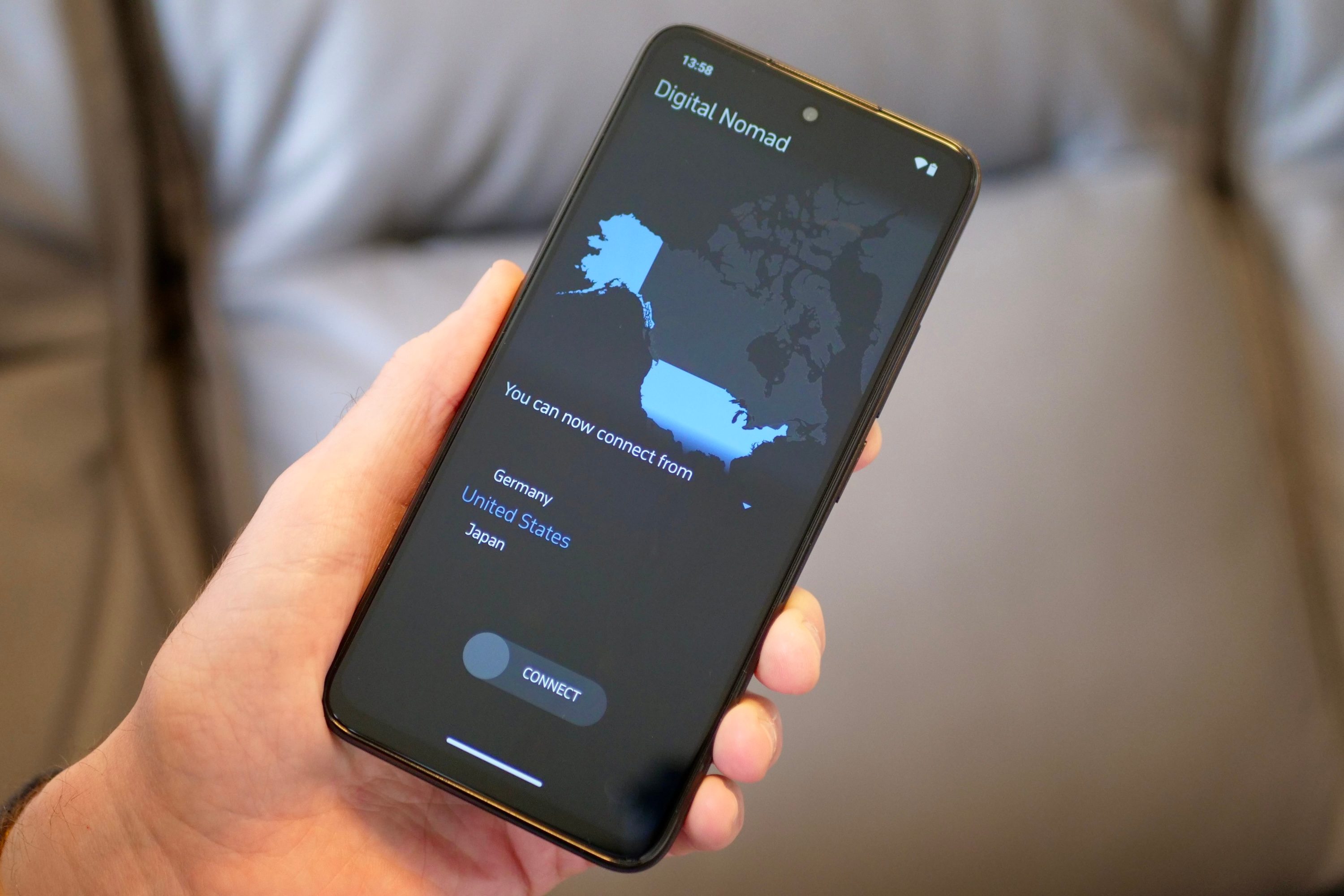 Andy Boxall / Digital Trends
Even so, putting extensive tracking inside a VPN is difficult to defend. Privacy is one of the main reasons people install these apps, so loading them with analytics, advertising, or profiling tools goes directly against what users expect.
Physical location is particularly concerning. Proton found 64 VPN apps capable of accessing GPS and other geolocation data. According to the company, these apps accounted for more than 3 million US downloads in June alone.
Proton’s warning is not the first sign of trouble either. Earlier this year, researchers testing 281 free Android VPN apps found 76 sending device identifiers such as Android’s Advertising ID to third parties, while another 29 leaked browser or DNS traffic outside their encrypted tunnels.
 Proton VPN
Do you know who owns your VPN?
Proton also looked at the companies behind these apps. It found that 64 of the 390 VPNs downloaded through US app stores were owned by Chinese companies, while 31 allegedly obscured that ownership behind companies registered elsewhere.
Apps containing trackers that sent data to companies in China accounted for 1.5 million US downloads in June. Another 1.4 million downloads involved apps with trackers sending data to Russia, according to Proton.
None of this means every VPN is secretly spying on its users. The earlier Android study focused specifically on free VPNs, while Proton’s findings also raise concerns around questionable services with unclear ownership and aggressive tracking.
Seeing “VPN” in an app’s name is not a reason to download it without looking into who made it and what data it collects. Otherwise, the app installed to improve your privacy could end up doing exactly the opposite.

I’ve got about 4 years of experience, mostly covering gaming, PC hardware, and smartphones. In my free time, I like…
Google Health gets better workout logging and more reliable tracking in latest update
Missing maps, workout totals, and Health Connect problems have all been fixed in Google Health 5.07

Google Health 5.07 is rolling out with a number of changes to how the app records and displays your workout and health data. Trail and incline runs will now count toward your Running Distance totals, manually logged workouts can include more information, and Google has fixed an issue that could cause Health Connect to disconnect for some Android users.
The update is rolling out on Android and iOS starting today and should reach more devices over the next week. It follows version 5.05, which added two-way Apple Health syncing and Smart Health Links, and version 5.06, which gave users the option to remove the Health Coach’s lengthy guidance from the Today tab.
Brave’s new Email Alias feature can keep websites away from your real inbox address
The new feature gives users five free aliases, with a Premium version planned later
Your email address is one of the easiest ways for websites and advertising companies to identify you online. If you provide the same address to multiple websites, it can potentially be used to connect your activity across different services.
Brave is now trying to limit this type of tracking. Starting with desktop version 1.94, the browser has added Email Aliases, which let users provide websites with a different email address instead of revealing their primary one.
South Korea is funding free AI to help citizens book appointments, file taxes, and everyday tasks
While the rest of the world debates AI regulation, South Korea is handing out free AI subscriptions instead.

South Korea wants to make access to artificial intelligence as easy as electricity or public transit. Instead of leaving premium AI tools behind a subscription, the government plans to pay for them, giving every citizen free access through a new initiative called 'AI for All'.
According to the Wall Street Journal, the program is designed to boost the use of homegrown AI chatbots while reducing the country's dependence on models developed in the US and China.











/cdn.vox-cdn.com/uploads/chorus_asset/file/25823916/Announce_Hero_219a8909f679e8a1d470.jpg)