The Dance of the Dead
An Obon legend of compassion and redemption The post The Dance of the Dead appeared first on Tricycle: The Buddhist Review.
 KickT
KickT
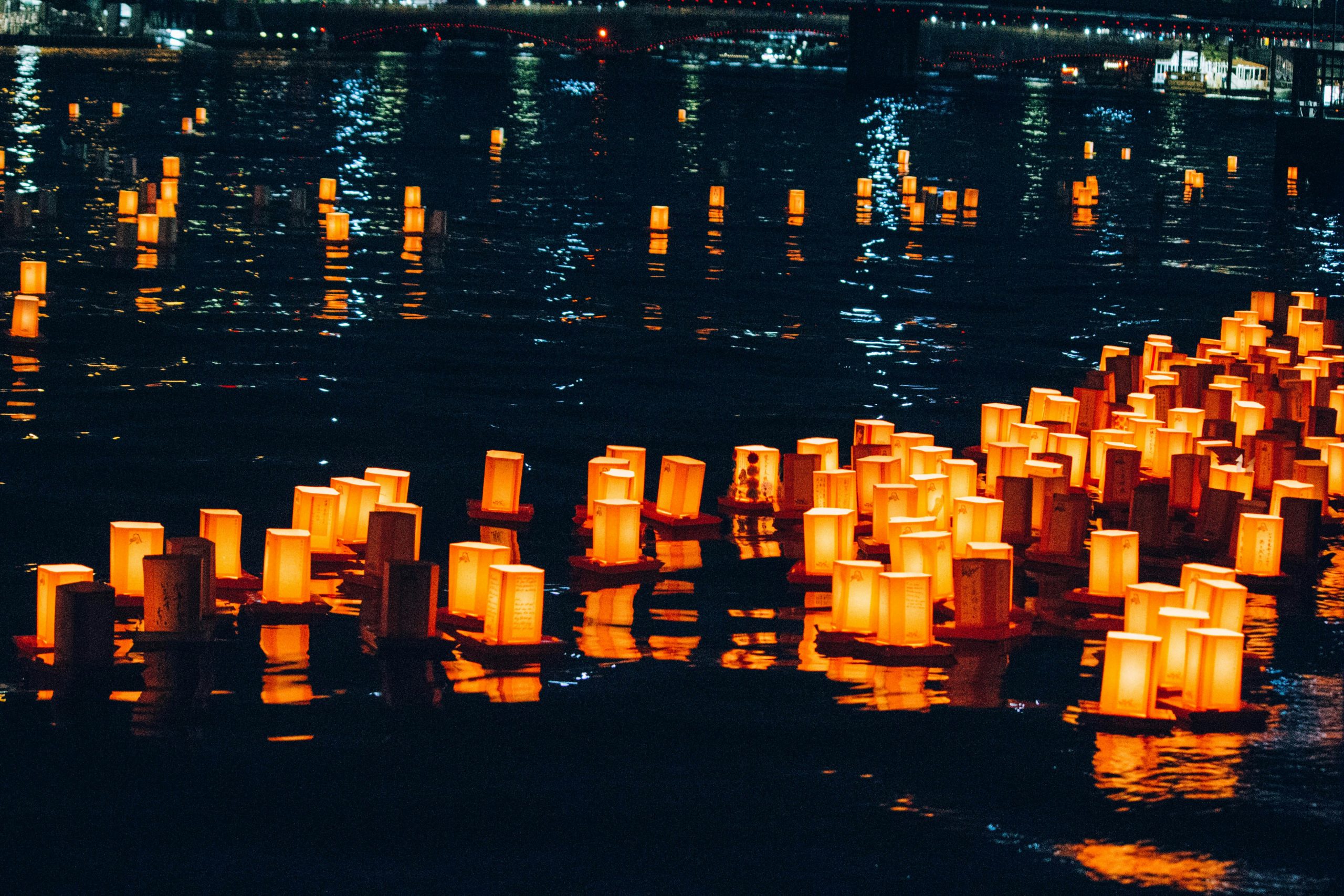
An Obon legend of compassion and redemption
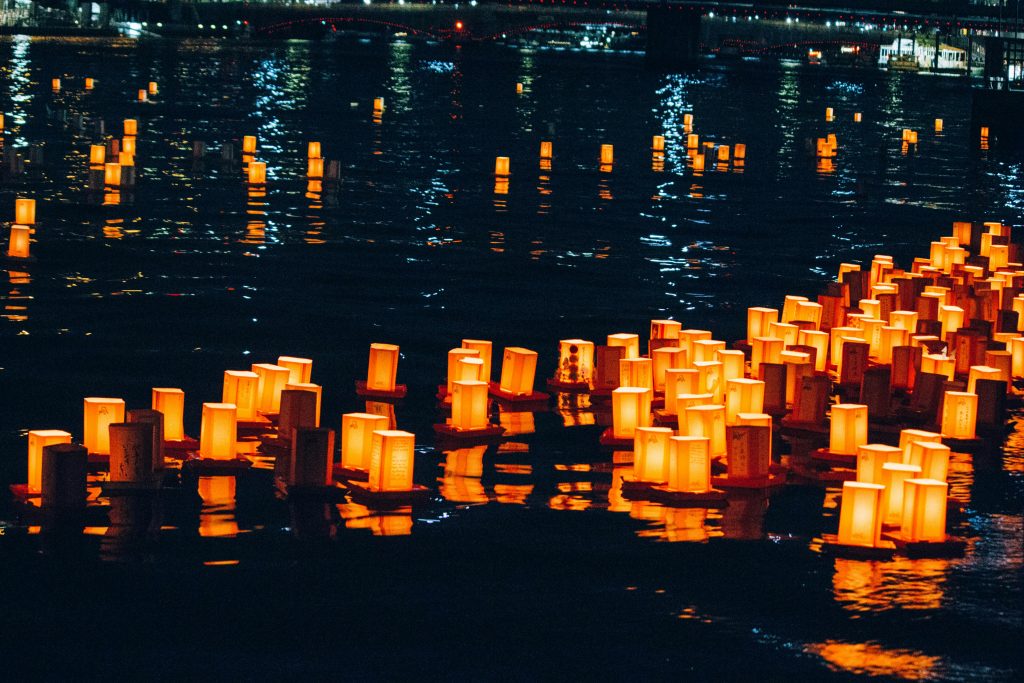 Photo by Atul Vinayak
Enryaku-ji is a Buddhist temple complex located on Mount Hiei, northeast of Kyoto. It was founded in 788 by Saicho (767–822), who later established the Buddhist sect known as Tendai. The temple grounds include 150 halls grouped in three areas: Todo (“East Pagoda”), Saito (“West Pagoda”), and Yokawa. In the latter area stands the Yokawa Chudo Hall, a center of faith devoted to the worship of the bodhisattva Kannon. It is said that one year, the statue of Kannon revered in this prestigious edifice came to life and rescued hordes of dead souls who had gathered in the temple courtyard.
In the summer of a certain year, monks of Yokawa Chudo, one of the halls of Enryaku-ji, gathered to prepare for Obon, the festival of the dead. They cleaned the hall; wiped soot from its walls; and set up offerings before the statue of Kannon, the bodhisattva of compassion. They carried on with their tasks as usual. But that year, one monk made an observation that led his comrades to celebrate Obon in a completely new and unforgettable way.
“We must hurry,” he remarked as he polished the ceremonial objects on the altar. “In a few hours, Great King Enma will open the doors to the six realms of rebirth and allow the dead to return to earth.”
“In doing so, they will be able to visit their homes,” another monk replied. “There, their loved ones will welcome them, say prayers in their memory, and allow them to escape their condition and enter the pure land!”
“That’s true,” added a third monk, “but have you ever thought about the other dead, those who no longer have living relatives on earth? They, too, descend to earth, but they have nowhere to go and no one to intercede with the buddhas on their behalf to grant them entry into the pure land.”
These words sent shockwaves through the monks. They had never considered the plight of these wandering dead who had no descendants to welcome them.
“We must do something to help them!” exclaimed the monk who had started the conversation. “Let’s invite them to our hall, pray for them, and ask Kannon to take them to the pure land.”
Moved by their comrade’s initiative, the monks quickly gathered before the statue of Kannon and recited prayers to the glory of the goddess.
At that same moment, Great King Enma opened the doors to the six realms and allowed their inhabitants to return to earth. Those with living relatives returned to their homes. The others, who had no descendants, also headed for earth but wandered aimlessly, as no one awaited them. Halfway there, however, they heard a gentle, harmonious voice calling out to them and directing them to a mountain.
At Yokawa Chudo, the monks continued to pray. Suddenly, they saw the statue of Kannon open its eyes. Yes, the statue had awakened! It climbed down from its pedestal, left the hall, and stopped in the courtyard. There, it made strange gestures with its hands and muttered incantations whose meaning the monks couldn’t understand.
The next moment, the earth trembled and opened, allowing hordes of dead to emerge. Leading the way were the dead condemned to rebirth in the realm of hell, followed by the inhabitants of the realm of hungry ghosts, the realm of beasts, the realm of fighting demigods, and finally the realm of celestial beings.
A crowd of souls from these realms gathered around the goddess, thanking her profusely, offering flowers, burning incense in her honor, and performing dances symbolizing their respective conditions. The inhabitants of hell depicted their abominable tortures. The hungry ghosts mimed their eternal quest for sustenance. The beasts performed a dance of burden and prey. The fighting demigods portrayed their endless battles, and the celestial beings, despite their enviable state, evoked the inevitable degeneration of their divine forms.
As dawn broke and sunlight touched the courtyard, each soul was enveloped in light and gradually disappeared. For the monks who witnessed this miracle, there was no doubt: These lost souls had not returned to their realms. Kannon had led them to the pure land.
♦
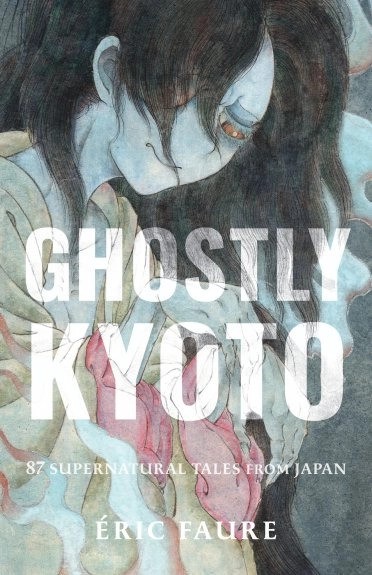
From Ghostly Kyoto © 2026 by Éric Faure. Reprinted in arrangement with Shambhala Publications, Inc. Boulder, CO. www.shambhala.com.

Thank you for subscribing to Tricycle! As a nonprofit, we depend on readers like you to keep Buddhist teachings and practices widely available.
This article is only for Subscribers!
Subscribe now to read this article and get immediate access to everything else.
Already a subscriber? Log in.